Tag Archives: DevOps

Bash Scripting for Log Management

Introduction

Logs are the backbone of system diagnostics, security auditing, and application performance monitoring. Efficient log management is crucial for identifying issues and maintaining optimal system performance. Bash scripting provides a powerful and versatile toolset for automating log management tasks, from parsing logs to archiving and alerting. In this article, we will explore how to use Bash scripting to streamline log management processes effectively.

Why Use Bash Scripting for Log Management?

Bash scripting offers simplicity, flexibility, and robust capabilities to handle various log management tasks. Here are some reasons why it’s an excellent choice:

  • Automation: Automate repetitive tasks like log rotation, compression, and deletion.
  • Efficiency: Process large log files quickly using command-line utilities.
  • Customizability: Tailor scripts to specific log formats and requirements.
  • Integration: Seamlessly integrate with other tools and workflows in Unix/Linux environments.

Key Bash Commands for Log Management

tail

The tail command displays the last few lines of a log file, useful for monitoring real-time updates.

# Monitor a log file in real-time
$ tail -f /var/log/syslog

grep

Search for specific patterns within log files to filter relevant information.

# Find error messages in a log file
$ grep "ERROR" /var/log/syslog

awk

Extract and process structured log data.

# Extract IP addresses from logs
$ awk '{print $1}' /var/log/access.log

sed

Edit log files in-place to modify content programmatically.

# Remove sensitive information from logs
$ sed -i 's/password=.*$/password=****/' /var/log/app.log

find

Locate and manage old log files.

# Delete log files older than 7 days
$ find /var/log -type f -mtime +7 -exec rm {} \;

Bash Scripting for Common Log Management Tasks

Log Rotation

Automating log rotation ensures that logs don’t consume excessive disk space.

#!/bin/bash
# Rotate logs
LOG_DIR="/var/log/myapp"
ARCHIVE_DIR="/var/log/myapp/archive"

mkdir -p "$ARCHIVE_DIR"

for LOG_FILE in $LOG_DIR/*.log; do
    TIMESTAMP=$(date +"%Y%m%d_%H%M%S")
    mv "$LOG_FILE" "$ARCHIVE_DIR/$(basename "$LOG_FILE" .log)_$TIMESTAMP.log"
    gzip "$ARCHIVE_DIR/$(basename "$LOG_FILE" .log)_$TIMESTAMP.log"
    touch "$LOG_FILE"
done

Log Parsing

Parsing logs for specific events or errors can aid troubleshooting.

#!/bin/bash
# Parse logs for errors
LOG_FILE="/var/log/syslog"
ERROR_LOG="/var/log/error_report.log"

grep "ERROR" "$LOG_FILE" > "$ERROR_LOG"
echo "Errors extracted to $ERROR_LOG"

Archiving and Cleanup

Archive old logs and free up disk space by removing stale files.

#!/bin/bash
# Archive and clean up old logs
LOG_DIR="/var/log/myapp"
ARCHIVE_DIR="/var/log/myapp/archive"

mkdir -p "$ARCHIVE_DIR"
find "$LOG_DIR" -type f -mtime +30 -exec gzip {} \; -exec mv {} "$ARCHIVE_DIR" \;

Real-Time Alerts

Send notifications when critical events occur.

#!/bin/bash
# Monitor logs and send alerts
LOG_FILE="/var/log/syslog"
PATTERN="CRITICAL"
ALERT_EMAIL="admin@example.com"

tail -f "$LOG_FILE" | while read LINE; do
    echo "$LINE" | grep -q "$PATTERN"
    if [ $? -eq 0 ]; then
        echo "$LINE" | mail -s "Critical Alert" "$ALERT_EMAIL"
    fi
done

Advanced Scenarios

Centralized Log Management

Combine Bash with tools like rsync to centralize logs from multiple servers.

#!/bin/bash
# Collect logs from remote servers
REMOTE_SERVERS=("server1" "server2")
DEST_DIR="/var/log/central"

mkdir -p "$DEST_DIR"
for SERVER in "${REMOTE_SERVERS[@]}"; do
    rsync -avz "user@$SERVER:/var/log/*" "$DEST_DIR/$SERVER/"
done

Analyzing Logs with Visualization Tools

Export logs to formats compatible with visualization tools like ELK stack.

#!/bin/bash
# Convert logs to JSON format
LOG_FILE="/var/log/access.log"
JSON_FILE="/var/log/access.json"

awk '{print "{\"ip\":\"" $1 "\",\"timestamp\":\"" $4 "\"}"}' "$LOG_FILE" > "$JSON_FILE"

FAQs

What are the benefits of automating log management with Bash?

Automation reduces manual effort, minimizes errors, and ensures timely log processing.

Can Bash handle very large log files?

Yes, but for extremely large files, consider tools like logrotate or distributed solutions.

How do I secure sensitive data in logs?

Use commands like sed to redact sensitive information before storage or sharing.

What tools complement Bash scripting for log management?

Tools like logrotate, ELK stack, and Splunk integrate well with Bash for enhanced capabilities.

External Links

Conclusion

Bash scripting is an indispensable tool for efficient log management. By automating tasks like log rotation, parsing, and alerting, you can save time and ensure your systems run smoothly. Start implementing these techniques today and streamline your log management workflow! Thank you for reading the DevopsRoles page!

Jenkins Automation with Groovy Scripting

Introduction

Jenkins, a widely-used automation server, is a cornerstone of DevOps and Continuous Integration/Continuous Delivery (CI/CD) pipelines. Leveraging Groovy scripting, a dynamic language for the Java platform, empowers users to automate complex tasks, optimize workflows, and extend Jenkins functionalities seamlessly. This guide explores how to utilize Jenkins Automation with Groovy Scripting, providing practical insights and actionable examples.

Why Use Groovy Scripting in Jenkins?

Key Benefits

  • Flexibility: Groovy’s dynamic nature simplifies scripting tasks in Jenkins.
  • Integration: Seamlessly integrates with Jenkins plugins and Java libraries.
  • Efficiency: Automates repetitive tasks, reducing manual intervention.
  • Customization: Extends Jenkins’ default capabilities to fit unique project requirements.

Setting Up Jenkins for Groovy Scripting

Prerequisites

  1. Jenkins Installed: Ensure Jenkins is installed and running.
  2. Groovy Plugin: Install the Groovy plugin via Jenkins’ Plugin Manager.
  3. Java Development Kit (JDK): Groovy requires Java to function.

Configuring Jenkins

  1. Navigate to Manage Jenkins > Manage Plugins.
  2. Search for “Groovy” in the Available Plugins tab.
  3. Install and restart Jenkins to enable the plugin.

Groovy Scripting Basics

Syntax Overview

Groovy scripts are concise and easy to learn, especially if you’re familiar with Java. Below are basic constructs:

  • Variables: def message = "Hello, Jenkins!"
  • Loops: for (int i = 0; i < 10; i++) { println i }
  • Functions:
def greet(name) {
    return "Hello, $name!"
}
println greet("Jenkins User")

Automating Jenkins Tasks with Groovy

Example 1: Creating and Configuring a Job

Groovy Script:

import jenkins.model.*

// Create a new job
def jenkins = Jenkins.instance
String jobName = "MyFirstGroovyJob"
def job = jenkins.createProject(hudson.model.FreeStyleProject, jobName)

// Configure job properties
job.description = "This is a job created with Groovy scripting."
job.save()
println "Job $jobName created successfully!"

Example 2: Automating Build Trigger Configurations

Groovy Script:

import hudson.triggers.*

def job = Jenkins.instance.getItem("MyFirstGroovyJob")
job.addTrigger(new SCMTrigger("H/15 * * * *")) // Poll SCM every 15 minutes
job.save()
println "SCM trigger added to job successfully!"

Example 3: Deleting Old Build Artifacts

Groovy Script:

import jenkins.model.*

// Delete build artifacts older than 30 days
Jenkins.instance.getAllItems(Job).each { job ->
    job.builds.findAll { it.getTimeInMillis() < System.currentTimeMillis() - (30 * 24 * 60 * 60 * 1000) }.each {
        it.delete()
        println "Deleted build #${it.number} from ${job.name}"
    }
}

Advanced Jenkins Automation with Groovy

Scenario: Dynamic Parameterized Builds

Groovy Script:

import hudson.model.ParametersDefinitionProperty
import hudson.model.StringParameterDefinition

def job = Jenkins.instance.getItem("MyFirstGroovyJob")

def paramsDef = new ParametersDefinitionProperty(
    new StringParameterDefinition("ENV", "Development", "Target environment")
)

job.addProperty(paramsDef)
job.save()
println "Added dynamic parameters to job successfully!"

Scenario: Automating Plugin Installations

Groovy Script:

import jenkins.model.Jenkins
import jenkins.plugins.PluginManager

def plugins = ["git", "pipeline"]
def pm = Jenkins.instance.pluginManager

plugins.each { plugin ->
    if (!pm.getPlugin(plugin)) {
        pm.install(plugin)
        println "Installed plugin: $plugin"
    } else {
        println "Plugin already installed: $plugin"
    }
}

FAQ: Jenkins Automation with Groovy Scripting

What is Groovy scripting used for in Jenkins?

Groovy is used to automate tasks, customize jobs, and extend Jenkins’ functionalities beyond its GUI capabilities.

Can I run Groovy scripts directly in Jenkins?

Yes, you can execute scripts using Jenkins’ Script Console (Manage Jenkins > Script Console).

How do I debug Groovy scripts in Jenkins?

Use println statements for debugging and check logs under Manage Jenkins > System Log.

Is Groovy scripting secure?

Always validate and review scripts for security vulnerabilities, especially when handling sensitive data or running on shared servers.

External Resources

Conclusion

Groovy scripting transforms Jenkins from a robust CI/CD tool into a highly customizable automation powerhouse. Whether creating jobs, managing plugins, or automating workflows, Groovy empowers DevOps professionals to achieve unparalleled efficiency and scalability. Start integrating Groovy into your Jenkins pipelines today to unlock its full potential. Thank you for reading the DevopsRoles page!

How to Install Surfshark on Linux

Introduction

This guide provides a detailed walkthrough on how to install Surfshark on Linux, ensuring a seamless setup for beginners and advanced users alike. In an increasingly connected world, protecting your online privacy has become essential. Virtual Private Networks (VPNs) like Surfshark are indispensable tools for maintaining anonymity, accessing geo-restricted content, and enhancing security. Surfshark, known for its affordability and robust features, is a popular choice for Linux users.

Prerequisites

Before diving into the installation process, ensure you have the following:

  • A Linux-based operating system (Ubuntu, Debian, Fedora, etc.).
  • Administrative (root) privileges on your system.
  • An active Surfshark subscription.
  • Basic knowledge of terminal commands.

Step 1: Update Your System

First, update your system packages to ensure compatibility with Surfshark.

sudo apt update && sudo apt upgrade -y

This command updates the package list and upgrades outdated packages.

Step 2: Download Surfshark VPN

Visit the official Surfshark website to download the Linux installer.

  1. Go to the Surfshark Download Page.
  2. Select the Linux option.
  3. Download the .deb package for Debian-based distributions (e.g., Ubuntu) or .rpm for Red Hat-based distributions (e.g., Fedora).

Alternatively, you can use the terminal:

For Debian-based systems:

wget https://download.surfshark.com/linux/debian/surfshark-release_1.0.0-1_amd64.deb

For Red Hat-based systems:

wget https://download.surfshark.com/linux/fedora/surfshark-release-1.0.0-1.x86_64.rpm

Step 3: Install Surfshark VPN

For Debian-based Systems

Run the following command to install the downloaded package:

sudo dpkg -i surfshark-release_1.0.0-1_amd64.deb
sudo apt update
sudo apt install surfshark

For Red Hat-based Systems

Use the following commands to install Surfshark:

sudo rpm -ivh surfshark-release-1.0.0-1.x86_64.rpm
sudo dnf install surfshark

Step 4: Log in to Surfshark

After installation, log in using your Surfshark credentials.

surfshark-vpn login

Enter your email and password when prompted.

Step 5: Connect to a Server

To connect to the fastest available server, use:

surfshark-vpn connect

To connect to a specific server location:

surfshark-vpn connect --country US

Replace US with the country code of your desired location.

Advanced Configuration

Custom DNS Configuration

Enhance your browsing experience by setting custom DNS:

surfshark-vpn settings --dns 1.1.1.1 8.8.8.8

This command configures Cloudflare (1.1.1.1) and Google (8.8.8.8) DNS servers.

Kill Switch

Enable the kill switch to prevent data leaks if the VPN connection drops:

surfshark-vpn settings --killswitch on

FAQ

1. Can I use Surfshark on all Linux distributions?

Surfshark officially supports Debian and Red Hat-based distributions. However, it can be configured manually on other distributions using OpenVPN or WireGuard.

2. Is Surfshark CLI-only on Linux?

Yes, Surfshark on Linux operates via the command line. However, it’s straightforward and user-friendly for anyone familiar with terminal basics.

3. How can I uninstall Surfshark from Linux?

For Debian-based systems:

sudo apt remove surfshark

For Red Hat-based systems:

sudo dnf remove surfshark

External Resources

Conclusion

Installing Surfshark on Linux is a straightforward process that offers robust online privacy and security. By following this guide, you can protect your data, bypass geo-restrictions, and enjoy unrestricted internet access. Take control of your online experience and explore the web safely with Surfshark VPN on Linux. Thank you for reading the DevopsRoles page!
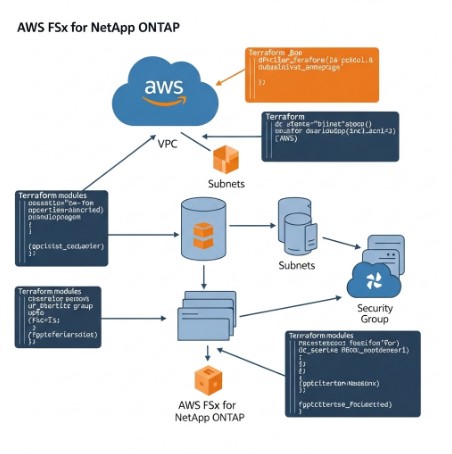
Analyzing EBS Volume Usage: A Comprehensive Guide

Introduction

Amazon Elastic Block Store (EBS) is a scalable and high-performance storage service provided by AWS. While it offers unmatched flexibility, managing and optimizing EBS volume usage can significantly impact cost and performance. Understanding how to analyze actual EBS volume usage is critical for maintaining an efficient AWS environment. In this guide, we’ll explore the tools and methods you can use to monitor and optimize EBS volume usage, ensuring you get the best value for your investment.

Why Analyze EBS Volume Usage?

Efficient management of EBS volumes offers several benefits:

  • Cost Optimization: Avoid overpaying for unused or underutilized storage.
  • Performance Improvement: Identify bottlenecks and optimize for better I/O performance.
  • Resource Allocation: Ensure your workloads are adequately supported without overprovisioning.
  • Compliance and Reporting: Maintain compliance by documenting storage utilization metrics.

Tools to Analyze Actual EBS Volume Usage

1. AWS CloudWatch

Overview

AWS CloudWatch is a monitoring and observability service that provides metrics and logs for EBS volumes. It is a native tool within AWS and offers detailed insights into storage performance and utilization.

Key Metrics:

  • VolumeIdleTime: Measures the total time when no read/write operations are performed.
  • VolumeReadOps & VolumeWriteOps: Tracks the number of read and write operations.
  • VolumeThroughputPercentage: Monitors throughput as a percentage of the volume’s provisioned throughput.
  • BurstBalance: Indicates the balance of burst credits for burstable volumes.

Steps to Analyze EBS Volume Usage Using CloudWatch:

  1. Navigate to the CloudWatch Console.
  2. Select Metrics > EBS.
  3. Choose the relevant metrics (e.g., VolumeIdleTime, VolumeReadBytes).
  4. Visualize metrics on graphs for trend analysis.

Example: Setting up an Alarm

  1. Go to CloudWatch Alarms.
  2. Click on Create Alarm.
  3. Select a metric such as VolumeIdleTime.
  4. Set thresholds to trigger notifications.

2. AWS Trusted Advisor

Overview

AWS Trusted Advisor provides recommendations for optimizing AWS resources. It includes a Cost Optimization check that highlights underutilized EBS volumes.

Steps to Use Trusted Advisor:

  1. Access Trusted Advisor from the AWS Management Console.
  2. Review the Cost Optimization section.
  3. Locate the Underutilized Amazon EBS Volumes report.
  4. Take action based on the recommendations (e.g., resizing or deleting unused volumes).

3. Third-Party Tools

CloudHealth by VMware

  • Offers advanced analytics for storage optimization.
  • Provides insights into EBS volume costs and performance.

LogicMonitor

  • Delivers detailed monitoring for AWS services.
  • Includes customizable dashboards for EBS volume utilization.

Example Use Case:

Integrate LogicMonitor with your AWS account to automatically track idle EBS volumes and receive alerts for potential cost-saving opportunities.

Advanced Scenarios

Automating EBS Volume Analysis with AWS CLI

Example Command:

aws ec2 describe-volumes --query 'Volumes[*].{ID:VolumeId,State:State,Size:Size}' --output table

Explanation:

  • describe-volumes: Fetches details about your EBS volumes.
  • –query: Filters the output to include only relevant details such as Volume ID, State, and Size.

Automating Alerts:

Use AWS Lambda combined with Amazon SNS to automate alerts for unused or underutilized volumes. Example:

  1. Write a Lambda function to fetch idle volumes.
  2. Trigger the function periodically using CloudWatch Events.
  3. Configure SNS to send notifications.

Performance Tuning

RAID Configuration:

Combine multiple EBS volumes into a RAID array for improved performance. Use RAID 0 for increased IOPS and throughput.

Monitoring Burst Credits:

Track BurstBalance to ensure burstable volumes maintain sufficient performance during peak usage.

FAQs

What metrics should I focus on for cost optimization?

Focus on VolumeIdleTime, VolumeReadOps, and VolumeWriteOps to identify underutilized or idle volumes.

How can I resize an EBS volume?

Use the ModifyVolume API or the AWS Management Console to increase volume size. Ensure you extend the file system to utilize the additional space.

Are there additional costs for using CloudWatch?

CloudWatch offers a free tier for basic monitoring. However, advanced features like custom metrics and extended data retention may incur additional costs.

External Links

Conclusion

Analyzing EBS volume usage is a critical aspect of AWS resource management. By leveraging tools like AWS CloudWatch, Trusted Advisor, and third-party solutions, you can optimize costs, enhance performance, and ensure efficient resource utilization. Regular monitoring and proactive management will empower you to get the most out of your EBS investments. Start implementing these strategies today to streamline your AWS environment effectively. Thank you for reading the DevopsRoles page!

Using Docker and Kubernetes Together

Introduction

Docker and Kubernetes have revolutionized the world of containerized application deployment and management. While Docker simplifies the process of creating, deploying, and running applications in containers, Kubernetes orchestrates these containers at scale. Using Docker and Kubernetes together unlocks a powerful combination that ensures efficiency, scalability, and resilience in modern application development. This article explores how these two technologies complement each other, practical use cases, and step-by-step guides to get started.

Why Use Docker and Kubernetes Together?

Key Benefits

Enhanced Scalability

  • Kubernetes’ orchestration capabilities allow you to scale containerized applications seamlessly, leveraging Docker’s efficient container runtime.

Simplified Management

  • Kubernetes automates the deployment, scaling, and management of Docker containers, reducing manual effort and errors.

Improved Resource Utilization

  • By using Docker containers with Kubernetes, you can ensure optimal resource utilization across your infrastructure.

Getting Started with Docker and Kubernetes

Setting Up Docker

Install Docker

  1. Download the Docker installer from Docker’s official website.
  2. Follow the installation instructions for your operating system (Windows, macOS, or Linux).
  3. Verify the installation by running:docker --version

Build and Run a Container

Create a Dockerfile for your application:

FROM node:14
WORKDIR /app
COPY . .
RUN npm install
CMD ["node", "app.js"]

Build the Docker image:

docker build -t my-app .

Run the container:

docker run -d -p 3000:3000 my-app

Setting Up Kubernetes

Install Kubernetes (Minikube or Kind)

  • Minikube: A local Kubernetes cluster for testing.
  • Kind: Kubernetes in Docker, ideal for CI/CD pipelines.

Install Minikube:

curl -LO https://storage.googleapis.com/minikube/releases/latest/minikube-linux-amd64 \
&& sudo install minikube-linux-amd64 /usr/local/bin/minikube

Start Minikube:

minikube start

Install kubectl

Download kubectl for managing Kubernetes clusters:

curl -LO "https://dl.k8s.io/release/$(curl -L -s https://dl.k8s.io/release/stable.txt)/bin/linux/amd64/kubectl"
chmod +x kubectl
sudo mv kubectl /usr/local/bin/

Using Docker and Kubernetes Together: Step-by-Step

Deploying a Docker Application in Kubernetes

Step 1: Create a Docker Image

Build and push your Docker image to a container registry (e.g., Docker Hub or AWS ECR):

docker tag my-app:latest my-dockerhub-username/my-app:latest
docker push my-dockerhub-username/my-app:latest

Step 2: Define a Kubernetes Deployment

Create a deployment.yaml file:

apiVersion: apps/v1
kind: Deployment
metadata:
  name: my-app-deployment
spec:
  replicas: 3
  selector:
    matchLabels:
      app: my-app
  template:
    metadata:
      labels:
        app: my-app
    spec:
      containers:
      - name: my-app
        image: my-dockerhub-username/my-app:latest
        ports:
        - containerPort: 3000

Step 3: Apply the Deployment

Deploy your application:

kubectl apply -f deployment.yaml

Step 4: Expose the Application

Expose the deployment as a service:

kubectl expose deployment my-app-deployment --type=LoadBalancer --name=my-app-service

Step 5: Verify the Deployment

List all running pods:

kubectl get pods

Check the service:

kubectl get service my-app-service

Examples: Real-World Use Cases

Basic Example: A Web Application

A Node.js application in Docker deployed to Kubernetes for high availability.

Advanced Example: Microservices Architecture

Using multiple Docker containers managed by Kubernetes for services like authentication, billing, and notifications.

FAQ

Frequently Asked Questions

Q: Can I use Docker without Kubernetes?

A: Yes, Docker can run independently. However, Kubernetes adds orchestration, scalability, and management benefits for complex systems.

Q: Is Kubernetes replacing Docker?

A: No. Kubernetes and Docker serve different purposes and are complementary. Kubernetes orchestrates containers, which Docker creates and runs.

Q: What is the difference between Docker Compose and Kubernetes?

A: Docker Compose is suitable for local multi-container setups, while Kubernetes is designed for scaling and managing containers in production.

Q: How do I monitor Docker containers in Kubernetes?

A: Tools like Prometheus, Grafana, and Kubernetes’ built-in dashboards can help monitor containers and resources.

Conclusion

Docker and Kubernetes together form the backbone of modern containerized application management. Docker simplifies container creation, while Kubernetes ensures scalability and efficiency. By mastering both, you can build robust, scalable systems that meet the demands of today’s dynamic environments. Start small, experiment with deployments, and expand your expertise to harness the full potential of these powerful technologies. Thank you for reading the DevopsRoles page!

Jenkins Plugins: Unlocking the Power of CI/CD Pipelines

Introduction

In today’s fast-paced software development environment, achieving continuous integration and continuous delivery (CI/CD) is essential. Jenkins, a powerful open-source automation server, lies at the heart of many DevOps workflows. But to truly unlock its potential, Jenkins plugins are indispensable. These plugins expand Jenkins’ capabilities, enabling teams to build, test, and deploy with greater efficiency. This article explores how Jenkins plugins can improve your CI/CD pipelines, from basic configurations to advanced integrations.

Why Use Jenkins Plugins for CI/CD Pipelines?

Jenkins plugins act as extensions that enhance its functionality. With over 1,800 plugins available, developers can:

  • Integrate with version control systems like Git and Subversion.
  • Automate testing with tools like Selenium.
  • Enable containerized builds with Docker.
  • Secure pipelines with credential management tools.
  • Optimize workflows with real-time monitoring and reporting.

Whether you’re building a simple pipeline or managing complex deployments, plugins provide the flexibility and scalability to meet diverse needs.

Top Jenkins Plugins for CI/CD Pipelines

1. Git Plugin

The Git Plugin is essential for integrating Git repositories with Jenkins. It allows:

  • Pulling code from GitHub, GitLab, or Bitbucket.
  • Supporting branch-specific builds.
  • Triggering builds based on changes.

2. Pipeline Plugin

This plugin enables users to define jobs using code. Key features include:

  • Writing pipelines as code using Jenkinsfile.
  • Supporting complex workflows with parallel stages.
  • Enabling version-controlled pipeline configurations.

3. Blue Ocean Plugin

Blue Ocean offers a modern UI for Jenkins, simplifying pipeline visualization. Benefits include:

  • Intuitive interface for pipeline creation and monitoring.
  • Real-time feedback on pipeline status.
  • Easy debugging of failed stages.

4. Docker Plugin

For teams leveraging containerization, the Docker Plugin provides:

  • Building and publishing Docker images.
  • Running Jenkins agents in containers.
  • Managing Docker hosts directly from Jenkins.

5. Email Extension Plugin

This plugin enhances notification capabilities. Features include:

  • Configurable email templates.
  • Automated alerts for build statuses.
  • Integration with multiple mail servers.

6. Slack Notification Plugin

Communicate build statuses directly in Slack channels. Highlights:

  • Instant notifications for builds and deployments.
  • Customizable alerts.
  • Support for multiple Slack workspaces.

7. Credentials Binding Plugin

Enhance pipeline security by:

  • Managing secrets like API keys and passwords.
  • Injecting credentials into pipelines securely.
  • Supporting multiple credential formats.

Setting Up Jenkins Plugins for Your Pipeline

Step 1: Install a Plugin

  1. Navigate to Manage Jenkins > Plugin Manager.
  2. Search for the desired plugin in the “Available” tab.
  3. Click “Install without restart” or “Install and restart” for activation.

Step 2: Configure the Plugin

  • Go to Manage Jenkins > Configure System.
  • Locate the plugin’s configuration section.
  • Input required details like API tokens, repository URLs, or Docker configurations.

Step 3: Integrate with Your Pipeline

  • Update your Jenkinsfile to include plugin-specific stages or commands. For example:
pipeline {
    agent any
    stages {
        stage('Build') {
            steps {
                git branch: 'main', url: 'https://github.com/example/repo.git'
                docker.build('my-app')
            }
        }
        stage('Test') {
            steps {
                sh 'mvn test'
            }
        }
    }
}

Examples: From Basic to Advanced Scenarios

Basic Example: Git Integration

pipeline {
    agent any
    stages {
        stage('Clone Repository') {
            steps {
                git branch: 'main', url: 'https://github.com/example/repo.git'
            }
        }
        stage('Build') {
            steps {
                sh 'make build'
            }
        }
    }
}

Advanced Example: Multi-Container Deployment with Docker

pipeline {
    agent any
    stages {
        stage('Build Docker Image') {
            steps {
                script {
                    docker.build('my-app:latest')
                }
            }
        }
        stage('Deploy to Kubernetes') {
            steps {
                sh 'kubectl apply -f deployment.yaml'
            }
        }
    }
}

FAQ: Jenkins Plugins for Improved CI/CD Pipelines

1. What are Jenkins plugins?

Jenkins plugins are extensions that enhance its functionality, allowing integration with tools like Git, Docker, and Kubernetes.

2. How do I know which plugins to use?

Identify your CI/CD pipeline needs. Common requirements include version control, testing, containerization, and notifications.

3. Are plugins secure?

Official Jenkins plugins undergo rigorous testing. However, always review documentation and community feedback before installation.

4. Can plugins slow down Jenkins?

Excessive or poorly configured plugins may impact performance. Regularly audit and remove unused plugins.

5. How do I update plugins?

Go to Manage Jenkins > Plugin Manager, then check the “Updates” tab for available updates.

External Resources

Conclusion

Jenkins plugins are the cornerstone of efficient CI/CD pipelines. From version control integration to advanced container orchestration, they provide the tools necessary for modern DevOps workflows. By carefully selecting and configuring plugins, teams can achieve seamless automation, improved collaboration, and faster delivery cycles. Start exploring the vast ecosystem of Jenkins plugins today and elevate your CI/CD pipeline to new heights! Thank you for reading the DevopsRoles page!

Using Ansible Galaxy for Role Management: A Complete Guide

Introduction

Ansible Galaxy is one of the most powerful tools in the Ansible ecosystem, enabling users to share, download, and manage Ansible roles. For DevOps professionals, managing and reusing roles can significantly improve automation efficiency, reduce complexity, and save time. This article explores the core features of Ansible Galaxy for role management, from basic usage to advanced scenarios, and provides practical examples to help you get started.

What is Ansible Galaxy?

Ansible Galaxy is a community-driven platform where users can share pre-built Ansible roles. These roles are essentially reusable units of Ansible automation that encapsulate a specific function, such as installing software, configuring services, or managing users. By using roles from Ansible Galaxy, you can avoid the need to reinvent the wheel, speeding up your automation process and ensuring best practices are followed.

Why Use Ansible Galaxy for Role Management?

  • Reusability: Ansible roles in Galaxy are designed to be reusable, meaning you don’t have to write the same automation logic repeatedly.
  • Community Contributions: You can leverage thousands of roles shared by the community, which are often well-tested and updated.
  • Consistency: Galaxy roles provide a consistent structure, making it easier to maintain and scale automation across multiple environments.
  • Faster Automation: Pre-existing roles allow you to quickly implement and deploy automation, reducing the time spent on manual configuration.

How to Install Ansible Galaxy

Prerequisites

Before using Ansible Galaxy, you need to ensure that Ansible is installed on your system. If not, follow these steps to install Ansible:

sudo apt update
sudo apt install ansible

Once Ansible is installed, you can begin using Ansible Galaxy to manage roles.

Installing Roles from Galaxy

To install a role from Ansible Galaxy, you use the ansible-galaxy command. The basic syntax for installing a role is:

ansible-galaxy install <role_name>

For example, to install the geerlingguy.apache role from Ansible Galaxy, run:

ansible-galaxy install geerlingguy.apache

This command downloads the role to your local machine and places it in the default directory (~/.ansible/roles).

Installing a Role with Specific Version

If you need to install a specific version of a role, use the following syntax:

ansible-galaxy install <role_name>,<version>

For example:

ansible-galaxy install geerlingguy.apache,2.0.0

This installs version 2.0.0 of the geerlingguy.apache role.

Managing Roles with Ansible Galaxy

Searching for Roles

One of the key features of Ansible Galaxy is its ability to search for roles based on various criteria, such as tags, categories, or keywords. To search for roles, use the ansible-galaxy search command:

ansible-galaxy search <keyword>

For example, if you are looking for a role related to nginx, you would run:

ansible-galaxy search nginx

This command lists roles related to nginx, which can then be reviewed and installed.

Updating Installed Roles

Ansible Galaxy allows you to keep your roles up to date with the ansible-galaxy install command. If a role is already installed, running the command will automatically update it to the latest version:

ansible-galaxy install <role_name> --force

This ensures you are always using the most recent version of a role, with any bug fixes or improvements that may have been added.

Managing Dependencies

Some Ansible roles depend on other roles to function properly. Ansible Galaxy allows you to manage these dependencies automatically. When you install a role that has dependencies, Ansible Galaxy will automatically install the dependent roles as well. To view the dependencies of a role, you can use the ansible-galaxy command with the info option:

ansible-galaxy info <role_name>

This will display detailed information about the role, including any dependencies it may have.

Best Practices for Using Ansible Galaxy

Review Role Documentation

Before integrating a role into your playbooks, it’s crucial to review its documentation. Most roles on Ansible Galaxy come with detailed documentation that explains how to use the role, what variables are required, and any additional configuration steps.

Use Versioning

When managing roles in production environments, always specify the version of the role you are using to ensure consistency across different systems. This helps avoid potential issues with breaking changes introduced in newer versions of roles.

Create Custom Roles

While Ansible Galaxy provides a wide range of roles, sometimes your organization may require custom roles. Creating custom roles allows you to standardize your automation tasks and reuse code across different projects. To create a new role, run the following command:

ansible-galaxy init <role_name>

This creates a skeleton directory structure for your role, including subdirectories for tasks, handlers, templates, and variables.

Example: Using Ansible Galaxy for Role Management

Basic Example

Let’s say you want to set up an Apache server using an Ansible Galaxy role. Here’s how you can do it:

1.Install the role:

ansible-galaxy install geerlingguy.apache

2.Create a playbook (apache.yml):

---
- hosts: webservers
  become: yes
  roles:
    - geerlingguy.apache

3.Run the playbook:

ansible-playbook apache.yml

This simple playbook installs and configures Apache using the geerlingguy.apache role.

Advanced Example: Managing Multiple Roles

For more complex automation, you can manage multiple roles in a single playbook. Here’s an example where we use multiple roles to set up both Apache and MySQL:

---
- hosts: webservers
  become: yes
  roles:
    - geerlingguy.apache
    - geerlingguy.mysql

This playbook installs and configures both Apache and MySQL on the webservers group.

FAQ: Using Ansible Galaxy for Role Management

1. What is the difference between an Ansible role and a playbook?

An Ansible role is a modular component that contains tasks, variables, and templates designed for a specific task or service. A playbook, on the other hand, is a YAML file that defines a set of tasks and roles to be executed on a target host or group of hosts.

2. Can I create my own Ansible roles and share them on Galaxy?

Yes! Ansible Galaxy allows users to share their custom roles with the community. To share a role, you’ll need to create an account on the Ansible Galaxy website, package your role, and upload it.

3. How can I contribute to existing Ansible Galaxy roles?

If you find an issue or have a suggestion for an existing role, you can fork the role repository on GitHub, make changes, and submit a pull request.

4. Are all roles on Ansible Galaxy free to use?

Most roles on Ansible Galaxy are free and open-source. However, some roles may be offered by commercial vendors or with specific licensing terms.

Conclusion

Ansible Galaxy is an invaluable tool for anyone working with Ansible, especially when managing roles. It provides access to a vast repository of reusable roles, simplifying the automation process and improving efficiency. Whether you’re a beginner looking for ready-made roles or an advanced user managing complex automation tasks, Ansible Galaxy offers everything you need to streamline your workflow.

By leveraging best practices such as role versioning, reviewing documentation, and creating custom roles, you can make the most out of Ansible Galaxy for your infrastructure management needs. Thank you for reading the DevopsRoles page!
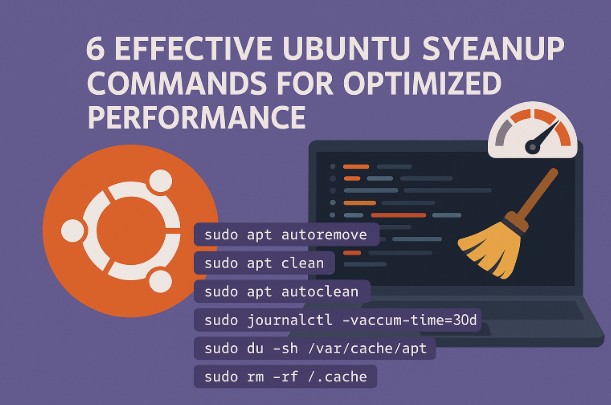
Managing Configurations with Ansible Vault: A Comprehensive Guide

Introduction

In today’s world of DevOps and automation, managing sensitive information securely is more critical than ever. Ansible Vault is an essential tool for securely managing configurations, secrets, and other sensitive data in Ansible playbooks. It allows you to encrypt files, variables, and data, ensuring that they are only accessible to authorized users or systems. Whether you’re working on a small project or scaling up to enterprise-level applications, Ansible Vault is indispensable for maintaining security and integrity in your automation workflows.

In this article, we’ll dive into how to use Ansible Vault, from basic setup to more advanced use cases, and explore best practices to keep your configurations secure.

What is Ansible Vault?

Ansible Vault is a feature of Ansible that enables you to encrypt files and variables within your playbooks. It’s designed to protect sensitive data like passwords, API keys, and other confidential information from being exposed during automation tasks. With Vault, you can securely store and manage secrets, while still being able to use them in your Ansible playbooks.

Unlike other secret management tools, Ansible Vault integrates directly into your Ansible workflow, providing a seamless experience for encrypting and decrypting files as part of your automation process.

Benefits of Using Ansible Vault

Ansible Vault offers several advantages, especially in environments where security is a top priority. Some of the key benefits include:

  • Encryption of sensitive data: Store passwords, certificates, and API keys securely.
  • Seamless integration: Works directly with Ansible playbooks and variables.
  • No additional tools required: You don’t need a separate tool to manage encrypted data.
  • Fine-grained access control: Vault passwords and keys can be stored securely, ensuring that only authorized users can access them.
  • Support for multiple encryption methods: Choose from various encryption standards like AES.

How Does Ansible Vault Work?

Ansible Vault works by encrypting YAML files (such as playbooks, variables, or other configuration files) using a password or an encryption key. These encrypted files can then be safely committed to version control systems (VCS) like Git without exposing sensitive data.

The encryption and decryption process is straightforward, making it simple to integrate into your existing automation workflows. Ansible Vault provides commands to create, edit, view, and encrypt/decrypt files.

Basic Commands for Using Ansible Vault

Here are the basic commands you need to interact with Ansible Vault:

ansible-vault create

Use this command to create a new encrypted file.

ansible-vault create secrets.yml

You will be prompted to enter a password, which will be used to encrypt the file. Once created, you can edit the file as needed.

ansible-vault edit

This command allows you to edit an encrypted file.

ansible-vault edit secrets.yml

Once you provide the password, the file will be decrypted and opened in your default editor.

ansible-vault view

This command lets you view the contents of an encrypted file without editing it.

ansible-vault view secrets.yml

You’ll be prompted to enter the password to decrypt and view the file contents.

ansible-vault encrypt

If you have an unencrypted file that you want to encrypt, you can use the encrypt command:

ansible-vault encrypt plain_text.yml

ansible-vault decrypt

If you need to decrypt a file, use:

ansible-vault decrypt secrets.yml

ansible-playbook --vault-password-file

To run an Ansible playbook that includes encrypted files, you need to provide the vault password or the vault password file:

ansible-playbook --vault-password-file .vault_pass.txt site.yml

Advanced Usage of Ansible Vault

Encrypting Variables in Playbooks

You can also encrypt individual variables in your Ansible playbooks. This is useful for securing sensitive information without needing to encrypt the entire file.

Example:

In your vars.yml file, you might store variables like:

db_password: mySuperSecretPassword

To encrypt this file:

ansible-vault encrypt vars.yml

Now, vars.yml is encrypted, and you can safely include it in your playbook.

In your playbook, reference the encrypted variables as usual:

- hosts: db_servers
  vars_files:
    - vars.yml
  tasks:
    - name: Ensure database is running
      service:
        name: mysql
        state: started

Encrypting Single Values in Playbooks

In some cases, you may only need to encrypt a single value, like a password. For this, Ansible Vault provides the ansible-vault encrypt_string command.

ansible-vault encrypt_string 'mySecretPassword' --name 'db_password'

This command outputs the encrypted string, which you can then paste directly into your playbook or variable file.

Vault ID Support for Multiple Vault Passwords

Ansible Vault supports Vault IDs, allowing you to use multiple vault passwords for different use cases. This is helpful in scenarios where different teams or environments require different levels of access.

Example:

You can specify which vault password to use for a specific file:

ansible-playbook --vault-id vault_password_file@env1 site.yml

Using Ansible Vault in CI/CD Pipelines

Integrating Ansible Vault into your continuous integration/continuous deployment (CI/CD) pipelines ensures that sensitive data remains protected during the automation process. This can be done by securely storing vault passwords in CI/CD tools such as Jenkins, GitLab CI, or GitHub Actions.

Example in GitLab CI:

Store your vault password in a GitLab CI secret and pass it to your Ansible playbook run:

stages:
  - deploy

deploy:
  script:
    - ansible-playbook --vault-password-file <(echo "$VAULT_PASSWORD") site.yml

FAQ Section

How do I store my Ansible Vault password securely?

There are several ways to store your Ansible Vault password securely:

  • Environment variables: Store the password in a secure environment variable.
  • Vault password file: Store the password in a separate file and ensure the file is protected.
  • External secret management tools: Use tools like HashiCorp Vault or AWS Secrets Manager.

Can I use Ansible Vault with external secrets managers?

Yes, Ansible Vault can be integrated with external secrets management solutions. By using an Ansible module like hashi_vault or aws_secret, you can retrieve secrets from a central manager during playbook execution.

What encryption algorithm does Ansible Vault use?

By default, Ansible Vault uses the AES-256 encryption algorithm for securing files. This provides a good balance between security and performance.

How do I handle vault password management in a team environment?

In team environments, it’s best to use a central location for storing vault passwords, such as a secure vault management system or CI/CD tool. You can also utilize Vault ID support to manage different vault passwords for different environments or teams.

External Resources

Conclusion

Ansible Vault is a powerful tool for securing sensitive data in your Ansible automation workflows. From basic file encryption to advanced use cases like vault password management and integration with external systems, Vault ensures that your data remains secure throughout the automation lifecycle. By following best practices and understanding its advanced features, you can confidently manage configurations while keeping sensitive information protected.

By incorporating Ansible Vault into your DevOps practices, you ensure that your automated infrastructure is both efficient and secure, reducing the risks associated with exposure of sensitive data. Thank you for reading the DevopsRoles page!

GitLab vs GitHub for DevOps: Which is Better for Your Development Workflow?

Introduction

In the fast-paced world of DevOps, where Continuous Integration (CI) and Continuous Delivery (CD) are vital for smooth and efficient software development, choosing the right platform for managing code and automating workflows can significantly impact your project’s success. GitLab and GitHub are two of the most popular Git repositories that cater to the needs of modern DevOps teams, but each platform comes with its unique features, strengths, and trade-offs.

In this article, we will dive deep into the GitLab vs GitHub debate, comparing both platforms from a DevOps perspective. Whether you’re just getting started with DevOps or looking to optimize your existing workflows, this guide will help you decide which platform best fits your needs.

GitLab vs GitHub: Key Differences for DevOps

1. Overview of GitLab and GitHub

GitHub is primarily known for its open-source community and widely-used version control hosting service. It started as a platform for developers to collaborate on open-source projects but has since evolved to cater to private repositories and teams. GitHub offers several powerful features, including GitHub Actions for CI/CD, GitHub Packages, and various integrations with third-party tools.

GitLab, on the other hand, is an integrated DevOps platform that provides version control, CI/CD pipelines, monitoring, and security all within a single interface. It’s designed to support the entire software development lifecycle (SDLC) and is often used by teams looking for a more comprehensive, all-in-one solution. GitLab’s built-in CI/CD and robust project management tools set it apart from GitHub, which requires third-party integrations to match some of those capabilities.

2. CI/CD Integration: GitLab vs GitHub

GitLab

GitLab’s most significant advantage in the DevOps space is its built-in CI/CD capabilities. It offers a seamless experience for automating your build, test, and deployment pipelines. GitLab CI/CD allows developers to create complex workflows using .gitlab-ci.yml files, which define the stages of the CI/CD pipeline, from compiling code to running tests and deploying the application.

Key features of GitLab CI/CD:

  • Built-in Continuous Integration: No need for third-party tools.
  • Auto DevOps: GitLab offers an Auto DevOps feature that automates the entire CI/CD pipeline.
  • Advanced security features: Integrated security scanning tools (SAST, DAST, Container Scanning, etc.) built directly into the CI/CD pipelines.
  • Real-time monitoring and reporting: Track the performance of your pipelines and deployments with detailed insights.

GitHub

GitHub also offers CI/CD capabilities, primarily through GitHub Actions, which allows you to define workflows to automate software development tasks, including CI/CD. While GitHub Actions is a powerful tool, it is a relatively new addition compared to GitLab’s long-established CI/CD pipeline. GitHub Actions offers flexibility but requires more configuration and setup.

Key features of GitHub Actions:

  • Customizable workflows: Define your own CI/CD pipelines using YAML files.
  • Extensive marketplace: GitHub Actions has a rich marketplace for pre-built actions that streamline the CI/CD process.
  • Cross-platform support: GitHub Actions works across multiple platforms, including Linux, macOS, and Windows.
  • Third-party integrations: While GitHub Actions is a great tool, it often requires additional integrations for full CI/CD functionality, like security scanning and deployment.

3. Ease of Use: GitLab vs GitHub

GitLab

GitLab is known for its user-friendly interface and highly integrated DevOps tools. The platform focuses on providing everything developers need in a single place. The UI is intuitive, with clearly defined areas for source code management, CI/CD pipelines, issue tracking, and project monitoring.

  • Integrated experience: Everything from version control to deployment and monitoring is handled within the same interface.
  • Robust documentation: GitLab’s documentation is comprehensive and user-friendly, making it easier for teams to adopt and use the platform effectively.
  • Single platform: You don’t need to juggle multiple tools or third-party integrations to manage your workflows.

GitHub

GitHub’s interface is also very user-friendly and is designed to be intuitive for developers familiar with Git version control. It is widely considered the best platform for open-source collaboration, with a simple and efficient interface for managing repositories and issues.

  • Third-party integrations: GitHub’s reliance on external tools and services for advanced DevOps features may make the setup process a bit more complex for teams looking to integrate CI/CD pipelines and other tools.
  • GitHub Actions UI: While it has improved over time, the UI for managing GitHub Actions workflows may still be considered more complex than GitLab’s built-in tools.

4. Project Management Features

Both GitLab and GitHub offer tools to help manage and organize software development projects, but there are key differences in how these tools are implemented.

GitLab

GitLab provides robust project management tools that allow teams to manage tasks, track issues, and organize work in a highly integrated way. Features include:

  • Issue tracking and Kanban boards: For organizing tasks and sprints.
  • Milestones and epics: Plan and track large features or project timelines.
  • Integrated Wiki and Documentation: GitLab allows you to maintain project documentation directly within the platform.

GitHub

While GitHub has made strides in adding project management features, it is still somewhat lacking compared to GitLab. GitHub offers:

  • GitHub Issues and Project Boards: Simple tools for task tracking and sprint management.
  • GitHub Projects: Allows you to use Kanban-style boards for task management, though it’s not as feature-rich as GitLab’s project management tools.

5. Security and Compliance

GitLab

GitLab has a comprehensive security-first approach that integrates security checks into the CI/CD pipeline. This includes:

  • Static Application Security Testing (SAST) and Dynamic Application Security Testing (DAST) to identify vulnerabilities early.
  • Container Scanning for Docker images to ensure they meet security standards.
  • Secret Detection to scan for sensitive data like API keys or passwords in the codebase.
  • Compliance Management: GitLab helps teams adhere to industry compliance standards such as HIPAA, SOC 2, and GDPR.

GitHub

GitHub also offers security features but generally requires third-party integrations for some of the advanced security checks.

  • GitHub Dependabot: Automatically alerts you to outdated dependencies and potential vulnerabilities.
  • Security Advisories: Allows teams to report and fix security vulnerabilities.
  • Code scanning: Available through GitHub Advanced Security, but this is a premium feature.

6. Pricing Comparison: GitLab vs GitHub

Both GitLab and GitHub offer free and paid tiers, but the specifics of each platform’s pricing structure vary.

GitLab

  • Free tier: Includes unlimited private repositories, basic CI/CD features, and 400 minutes of CI/CD pipeline usage per month.
  • Premium/Ultimate plans: Offer more advanced CI/CD features, security tools, and better support for larger teams.

GitHub

  • Free tier: Unlimited public and private repositories, with 2,000 CI/CD minutes per month.
  • GitHub Team/Enterprise: Includes more CI/CD minutes, advanced security features, and team management tools.

Examples of Using GitLab vs GitHub in DevOps

Scenario 1: Setting Up a Basic CI/CD Pipeline

In GitLab, you can set up a simple CI/CD pipeline in minutes. Here’s an example of a basic .gitlab-ci.yml file:

stages:
  - build
  - test
  - deploy

build:
  script:
    - echo "Building the project..."

test:
  script:
    - echo "Running tests..."

deploy:
  script:
    - echo "Deploying to production..."

In GitHub, this would require setting up GitHub Actions in the .github/workflows directory:

name: CI/CD Pipeline

on:
  push:
    branches:
      - main

jobs:
  build:
    runs-on: ubuntu-latest
    steps:
      - name: Checkout repository
        uses: actions/checkout@v2
      - name: Build
        run: echo "Building the project..."
  test:
    runs-on: ubuntu-latest
    steps:
      - name: Test
        run: echo "Running tests..."
  deploy:
    runs-on: ubuntu-latest
    steps:
      - name: Deploy
        run: echo "Deploying to production..."

Scenario 2: Security Scanning in CI/CD

GitLab provides integrated security scanning directly in the pipeline with features like SAST, DAST, and Container Scanning. To implement security scans, you simply enable these tools in your pipeline configuration.

GitHub users, on the other hand, may need to configure third-party security tools or use GitHub’s advanced security features, available in paid tiers.

FAQ: GitLab vs GitHub for DevOps

1. Which platform is better for Continuous Integration?

Both GitLab and GitHub offer solid CI/CD support, but GitLab’s built-in CI/CD tools provide a more streamlined and integrated experience, making it a better choice for teams focused on DevOps.

2. Does GitHub support DevOps?

Yes, GitHub supports DevOps through GitHub Actions, but it often requires additional integrations or third-party tools to match GitLab’s all-in-one DevOps features.

3. Which platform is more suitable for enterprise use?

GitLab’s comprehensive suite of features for security, monitoring, and project management makes it a better choice for enterprise-level DevOps workflows. GitHub is more commonly used for open-source projects but can be scaled for enterprise use with GitHub Enterprise.

Conclusion

When it comes to GitLab vs GitHub for DevOps, both platforms offer valuable tools for modern software development. However, the choice between GitLab and GitHub largely depends on your team’s needs.

  • GitLab is the ideal choice for teams that require an integrated DevOps platform with built-in CI/CD pipelines, security scanning, and project management features.
  • GitHub remains a solid choice for developers who prioritize ease of use and community-driven development but may need third-party tools for full DevOps functionality.

Ultimately, the best platform for your DevOps needs depends on the complexity of your workflows, your security requirements, and the tools your team already uses. Consider these factors carefully to make an informed decision that aligns with your development goals. Thank you for reading the DevopsRoles page!
Learn more about GitLab CI/CD Explore GitHub Actions documentation

A Comprehensive Guide to Using Terraform Infra for Seamless Infrastructure Management

Introduction: Understanding Terraform Infra and Its Applications

In today’s fast-paced technological world, managing and provisioning infrastructure efficiently is crucial for businesses to stay competitive. Terraform, an open-source tool created by HashiCorp, has emerged as a key player in this domain. By utilizing “terraform infra,” developers and system administrators can automate the process of setting up, managing, and scaling infrastructure on multiple cloud platforms.

Terraform Infra, short for “Terraform Infrastructure,” provides users with an easy way to codify and manage their infrastructure in a version-controlled environment, enhancing flexibility, efficiency, and consistency. In this article, we will explore what Terraform Infra is, its key features, how it can be implemented in real-world scenarios, and answer some common questions regarding its usage.

What is Terraform Infra?

The Basics of Terraform

Terraform is a tool that allows users to define and provision infrastructure using declarative configuration files. Instead of manually setting up resources like virtual machines, databases, and networks, you write code that specifies the desired state of the infrastructure. Terraform then interacts with your cloud provider’s APIs to ensure the resources match the desired state.

Key Components of Terraform Infra

Terraform’s core infrastructure components include:

  • Providers: These are responsible for interacting with cloud services like AWS, Azure, GCP, and others.
  • Resources: Define what you are creating or managing (e.g., virtual machines, load balancers).
  • Modules: Reusable configurations that help you structure your infrastructure code in a more modular way.
  • State: Terraform keeps track of your infrastructure’s current state in a file, which is key to identifying what needs to be modified.

Benefits of Using Terraform for Infrastructure

  • Declarative Language: Terraform’s configuration files are written in HashiCorp Configuration Language (HCL), making them easy to read and understand.
  • Multi-Cloud Support: Terraform works with multiple cloud providers, giving you the flexibility to choose the best provider for your needs.
  • Version Control: Infrastructure code is version-controlled, making it easier to track changes and collaborate with teams.
  • Scalability: Terraform can manage large-scale infrastructure, enabling businesses to grow without worrying about manual provisioning.

Setting Up Terraform Infra

1. Installing Terraform

Before you start using Terraform, you’ll need to install it on your system. Terraform supports Windows, macOS, and Linux operating systems. You can download the latest version from the official Terraform website.

# On macOS
brew install terraform

# On Ubuntu
sudo apt-get update && sudo apt-get install -y terraform

2. Creating Your First Terraform Configuration

Once installed, you can start by writing a basic configuration file to manage infrastructure. Below is an example of a simple configuration file that provisions an AWS EC2 instance:

provider "aws" {
  region = "us-west-2"
}

resource "aws_instance" "example" {
  ami           = "ami-0c55b159cbfafe1f0"
  instance_type = "t2.micro"
}

3. Initializing Terraform

After creating your configuration file, you’ll need to initialize the Terraform environment by running:

terraform init

This command downloads the necessary provider plugins and prepares the environment.

4. Plan and Apply Changes

Terraform uses a two-step approach to manage infrastructure: terraform plan and terraform apply.

  • terraform plan: This command shows you what changes Terraform will make to your infrastructure.
terraform plan
  • terraform apply: This command applies the changes to the infrastructure.
terraform apply

5. Managing Infrastructure State

Terraform uses a state file to track your infrastructure’s current state. It’s important to keep the state file secure, as it contains sensitive information.

You can also use remote state backends like AWS S3 or Terraform Cloud to store the state file securely.

terraform {
  backend "s3" {
    bucket = "my-terraform-state"
    key    = "global/s3/terraform.tfstate"
    region = "us-west-2"
  }
}

Advanced Terraform Infra Examples

Automating Multi-Tier Applications

Terraform can be used to automate complex, multi-tier applications. Consider a scenario where you need to create a web application that uses a load balancer, EC2 instances, and an RDS database.

provider "aws" {
  region = "us-west-2"
}

resource "aws_lb" "example" {
  name               = "example-lb"
  internal           = false
  load_balancer_type = "application"
  security_groups   = ["sg-123456"]
  subnets           = ["subnet-6789"]
}

resource "aws_instance" "web" {
  ami           = "ami-0c55b159cbfafe1f0"
  instance_type = "t2.micro"
  count         = 3
  user_data     = <<-EOF
                  #!/bin/bash
                  sudo apt update
                  sudo apt install -y nginx
                  EOF
}

resource "aws_db_instance" "example" {
  allocated_storage = 10
  engine            = "mysql"
  instance_class    = "db.t2.micro"
  name              = "mydb"
  username          = "admin"
  password          = "password"
  parameter_group_name = "default.mysql8.0"
}

Using Terraform Modules for Reusability

Modules are a powerful feature of Terraform that allows you to reuse and share infrastructure configurations. A typical module might contain resources for setting up a network, security group, or database cluster.

For example, the following module creates a reusable EC2 instance:

module "ec2_instance" {
  source        = "./modules/ec2_instance"
  instance_type = "t2.micro"
  ami_id        = "ami-0c55b159cbfafe1f0"
}

Common Questions About Terraform Infra

What is the purpose of Terraform’s state file?

The state file is used by Terraform to track the current configuration of your infrastructure. It maps the configuration files to the actual resources in the cloud, ensuring that Terraform knows what needs to be added, modified, or removed.

How does Terraform handle multi-cloud deployments?

Terraform supports multiple cloud providers and allows you to manage resources across different clouds. You can specify different providers in the configuration and deploy infrastructure in a hybrid or multi-cloud environment.

Can Terraform manage non-cloud infrastructure?

Yes, Terraform can also manage on-premise resources, such as virtual machines, physical servers, and networking equipment, using compatible providers.

What is a Terraform provider?

A provider is a plugin that allows Terraform to interact with various cloud services, APIs, or platforms. Common providers include AWS, Azure, Google Cloud, and VMware.

Conclusion: Key Takeaways

Terraform Infra is an invaluable tool for modern infrastructure management. By codifying infrastructure and using Terraform’s rich set of features, businesses can automate, scale, and manage their cloud resources efficiently. Whether you are managing a small project or a complex multi-cloud setup, Terraform provides the flexibility and power you need.

From its ability to provision infrastructure automatically to its support for multi-cloud environments, Terraform is transforming how infrastructure is managed today. Whether you’re a beginner or an experienced professional, leveraging Terraform’s capabilities will help you streamline your operations, ensure consistency, and improve the scalability of your infrastructure.

External Links

By using Terraform Infra effectively, businesses can achieve greater agility and maintain a more reliable and predictable infrastructure environment. Thank you for reading the DevopsRoles page!