Tag Archives: DevOps

Terraform Multi Cloud: Simplify Your Cloud Management Across Multiple Providers

Introduction: What is Terraform Multi Cloud?

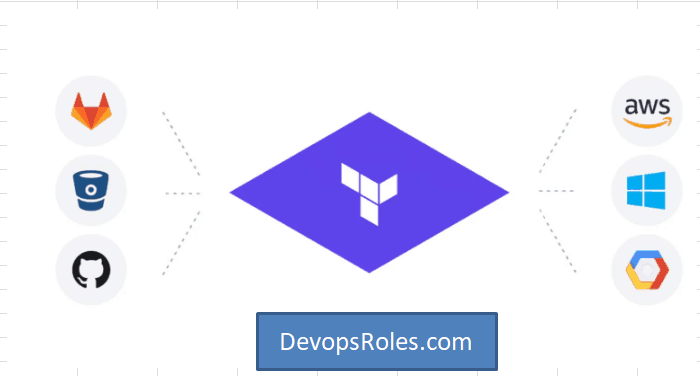
In the modern era of cloud computing, businesses are increasingly adopting a multi-cloud approach to maximize flexibility, improve performance, and optimize costs. Terraform, an open-source infrastructure-as-code (IaC) tool, has emerged as a powerful solution for managing resources across multiple cloud platforms. By utilizing Terraform Multi Cloud, users can easily define, provision, and manage infrastructure across various cloud providers like AWS, Azure, Google Cloud, and others in a unified manner.

In this guide, we will explore the concept of Terraform Multi Cloud, its advantages, use cases, and best practices for implementing it. Whether you’re managing workloads in multiple cloud environments or planning a hybrid infrastructure, Terraform provides a seamless way to automate and orchestrate your cloud resources.

Why Choose Terraform for Multi-Cloud Environments?

Terraform’s ability to integrate with a wide range of cloud platforms and services makes it an ideal tool for managing multi-cloud infrastructures. Below are some compelling reasons why Terraform is a popular choice for multi-cloud environments:

1. Vendor-Agnostic Infrastructure Management

  • Terraform enables users to work with multiple cloud providers (AWS, Azure, GCP, etc.) using a single configuration language.
  • This flexibility ensures that businesses are not locked into a single vendor, enabling better pricing and service selection.

2. Unified Automation

  • Terraform allows you to define infrastructure using configuration files (HCL – HashiCorp Configuration Language), making it easier to automate provisioning and configuration across various clouds.
  • You can create a multi-cloud deployment pipeline, simplifying operational overhead.

3. Cost Optimization

  • With Terraform, managing resources across multiple clouds helps you take advantage of the best pricing and resource allocation from each provider.
  • Terraform’s capabilities in managing resources at scale can result in reduced operational costs.

4. Disaster Recovery and Fault Tolerance

  • By spreading workloads across multiple clouds, you can enhance the fault tolerance of your infrastructure. If one provider experiences issues, you can ensure business continuity by failing over to another cloud.

Key Concepts of Terraform Multi Cloud

Before diving into Terraform’s multi-cloud capabilities, it’s essential to understand the foundational concepts that drive its functionality.

Providers and Provider Blocks

In Terraform, a provider is a plugin that allows Terraform to interact with a cloud service (e.g., AWS, Azure, Google Cloud). For a multi-cloud setup, you’ll define multiple provider blocks for each cloud provider you wish to interact with.

Example: Defining AWS and Azure Providers in Terraform

# AWS Provider
provider "aws" {
  region = "us-east-1"
}

# Azure Provider
provider "azurerm" {
  features {}
}

Resources

A resource in Terraform represents a component of your infrastructure (e.g., an EC2 instance, a storage bucket, or a virtual machine). You can define resources from multiple cloud providers within a single Terraform configuration.

Example: Defining Resources for Multiple Clouds

# AWS EC2 Instance
resource "aws_instance" "web" {
  ami           = "ami-0c55b159cbfafe1f0"
  instance_type = "t2.micro"
}

# Azure Virtual Machine
resource "azurerm_virtual_machine" "example" {
  name                = "example-vm"
  location            = "East US"
  resource_group_name = azurerm_resource_group.example.name
  network_interface_ids = [
    azurerm_network_interface.example.id,
  ]
  vm_size             = "Standard_F2"
}

Backends and State Management

Terraform uses state files to track the resources it manages. In a multi-cloud environment, it’s crucial to use remote backends (e.g., AWS S3, Azure Storage) for state management to ensure consistency and collaboration.

Terraform Multi Cloud Use Cases

Now that we understand the basics of Terraform multi-cloud setups, let’s explore some common use cases where it provides significant benefits.

1. Hybrid Cloud Deployment

Organizations that require both on-premise infrastructure and cloud services can use Terraform to define and manage resources across both environments. A hybrid cloud deployment allows businesses to maintain sensitive workloads on-premises while taking advantage of the cloud for scalability.

2. Disaster Recovery Strategy

By distributing workloads across multiple cloud providers, companies can ensure that their infrastructure remains highly available even in the event of a failure. For example, if AWS faces a downtime, workloads can be shifted to Azure or Google Cloud, minimizing the risk of outages.

3. Optimizing Cloud Spend

By utilizing multiple cloud platforms, you can select the best-priced services and optimize costs. For instance, you can run cost-heavy workloads on Google Cloud and lightweight tasks on AWS, based on pricing models and performance benchmarks.

4. Regulatory Compliance

Certain industries require that data be hosted in specific geographic locations or meet certain security standards. Terraform enables organizations to provision resources in various regions and across multiple clouds to comply with these regulations.

Example: Implementing Terraform Multi Cloud

Let’s walk through an example of using Terraform to provision resources in both AWS and Google Cloud.

Step 1: Set Up Terraform Providers

Define the providers for both AWS and Google Cloud in your Terraform configuration file.

provider "aws" {
  access_key = "your-access-key"
  secret_key = "your-secret-key"
  region     = "us-west-2"
}

provider "google" {
  project     = "your-project-id"
  region      = "us-central1"
  credentials = file("path/to/your/credentials.json")
}

Step 2: Define Resources

Here, we will define an AWS EC2 instance and a Google Cloud Storage bucket.

# AWS EC2 Instance
resource "aws_instance" "my_instance" {
  ami           = "ami-123456"
  instance_type = "t2.micro"
}

# Google Cloud Storage Bucket
resource "google_storage_bucket" "my_bucket" {
  name     = "my-unique-bucket-name"
  location = "US"
}

Step 3: Apply Configuration

Run Terraform commands to apply your configuration.

terraform init  # Initialize the configuration
terraform plan  # Preview the changes
terraform apply # Apply the configuration

This will create both the EC2 instance in AWS and the storage bucket in Google Cloud.

Terraform Multi Cloud Best Practices

To ensure success when managing resources across multiple clouds, it’s essential to follow best practices.

1. Use Modules for Reusability

Define reusable Terraform modules for common infrastructure components like networks, storage, or compute resources. This reduces duplication and promotes consistency across multiple cloud platforms.

2. Implement Infrastructure as Code (IaC)

By using Terraform, ensure that all infrastructure changes are tracked in version control systems (e.g., Git). This approach improves traceability and collaboration among teams.

3. Automate with CI/CD Pipelines

Integrate Terraform into your continuous integration/continuous deployment (CI/CD) pipeline. This allows you to automate provisioning, making your infrastructure deployments repeatable and consistent.

4. Use Remote State Backends

Store your Terraform state files remotely (e.g., in AWS S3 or Azure Blob Storage) to ensure state consistency and enable collaboration.

Frequently Asked Questions (FAQ)

1. What is Terraform Multi Cloud?

Terraform Multi Cloud refers to using Terraform to manage infrastructure across multiple cloud providers (e.g., AWS, Azure, Google Cloud) from a single configuration. It simplifies cloud management, increases flexibility, and reduces vendor lock-in.

2. Can I use Terraform with any cloud provider?

Yes, Terraform supports numerous cloud providers, including AWS, Azure, Google Cloud, Oracle Cloud, and more. The multi-cloud functionality comes from defining and managing resources across different providers in the same configuration.

3. What are the benefits of using Terraform for multi-cloud?

Terraform provides a unified interface for managing resources across various clouds, making it easier to automate infrastructure, improve flexibility, and optimize costs. It also reduces complexity and prevents vendor lock-in.

Conclusion

Terraform Multi Cloud enables businesses to manage infrastructure across different cloud platforms with ease. By using Terraform’s provider blocks, defining resources, and leveraging automation tools, you can create flexible, cost-effective, and resilient cloud architectures. Whether you’re building a hybrid cloud infrastructure, optimizing cloud costs, or ensuring business continuity, Terraform is a valuable tool in the multi-cloud world.

For more information on how to get started with Terraform, check out the official Terraform documentation. Thank you for reading the DevopsRoles page!

Mastering Terraform EKS Automode: A Comprehensive Guide

Introduction

In the world of cloud infrastructure, managing Kubernetes clusters efficiently is crucial for smooth operations and scaling. One powerful tool that simplifies this process is Terraform, an open-source infrastructure as code software. When integrated with Amazon Elastic Kubernetes Service (EKS), Terraform helps automate the creation, configuration, and management of Kubernetes clusters, making it easier to deploy applications at scale.

In this guide, we’ll focus on one specific feature: Terraform EKS Automode. This feature allows for automatic management of certain aspects of an EKS cluster, optimizing workflows and reducing manual intervention. Whether you’re a beginner or an experienced user, this article will walk you through the benefits, setup process, and examples of using Terraform to manage your EKS clusters in automode.

What is Terraform EKS Automode?

Before diving into its usage, let’s define Terraform EKS Automode. Automode is a feature within the Terraform EKS module that allows you to automate various configurations within the EKS service, such as node group management, VPC configuration, and the integration of other AWS resources like IAM roles and security groups.

By leveraging this feature, users can reduce the complexity of managing EKS clusters manually. It helps you automate the creation of EKS clusters and ensures that node groups are automatically set up based on your defined requirements. Terraform automates these tasks, reducing errors and improving the efficiency of your deployment pipeline.

Benefits of Using Terraform EKS Automode

1. Simplified Cluster Management

Automating the management of your EKS clusters ensures that all the resources are properly configured without the need for manual intervention. Terraform’s EKS automode integrates directly with AWS APIs to handle tasks like VPC setup, node group creation, and IAM role assignments.

2. Scalability

Terraform’s automode feature helps with scaling your EKS clusters based on resource demand. You can easily define the node group sizes and other configurations to handle traffic spikes and scale down when demand decreases.

3. Version Control and Reusability

Terraform allows you to store your infrastructure code in version control systems like GitHub, making it easy to manage and reuse across different environments or teams.

4. Cost Efficiency

By automating cluster management and scaling, you ensure that you are using resources optimally, which helps reduce over-provisioning and unnecessary costs.

How to Set Up Terraform EKS Automode

To start using Terraform EKS Automode, you’ll first need to set up a few prerequisites:

Prerequisites:

  • Terraform: Installed and configured on your local machine or CI/CD pipeline.
  • AWS CLI: Configured with necessary permissions.
  • AWS Account: An active AWS account with appropriate IAM permissions for managing EKS, EC2, and other AWS resources.
  • Kubernetes CLI (kubectl): Installed to interact with the EKS cluster.

Step-by-Step Setup Guide

1. Define Terraform Provider

In your Terraform configuration file, begin by defining the AWS provider:

provider "aws" {
  region = "us-west-2"
}

2. Create EKS Cluster Resource

Next, define the eks_cluster resource in your Terraform configuration:

resource "aws_eks_cluster" "example" {
  name     = "example-cluster"
  role_arn = aws_iam_role.eks_cluster_role.arn

  vpc_config {
    subnet_ids = aws_subnet.example.*.id
  }

  # Enable EKS Automode
  enable_configure_automode = true
}

The enable_configure_automode argument enables Automode, which will help with the automatic setup of node groups, networking, and other essential configurations.

3. Define Node Groups

The next step is to define node groups that Terraform will automatically manage. A node group is a group of EC2 instances that run the Kubernetes workloads. You can use aws_eks_node_group to manage this.

resource "aws_eks_node_group" "example" {
  cluster_name    = aws_eks_cluster.example.name
  node_group_name = "example-node-group"
  node_role_arn   = aws_iam_role.eks_node_role.arn
  subnet_ids      = aws_subnet.example.*.id

  scaling_config {
    desired_size = 2
    min_size     = 1
    max_size     = 3
  }

  # Automatically configure with EKS Automode
  enable_auto_scaling = true
}

Here, enable_auto_scaling enables the automatic scaling of node groups based on resource utilization, a key feature in EKS Automode.

4. Apply the Terraform Configuration

Once your Terraform configuration is set up, run the following commands to apply the changes:

terraform init
terraform apply

This will create the EKS cluster and automatically configure the node groups and other related resources.

Example 1: Basic Terraform EKS Automode Setup

To give you a better understanding, here’s a simple example of a full Terraform script that automates the creation of an EKS cluster, a node group, and required networking components:

provider "aws" {
  region = "us-west-2"
}

resource "aws_vpc" "example" {
  cidr_block = "10.0.0.0/16"
}

resource "aws_subnet" "example" {
  vpc_id            = aws_vpc.example.id
  cidr_block        = "10.0.1.0/24"
  availability_zone = "us-west-2a"
}

resource "aws_iam_role" "eks_cluster_role" {
  assume_role_policy = jsonencode({
    Version = "2012-10-17"
    Statement = [
      {
        Action    = "sts:AssumeRole"
        Principal = {
          Service = "eks.amazonaws.com"
        }
        Effect    = "Allow"
        Sid       = ""
      },
    ]
  })
}

resource "aws_eks_cluster" "example" {
  name     = "example-cluster"
  role_arn = aws_iam_role.eks_cluster_role.arn

  vpc_config {
    subnet_ids = [aws_subnet.example.id]
  }

  enable_configure_automode = true
}

This script automatically creates a basic EKS cluster along with the necessary networking setup.

Advanced Scenarios for Terraform EKS Automode

Automating Multi-Region Deployments

Terraform EKS Automode can also help automate cluster deployments across multiple regions. This involves setting up different configurations for each region and using Terraform modules to manage the complexity.

Integrating with CI/CD Pipelines

You can integrate Terraform EKS Automode into your CI/CD pipeline for continuous delivery. By automating the deployment of EKS clusters, you can reduce human error and ensure that every new environment follows the same configuration standards.

FAQs About Terraform EKS Automode

1. What is EKS Automode?

EKS Automode is a feature in Terraform that automates the creation and management of Amazon EKS clusters, including node group creation, VPC configuration, and scaling.

2. How do I enable Terraform EKS Automode?

To enable Automode, use the enable_configure_automode parameter in the aws_eks_cluster resource definition.

3. Can Terraform EKS Automode help with auto-scaling?

Yes, Automode enables automatic scaling of node groups based on defined criteria such as resource utilization, ensuring that your cluster adapts to workload changes without manual intervention.

4. Do I need to configure anything manually with Automode?

While Automode automates most of the tasks, you may need to define some basic configurations such as VPC setup, IAM roles, and node group parameters based on your specific requirements.

External Links

Conclusion

In this guide, we’ve explored how to use Terraform EKS Automode to simplify the creation and management of Amazon EKS clusters. By automating key components like node groups and VPC configurations, Terraform helps reduce complexity, scale resources efficiently, and optimize costs.

With Terraform’s EKS Automode, you can focus more on your application deployments and less on managing infrastructure, knowing that your Kubernetes clusters are being managed efficiently in the background. Thank you for reading the DevopsRoles page!

Kubernetes Helm Chart Tutorial: A Comprehensive Guide to Managing Kubernetes Applications

Introduction

Kubernetes has become the de facto standard for container orchestration, and with its robust features, it enables developers and DevOps teams to manage and scale containerized applications seamlessly. However, managing Kubernetes resources directly can become cumbersome as applications grow in complexity. This is where Helm Chart Tutorial come into play. Helm, the package manager for Kubernetes, simplifies deploying and managing applications by allowing you to define, install, and upgrade Kubernetes applications with ease.

In this tutorial, we’ll dive deep into using Helm charts, covering everything from installation to creating your own custom charts. Whether you’re a beginner or an experienced Kubernetes user, this guide will help you master Helm to improve the efficiency and scalability of your applications.

What is Helm?

Helm is a package manager for Kubernetes that allows you to define, install, and upgrade applications and services on Kubernetes clusters. It uses a packaging format called Helm charts, which are collections of pre-configured Kubernetes resources such as deployments, services, and config maps.

With Helm, you can automate the process of deploying complex applications, manage dependencies, and configure Kubernetes resources through simple YAML files. Helm helps streamline the entire process of Kubernetes application deployment, making it easier to manage and scale applications in production environments.

How Helm Works

Helm operates by packaging Kubernetes resources into charts, which are collections of files that describe a related set of Kubernetes resources. Helm charts make it easier to deploy and manage applications by:

  • Bundling Kubernetes resources into a single package.
  • Versioning applications so that you can upgrade, rollback, or re-deploy applications as needed.
  • Enabling dependency management, allowing you to install multiple applications with shared dependencies.

Helm charts consist of several key components:

  1. Chart.yaml: Metadata about the Helm chart, such as the chart’s name, version, and description.
  2. Templates: Kubernetes resource templates written in YAML that define the Kubernetes objects.
  3. Values.yaml: Default configuration values that can be customized during chart installation.
  4. Charts/Dependencies: Any other charts that are required as dependencies.

Installing Helm

Before you can use Helm charts, you need to install Helm on your local machine or CI/CD environment. Helm supports Linux, macOS, and Windows operating systems. Here’s how you can install Helm:

1. Install Helm on Linux/MacOS/Windows

  • Linux:
    You can install Helm using a package manager such as apt or snap. Alternatively, download the latest release from the official Helm GitHub page.
    • curl https://get.helm.sh/helm-v3.9.0-linux-amd64.tar.gz -o helm.tar.gz
    • tar -zxvf helm.tar.gz
    • sudo mv linux-amd64/helm /usr/local/bin/helm
  • MacOS:
    The easiest way to install Helm on MacOS is using brew:
    • brew install helm
  • Windows:
    For Windows users, you can install Helm via Chocolatey:
    • choco install kubernetes-helm

2. Verify Helm Installation

Once installed, verify that Helm is correctly installed by running the following command:

helm version

You should see the version information for Helm.

Installing and Using Helm Charts

Now that Helm is installed, let’s dive into how you can install a Helm chart and manage your applications.

Step 1: Adding Helm Repositories

Helm repositories store charts that you can install into your Kubernetes cluster. The default Helm repository is Helm Hub, but you can add other repositories for more chart options. To add a repository:

helm repo add stable https://charts.helm.sh/stable
helm repo update

Step 2: Installing a Helm Chart

To install a chart, use the helm install command followed by a release name and chart name:

helm install my-release stable/mysql

This command installs the MySQL Helm chart from the stable repository and names the release my-release.

Step 3: Customizing Helm Chart Values

When installing a chart, you can override the default values specified in the values.yaml file by providing your own configuration file or using the --set flag:

helm install my-release stable/mysql --set mysqlRootPassword=my-secret-password

This command sets the MySQL root password to my-secret-password.

Advanced Usage: Creating Custom Helm Charts

While using pre-existing Helm charts is a common approach, sometimes you may need to create your own custom charts for your applications. Here’s a simple guide to creating a custom Helm chart:

Step 1: Create a Helm Chart

To create a new Helm chart, use the helm create command:

helm create my-chart

This creates a directory structure for your Helm chart, including default templates and values files.

Step 2: Customize Your Templates

Edit the templates in the my-chart/templates directory to define the Kubernetes resources you need. For example, you could define a deployment.yaml file for deploying your app.

Step 3: Update the Values.yaml

The values.yaml file is where you define default values for your chart. For example, you can define application-specific configuration here, such as image tags or resource limits.

image:
  repository: myapp
  tag: "1.0.0"

Step 4: Install the Custom Chart

Once you’ve customized your Helm chart, install it using the helm install command:

helm install my-release ./my-chart

This will deploy your application to your Kubernetes cluster using the custom Helm chart.

Managing Helm Releases

After deploying an application with Helm, you can manage the release in various ways, including upgrading, rolling back, and uninstalling.

Upgrade a Helm Release

To upgrade an existing release to a new version, use the helm upgrade command:

helm upgrade my-release stable/mysql --set mysqlRootPassword=new-secret-password

Rollback a Helm Release

If you need to revert to a previous version of your application, use the helm rollback command:

helm rollback my-release 1

This will rollback the release to revision 1.

Uninstall a Helm Release

To uninstall a Helm release, use the helm uninstall command:

helm uninstall my-release

This will delete the resources associated with the release.

FAQ Section: Kubernetes Helm Chart Tutorial

1. What is the difference between Helm and Kubernetes?

Helm is a tool that helps you manage Kubernetes applications by packaging them into charts. Kubernetes is the container orchestration platform that provides the environment for running containerized applications.

2. How do Helm charts improve Kubernetes management?

Helm charts provide an easier way to deploy, manage, and upgrade applications on Kubernetes. They allow you to define reusable templates for Kubernetes resources, making the process of managing applications simpler and more efficient.

3. Can I use Helm for multiple Kubernetes clusters?

Yes, you can use Helm across multiple Kubernetes clusters. You can configure Helm to point to different clusters and manage applications on each one.

4. Are there any limitations to using Helm charts?

While Helm charts simplify the deployment process, they can sometimes obscure the underlying Kubernetes configurations. Users should still have a good understanding of Kubernetes resources to effectively troubleshoot and customize their applications.

Conclusion

Helm charts are an essential tool for managing applications in Kubernetes, making it easier to deploy, scale, and maintain complex applications. Whether you’re using pre-packaged charts or creating your own custom charts, Helm simplifies the entire process. In this tutorial, we’ve covered the basics of Helm installation, usage, and advanced scenarios to help you make the most of this powerful tool.

For more detailed information on Helm charts, check out the official Helm documentation. With Helm, you can enhance your Kubernetes experience and improve the efficiency of your workflows. Thank you for reading the DevopsRoles page!
Dockerfile Best Practices: A Comprehensive Guide to Efficient Containerization

Introduction: Understanding Dockerfile Best Practices

Docker is a powerful tool that has revolutionized the way developers build, ship, and run applications. At the core of Docker’s success is the Dockerfile-a script that contains a series of instructions on how to build a Docker image. Dockerfiles enable developers to automate the process of containerizing applications, ensuring consistency across environments, and reducing the complexities of deployment.

However, creating efficient and optimized Dockerfiles is crucial to maintain performance, reduce image size, and simplify maintenance. This article explores Dockerfile best practices that will help you write cleaner, more efficient, and production-ready Dockerfiles. Whether you’re a beginner or an experienced developer, following these practices will improve your Docker workflows.

Dockerfile Best Practices: Key Principles

1. Start with a Minimal Base Image

Why It Matters

Choosing the right base image is one of the most important decisions when writing a Dockerfile. A smaller base image leads to smaller Docker images, which means faster builds, less disk space consumption, and quicker deployments.

Best Practice

Start with minimal images like alpine (which is based on Alpine Linux) or debian:slim for lightweight applications. Only add dependencies that are absolutely necessary for your application to run.

FROM node:16-alpine

By using alpine, you benefit from a small image size (around 5 MB), which speeds up your build time and reduces security risks.

2. Leverage Multi-Stage Builds

Why It Matters

Multi-stage builds help reduce the final image size by allowing you to separate the build and runtime environments. This is particularly useful when your application requires build tools or development dependencies that aren’t necessary for production.

Best Practice

Use one stage to build your application and another to create the production-ready image. Here’s an example of a multi-stage Dockerfile for a Node.js application:

# Build stage
FROM node:16-alpine AS build

WORKDIR /app
COPY . .
RUN npm install
RUN npm run build

# Production stage
FROM node:16-alpine

WORKDIR /app
COPY --from=build /app/build /app
RUN npm install --only=production

CMD ["npm", "start"]

This approach helps ensure that your final image only contains what’s necessary for running the application, not the build tools.

3. Minimize the Number of Layers

Why It Matters

Each Dockerfile instruction (e.g., RUN, COPY, ADD) creates a new layer in the Docker image. Too many layers can lead to slower builds and larger images. Combining related commands into a single RUN statement can help reduce the number of layers.

Best Practice

Use the && operator to chain multiple commands into one RUN statement. For example:

RUN apt-get update && apt-get install -y \
    curl \
    git \
    vim

This minimizes the number of layers and reduces the overall image size.

4. Avoid Installing Unnecessary Packages

Why It Matters

Every package you install adds to the image size and can potentially introduce security vulnerabilities. It’s essential to keep your images lean by installing only the necessary dependencies.

Best Practice

Audit your dependencies and make sure you’re only installing what’s required. For example, when installing build dependencies, do so temporarily in a separate build stage, and remove them in the final stage.

FROM python:3.9-slim AS build
WORKDIR /app
COPY . .
RUN apt-get update && apt-get install -y build-essential && pip install -r requirements.txt

# Production stage: removing build dependencies
FROM python:3.9-slim
COPY --from=build /app /app
RUN apt-get remove --purge -y build-essential

This practice ensures that you’re not carrying around unnecessary build tools in the final image.

5. Use .dockerignore Files

Why It Matters

A .dockerignore file helps prevent unnecessary files from being added to the Docker image, which can drastically reduce the build time and image size. For example, you might want to exclude .git directories, test files, or documentation.

Best Practice

Create a .dockerignore file to specify which files and directories should not be included in the build context. A typical .dockerignore might look like this:

.git
node_modules
*.log
Dockerfile*

This file ensures that irrelevant files don’t get added to the image, speeding up the build process and improving the image size.

6. Optimize Caching and Layer Reusability

Why It Matters

Docker caches layers during builds, so if a layer hasn’t changed, Docker can reuse it in subsequent builds. This can dramatically speed up the build process. It’s essential to structure your Dockerfile in a way that maximizes the use of cache.

Best Practice

Place instructions that are least likely to change at the top of the Dockerfile. For example, dependencies like apt-get install or npm install should appear before copying the source code to make use of caching efficiently.

# Add dependencies first for caching benefits
FROM node:16-alpine
WORKDIR /app
COPY package.json package-lock.json ./
RUN npm install

# Then add the rest of the application files
COPY . .

This ensures that dependencies are installed only if the package.json or package-lock.json changes, not every time you change a single line of code.

Examples of Dockerfile Best Practices in Action

Example 1: Optimizing a Python Application

Here’s an example of an optimized Dockerfile for a Python application using best practices:

# Build stage
FROM python:3.9-slim AS build
WORKDIR /app
COPY . .
RUN pip install --upgrade pip && pip install -r requirements.txt

# Final stage
FROM python:3.9-slim
WORKDIR /app
COPY --from=build /app /app
RUN apt-get update && apt-get install -y --no-install-recommends libpq-dev && rm -rf /var/lib/apt/lists/*
CMD ["python", "app.py"]

This Dockerfile uses multi-stage builds, minimizes dependencies, and removes unnecessary package files to ensure a clean, efficient production image.

Example 2: Optimizing a Node.js Application

# Stage 1: Build
FROM node:16-alpine AS build
WORKDIR /app
COPY package.json package-lock.json ./
RUN npm install

# Stage 2: Production
FROM node:16-alpine
WORKDIR /app
COPY --from=build /app /app
COPY . .
CMD ["npm", "start"]

This example demonstrates a simple two-stage Dockerfile, with only the essential dependencies included in the final image.

Frequently Asked Questions (FAQ)

What is the difference between RUN and CMD in a Dockerfile?

  • RUN: Executes commands during the build process and creates a new image layer.
  • CMD: Defines the default command to run when the container starts. If a command is provided at runtime, it overrides CMD.

Why should I use multi-stage builds?

Multi-stage builds allow you to separate the build environment from the production environment, reducing the size of the final image by excluding unnecessary build tools and dependencies.

How can I optimize Docker image size?

To optimize the image size, start with minimal base images, use multi-stage builds, combine layers where possible, and avoid unnecessary dependencies.

Conclusion: Key Takeaways

Writing optimized Dockerfiles is essential for building efficient and maintainable Docker images. By following Dockerfile best practices-such as using minimal base images, leveraging multi-stage builds, minimizing layers, and optimizing caching-you can create fast, secure, and lightweight containers that enhance your development workflow.

Remember to:

  • Use small, minimal base images like alpine.
  • Leverage multi-stage builds to separate build and production environments.
  • Minimize unnecessary dependencies and layers.
  • Regularly audit your Dockerfiles for improvements.

By adopting these best practices, you can ensure your Docker containers are efficient, fast to build, and production-ready. Thank you for reading the DevopsRoles page!

External Resources

Jenkins Install SSL Certificate: A Comprehensive Guide

Introduction

In today’s digital landscape, security is a critical concern for every application and service, especially when sensitive data is involved. Jenkins, a popular open-source automation server, is no exception. Whether you’re managing continuous integration or automating deployment pipelines, ensuring that Jenkins communicates securely over HTTPS is essential.

To achieve this, you need to jenkins install ssl certificate to secure your Jenkins server and protect data from unauthorized access. Installing an SSL certificate on Jenkins not only helps defend against potential attacks but also builds trust with users by ensuring data integrity during transmission. This guide will walk you through the process of jenkins install ssl certificate, from basic setup to more advanced configurations, while also addressing common issues and troubleshooting steps.

Why You Need SSL for Jenkins

Benefits of SSL/TLS Encryption

Before diving into the installation process, it’s important to understand the benefits of using SSL (Secure Sockets Layer) or TLS (Transport Layer Security) for Jenkins:

  • Data Encryption: SSL ensures that all data transferred between the Jenkins server and clients is encrypted, making it inaccessible to malicious actors.
  • Authentication: SSL certificates verify the identity of the server, ensuring users connect to the correct Jenkins instance.
  • Integrity: SSL guarantees that the data has not been tampered with during transmission.
  • Trust and Compliance: Many organizations require SSL to comply with data protection regulations and security best practices.

Now that we’ve established why SSL is necessary, let’s move on to the steps involved in installing an SSL certificate on Jenkins.

Prerequisites for Installing SSL on Jenkins

Before beginning the installation process, ensure that you meet the following prerequisites:

  • Access to Jenkins Server: You should have administrative access to the Jenkins server, either via SSH or the Jenkins web interface.
  • Java Keystore (JKS): Jenkins runs on Java, and SSL certificates are typically stored in a Java Keystore. You’ll need to have Java installed on your server.
  • SSL Certificate: You can either purchase an SSL certificate from a certificate authority (CA) or generate a self-signed certificate for testing purposes.

If you don’t already have an SSL certificate, you can generate a self-signed one using tools like OpenSSL or get a certificate from a trusted CA like Let’s Encrypt, Comodo, or DigiCert.

How to Install an SSL Certificate on Jenkins

Step 1: Generate or Obtain an SSL Certificate

If you don’t have an SSL certificate yet, follow these instructions:

Generating a Self-Signed SSL Certificate (for Testing)

If you only need SSL for internal use or testing, you can generate a self-signed certificate using OpenSSL. Here’s how:

  1. Open a terminal window on your Jenkins server.
  2. Run the following OpenSSL command to create a self-signed certificate:
    • openssl req -newkey rsa:2048 -nodes -keyout jenkins.key -x509 -days 365 -out jenkins.crt
    • This command generates two files: jenkins.key (the private key) and jenkins.crt (the certificate).

Purchasing and Installing a Certificate from a CA

If you’re using a certificate from a certificate authority, you’ll typically receive a .crt file and a private key. You may also receive intermediate certificates that need to be included in your keystore.

Step 2: Convert the SSL Certificate to a Java Keystore (JKS)

Jenkins requires that the SSL certificate be stored in a Java Keystore (JKS) format. You can convert your .crt and .key files into a keystore using the following steps:

  1. Combine the certificate and private key into a PKCS12 file (a format supported by Java):
    • openssl pkcs12 -export -in jenkins.crt -inkey jenkins.key -out jenkins.p12
    • This command will create a .p12 file containing both the certificate and the private key.
  2. Convert the .p12 file to a Java Keystore (JKS) format:
    • keytool -importkeystore -srckeystore jenkins.p12 -srcstoretype PKCS12 -destkeystore jenkins.jks
  3. Set the keystore password when prompted. The keystore will be created as jenkins.jks.

Step 3: Configure Jenkins to Use the SSL Certificate

Now that you have the keystore (jenkins.jks), you can configure Jenkins to use the SSL certificate.

  1. Locate Jenkins Configuration File: The Jenkins configuration file is usually located at /etc/default/jenkins or /etc/sysconfig/jenkins depending on your system.
  2. Edit the Jenkins Configuration File: Open the file in a text editor:
    • sudo nano /etc/default/jenkins
  3. Modify the Jenkins Port Configuration: Look for the following line and modify it to specify the keystore location and password:
    • JENKINS_ARGS="--httpPort=-1 --httpsPort=8443 --httpsKeyStore=/path/to/jenkins.jks --httpsKeyStorePassword=your_keystore_password"
    • Replace /path/to/jenkins.jks with the actual path to your keystore, and your_keystore_password with the password you set during the keystore creation.
  4. Restart Jenkins: After saving the configuration, restart Jenkins to apply the changes:
    • sudo systemctl restart jenkins

Advanced SSL Configuration for Jenkins

Setting Up SSL with Reverse Proxy (Nginx)

If you’re running Jenkins behind a reverse proxy like Nginx, you can handle SSL termination at the proxy level instead of configuring Jenkins directly.

  1. Install Nginx:
    • sudo apt-get install nginx
  2. Configure Nginx: Open the Nginx configuration file for your Jenkins server:
    • sudo nano /etc/nginx/sites-available/jenkins
  3. Add the following SSL configuration:
server {
    listen 443 ssl;
    server_name jenkins.yourdomain.com;

    ssl_certificate /etc/ssl/certs/jenkins.crt;
    ssl_certificate_key /etc/ssl/private/jenkins.key;

    location / {
        proxy_pass http://127.0.0.1:8080;
        proxy_set_header Host $host;
        proxy_set_header X-Real-IP $remote_addr;
        proxy_set_header X-Forwarded-For $proxy_add_x_forwarded_for;
        proxy_set_header X-Forwarded-Proto $scheme;
    }
}

Restart Nginx:

sudo systemctl restart nginx

Now, Jenkins will be available over HTTPS through the Nginx proxy.

    Troubleshooting Jenkins Install SSL Certificate Issues

    While SSL certificates are crucial for secure communication, the installation process might encounter issues. Here are some common problems and their solutions:

    Common Issues and Fixes

    1. Certificate Not Trusted: If your browser shows a security warning, ensure that you’ve added the correct intermediate certificates or are using a certificate from a trusted CA.
    2. Keystore Password Issues: Double-check that the password you provided in the Jenkins configuration matches the one used to create the keystore.
    3. Port Conflicts: Ensure that port 8443 (or the port you selected for HTTPS) is open and not being used by another service.

    FAQ: Jenkins SSL Certificate Installation

    1. Do I need an SSL certificate for Jenkins?

    Yes, especially if you are handling sensitive information. SSL ensures that data transferred between Jenkins and clients is encrypted and secure.

    2. Can I use a self-signed certificate?

    Yes, but it’s generally recommended to use a certificate from a trusted certificate authority for production environments to avoid security warnings in browsers.

    3. How do I configure Jenkins to redirect HTTP to HTTPS?

    You can configure Jenkins to redirect all HTTP traffic to HTTPS by modifying the jenkins.xml file or using a reverse proxy like Nginx.

    4. How can I verify that Jenkins is using SSL correctly?

    After installation, access Jenkins via https://your-jenkins-domain:8443 and check if the SSL certificate is properly recognized and secured by the browser.

    Conclusion

    Installing an SSL certificate on Jenkins is a crucial step to secure your automation environment. Whether you’re using a self-signed certificate for testing or a trusted certificate from a CA for production, following these steps will ensure that Jenkins communicates securely with clients. Always test your SSL setup to avoid common issues like certificate trust errors or port conflicts.

    By implementing SSL correctly, you’ll improve the security and trustworthiness of your Jenkins instance, protect sensitive data, and ensure compliance with industry best practices.

    For further reading and additional resources, consider exploring the official Jenkins documentation and SSL configuration guides on Let’s Encrypt. Thank you for reading the DevopsRoles page!
    Automating Infrastructure with Terraform Modules: A Comprehensive Guide

    Introduction

    Infrastructure as Code (IaC) has revolutionized the way developers and system administrators manage, deploy, and scale infrastructure. Among the various IaC tools available, Terraform stands out as one of the most popular and powerful options. One of its key features is the use of Terraform modules, which allows for efficient, reusable, and maintainable infrastructure code.

    In this article, we will dive deep into Terraform modules, exploring their purpose, usage, and how they help automate infrastructure management. Whether you’re a beginner or an experienced Terraform user, this guide will walk you through everything you need to know to effectively use modules in your infrastructure automation workflow.

    What Are Terraform Modules?

    The Role of Terraform Modules in Automation

    A Terraform module is a container for multiple resources that are used together. Modules allow you to group and organize resources in a way that makes your Terraform code more reusable, maintainable, and readable. By using modules, you can avoid writing repetitive code, making your infrastructure setup cleaner and easier to manage.

    Modules can be local (defined in your project) or remote (hosted in a Terraform registry or Git repository). They can be as simple as a single resource or as complex as a collection of resources that create an entire architecture.

    Benefits of Using Terraform Modules

    Code Reusability

    One of the most significant advantages of Terraform modules is code reusability. Once you’ve defined a module, you can reuse it across different projects or environments. This reduces the need to duplicate the same logic, leading to a more efficient workflow.

    Simplified Codebase

    Terraform modules break down complex infrastructure configurations into smaller, manageable pieces. By abstracting resources into modules, you can keep your main Terraform configuration files concise and readable.

    Improved Collaboration

    With modules, teams can work independently on different parts of the infrastructure. For example, one team can manage networking configurations, while another can focus on compute resources. This modularity facilitates collaboration and streamlines development.

    Easier Updates and Maintenance

    When infrastructure requirements change, updates can be made in a module, and the changes are reflected everywhere that module is used. This makes maintenance and updates significantly easier and less prone to errors.

    Types of Terraform Modules

    Root Module

    Every Terraform configuration starts with a root module. This is the main configuration file that calls other modules and sets up the necessary infrastructure. The root module can reference both local and remote modules.

    Child Modules

    Child modules are the building blocks within a Terraform project. They contain reusable resource definitions that are called by the root module. Child modules can be as simple as a single resource or a combination of resources that fulfill specific infrastructure needs.

    Remote Modules

    Terraform also supports remote modules, which are modules hosted outside of the local project. These can be stored in a GitHub repository, GitLab, or the Terraform Registry. Using remote modules makes it easier to share and reuse code across multiple teams or organizations.

    How to Use Terraform Modules for Automation

    Setting Up Your First Terraform Module

    To get started with Terraform modules, follow these basic steps:

    Step 1: Create a New Directory for Your Module

    Start by organizing your Terraform code. Create a directory structure for your module, such as:

    /my-terraform-project
      /modules
        /network
          main.tf
          outputs.tf
          variables.tf
      main.tf
    

    Define Your Resources in the Module

    In the main.tf file of your module directory, define the resources that will be part of the module. For instance, a basic network module might include:

    resource "aws_vpc" "main" {
      cidr_block = var.cidr_block
    }
    
    resource "aws_subnet" "subnet1" {
      vpc_id     = aws_vpc.main.id
      cidr_block = var.subnet_cidr
    }
    

    Step 3: Define Variables

    In the variables.tf file, specify any inputs that the module will require:

    variable "cidr_block" {
      description = "The CIDR block for the VPC"
      type        = string
    }
    
    variable "subnet_cidr" {
      description = "The CIDR block for the subnet"
      type        = string
    }
    

    Step 4: Call the Module from the Root Configuration

    In the root main.tf file, call your module and pass the necessary values:

    module "network" {
      source      = "./modules/network"
      cidr_block  = "10.0.0.0/16"
      subnet_cidr = "10.0.1.0/24"
    }
    

    Advanced Use Cases for Terraform Modules

    Using Remote Modules for Reusability

    In larger projects, you might prefer to use remote modules. This allows you to share modules across multiple projects or teams. For instance:

    module "network" {
      source = "terraform-aws-modules/vpc/aws"
      cidr   = "10.0.0.0/16"
    }
    

    This approach ensures you can easily update modules across multiple infrastructure projects without duplicating code.

    Module Versioning

    When using remote modules, it’s important to pin the module version to ensure that updates don’t break your code. This is done using the version argument:

    module "network" {
      source  = "terraform-aws-modules/vpc/aws"
      version = "3.0.0"
      cidr    = "10.0.0.0/16"
    }
    

    FAQ: Automating Infrastructure with Terraform Modules

    Common Questions

    What Is the Best Way to Organize Terraform Modules?

    The best way to organize Terraform modules is to structure them by functionality. Group resources into separate directories based on their role, such as network, compute, storage, etc. Keep the module files minimal and focused on a single responsibility to enhance reusability and maintainability.

    Can Terraform Modules Be Used Across Multiple Projects?

    Yes! Terraform modules are designed for reuse. You can use the same module in multiple projects by either copying the module files or referencing remote modules hosted on a registry or version-controlled repository.

    How Do I Debug Terraform Modules?

    Debugging Terraform modules involves checking the output of Terraform plan and apply commands. Use the terraform plan command to inspect the execution plan and verify that resources are being created as expected. Additionally, ensure your variables are being passed correctly to the modules.

    Can I Use Terraform Modules with Other IaC Tools?

    Terraform modules are specific to Terraform, but you can integrate them with other tools if needed. For example, you might use Terraform modules alongside Ansible for configuration management or Kubernetes for container orchestration, depending on your infrastructure needs.

    External Resources

    Conclusion

    Automating infrastructure with Terraform modules is an effective way to simplify and streamline the management of your cloud resources. By leveraging the power of modules, you can reduce duplication, improve collaboration, and create reusable infrastructure components that are easy to maintain and update.

    Whether you’re just getting started or looking to refine your workflow, mastering Terraform modules will undoubtedly help you achieve greater efficiency and scalability in your infrastructure automation efforts.

    If you have any questions or need further guidance, feel free to explore the external resources or leave a comment below. Thank you for reading the DevopsRoles page!

    apt vs dnf vs pacman: A Comprehensive Guide to Linux Package Managers

    Introduction

    In the world of Linux, package management is an essential task that allows users to install, update, and manage software packages. Each Linux distribution has its own package manager, making it easier to maintain the system. Among the most popular package managers are apt vs dnf vs pacman, used by Debian/Ubuntu, Fedora, and Arch Linux-based distributions, respectively. But what sets these package managers apart? How do they differ in terms of functionality, ease of use, and performance? In this article, we’ll explore the apt vs. dnf vs. pacman debate, looking at each manager’s features, strengths, and weaknesses.

    What Are Linux Package Managers?

    Before diving into the details of apt, dnf, and pacman, it’s important to understand the role of package managers in Linux. A package manager is a set of software tools that automates the process of installing, upgrading, configuring, and removing software packages on a Linux system. Each package manager works with a specific type of package format and repository system.

    • APT (Advanced Packaging Tool): Used primarily on Debian-based systems, such as Ubuntu and Linux Mint.
    • DNF (Dandified YUM): Used by Fedora, CentOS, and RHEL systems, it’s the successor to the older YUM package manager.
    • Pacman: A lightweight package manager for Arch Linux and other distributions that follow the Arch philosophy.

    Now, let’s explore each package manager in greater detail.

    apt: The Classic Package Manager for Debian-Based Systems

    What is APT?

    APT, short for Advanced Packaging Tool, is one of the most widely used package managers, primarily for Debian-based distributions. APT uses .deb packages and is designed to handle package installation, removal, and upgrades with ease.

    Key Features of APT

    • Package Management: APT handles both the installation of software and system updates.
    • Dependency Management: APT automatically resolves and installs dependencies when installing new packages.
    • Repositories: APT relies on repositories configured in the /etc/apt/sources.list file, which contains links to software packages.

    Common APT Commands

    1. Update Package List
      • sudo apt update
    2. Upgrade Installed Packages
      • sudo apt upgrade
    3. Install a Package
      • sudo apt install [package_name]
    4. Remove a Package
      • sudo apt remove [package_name]
    5. Search for a Package
      • apt search [package_name]

    Pros of APT

    • Ease of Use: APT is beginner-friendly and widely known for its simplicity.
    • Wide Adoption: Most popular Linux distributions (such as Ubuntu and Debian) use APT, making it easy to find help and documentation.
    • Reliable: APT is well-established, ensuring stability and security.

    Cons of APT

    • Slow Updates: Although generally reliable, APT can be slower compared to newer package managers, particularly in handling large-scale updates.

    dnf: The Modern Package Manager for Fedora

    What is DNF?

    DNF (Dandified YUM) is the default package manager for Fedora, CentOS, and RHEL. It is the successor of the YUM (Yellowdog Updater, Modified) package manager, and its main goal is to improve the performance, scalability, and ease of use of the older system. DNF handles .rpm packages and uses repositories to manage software installation and updates.

    Key Features of DNF

    • Performance: DNF is faster and more efficient than its predecessor YUM, especially when dealing with complex dependency resolution.
    • Dependency Resolution: Like APT, DNF automatically resolves dependencies when installing packages.
    • Automatic Rollback: DNF offers an automatic rollback feature that helps in case something goes wrong during the installation or update process.

    Common DNF Commands

    1. Update Package List
      • sudo dnf check-update
    2. Upgrade Installed Packages
      • sudo dnf upgrade
    3. Install a Package
      • sudo dnf install [package_name]
    4. Remove a Package
      • sudo dnf remove [package_name]
    5. Search for a Package
      • sudo dnf search [package_name]

    Pros of DNF

    • Improved Performance: DNF is faster than YUM and is designed to handle large numbers of packages more efficiently.
    • More Modern: DNF offers a more modern interface and features than APT and YUM.
    • Better Dependency Handling: DNF has better handling of package dependencies and conflicts.

    Cons of DNF

    • Not as Widely Used: While DNF is the default in Fedora and RHEL, it is less popular in the Linux ecosystem compared to APT.
    • Can Be Complex for Beginners: Though it has a modern interface, DNF may have a steeper learning curve for new users.

    pacman: The Lightweight Package Manager for Arch Linux

    What is Pacman?

    Pacman is the package manager for Arch Linux, a lightweight and flexible distribution. Unlike APT and DNF, Pacman uses a rolling release model, which means packages are continuously updated rather than distributed in major releases. Pacman works with .pkg.tar.xz packages and is known for being fast and efficient.

    Key Features of Pacman

    • Rolling Releases: Pacman allows users to access the latest software versions immediately after they are released.
    • Efficiency: Pacman is highly efficient and offers great performance even on older hardware.
    • Simplicity: It’s lightweight and has fewer dependencies, making it ideal for minimalistic setups.

    Common Pacman Commands

    1. Update Package List
      • sudo pacman -Sy
    2. Upgrade Installed Packages
      • sudo pacman -Syu
    3. Install a Package
      • sudo pacman -S [package_name]
    4. Remove a Package
      • sudo pacman -R [package_name]
    5. Search for a Package
      • pacman -Ss [package_name]

    Pros of Pacman

    • Speed: Pacman is one of the fastest package managers available.
    • Simplicity: It has a minimalistic approach, which aligns with Arch Linux’s philosophy of simplicity and transparency.
    • Rolling Releases: Arch Linux’s rolling release model ensures you always have the latest software.

    Cons of Pacman

    • Not Beginner-Friendly: Pacman is best suited for advanced users due to the minimalistic approach of Arch Linux.
    • Limited Support: Since Arch Linux is not as widely used as Ubuntu or Fedora, there’s a smaller community compared to APT or DNF.

    apt vs dnf vs pacman: Key Differences

    FeatureAPT (Debian-based)DNF (Fedora-based)Pacman (Arch-based)
    Package Format.deb.rpm.pkg.tar.xz
    System TypeDebian-based (e.g., Ubuntu)Red Hat-based (e.g., Fedora)Arch-based (e.g., Arch Linux)
    SpeedModerateFastVery fast
    Package ManagementEasy and stableModern and feature-richSimple and efficient
    Dependency HandlingAutomaticAutomaticAutomatic
    Target AudienceBeginner to IntermediateIntermediate to AdvancedAdvanced
    Rolling ReleaseNoNoYes

    FAQs: apt vs dnf vs pacman

    Which package manager is the fastest?

    Pacman is the fastest of the three package managers, especially when handling smaller, lightweight packages typical of Arch Linux.

    Can I use apt on a Fedora system?

    No, apt is specifically designed for Debian-based systems. Fedora uses DNF as its default package manager.

    Which package manager is best for beginners?

    APT is the most beginner-friendly, thanks to its wide usage in popular distributions like Ubuntu and Linux Mint.

    What is the best package manager for stability?

    APT is the best option for stability due to its long-standing use in Debian-based systems.

    Conclusion

    The choice between apt, dnf, and pacman largely depends on the Linux distribution you use and your personal preferences. While APT offers ease of use and stability for beginners, DNF provides a modern, efficient experience for Fedora users. Meanwhile, Pacman stands out for Arch Linux enthusiasts, delivering speed and simplicity for advanced users. Understanding the strengths and limitations of each package manager can help you make an informed decision and enhance your Linux experience.

    For more information on Linux package management, you can visit the official documentation for APT, DNF, and Pacman. Thank you for reading the DevopsRoles page!
    Ansible vs Terraform: Key Differences You Should Know

    Introduction

    In the modern world of DevOps and infrastructure automation, tools like Ansible and Terraform are essential for simplifying the process of provisioning, configuring, and managing infrastructure. However, while both of these tools share similarities in automating IT tasks, they are designed for different purposes and excel in different areas. Understanding the key differences between Ansible vs Terraform can help you make the right choice for your infrastructure management needs.

    This article will explore the main distinctions between Ansible and Terraform, their use cases, and provide real-world examples to guide your decision-making process.

    Ansible vs Terraform: What They Are

    What is Ansible?

    Ansible is an open-source IT automation tool that is primarily used for configuration management, application deployment, and task automation. Developed by Red Hat, Ansible uses playbooks written in YAML to automate tasks across various systems. It’s agentless, meaning it doesn’t require any agents to be installed on the target machines, making it simple to deploy.

    Some of the key features of Ansible include:

    • Automation of tasks: Like installing packages, configuring software, or ensuring servers are up-to-date.
    • Ease of use: YAML syntax is simple and human-readable.
    • Agentless architecture: Ansible uses SSH or WinRM for communication, eliminating the need for additional agents on the target machines.

    What is Terraform?

    Terraform, developed by HashiCorp, is a powerful Infrastructure as Code (IaC) tool used for provisioning and managing cloud infrastructure. Unlike Ansible, which focuses on configuration management, Terraform is specifically designed to manage infrastructure resources such as virtual machines, storage, and networking components in a declarative manner.

    Key features of Terraform include:

    • Declarative configuration: Users describe the desired state of the infrastructure in configuration files, and Terraform automatically ensures that the infrastructure matches the specified state.
    • Cross-cloud compatibility: Terraform supports multiple cloud providers like AWS, Azure, Google Cloud, and others.
    • State management: Terraform maintains a state file that tracks the current state of your infrastructure.

    Ansible vs Terraform: Key Differences

    1. Configuration Management vs Infrastructure Provisioning

    The core distinction between Ansible and Terraform lies in their primary function:

    • Ansible is mainly focused on configuration management. It allows you to automate the setup and configuration of software and services on machines once they are provisioned.
    • Terraform, on the other hand, is an Infrastructure as Code (IaC) tool, focused on provisioning infrastructure. It allows you to create, modify, and version control cloud resources like servers, storage, networks, and more.

    In simple terms, Terraform manages the “infrastructure”, while Ansible handles the “configuration” of that infrastructure.

    2. Approach: Declarative vs Imperative

    Another significant difference lies in the way both tools approach automation:

    Terraform uses a declarative approach, where you define the desired end state of your infrastructure. Terraform will figure out the steps required to reach that state and will apply those changes automatically.

    Example (Terraform):

    resource "aws_instance" "example" {
      ami           = "ami-12345678"
      instance_type = "t2.micro"
    }
    

    Here, you’re declaring that you want an AWS instance with a specific AMI and instance type. Terraform handles the details of how to achieve that state.

    Ansible, on the other hand, uses an imperative approach, where you explicitly define the sequence of actions that need to be executed.

    Example (Ansible):

    - name: Install Apache web server
      apt:
        name: apache2
        state: present
    

    3. State Management

    State management is a crucial aspect of IaC, and it differs greatly between Ansible and Terraform:

    • Terraform keeps track of the state of your infrastructure using a state file. This file contains information about your resources and their configurations, allowing Terraform to manage and update your infrastructure in an accurate and efficient way.
    • Ansible does not use a state file. It runs tasks on the target systems and doesn’t retain any state between runs. This means it doesn’t have an internal understanding of your infrastructure’s current state.

    4. Ecosystem and Integrations

    Both tools offer robust ecosystems and integrations but in different ways:

    • Ansible has a wide range of modules that allow it to interact with various cloud providers, servers, and other systems. It excels at configuration management, orchestration, and even application deployment.
    • Terraform specializes in infrastructure provisioning and integrates with multiple cloud providers through plugins (known as providers). Its ecosystem is tightly focused on managing resources across cloud platforms.

    Use Cases of Ansible and Terraform

    When to Use Ansible

    Ansible is ideal when you need to:

    • Automate server configuration and software deployment.
    • Manage post-provisioning tasks such as setting up applications or configuring services on VMs.
    • Automate system-level tasks like patching, security updates, and network configurations.

    When to Use Terraform

    Terraform is best suited for:

    • Managing cloud infrastructure resources (e.g., creating VMs, networks, load balancers).
    • Handling infrastructure versioning, scaling, and resource management across different cloud platforms.
    • Managing complex infrastructures and dependencies in a repeatable, predictable manner.

    Example Scenarios: Ansible vs Terraform

    Scenario 1: Provisioning Infrastructure

    If you want to create a new virtual machine in AWS, Terraform is the best tool to use since it’s designed specifically for infrastructure provisioning.

    Terraform Example:

    resource "aws_instance" "web" {
      ami           = "ami-abc12345"
      instance_type = "t2.micro"
    }
    

    Once the infrastructure is provisioned, you would use Ansible to configure the machine (install web servers, deploy applications, etc.).

    Scenario 2: Configuring Servers

    Once your infrastructure is provisioned using Terraform, Ansible can be used to configure and manage the software installed on your servers.

    Ansible Example:

    - name: Install Apache web server
      apt:
        name: apache2
        state: present
    

    FAQ: Ansible vs Terraform

    1. Can Ansible be used for Infrastructure as Code (IaC)?

    Yes, Ansible can be used for Infrastructure as Code, but it is primarily focused on configuration management. While it can manage cloud resources, Terraform is more specialized for infrastructure provisioning.

    2. Can Terraform be used for Configuration Management?

    Terraform is not designed for configuration management. However, it can handle some simple tasks, but it’s more suited for provisioning infrastructure.

    3. Which one is easier to learn: Ansible or Terraform?

    Ansible is generally easier for beginners to learn because it uses YAML, which is a simple, human-readable format. Terraform, while also relatively easy, requires understanding of HCL (HashiCorp Configuration Language) and is more focused on infrastructure provisioning.

    4. Can Ansible and Terraform be used together?

    Yes, Ansible and Terraform are often used together. Terraform can handle infrastructure provisioning, while Ansible is used for configuring and managing the software and services on those provisioned resources.

    Conclusion

    Ansible vs Terraform ultimately depends on your specific use case. Ansible is excellent for configuration management and automation of tasks on existing infrastructure, while Terraform excels in provisioning and managing cloud infrastructure. By understanding the key differences between these two tools, you can decide which best fits your needs or how to use them together to streamline your DevOps processes.

    For more detailed information on Terraform and Ansible, check out these authoritative resources:

    Both tools play an integral role in modern infrastructure management and DevOps practices, making them essential for cloud-first organizations and enterprises managing large-scale systems. Thank you for reading the DevopsRoles page!

    Managing Docker Containers: A Complete Guide for Developers and System Administrators

    Introduction

    In today’s rapidly evolving world of software development and DevOps practices, containerization has become a cornerstone of scalable and efficient application deployment. Docker, one of the leading containerization platforms, offers powerful tools for creating, managing, and running containers. Whether you are a developer seeking to streamline your workflow or a system administrator tasked with managing production environments, understanding how to manage Docker containers is crucial.

    This guide will take you through everything you need to know about managing Docker containers, from basic operations like container creation to advanced tasks such as monitoring and troubleshooting.

    What are Docker Containers?

    Before diving into container management, it’s important to understand what Docker containers are. Docker containers are lightweight, portable, and self-sufficient environments that encapsulate an application and its dependencies, allowing it to run consistently across different computing environments. Containers package everything from libraries to binaries in a single package, ensuring the application behaves the same, regardless of where it’s deployed.

    Basic Docker Commands for Container Management

    Managing Docker containers starts with understanding the essential commands. Docker provides a wide variety of commands that allow users to create, inspect, and manage containers. Here’s a look at the basic commands you need to get started.

    1. docker run

    The docker run command is used to create and start a new container from a specified image. Here’s an example:

    docker run -d --name my-container nginx
    

    This command will run a new container in detached mode (-d) using the nginx image and name it my-container.

    2. docker ps

    The docker ps command shows all the running containers. If you want to see all containers (including those that are stopped), you can add the -a flag:

    docker ps -a
    

    This helps you monitor the status of your containers.

    3. docker stop and docker start

    Stopping and starting containers is essential for managing resources. To stop a container:

    docker stop my-container
    

    To start it again:

    docker start my-container
    

    4. docker rm and docker rmi

    When you’re done with a container or an image, you can remove them using:

    docker rm my-container  # Remove a container
    docker rmi my-image      # Remove an image
    

    Remember that removing a running container requires stopping it first.

    Starting and Stopping Docker Containers

    Managing the lifecycle of Docker containers involves starting, stopping, and restarting containers based on your needs.

    Starting Containers

    To start an existing Docker container, you can use the docker start command, followed by the container name or ID. For example:

    docker start my-container
    

    Stopping Containers

    Stopping a running container is equally simple. The docker stop command allows you to stop a container by its name or ID. For example:

    docker stop my-container
    

    You can also stop multiple containers at once by specifying their names or IDs:

    docker stop container1 container2
    

    Restarting Containers

    To restart a container, use the docker restart command:

    docker restart my-container
    

    This command is useful when you want to apply configuration changes or free up system resources.

    Monitoring and Inspecting Docker Containers

    Docker offers several commands to inspect containers and gather runtime information.

    1. docker stats

    The docker stats command provides real-time statistics about container resource usage, including CPU, memory, and network I/O. Here’s how you use it:

    docker stats
    

    This will display live statistics for all running containers.

    2. docker logs

    To view the logs of a container, you can use the docker logs command. This command retrieves logs from containers, which is vital for debugging and monitoring:

    docker logs my-container
    

    To view logs in real-time, you can use the -f option:

    docker logs -f my-container
    

    3. docker inspect

    For detailed information about a container’s configuration and metadata, use the docker inspect command:

    docker inspect my-container
    

    This will provide a JSON output with detailed information about the container’s environment, volumes, network settings, and more.

    Managing Container Storage and Volumes

    Docker containers are ephemeral, meaning their data is lost when the container is removed. To persist data, Docker provides volumes. Understanding how to manage these volumes is a key aspect of container management.

    Creating and Using Volumes

    To create a volume:

    docker volume create my-volume
    

    You can then mount the volume to a container:

    docker run -d -v my-volume:/data --name my-container nginx
    

    This mounts the my-volume volume to the /data directory inside the container.

    Inspecting Volumes

    To inspect the details of a volume:

    docker volume inspect my-volume
    

    Removing Volumes

    If a volume is no longer needed, you can remove it:

    docker volume rm my-volume
    

    Networking Docker Containers

    Docker containers can communicate with each other via networking, and understanding Docker networking is crucial for managing multi-container applications.

    1. Default Bridge Network

    By default, Docker containers use the bridge network for communication. To run a container on the default network:

    docker run -d --name my-container --network bridge nginx
    

    2. Custom Networks

    You can create custom networks to isolate groups of containers. For example:

    docker network create my-network
    docker run -d --name my-container --network my-network nginx
    

    3. Linking Containers

    While not as common with modern Docker versions, you can link containers to allow them to communicate:

    docker run -d --name container1 --link container2 my-image
    

    Advanced Docker Container Management

    For more advanced Docker management, consider these techniques:

    1. Docker Compose

    Docker Compose is a tool for defining and running multi-container Docker applications. With a simple YAML file, you can define the services, networks, and volumes required for your app. Here’s an example of a docker-compose.yml file:

    version: '3'
    services:
      web:
        image: nginx
        ports:
          - "80:80"
      db:
        image: postgres
        environment:
          POSTGRES_PASSWORD: example
    

    To start the services defined in this file:

    docker-compose up
    

    2. Docker Swarm

    Docker Swarm is a container orchestration tool that allows you to manage multiple Docker nodes and containers across a cluster. To initialize a Docker Swarm:

    docker swarm init
    

    You can then deploy services across your Swarm cluster using docker stack.

    FAQ: Common Docker Container Management Questions

    Q1: How can I force a container to stop if it’s unresponsive?

    Use the docker kill command to stop a container immediately:

    docker kill my-container
    

    This sends a SIGKILL signal to the container, forcing it to stop.

    Q2: Can I back up data in Docker volumes?

    Yes, you can back up a Docker volume by mounting it to another container and using standard backup tools. For example:

    docker run --rm -v my-volume:/data -v /backup:/backup ubuntu tar czf /backup/backup.tar.gz /data
    

    Q3: How do I update a running container?

    To update a container, you typically create a new version of the image and redeploy the container. For example:

    docker build -t my-image:v2 .
    docker stop my-container
    docker rm my-container
    docker run -d --name my-container my-image:v2
    

    Conclusion

    Managing Docker containers effectively is essential for optimizing your workflows and ensuring the smooth operation of your applications. From basic commands like docker run to advanced tools like Docker Compose and Swarm, understanding how to start, monitor, and troubleshoot containers will empower you to build and maintain highly efficient containerized environments.

    By leveraging Docker’s powerful features for container management, you can improve the scalability, portability, and maintainability of your applications, making Docker an indispensable tool in modern DevOps practices. Thank you for reading the DevopsRoles page!
    For further reading, check out the official Docker documentation for more in-depth tutorials and advanced topics.

    OWASP Top 10 Kubernetes: Securing Your Kubernetes Environment

    Introduction

    Kubernetes has become the de facto standard for container orchestration, allowing developers and IT teams to efficiently deploy and manage applications in cloud-native environments. However, as Kubernetes environments grow in complexity, they also present new security challenges. The OWASP Top 10 Kubernetes is a framework designed to highlight the most common security vulnerabilities specific to Kubernetes deployments.

    In this article, we’ll explore each of the OWASP Top 10 Kubernetes risks, discuss how they can impact your environment, and provide best practices for mitigating them. Whether you’re new to Kubernetes or an experienced professional, understanding these risks and how to address them will strengthen your security posture and protect your applications.

    The OWASP Top 10 Kubernetes: A Brief Overview

    The OWASP (Open Web Application Security Project) Top 10 is a widely recognized list that identifies the most critical security risks to web applications and cloud-native systems. For Kubernetes, the list has been adapted to highlight threats specific to containerized environments. These risks are categorized into common attack vectors, misconfigurations, and vulnerabilities that organizations should be aware of when working with Kubernetes.

    The OWASP Top 10 Kubernetes is designed to guide teams in implementing robust security measures that protect the integrity, availability, and confidentiality of Kubernetes clusters and workloads.

    The OWASP Top 10 Kubernetes Risks

    Let’s dive into each of the OWASP Top 10 Kubernetes risks, with a focus on understanding the potential threats and actionable strategies to mitigate them.

    1. Insecure Workload Configuration

    Understanding the Risk

    Workload configuration in Kubernetes refers to the settings and policies applied to applications running within containers. Misconfigured workloads can expose containers to attacks, allowing unauthorized users to access resources or escalate privileges.

    Mitigation Strategies

    • Use Role-Based Access Control (RBAC): Limit access to resources by assigning roles and permissions based on the principle of least privilege.
    • Set Resource Limits: Define CPU and memory limits for containers to prevent resource exhaustion.
    • Use Network Policies: Enforce network communication rules between containers to limit exposure to other services.

    2. Excessive Permissions

    Understanding the Risk

    In Kubernetes, permissions are granted to users, services, and containers through RBAC, Service Accounts, and other mechanisms. However, over-permissioning can give attackers the ability to execute malicious actions if they compromise a resource with excessive access rights.

    Mitigation Strategies

    • Principle of Least Privilege (PoLP): Grant the minimal necessary permissions to all users and workloads.
    • Audit Access Control Policies: Regularly review and audit RBAC policies and Service Account roles.
    • Use Auditing Tools: Tools like Kubernetes Audit Logs can help track who is accessing what, making it easier to spot excessive permissions.

    3. Improper Secrets Management

    Understanding the Risk

    Kubernetes allows storing sensitive data, such as passwords and API keys, in the form of secrets. Improper handling of these secrets can lead to unauthorized access to critical infrastructure and data.

    Mitigation Strategies

    • Encrypt Secrets: Ensure secrets are encrypted both at rest and in transit.
    • Use External Secrets Management: Integrate with tools like HashiCorp Vault or AWS Secrets Manager to securely store and manage secrets outside of Kubernetes.
    • Limit Access to Secrets: Restrict access to secrets based on user roles and ensure they are only available to the applications that need them.

    4. Vulnerabilities in the Container Image

    Understanding the Risk

    Containers are built from images, and these images may contain security vulnerabilities if they are not regularly updated or come from untrusted sources. Attackers can exploit these vulnerabilities to gain access to your system.

    Mitigation Strategies

    • Use Trusted Images: Only pull images from reputable sources and official repositories like Docker Hub or GitHub.
    • Regularly Scan Images: Use tools like Clair, Trivy, or Anchore to scan container images for known vulnerabilities.
    • Implement Image Signing: Sign images to ensure their integrity and authenticity before deploying them.

    5. Insufficient Logging and Monitoring

    Understanding the Risk

    Without proper logging and monitoring, malicious activity within a Kubernetes cluster may go undetected. Security breaches and performance issues can escalate without visibility into system behavior.

    Mitigation Strategies

    • Enable Audit Logs: Ensure Kubernetes audit logging is enabled to record every API request.
    • Centralized Logging: Use logging solutions like ELK Stack (Elasticsearch, Logstash, Kibana) or Splunk for centralized logging.
    • Integrate Monitoring Tools: Tools like Prometheus and Grafana can help with real-time monitoring and alerting on unusual activity.

    6. Insecure Network Policies

    Understanding the Risk

    Kubernetes network policies define the rules governing traffic between pods and services. Without proper network segmentation, workloads may be exposed to potential attacks or unauthorized access.

    Mitigation Strategies

    • Implement Network Segmentation: Use Kubernetes network policies to limit traffic to only necessary services.
    • Encrypt Traffic: Use mutual TLS (Transport Layer Security) to encrypt communication between services.
    • Implement DNS Policies: Enforce DNS-based security to block access to malicious external domains.

    7. Lack of Pod Security Standards

    Understanding the Risk

    Kubernetes pods are the smallest deployable units, but insecure pod configurations can open the door for privilege escalation or container escape attacks.

    Mitigation Strategies

    • Pod Security Policies: Use PodSecurityPolicy to define the security context for pods, enforcing secure settings like running containers with non-root users.
    • Use Security Contexts: Ensure pods use restricted security contexts to minimize privilege escalation risks.
    • Limit Host Access: Restrict pods’ access to the host system and its kernel.

    8. Insecure API Server Configuration

    Understanding the Risk

    The Kubernetes API server is the primary entry point for interacting with a cluster. Misconfigurations or insufficient access controls can expose your entire Kubernetes environment to attackers.

    Mitigation Strategies

    • Secure API Server: Ensure the API server is configured to only accept secure connections and that authentication mechanisms (e.g., RBAC, OIDC) are properly implemented.
    • Limit API Server Access: Restrict access to the API server using firewalls or other access control measures.
    • Use API Gateway: Use an API gateway for additional layer of security and monitoring for all inbound and outbound API traffic.

    9. Exposed etcd

    Understanding the Risk

    etcd is the key-value store that holds critical Kubernetes configuration data. If etcd is not properly secured, it can become a target for attackers to gain control over the cluster’s configuration.

    Mitigation Strategies

    • Encrypt etcd Data: Encrypt etcd data both at rest and in transit to protect sensitive information.
    • Limit Access to etcd: Restrict access to etcd only to trusted users and Kubernetes components.
    • Backup etcd Regularly: Ensure that etcd backups are performed regularly and stored securely.

    10. Denial of Service (DoS) Vulnerabilities

    Understanding the Risk

    Kubernetes workloads can be vulnerable to denial of service (DoS) attacks, which can overwhelm resources, making services unavailable. These attacks may target Kubernetes API servers, workers, or network components.

    Mitigation Strategies

    • Rate Limiting: Implement rate limiting for API requests to prevent DoS attacks on the Kubernetes API server.
    • Resource Quotas: Use Kubernetes resource quotas to prevent resource exhaustion by limiting the number of resources a user or pod can consume.
    • Use Ingress Controllers: Secure Kubernetes ingress controllers to prevent malicious external traffic from affecting your services.

    Example: Applying OWASP Top 10 Kubernetes Best Practices

    Let’s look at a practical example of securing a Kubernetes cluster by applying the OWASP Top 10 Kubernetes best practices.

    1. Configure Network Policies: To prevent unauthorized access between pods, create network policies that allow only certain pods to communicate with each other.
    2. Use Pod Security Policies: Enforce non-root user execution within pods to prevent privilege escalation.
    3. Enable API Server Auditing: Enable and configure API server auditing to keep track of all requests made to the Kubernetes API.

    By implementing these practices, you ensure a more secure Kubernetes environment, reducing the likelihood of security breaches.

    FAQ: OWASP Top 10 Kubernetes

    1. What is the OWASP Top 10 Kubernetes?

    The OWASP Top 10 Kubernetes is a list of the most critical security risks associated with Kubernetes environments. It provides guidance on how to secure Kubernetes clusters and workloads.

    2. How can I secure my Kubernetes workloads?

    You can secure Kubernetes workloads by using RBAC for access control, securing secrets management, configuring network policies, and regularly scanning container images for vulnerabilities.

    3. What is the principle of least privilege (PoLP)?

    PoLP is the practice of granting only the minimal permissions necessary for a user or service to perform its tasks, reducing the attack surface and mitigating security risks.

    Conclusion

    Securing your Kubernetes environment is a multi-faceted process that requires vigilance, best practices, and ongoing attention to detail. By understanding and addressing the OWASP Top 10 Kubernetes risks, you can significantly reduce the chances of a security breach in your Kubernetes deployment. Implementing robust security policies, regularly auditing configurations, and adopting a proactive approach to security will help ensure that your Kubernetes clusters remain secure, stable, and resilient.

    For more detailed guidance, consider exploring official Kubernetes documentation, and security tools, and following the latest Kubernetes security updates.Thank you for reading the DevopsRoles page!
    External Resources: