How to Manage a Home Network with Infrastructure as Code

For years, managing a home network has meant a tangle of cables, manual configurations, and frustrating troubleshooting. But what if you could automate this entire process, making your home network more reliable, easier to manage, and even more secure? This is where Infrastructure as Code (IaC) comes in. This guide explores how to leverage the power of IaC to manage your home network, transforming a complex task into a streamlined and efficient operation. We’ll explore various tools, techniques, and examples, empowering you to take control of your home network like never before.

Understanding Infrastructure as Code (IaC) in a Home Network Context

Infrastructure as Code (IaC) is the practice of managing and provisioning computer data centers through machine-readable definition files, rather than physical hardware configuration or interactive configuration tools. While often used for large-scale enterprise deployments, the principles of IaC can be incredibly beneficial for home network management. Instead of manually configuring your router, switches, and other network devices, you define their configurations in code. This approach offers numerous advantages:

  • Automation: Automate the entire network setup and configuration process.
  • Reproducibility: Easily recreate your network environment consistently.
  • Version Control: Track changes to your network configuration over time using Git or similar tools.
  • Scalability: Easily scale your network as your needs evolve.
  • Reduced Errors: Minimize human error associated with manual configurations.
  • Improved Reliability: Ensure consistent and reliable network performance.

Choosing the Right IaC Tools for Your Home Network

Several IaC tools are suitable for managing a home network, each with its strengths and weaknesses. Here are a few popular options:

Ansible

Ansible is a powerful and agentless automation tool. Its simple YAML syntax makes it relatively easy to learn, even for those new to IaC. Ansible excels at configuring network devices using modules specifically designed for routers and switches. You can use Ansible to manage tasks like setting up VLANs, configuring DHCP, and managing firewall rules. Learn more about Ansible.

Terraform

Terraform, developed by HashiCorp, is an infrastructure-as-code tool that allows you to define and manage your infrastructure in a declarative way using HashiCorp Configuration Language (HCL). While more complex than Ansible, Terraform’s strength lies in its ability to manage diverse infrastructure components, including cloud services, which can be useful if your home network incorporates cloud-based elements. Learn more about Terraform.

Puppet

Puppet is a robust configuration management tool that uses a declarative language to define the desired state of your infrastructure. While perhaps more complex to learn initially, Puppet’s features provide extensive capabilities for managing complex network environments. It’s commonly used in enterprise environments but can be adapted for home use. Learn more about Puppet.

Examples: Applying IaC to Your Home Network

Let’s explore some practical examples of how you can use IaC to manage different aspects of your home network:

Example 1: Configuring DHCP with Ansible

Ansible’s simplicity makes it ideal for managing basic network configurations. Below is a simplified example of using Ansible to configure DHCP on a router (replace placeholders with your actual values):

---

- hosts: router
  become: yes
  tasks:

    - name: Configure static IP for DHCP
      command: ip addr add 192.168.1.1/24 dev eth0

    - name: Enable DHCP service
      command: /etc/init.d/dhcpd restart

Example 2: Creating VLANs with Terraform

If you’re working with a more advanced home network and need VLANs (virtual LANs), Terraform’s declarative nature shines. You could define your network topology and VLANs within a Terraform configuration file, making it easy to recreate or modify the network structure as needed. The actual code would be more complex and would depend on the specific router and provider you use.

Example 3: Managing Firewall Rules with Ansible

Security is paramount. Ansible can automate the management of firewall rules on your router, ensuring a consistent and secure network configuration. You can define rules to allow or block specific traffic based on ports or IP addresses. The specific commands will depend on your router’s firewall configuration interface.

Advanced IaC Concepts for Home Networking

As your home network grows in complexity, you might consider more advanced IaC practices:

Version Control (Git)

Store your IaC code in a Git repository (like GitHub, GitLab, or Bitbucket). This allows you to track changes, revert to previous configurations, and collaborate on network management if you have multiple users.

Automated Testing

Implement automated tests to verify that your IaC code functions correctly before applying changes to your live network. This prevents accidental disruptions.

Continuous Integration/Continuous Deployment (CI/CD)

Integrate your IaC workflow into a CI/CD pipeline to automate the deployment and testing process. Changes to your IaC code can be automatically tested and deployed to your home network, enhancing efficiency and reducing the risk of errors.

Frequently Asked Questions (FAQ)

  • Q: Is IaC necessary for a small home network? A: While not strictly necessary for a very small, simple network, IaC provides significant benefits in terms of automation, reproducibility, and long-term management, even for smaller setups. The learning curve is the main barrier.
  • Q: What if my router doesn’t support IaC directly? A: Many routers have command-line interfaces (CLIs) or APIs that allow for scripting and automation. You can use IaC tools to interact with these interfaces.
  • Q: What are the security implications? A: Storing your network configuration in code requires careful security practices. Use strong passwords, secure your Git repository, and follow best practices for securing your network infrastructure.
  • Q: What if I make a mistake in my IaC code? A: Proper testing and version control are crucial. Always test your changes in a non-production environment (if possible) before applying them to your live network. Version control allows you to easily revert to previous working configurations.
  • Q: Which tool is best for beginners? A: Ansible’s simpler syntax and agentless nature make it a good starting point for beginners.

Conclusion

Managing a home network with Infrastructure as Code offers a significant advantage over manual configuration. While there’s a learning curve involved, the benefits of automation, reproducibility, and enhanced reliability make it a worthwhile investment, especially as your network complexity grows. By mastering IaC techniques, you can transform your home network management from a tedious chore into a streamlined and efficient process.

Start with a basic configuration using a tool like Ansible, and gradually incorporate more advanced features as your expertise grows. Remember to prioritize security and testing to ensure a stable and secure home network.Thank you for reading the DevopsRoles page!

7 Cool Projects You Can Deploy with a NAS and Docker

For DevOps engineers, cloud architects, and system administrators, maximizing the potential of existing infrastructure is paramount. A Network Attached Storage (NAS) device, often overlooked beyond simple file sharing, can become a powerful, cost-effective platform when combined with the containerization magic of Docker. This article explores seven cool projects you can deploy with a NAS and Docker, transforming your NAS from a simple storage device into a robust, versatile server.

Why Combine NAS and Docker?

The synergy between a NAS and Docker is compelling. NAS devices provide readily available storage, often with RAID configurations for data redundancy and high availability. Docker, with its lightweight containers, allows for efficient deployment and management of applications, isolating them from the underlying NAS operating system. This combination offers a flexible, scalable, and relatively inexpensive solution for various projects. It’s particularly beneficial for those wanting to leverage existing hardware without significant upfront investment.

7 Cool Projects You Can Deploy with a NAS and Docker

1. Personal Cloud Storage and Sync:

Transform your NAS into a personalized cloud storage solution using Docker. Deploy Nextcloud or ownCloud within a Docker container, leveraging your NAS’s storage capacity. This allows for seamless file synchronization across multiple devices, including smartphones, laptops, and desktops. The added security of a dedicated container further enhances data protection.

Example: Using a Docker image for Nextcloud, you can configure it to point to a specific directory on your NAS for data storage. This allows for easy management and scaling of your personal cloud.

2. Media Server with Plex or Jellyfin:

Build a powerful home media server using Plex or Jellyfin, both available as Docker images. These applications allow for streaming of movies, TV shows, and music from your NAS to various devices in your home network. Docker’s containerization simplifies installation, updates, and management, ensuring a smooth and efficient media streaming experience. The storage capacity of your NAS is key here.

Example: A typical Docker command for running Plex might look like: docker run -d -p 32400:32400 -v /path/to/your/nas/media:/media plexinc/plex This maps the media directory on your NAS to the Plex container.

3. Git Server with GitLab or Gitea:

Establish your own private Git server using Docker. Deploy GitLab or Gitea, both powerful and popular Git hosting solutions, to your NAS. This grants you complete control over your code repositories, ideal for personal projects or small teams. Docker’s isolation prevents conflicts with other applications running on your NAS.

Example: Gitea offers a lightweight and efficient Docker image, perfect for resource-constrained NAS devices. The configuration process usually involves setting up a data volume for persistent storage of your repositories.

4. Home Automation Hub with Home Assistant:

Create a central hub for your smart home devices using Home Assistant within a Docker container. Connect various sensors, lights, thermostats, and other devices to automate tasks and improve energy efficiency. Your NAS provides reliable storage for Home Assistant’s configuration and historical data.

Example: The Docker configuration for Home Assistant would typically involve mapping appropriate directories for configuration and data storage on your NAS. The complexities here arise from configuring your smart home devices and integrating them with Home Assistant.

5. VPN Server with OpenVPN or WireGuard:

Enhance your network security by deploying a VPN server on your NAS using Docker. OpenVPN or WireGuard, both known for their strong security features, can be containerized for easy management. This allows for secure remote access to your home network or accessing geographically restricted content.

Example: For OpenVPN, you’ll need to configure the server’s certificates and keys, then map these configurations to the Docker container. This requires understanding of OpenVPN’s configuration files and security best practices.

6. Web Server with Apache or Nginx:

Host personal websites or web applications on your NAS using a web server like Apache or Nginx in a Docker container. This provides a cost-effective solution for small-scale web hosting needs. Docker’s isolated environment prevents conflicts and enhances security.

Example: You can configure a Docker container for Apache or Nginx to serve static content or dynamic applications, such as those built using PHP or Node.js, from your NAS.

7. Backup Server with Duplicati or Resilio Sync:

Centralize your backups using a backup server running inside a Docker container on your NAS. Applications like Duplicati or Resilio Sync offer reliable and efficient backup solutions, helping protect your valuable data against loss or corruption. The large storage capacity of your NAS is ideal for this use case.

Example: Configure Duplicati to back up data from multiple sources to your NAS. You’ll need to specify the backup target directory on your NAS within the Duplicati configuration.

Frequently Asked Questions (FAQ)

Q1: What are the hardware requirements for running these Docker projects on a NAS?

The specific requirements depend on the complexity of the projects. Generally, a NAS with at least 4GB of RAM and a reasonably fast processor is recommended. The amount of storage space needed varies greatly depending on the project; for instance, a media server requires substantially more storage than a simple Git server. Check the Docker image’s recommended resources for each application you wish to deploy.

Q2: How do I ensure data persistence across Docker container restarts?

Data persistence is crucial. Use Docker volumes to map directories on your NAS to your containers. This ensures that data created or modified within the container is stored on your NAS and survives container restarts or even container removal. Always back up your data independently of your NAS and Docker setup as an additional safeguard.

Q3: Are there security considerations when running Docker containers on a NAS?

Security is paramount. Use up-to-date Docker images from trusted sources. Regularly update your Docker containers and the underlying NAS operating system. Configure appropriate firewall rules to restrict access to your containers. Consider enabling Docker’s security features like AppArmor or SELinux if your NAS OS supports them.

Q4: What if my NAS doesn’t officially support Docker?

Some NAS devices lack native Docker support. In such cases, you might need to explore alternative methods such as installing a lightweight Linux distribution (like Ubuntu Server) on a separate partition of your NAS (if possible) and then deploying Docker on that Linux installation. This approach requires more technical expertise.

Q5: Can I run multiple Docker containers simultaneously on my NAS?

Yes, you can run multiple Docker containers concurrently, provided your NAS has sufficient resources (RAM, CPU, storage I/O). Efficient resource allocation and monitoring are crucial to prevent performance bottlenecks. Docker’s resource limits and constraints can assist in managing resource usage across containers.

Conclusion

Deploying these seven cool projects with a NAS and Docker transforms your home network. The combination provides a cost-effective and highly versatile platform for various applications, extending the functionality of your NAS beyond simple file storage. Remember to prioritize security best practices, regularly back up your data, and monitor resource usage for optimal performance. By mastering these techniques, you unlock the true potential of your NAS, converting it into a powerful and flexible server that meets a range of personal and professional needs.

This journey into NAS and Docker integration offers significant benefits for those comfortable with Linux command-line interfaces and containerization technologies. The initial setup might seem complex, but the long-term rewards are well worth the effort. Thank you for reading the DevopsRoles page!
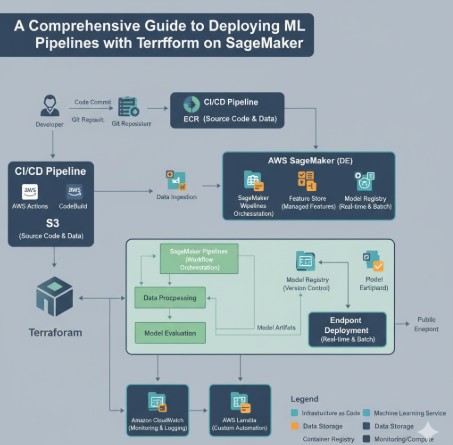


Build ROSA Clusters with Terraform: A Comprehensive Guide

For DevOps engineers, cloud architects, and anyone managing containerized applications, the ability to automate infrastructure provisioning is paramount. Red Hat OpenShift (ROSA), a leading Kubernetes platform, combined with Terraform, a powerful Infrastructure as Code (IaC) tool, offers a streamlined and repeatable method for building and managing clusters. This guide delves into the process of Build ROSA clusters with Terraform, providing a comprehensive walkthrough for both beginners and experienced users. We’ll explore various use cases, best practices, and troubleshooting techniques to ensure you can effectively leverage this powerful combination.

Understanding the Power of ROSA and Terraform

Red Hat OpenShift (ROSA) provides a robust and secure platform for deploying and managing containerized applications. Its enterprise-grade features, including built-in security, high availability, and robust management tools, make it a preferred choice for mission-critical applications. However, manually setting up and managing ROSA clusters can be time-consuming and error-prone.

Terraform, an open-source IaC tool, allows you to define and manage your infrastructure in a declarative manner. Using code, you describe the desired state of your ROSA cluster, and Terraform ensures it’s provisioned and maintained according to your specifications. This eliminates manual configuration, promotes consistency, and facilitates version control, making it ideal for managing complex infrastructure like ROSA clusters.

Setting up Your Environment for Build ROSA Clusters with Terraform

Prerequisites

  • A cloud provider account: AWS, Azure, or GCP are commonly used. This guide will use AWS as an example.
  • Terraform installed: Download and install Terraform from the official website: https://www.terraform.io/downloads.html
  • AWS credentials configured: Ensure your AWS credentials are configured correctly using AWS CLI or environment variables.
  • ROSA account and credentials: You’ll need a Red Hat account with access to ROSA.
  • A text editor or IDE: To write your Terraform configuration files.

Creating Your Terraform Configuration

The core of building your ROSA cluster with Terraform lies in your configuration files (typically named main.tf). These files define the resources you want to create, including the virtual machines, networks, and the OpenShift cluster itself. A basic structure might look like this (note: this is a simplified example and requires further customization based on your specific needs):


# main.tf
terraform {
  required_providers {
    aws = {
      source  = "hashicorp/aws"
      version = "~> 4.0"
    }
  }
}

provider "aws" {
  region = "us-east-1" # Replace with your desired region
}

resource "aws_instance" "master" {
  # ... (Master node configurations) ...
}

resource "aws_instance" "worker" {
  # ... (Worker node configurations) ...
}

# ... (Further configurations for networking, security groups, etc.) ...

resource "random_id" "cluster_id" {
  byte_length = 8
}

resource "null_resource" "rosa_install" {
  provisioner "local-exec" {
    command = "rosa create cluster ${random_id.cluster_id.hex} --pull-secret-path  --aws-region us-east-1"  #Replace placeholders with appropriate values.
  }
  depends_on = [aws_instance.master, aws_instance.worker]
}

Important Note: Replace placeholders like `` with your actual values. The rosa create cluster command requires specific parameters, including your pull secret (obtained from your Red Hat account). This example uses a `null_resource` and a `local-exec` provisioner for simplicity. For production, consider more robust methods such as using the `rosacli` executable directly within Terraform.

Advanced Scenarios and Customization

Multi-AZ Deployments for High Availability

For enhanced high availability, you can configure your Terraform code to deploy ROSA across multiple Availability Zones (AZs). This ensures redundancy and minimizes downtime in case of AZ failures. This would involve creating multiple instances in different AZs and configuring appropriate networking to enable inter-AZ communication.

Integrating with Other Services

Terraform allows for seamless integration with other AWS services. You can easily provision resources like load balancers, databases (e.g., RDS), and storage (e.g., S3) alongside your ROSA cluster. This provides a comprehensive, automated infrastructure for your applications.

Using Terraform Modules for Reusability

For large-scale deployments or to promote code reusability, you can create Terraform modules. A module encapsulates a set of resources that can be reused across different projects. This improves maintainability and reduces redundancy in your code.

Implementing CI/CD with Terraform

By integrating Terraform with CI/CD pipelines (e.g., Jenkins, GitLab CI, GitHub Actions), you can automate the entire process of creating and managing ROSA clusters. Changes to your Terraform code can automatically trigger the provisioning or updates to your cluster, ensuring that your infrastructure remains consistent with your code.

Real-World Examples and Use Cases

Scenario 1: Deploying a Simple Application

A DevOps team wants to quickly deploy a simple web application on ROSA. Using Terraform, they can automate the creation of the cluster, configure networking, and deploy the application through a pipeline. This eliminates manual steps and ensures consistent deployment across environments.

Scenario 2: Setting Up a Database Cluster

A DBA needs to provision a highly available database cluster to support a mission-critical application deployed on ROSA. Terraform can automate the setup of the database (e.g., using RDS on AWS), configure network access, and integrate it with the ROSA cluster, creating a seamless and manageable infrastructure.

Scenario 3: Building a Machine Learning Platform

An AI/ML engineer needs to create a scalable platform for training and deploying machine learning models. Terraform can provision the necessary compute resources (e.g., high-performance instances), configure networking, and create the ROSA cluster to host the AI/ML applications and services. This allows for efficient resource utilization and scaling.

Frequently Asked Questions (FAQ)

Q1: What are the benefits of using Terraform to build ROSA clusters?

Using Terraform offers several key benefits: Automation (reduced manual effort), Consistency (repeatable deployments), Version Control (track changes and revert if needed), Collaboration (easier teamwork), and Scalability (easily manage large clusters).

Q2: How do I handle secrets and sensitive information in my Terraform code?

Avoid hardcoding secrets directly into your Terraform code. Use secure methods like environment variables, HashiCorp Vault, or AWS Secrets Manager to store and manage sensitive information. Terraform supports these integrations, allowing you to securely access these secrets during the provisioning process.

Q3: What are some common troubleshooting steps when using Terraform with ROSA?

Check your Terraform configuration for syntax errors. Verify your AWS credentials and ROSA credentials. Ensure network connectivity between your resources. Examine the Terraform logs for error messages. Consult the ROSA and Terraform documentation for solutions to specific problems. The `terraform validate` and `terraform plan` commands are crucial for identifying issues before applying changes.

Q4: How can I update an existing ROSA cluster managed by Terraform?

To update an existing cluster, you’ll need to modify your Terraform configuration to reflect the desired changes. Run `terraform plan` to see the planned changes and `terraform apply` to execute them. Terraform will efficiently update only the necessary resources. Be mindful of potential downtime during updates, especially for changes affecting core cluster components.

Q5: What are the security considerations when using Terraform to manage ROSA?

Security is paramount. Use appropriate security groups and IAM roles to restrict access to your resources. Regularly update Terraform and its provider plugins to benefit from the latest security patches. Implement proper access controls and utilize secrets management solutions as described above. Always review the `terraform plan` output before applying any.

Conclusion


Building ROSA (Red Hat OpenShift Service on AWS) clusters with Terraform offers a robust, automated, and repeatable approach to managing cloud-native infrastructure. By leveraging Terraform’s Infrastructure as Code (IaC) capabilities, organizations can streamline the deployment process, enforce consistency across environments, and reduce human error. This method not only accelerates cluster provisioning but also enhances scalability, governance, and operational efficiency — making it an ideal solution for enterprises aiming to integrate OpenShift into their AWS ecosystem in a secure and maintainable way. Thank you for reading the DevopsRoles page!

Optimize Your Docker Updates With This Trick

Maintaining a robust and efficient Docker environment is crucial for any organization relying on containerized applications. Regular updates are essential for security patches and performance improvements, but poorly managed updates can lead to downtime and instability. This article reveals a powerful trick to significantly optimize your Docker update process, reducing disruptions and improving overall system reliability. We’ll explore best practices, real-world scenarios, and troubleshooting techniques to help you master Docker update management.

Understanding the Challenge of Docker Updates

Docker updates, while necessary, can be disruptive. Traditional update methods often involve stopping containers, pulling new images, and restarting services. This can lead to application downtime and potential data loss if not managed carefully. The “trick” we’ll explore focuses on minimizing this disruption by leveraging Docker’s features and best practices.

The Inefficiencies of Standard Docker Updates

The standard approach often involves a process like this:

  • Stop containers: docker stop
  • Pull latest image: docker pull
  • Remove old image (optional): docker rmi
  • Restart containers: docker start

This method is inefficient because it creates downtime for each container. In a large-scale deployment, this can lead to significant service interruptions.

Optimize Your Docker Updates With Blue/Green Deployments

The key to optimizing Docker updates lies in implementing a blue/green deployment strategy. This approach involves maintaining two identical environments: a “blue” environment (live production) and a “green” environment (staging). Updates are deployed to the green environment first, thoroughly tested, and then traffic is switched to the green environment, making it the new blue.

Implementing Blue/Green Deployments with Docker

Here’s how to implement this strategy:

  • Create a separate Docker network for the green environment. This isolates the updated environment.
  • Deploy updated images to the green environment using a separate Docker Compose file (or similar orchestration). This ensures the green environment mirrors the blue, but with the updated images.
  • Thoroughly test the green environment. This could involve automated tests or manual verification.
  • Switch traffic. Use a load balancer or other traffic management tool to redirect traffic from the blue environment to the green environment.
  • Remove the old (blue) environment. Once traffic is successfully switched, the blue environment can be decommissioned.

Example using Docker Compose

Let’s say you have a `docker-compose.yml` file for your blue environment:


version: "3.9"
services:
  web:
    image: myapp:1.0
    ports:
      - "80:80"

For the green environment, you would create a `docker-compose-green.yml` file:


version: "3.9"
services:
  web:
    image: myapp:2.0
    ports:
      - "80:80"
    networks:
      - green-network
networks:
  green-network:

You would then deploy the green environment using docker-compose -f docker-compose-green.yml up -d. Note the use of a separate network to prevent conflicts. Traffic switching would require external tools like a load balancer (e.g., Nginx, HAProxy) or a service mesh (e.g., Istio, Linkerd).

Advanced Techniques for Optimized Docker Updates

Beyond blue/green deployments, other strategies enhance Docker update efficiency:

Using Docker Rollback

In case of issues with the new update, having a rollback mechanism is critical. This usually involves maintaining the old images and being able to quickly switch back to the previous working version.

Automated Update Processes with CI/CD

Integrate Docker updates into your Continuous Integration/Continuous Deployment (CI/CD) pipeline. Automated tests, builds, and deployments minimize manual intervention and reduce the risk of errors.

Image Versioning and Tagging

Employ a robust image versioning and tagging strategy. Using semantic versioning (e.g., major.minor.patch) allows for clear tracking and simplifies rollback procedures. Tagging allows you to easily identify specific images and revert if needed.

Real-World Use Cases

Scenario 1: E-commerce Platform – A large e-commerce platform uses Docker for microservices. Blue/green deployments ensure seamless updates without impacting online sales. A failed update can be rolled back instantly to the previous stable version, minimizing downtime.

Scenario 2: Banking Application – A banking application needs high availability and minimal downtime. Docker, combined with blue/green deployments and automated rollbacks, guarantees secure and continuous service, crucial for financial transactions.

Scenario 3: AI/ML Model Deployment – Deploying updated AI/ML models through Docker with blue/green updates allows for A/B testing of new model versions without affecting the live system. This facilitates continuous improvement and evaluation of model performance.

Frequently Asked Questions (FAQ)

Q1: What are the benefits of using blue/green deployments for Docker updates?

A1: Blue/green deployments minimize downtime, provide a rollback mechanism in case of failures, reduce the risk of errors, and allow for thorough testing of updates before they are exposed to live traffic. This results in greater stability and improved system reliability.

Q2: How do I choose between blue/green deployments and other update strategies (like canary deployments)?

A2: Blue/green is ideal when zero downtime is critical and a rapid rollback is needed. Canary deployments, which gradually roll out updates to a subset of users, are beneficial when thorough testing of new features in a live environment is required before full deployment. The best choice depends on specific application requirements and risk tolerance.

Q3: What are the potential challenges of implementing blue/green deployments?

A3: Challenges include the need for additional infrastructure (for the green environment), complexities in traffic switching, and the potential for increased resource consumption. Careful planning and the use of automation tools are vital to mitigate these challenges.

Q4: Can I use Docker Swarm or Kubernetes for blue/green deployments?

A4: Yes, both Docker Swarm and Kubernetes offer advanced features and tools that greatly simplify the implementation and management of blue/green deployments. They provide robust orchestration, scaling capabilities, and sophisticated traffic routing mechanisms.

Q5: What if my application requires a database update alongside the Docker image update?

A5: Database updates require careful consideration. Often, a phased approach is necessary, perhaps updating the database schema in the green environment before deploying the updated application image. Zero-downtime database migrations are a related topic that should be carefully investigated and implemented to avoid data corruption or inconsistencies.

Conclusion

Optimizing Docker updates is critical for maintaining a healthy and efficient containerized infrastructure. By implementing the “trick” of blue/green deployments, combined with best practices such as robust image versioning and CI/CD integration, you can significantly reduce downtime, enhance application stability, and improve overall system reliability. Remember to choose the update strategy best suited to your application’s requirements, carefully plan your implementation, and thoroughly test your updates before rolling them out to production. This approach guarantees a more robust and efficient Docker environment for your organization. Thank you for reading the DevopsRoles page!
Run Your Own Private Grammarly Clone Using Docker and LanguageTool

In today’s digital landscape, effective communication is paramount. Whether you’re crafting marketing copy, writing technical documentation, or composing emails, impeccable grammar and spelling are crucial. While services like Grammarly offer excellent grammar checking capabilities, concerns about data privacy and security are increasingly prevalent. This article explores how to build your own private Grammarly clone using Docker and LanguageTool, offering a robust, secure, and customizable solution for your grammar and style checking needs. This comprehensive guide is aimed at intermediate to advanced Linux users, DevOps engineers, cloud engineers, and other tech professionals who want to take control of their data and build a powerful, private grammar checking system.

Why Build Your Own Private Grammarly Clone?

Deploying your own private Grammarly clone using Docker and LanguageTool offers several key advantages:

  • Data Privacy: Your documents remain on your servers, eliminating concerns about sharing sensitive information with third-party services.
  • Security: You have complete control over the security infrastructure, allowing you to implement robust security measures tailored to your specific needs.
  • Customization: You can customize the grammar rules and style guides to perfectly match your requirements, unlike the one-size-fits-all approach of commercial services.
  • Cost-Effectiveness: While initial setup requires effort, long-term costs can be lower than subscription-based services, especially for organizations with high usage.
  • Scalability: Docker’s containerization allows for easy scaling to accommodate increasing demands.

Choosing the Right Tools: Docker and LanguageTool

This project leverages two powerful technologies:

Docker: Containerization for Ease of Deployment

Docker simplifies the deployment and management of applications by packaging them into isolated containers. This ensures consistency across different environments and simplifies the process of setting up and maintaining your private Grammarly clone. Docker handles dependencies and configurations, making deployment on various systems (Linux, Windows, macOS) seamless.

LanguageTool: The Open-Source Grammar Checker

LanguageTool is a powerful, open-source grammar and style checker available under the GPLv3 license. It boasts extensive language support and offers a comprehensive rule set. Its API allows easy integration into your custom application, making it an ideal backend for your private Grammarly clone.

Setting Up Your Private Grammarly Clone: A Step-by-Step Guide

This section details the process of setting up your private Grammarly clone. We’ll assume a basic understanding of Linux command-line interface and Docker.

1. Setting up Docker

Ensure Docker is installed and running on your system. Installation instructions vary depending on your operating system. Refer to the official Docker documentation for details: https://docs.docker.com/

2. Creating a Dockerfile

Create a file named `Dockerfile` with the following content (you might need to adjust based on your LanguageTool version and desired web server):


FROM python:3.9-slim-buster

WORKDIR /app

COPY requirements.txt requirements.txt
RUN pip install -r requirements.txt

COPY . .

CMD ["gunicorn", "--bind", "0.0.0.0:8000", "your_app:app"]

You’ll also need a `requirements.txt` file listing your Python dependencies, including LanguageTool’s API client. Example:


languagetool-python
gunicorn
flask  # or your preferred web framework

3. Building the Docker Image

Navigate to the directory containing your `Dockerfile` and `requirements.txt` and execute the following command:


docker build -t my-grammarly-clone .

4. Running the Docker Container

After building the image, run the container using the following command (adjust port mapping if needed):


docker run -p 8000:8000 -d my-grammarly-clone

5. Developing the Application

You’ll need to create a backend application (using Flask, Django, or a similar framework) that interacts with the LanguageTool API. This application will receive text from a user interface (which can be a simple web page or a more sophisticated application), send it to the LanguageTool API for analysis, and return the results to the user. This involves handling API requests, parsing LanguageTool’s JSON responses, and presenting the corrections in a user-friendly format.

Advanced Configurations and Enhancements

Beyond the basic setup, several advanced configurations can enhance your private Grammarly clone:

Integrating with a Database

Store user data, documents, and analysis results in a database (e.g., PostgreSQL, MySQL) for persistence and improved scalability. Use Docker Compose to orchestrate the database container alongside your application container.

Implementing a User Interface

Develop a user-friendly interface to interact with the backend. This could be a simple web application or a more complex desktop application.

Customizing LanguageTool Rules

LanguageTool allows customization of its rule set. This enables adapting the grammar and style checks to your specific requirements, such as incorporating company-specific style guides.

Load Balancing and Clustering

For high-traffic environments, consider load balancing and clustering your Docker containers to distribute the load and improve performance. This could involve using Docker Swarm or Kubernetes.

Use Cases and Examples

Basic Use Case: A writer uses the private Grammarly clone to check a blog post for grammar and spelling errors before publication. The application highlights errors, suggests corrections, and provides explanations.

Advanced Use Case: A company integrates the private Grammarly clone into its content management system (CMS) to ensure all published content meets a high standard of grammar and style. The integration automates the grammar checking process, improving efficiency and ensuring consistency across all published materials.

Frequently Asked Questions (FAQ)

Q1: What are the hardware requirements for running this?

The hardware requirements depend on the expected load. For low to moderate usage, a reasonably modern machine should suffice. For high loads, a more powerful server with sufficient RAM and CPU cores is recommended. Consider using cloud computing resources for scalability.

Q2: How secure is this compared to using a commercial service?

This solution offers enhanced security because your data remains within your controlled environment. You’re responsible for the security of your server, but this allows for implementing highly customized security measures.

Q3: What languages does LanguageTool support?

LanguageTool supports a wide range of languages. Check their official website for the latest list: https://languagetool.org/

Q4: Can I extend LanguageTool’s functionality?

Yes, LanguageTool’s rules can be customized and extended. You can create your own rules or use pre-built rules from the community.

Q5: What if LanguageTool’s API changes?

You’ll need to update your application accordingly. Regularly check the LanguageTool API documentation for changes and adapt your code to maintain compatibility.

Conclusion

Running your own private Grammarly clone using Docker and LanguageTool empowers you to take control of your data and customize your grammar and style checking process. This comprehensive guide provides a foundation for creating a secure and efficient solution. Remember to choose appropriate hardware resources, implement robust security practices, and monitor performance to ensure the system runs smoothly. By leveraging the power of Docker and LanguageTool, you can build a private grammar-checking solution tailored to your specific needs and maintain complete control over your sensitive data. Remember to continuously monitor LanguageTool’s API updates and adjust your code accordingly to ensure optimal performance and compatibility.Thank you for reading the DevopsRoles page!

Master developer console prompts

For those working in the tech world, the developer console is a second home. It’s where the magic happens, where bugs are squashed, and where infrastructure is meticulously managed. But even seasoned professionals can improve their efficiency by mastering the art of crafting effective prompts. This comprehensive guide explores various techniques to significantly enhance your command-line interactions, regardless of whether you’re a DevOps engineer, database administrator, or AI/ML specialist.

Understanding the Power of Effective Prompts

Improving your prompts in the developer console transcends simply typing commands correctly. It’s about leveraging the full potential of your shell’s features to achieve maximum efficiency, accuracy, and clarity. A well-crafted prompt can save you valuable time, prevent errors, and enhance your overall workflow. This guide covers everything from basic syntax improvements to advanced techniques like using aliases and shell functions to streamline your tasks.

The Importance of Clarity and Precision

The most fundamental aspect of effective prompts is clarity and precision. Ambiguous commands lead to unexpected results, wasting time and potentially causing damage. Always double-check your syntax, ensuring each command is unambiguous and targets the desired outcome. For instance, using absolute paths instead of relative ones reduces ambiguity and prevents accidental modifications to incorrect files or directories.

Utilizing Autocompletion and History

Most shells provide powerful autocompletion features. Pressing the Tab key will often suggest possible completions for commands, filenames, and arguments. This significantly reduces typing errors and speeds up your workflow. Similarly, your shell history stores previously executed commands. Use the up and down arrows to cycle through your history, quickly recalling and modifying previous commands.

Advanced Prompt Engineering Techniques

Leveraging Shell Aliases

Shell aliases allow you to define shortcuts for frequently used commands. This significantly simplifies your workflow and reduces typing effort. For example, you might create an alias for a complex command like this:

alias mybackup='tar -czvf /backup/$(date +%Y-%m-%d).tar.gz /data'

Now, running mybackup executes the entire backup command.

Creating Custom Shell Functions

For more complex operations, shell functions offer greater flexibility. Functions can accept arguments and perform conditional logic, creating powerful and reusable tools. For example, a function to check disk space on multiple partitions might look like this (Bash):

check_disk_space() {
  for partition in "$@"; do
    df -h "$partition"
  done
}

This can be called as: check_disk_space /dev/sda1 /dev/sdb1

Utilizing Command Piping and Redirection

Piping (|) and redirection (>, >>, <) are essential tools for manipulating command output. Piping sends the output of one command as the input to another, while redirection controls where the output is written. This allows for powerful data transformation and processing. A simple example:

ps aux | grep "myprocess" | wc -l

This counts the number of processes named “myprocess”.

Working with Environment Variables

Environment variables provide a mechanism to store and access configuration settings. Properly utilizing environment variables can significantly simplify and improve your prompts. You can set variables for frequently used paths, credentials, or other parameters, making your scripts and commands more portable and maintainable.

Use Cases and Examples

Debugging Applications

Effective prompts are crucial for debugging. Using commands like strace, ltrace, or gdb with specific parameters allows for precise tracing and analysis, pinpointing problematic code sections more efficiently.

Managing System Resources

Monitoring system resources like CPU, memory, and disk I/O requires accurate and informative prompts. Tools like top, htop, iostat, and free, when used with appropriate parameters, offer detailed insights into system performance.

Automating Database Administration

DBAs can automate many tasks using shell scripts and carefully crafted prompts. SQL commands combined with shell scripting allows for batch processing, data manipulation, and database backups, all driven by precise and efficient prompts.

Streamlining DevOps Processes

DevOps engineers heavily rely on the developer console for tasks like build automation, deployment, and monitoring. Improving prompts ensures seamless and reliable execution of these critical processes.

Frequently Asked Questions (FAQ)

Q1: How can I improve my prompt’s visual appearance?

Many shells allow customization of the prompt’s appearance. You can add color, display the current directory, or include information about the current user or Git branch. Consult your shell’s documentation (e.g., Bash’s `PS1` variable) for details on how to modify your prompt.

Q2: What are some best practices for writing shell scripts?

Use meaningful variable names, add comments to explain the script’s logic, handle errors gracefully, and test thoroughly. Always sanitize user inputs to prevent security vulnerabilities. Break down complex tasks into smaller, manageable functions. Consider using version control for your scripts.

Q3: How can I prevent common errors when using the developer console?

Pay close attention to syntax, use absolute paths when possible, use quotes appropriately around arguments containing spaces, and carefully review your commands before execution. Consider using a shell with built-in syntax checking and error highlighting.

Q4: What resources are available for learning more about advanced shell scripting?

Numerous online resources are available, including tutorials, documentation, and online courses. Websites like GNU Bash documentation and various online programming courses provide excellent learning materials.

Q5: Are there any tools that can help me improve my command-line efficiency?

Yes, many tools can assist. Shell extensions like Zsh offer advanced features like fuzzy searching and improved autocompletion. Plugins like oh-my-zsh provide even more customization options. Learning to use these tools can boost efficiency significantly.

Conclusion

Improving your prompts in the developer console is not merely about typing faster; it’s about mastering a fundamental skill that significantly impacts your productivity and the overall quality of your work. By utilizing the techniques and best practices described in this guide, you can transform your interaction with the command line, making it a more efficient, powerful, and enjoyable experience. Remember, the developer console is your tool – master it, and you master a significant aspect of your craft.Thank you for reading the DevopsRoles page!


Automate IT Operations with VMware and Ansible

In today’s dynamic IT landscape, efficiency and agility are paramount. Manual processes are slow, error-prone, and simply cannot keep pace with the demands of modern infrastructure. This is where automation steps in, and the powerful combination of VMware and Ansible offers a compelling solution for automate IT operations. This comprehensive guide will explore how to leverage these technologies to streamline your workflows, improve reliability, and reduce operational costs.

Understanding the Power Duo: VMware and Ansible

VMware, a leading virtualization platform, provides the foundation for managing and deploying virtual machines (VMs) across various environments, from on-premises data centers to public clouds. Ansible, an open-source IT automation engine, excels at automating configuration management, application deployment, and orchestration across diverse infrastructure, including VMware environments.

Together, VMware and Ansible create a robust automation pipeline. Ansible’s agentless architecture simplifies deployment and management, allowing you to control VMware vSphere resources – including VMs, networks, and storage – through simple yet powerful playbooks written in YAML.

Use Cases and Examples: Automating VMware with Ansible

Basic Use Case: Provisioning a Virtual Machine

One of the simplest yet most impactful uses of Ansible with VMware is automated VM provisioning. Instead of manually creating VMs through the vSphere client, you can define a template using Ansible and deploy VMs with specific configurations (CPU, RAM, storage, network) on demand.

Example Ansible Playbook Snippet:

    
- hosts: localhost
  connection: local
  gather_facts: false
  tasks:
    - name: Create a new virtual machine
      vmware_guest:
        hostname: my-new-vm
        template: "my-template"
        resource_pool: "my-resource-pool"
        datastore: "my-datastore"
        network: "my-network"
        cpu: 2
        memory: 4096


This snippet demonstrates a basic VM creation. You’ll need to replace placeholders like “my-template,” “my-resource-pool,” etc., with your actual VMware environment details. This playbook leverages the `vmware_guest` module, a key component for Ansible’s VMware integration.

Advanced Use Case: Orchestrating Complex Deployments

Beyond simple provisioning, Ansible and VMware can orchestrate complex multi-tier deployments. Imagine deploying a three-tier application (web servers, application servers, database servers) across multiple VMs. Ansible can automate the entire process, ensuring consistency and reducing manual intervention.

This would involve creating VMs, configuring networks, installing applications, and configuring databases – all within a single, repeatable playbook. Error handling and rollback mechanisms can be integrated to ensure reliability.

Real-world Example: Automating Database Deployments

DBAs can leverage Ansible and VMware to automate database deployments. Consider deploying a new MySQL database cluster across three VMs. Ansible can:

  • Provision the VMs.
  • Install the MySQL server on each VM.
  • Configure replication between the VMs.
  • Deploy the database schema.
  • Import initial data.

This process, if done manually, is prone to errors and time-consuming. Ansible ensures consistency and speed, leading to faster deployment cycles and reduced operational overhead.

Example: Automating Patching and Updates

Maintaining updated systems is critical for security and stability. Ansible can automate patching and updating of guest operating systems within your VMware environment. Playbooks can be designed to identify VMs needing updates, download patches, and apply them, minimizing downtime and improving security posture. This automation is especially useful in large-scale environments with hundreds or thousands of VMs.

Integrating Ansible with VMware vCenter

For enhanced management and centralized control, integrate Ansible with VMware vCenter. This allows Ansible to manage your entire vSphere infrastructure from a single point, giving you a holistic view of your virtualized environment. This integration usually involves configuring Ansible to connect to the vCenter server using appropriate credentials and modules.

Frequently Asked Questions (FAQ)

Q1: What are the prerequisites for automating IT operations with VMware and Ansible?

A1: You’ll need a working VMware vSphere environment (including vCenter Server is recommended for better management), Ansible installed on a control machine, and the appropriate VMware Ansible modules installed. Network connectivity between your Ansible control machine and the VMware environment is crucial. A good understanding of both VMware and Ansible is also necessary.

Q2: How secure is using Ansible to manage VMware infrastructure?

A2: Security is paramount. Utilize Ansible’s features for secure credential management (e.g., using Ansible Vault to encrypt sensitive information) and leverage role-based access control (RBAC) within your VMware environment. Regular security audits and updates are crucial to maintaining a secure configuration. Always use the latest versions of Ansible and the VMware vSphere client.

Q3: Can Ansible manage all aspects of VMware vSphere?

A3: While Ansible provides extensive coverage of VMware vSphere management, there might be niche functionalities not directly covered by available modules. In such cases, you might need to resort to alternative methods (e.g., using the vSphere API directly) or explore community-contributed modules.

Q4: What are the benefits of using Ansible and VMware together for automation?

A4: The combined power of Ansible and VMware offers numerous benefits, including:

  • Increased efficiency: Automate repetitive tasks, freeing up IT staff for more strategic work.
  • Reduced errors: Automation minimizes human error, leading to more reliable deployments.
  • Improved consistency: Ensure consistent configurations across your entire VMware environment.
  • Faster deployments: Deploy applications and infrastructure much faster than with manual methods.
  • Enhanced scalability: Easily scale your infrastructure up or down as needed.
  • Better resource utilization: Optimize the use of your VMware resources.

Q5: Where can I find more information and resources?

A5: Ansible’s official documentation (https://docs.ansible.com/) is an excellent resource. VMware’s documentation (https://docs.vmware.com/) also provides valuable information on vSphere management. Numerous online communities and forums dedicated to Ansible and VMware offer further support and insights.

Conclusion

Automating IT operations with VMware and Ansible is no longer a luxury but a necessity for organizations striving for efficiency, agility, and scalability. By leveraging Ansible’s powerful automation capabilities to manage your VMware infrastructure, you can significantly improve your IT operations, reducing errors, enhancing consistency, and freeing up valuable resources. Remember to start with small, manageable projects to gain experience and gradually expand your automation efforts. Always prioritize security best practices and maintain up-to-date software for optimal performance and security.Thank you for reading the DevopsRoles page!


How to Deploy Terraform Code in an Azure DevOps Pipeline

In today’s dynamic cloud landscape, infrastructure as code (IaC) has become paramount. Terraform, a powerful IaC tool, allows you to define and manage your infrastructure using declarative configuration files. Integrating Terraform with a robust CI/CD pipeline like Azure DevOps streamlines the deployment process, enhancing efficiency, consistency, and collaboration. This comprehensive guide will walk you through how to deploy Terraform code in an Azure DevOps pipeline, covering everything from setup to advanced techniques. This is crucial for DevOps engineers, cloud engineers, and anyone involved in managing and automating infrastructure deployments.

Setting up Your Azure DevOps Project

Creating a New Project

First, you need an Azure DevOps organization and project. If you don’t have one, create a free account at dev.azure.com. Once logged in, create a new project and choose a suitable name (e.g., “Terraform-Azure-Deployment”). Select “Agile” or “Scrum” for the process template based on your team’s preferences.

Creating a New Pipeline

Navigate to “Pipelines” in your project’s menu. Click “New pipeline.” Select the Azure Repos Git repository where your Terraform code resides. If you’re using a different Git provider (like GitHub or Bitbucket), choose the appropriate option and follow the authentication instructions.

Configuring the Azure DevOps Pipeline

Choosing a Pipeline Template

Azure DevOps offers various pipeline templates. For Terraform, you’ll likely use a YAML template. This provides maximum control and flexibility. Click “YAML” to start creating a custom YAML pipeline.

Writing Your YAML Pipeline

The YAML file will define the stages of your pipeline. Here’s a basic example:


trigger:
- main

stages:
- stage: TerraformInit
  displayName: Terraform Init
  jobs:
  - job: InitJob
    steps:
    - task: UseDotNet@2
      inputs:
        version: '6.0.x'
    - task: TerraformInstaller@0
      inputs:
        version: '1.3.0'
    - script: terraform init -input=false
      displayName: 'terraform init'

- stage: TerraformPlan
  displayName: Terraform Plan
  jobs:
  - job: PlanJob
    steps:
    - script: terraform plan -input=false -out=tfplan
      displayName: 'terraform plan'

- stage: TerraformApply
  displayName: Terraform Apply
  jobs:
  - job: ApplyJob
    steps:
    - script: terraform apply -auto-approve tfplan
      displayName: 'terraform apply'

- stage: TerraformDestroy
  displayName: Terraform Destroy
  jobs:
    - job: DestroyJob
      steps:
        - script: terraform destroy -auto-approve
          displayName: 'terraform destroy'
          condition: eq(variables['destroy'], true)

Explanation of the YAML File

  • trigger: main: This line indicates that the pipeline should run automatically whenever code is pushed to the main branch.
  • stages: This defines the different stages of the pipeline: Init, Plan, Apply, and Destroy.
  • jobs: Each stage contains one or more jobs.
  • steps: These are the individual tasks within each job. We are using tasks to install .NET, install Terraform, and run the Terraform commands (init, plan, apply, destroy).
  • condition: Allows conditional execution, in this case the destroy stage only runs if the variable destroy is set to true.

Integrating with Azure Resources

To deploy resources to Azure, you’ll need to configure your Azure credentials within the pipeline. This can be done through Azure DevOps service connections. Create a service connection that uses a service principal for secure authentication.

Advanced Techniques

Using Azure Resource Manager (ARM) Templates

You can enhance your Terraform deployments by integrating with ARM templates. This allows you to manage resources that are better suited to ARM’s capabilities or leverage existing ARM templates within your Terraform configuration.

State Management with Azure Storage

For production environments, it’s crucial to manage your Terraform state securely and reliably. Use Azure Storage accounts to store the state file, ensuring consistent state management across multiple runs of your pipeline.

Variables and Modules

Employ Terraform modules and variables to promote code reusability and maintainability. This allows for parameterization of your infrastructure deployments.

Automated Testing

Implement automated tests within your pipeline to verify your Terraform configurations before deployment. This helps catch potential issues early in the process and ensures higher quality deployments.

Real-World Examples

Deploying a Virtual Machine

A simple example is deploying a Linux virtual machine. Your Terraform code would define the resource group, virtual network, subnet, and virtual machine specifics. The Azure DevOps pipeline would then execute the Terraform commands to create these resources.

Deploying a Database

You can also deploy databases such as Azure SQL Database or MySQL using Terraform and manage their configuration through Azure DevOps. This could involve setting up server parameters, networking, and firewall rules.

Deploying Kubernetes Clusters

More complex scenarios include deploying and managing Kubernetes clusters using Terraform. The pipeline could handle the entire lifecycle, from creating the cluster to deploying applications on it.

Frequently Asked Questions (FAQ)

Q1: How do I handle secrets in my Terraform code within Azure DevOps?

A1: Avoid hardcoding secrets directly in your Terraform code. Use Azure Key Vault to store sensitive information like passwords and API keys. Your pipeline can then access these secrets securely using a Key Vault task.

Q2: What if my Terraform apply fails? How can I troubleshoot?

A2: Azure DevOps provides detailed logs for each step of the pipeline. Carefully review these logs to identify the root cause of the failure. Terraform’s error messages are generally informative. Also, ensure your Terraform configuration is valid and that your Azure environment has the necessary permissions and resources.

Q3: Can I use Terraform Cloud with Azure DevOps?

A3: Yes, you can integrate Terraform Cloud with Azure DevOps. This can offer additional features such as remote state management and collaboration tools. You’ll need to configure the appropriate authentication and permissions between Terraform Cloud and your Azure DevOps pipeline.

Q4: How do I roll back a failed Terraform deployment?

A4: If your terraform apply fails, don’t panic. The pipeline will usually halt at that point. You can investigate the logs to understand the cause of the failure. If the deployment was partially successful, you may need to manually intervene to clean up resources, or better still, have a rollback mechanism built into your Terraform code. You can also utilize the terraform destroy command within your pipeline to automatically delete resources in case of failure. However, it’s best to thoroughly test your infrastructure code and review the plan thoroughly before applying changes to production environments.

Q5: How can I incorporate code review into my Terraform deployment pipeline?

A5: Integrate a code review process into your Git workflow. Azure DevOps has built-in pull request capabilities. Require code reviews before merging changes into your main branch. This ensures that changes are reviewed and approved before deployment, reducing the risk of errors.

Conclusion Deploy Terraform Code in an Azure

Deploying Terraform code in an Azure DevOps pipeline offers a powerful way to automate and streamline your infrastructure deployments. By leveraging the features of Azure DevOps and best practices in Terraform, you can create a robust and reliable CI/CD system for your infrastructure. Remember to prioritize security by securely managing your secrets, using version control, and testing your configurations thoroughly. Following the steps and best practices outlined in this guide will enable you to effectively manage and automate your infrastructure deployments, leading to increased efficiency, consistency, and reliability.Thank you for reading the DevopsRoles page!
Docker Desktop for macOS Vulnerability: Allowing Malicious Image Installation

Docker Desktop, a popular tool for developers and DevOps engineers, recently faced a critical vulnerability. This vulnerability allows malicious actors to install and execute arbitrary code within your Docker environment, potentially compromising your entire system. This article delves into the specifics of this vulnerability, its implications for various technical roles, and how to mitigate the risk. Understanding this vulnerability is crucial for anyone using Docker Desktop on macOS.

Understanding the Vulnerability

The vulnerability stems from how Docker Desktop for macOS handles image downloads and execution. Specifically, the vulnerability exploited a weakness in the trust model of Docker images. Before this vulnerability was patched, a malicious image could contain code that would execute with elevated privileges on the host macOS system. This means that simply pulling and running a seemingly innocuous image from a compromised registry or a deceptively named image could give an attacker full control of your machine.

How the Attack Works

The attack typically involves crafting a malicious Docker image that, when executed, performs actions beyond the intended functionality. These actions could include:

  • Data exfiltration: Stealing sensitive information like API keys, passwords, or source code.
  • System compromise: Installing malware, creating backdoors, or taking complete control of the host system.
  • Network attacks: Turning the compromised machine into a launching point for further attacks against other systems.
  • Cryptojacking: Using the system’s resources to mine cryptocurrency without the user’s knowledge or consent.

The attacker could distribute these malicious images through compromised registries, phishing campaigns, or by deceptively naming them to resemble legitimate images.

Impact on Different Roles

This vulnerability poses significant risks across various technical roles:

DevOps Engineers

DevOps engineers rely heavily on Docker for building, testing, and deploying applications. A compromised Docker environment can disrupt the entire CI/CD pipeline, leading to significant downtime and security breaches. The impact extends to potentially compromising the entire infrastructure managed by the DevOps team.

Cloud Engineers

Cloud engineers often use Docker for deploying applications on cloud platforms like AWS, Azure, and GCP. A compromised machine can serve as an entry point for attacks against cloud resources, resulting in data loss and service disruption.

Database Administrators (DBAs)

DBAs frequently use Docker to manage and test database deployments. If a malicious image is executed, the database server could be compromised, leading to data breaches or corruption.

Backend Developers

Backend developers often rely on Docker for local development and testing. A compromised Docker environment can expose sensitive development data and credentials, hindering the development process and potentially compromising future deployments.

AI/ML Engineers

AI/ML engineers use Docker for managing large models and dependencies. Compromise could lead to data breaches related to training datasets or model parameters.

System Administrators

System administrators are responsible for the overall security of the systems. A compromised Docker environment represents a significant security risk and could require extensive cleanup and remediation.

Mitigation Strategies

Several strategies can mitigate the risk associated with this Docker Desktop for macOS vulnerability:

1. Update Docker Desktop

The most crucial step is to update Docker Desktop to the latest version. This will likely include patches that address the vulnerability. Regularly checking for updates and applying them promptly is paramount.

2. Use Trusted Image Sources

Always download Docker images from reputable sources. Verify the authenticity and integrity of the images before running them. Avoid using images from untrusted registries or individuals.

3. Implement Security Scanning

Integrate security scanning into your CI/CD pipeline to automatically detect vulnerabilities in Docker images before deploying them to production. Tools such as Clair, Anchore, and Trivy can assist with this process.

4. Least Privilege Principle

Run Docker containers with the least amount of privileges necessary. Avoid running containers as root unless absolutely required. This significantly limits the potential damage caused by a compromised image.

5. Regularly Scan Your System

Employ robust anti-malware and anti-virus solutions to detect and remove any malicious software that may have infiltrated your system.

6. Network Segmentation

Isolate your Docker environment from the rest of your network. This prevents a compromised container from easily spreading to other systems.

7. Image Signing and Verification

Utilize image signing and verification mechanisms to ensure the integrity and authenticity of downloaded images. This added layer of security can help detect tampered images.

Real-world Examples

Imagine a developer downloading an image labeled “node:latest” from a compromised registry. This image, seemingly legitimate, could contain hidden malicious code that steals the developer’s API keys during the build process. Or, consider a DevOps engineer deploying a seemingly benign application, only to discover later that the underlying Docker image secretly installs a backdoor, granting attackers access to the production environment.

Another example involves a phishing email containing a link to a malicious Docker image. Clicking this link could download and execute a malicious image without the user realizing it.

Frequently Asked Questions (FAQ)

Q1: Is my system completely compromised if I’ve used an older version of Docker Desktop?

A1: Not necessarily. Whether your system is compromised depends on whether you ran any malicious images. If you haven’t run suspicious images, the risk is lower. However, updating to the latest version is crucial to mitigate future vulnerabilities. Running a full system scan is recommended.

Q2: How can I verify the integrity of a Docker image?

A2: You can check the image’s checksum (SHA-256) against the checksum provided by the official registry or source. You can also use tools that allow for image signing verification to ensure the image hasn’t been tampered with.

Q3: What should I do if I suspect my system is compromised?

A3: Immediately disconnect your machine from the network to prevent further damage. Perform a full system scan with reputable anti-malware software. Consider reformatting your system as a last resort, if the malware is deeply embedded.

Q4: Are there any alternative container runtimes that are more secure?

A4: Yes, other container runtimes exist, such as containerd, CRI-O, and rkt. They may offer different security models and features. Researching and choosing a suitable alternative depending on your specific needs and security requirements is advisable.

Q5: How often should I update Docker Desktop?

A5: Check for updates frequently, ideally at least once a week, or subscribe to automatic update notifications. Promptly installing security updates is vital to maintain the security of your system.

Conclusion

The Docker Desktop for macOS vulnerability highlights the importance of proactive security measures in managing containerized environments. By implementing the strategies outlined above, including regular updates, using trusted image sources, and employing security scanning tools, you can significantly reduce the risk of malicious image installations and protect your system from compromise. Remember that security is an ongoing process, requiring vigilance and adaptation to evolving threats. Thank you for reading the DevopsRoles page!

Manage Amazon Redshift Provisioned Clusters with Terraform

In today’s data-driven world, efficiently managing your data warehouse is paramount. Amazon Redshift, a fully managed, petabyte-scale data warehouse service in the cloud, offers a powerful solution. However, managing Redshift clusters manually can be time-consuming and error-prone. This is where Terraform steps in. This comprehensive guide will delve into how to effectively manage Amazon Redshift provisioned clusters with Terraform, providing you with the knowledge and practical examples to streamline your data warehouse infrastructure management.

Why Terraform for Amazon Redshift?

Terraform, a popular Infrastructure as Code (IaC) tool, allows you to define and manage your infrastructure in a declarative manner. Using Terraform to manage your Amazon Redshift clusters offers several key advantages:

  • Automation: Automate the entire lifecycle of your Redshift clusters – from creation and configuration to updates and deletion.
  • Version Control: Store your infrastructure configurations in version control systems like Git, enabling collaboration, auditing, and rollback capabilities.
  • Consistency and Repeatability: Ensure consistent deployments across different environments (development, testing, production).
  • Reduced Errors: Minimize human error by automating the provisioning and management process.
  • Improved Collaboration: Facilitate collaboration among team members through a shared, standardized approach to infrastructure management.
  • Scalability: Easily scale your Redshift clusters up or down based on your needs.

Setting up Your Environment

Before you begin, ensure you have the following:

  • An AWS account with appropriate permissions.
  • Terraform installed on your system. You can download it from the official Terraform website.
  • The AWS CLI configured and authenticated.
  • Basic understanding of Terraform concepts like providers, resources, and state files.

Basic Redshift Cluster Provisioning with Terraform

Let’s start with a simple example of creating a Redshift cluster using Terraform. This example uses the AWS provider and defines a basic Redshift cluster with a single node.

Terraform Configuration File (main.tf)


terraform {
  required_providers {
    aws = {
      source  = "hashicorp/aws"
      version = "~> 4.0"
    }
  }
}

provider "aws" {
  region = "us-west-2" // Replace with your desired region
}

resource "aws_redshift_cluster" "default" {
  cluster_identifier = "my-redshift-cluster"
  database_name      = "mydatabase"
  master_username    = "myusername"
  master_user_password = "mypassword" # **Important: Securely manage passwords!**
  node_type          = "dc2.large"
  number_of_nodes    = 1
}

Deploying the Infrastructure

  1. Save the code above as main.tf.
  2. Navigate to the directory containing main.tf in your terminal.
  3. Run terraform init to initialize the Terraform providers.
  4. Run terraform plan to preview the changes.
  5. Run terraform apply to create the Redshift cluster.

Advanced Configurations and Features

The basic example above provides a foundation. Let’s explore more advanced scenarios for managing Amazon Redshift provisioned clusters with Terraform.

Managing Cluster Parameters

Terraform allows fine-grained control over various Redshift cluster parameters. You can configure parameters like:

  • Cluster type: Single-node or multi-node.
  • Node type: Choose from various node types based on your performance requirements.
  • Automated snapshots: Enable automated backups for data protection.
  • Encryption: Configure encryption at rest and in transit.
  • IAM roles: Grant specific permissions to your Redshift cluster.
  • Maintenance window: Schedule maintenance operations during off-peak hours.

Managing IAM Roles and Policies

It’s crucial to manage IAM roles and policies effectively. This ensures that your Redshift cluster has only the necessary permissions to access other AWS services.


resource "aws_iam_role" "redshift_role" {
  name = "RedshiftRole"
  assume_role_policy = jsonencode({
    Version = "2012-10-17"
    Statement = [
      {
        Action = "sts:AssumeRole"
        Effect = "Allow"
        Principal = {
          Service = "redshift.amazonaws.com"
        }
      }
    ]
  })
}

resource "aws_iam_role_policy_attachment" "redshift_policy_attachment" {
  role       = aws_iam_role.redshift_role.name
  policy_arn = "arn:aws:iam::aws:policy/AmazonS3ReadOnlyAccess" // Replace with appropriate policy
}

resource "aws_redshift_cluster" "default" {
  # ... other configurations ...
  iam_roles = [aws_iam_role.redshift_role.arn]
}

Managing Security Groups

Control network access to your Redshift cluster by managing security groups. This enhances the security posture of your data warehouse.


resource "aws_security_group" "redshift_sg" {
  name        = "redshift-sg"
  description = "Security group for Redshift cluster"

  ingress {
    from_port   = 5439  // Redshift port
    to_port     = 5439
    protocol    = "tcp"
    cidr_blocks = ["0.0.0.0/0"] // Replace with appropriate CIDR blocks
  }

  egress {
    from_port   = 0
    to_port     = 0
    protocol    = "-1"
    cidr_blocks = ["0.0.0.0/0"]
  }
}

resource "aws_redshift_cluster" "default" {
  # ... other configurations ...
  vpc_security_group_ids = [aws_security_group.redshift_sg.id]
}

Scaling Your Redshift Cluster

Terraform simplifies scaling your Redshift cluster. You can modify the number_of_nodes parameter in your Terraform configuration and re-apply the configuration to adjust the cluster size.

Real-World Use Cases

  • DevOps Automation: Automate the deployment of Redshift clusters in different environments, ensuring consistency and reducing manual effort.
  • Disaster Recovery: Create a secondary Redshift cluster in a different region for disaster recovery purposes, leveraging Terraform’s automation capabilities.
  • Data Migration: Use Terraform to manage the creation and configuration of Redshift clusters for large-scale data migration projects.
  • Continuous Integration/Continuous Deployment (CI/CD): Integrate Terraform into your CI/CD pipeline to automate the entire infrastructure lifecycle.

Frequently Asked Questions (FAQ)

Q1: How do I manage passwords securely when using Terraform for Redshift?

A1: Avoid hardcoding passwords directly in your Terraform configuration files. Use environment variables, AWS Secrets Manager, or other secure secret management solutions to store and retrieve passwords.

Q2: Can I use Terraform to manage existing Redshift clusters?

A2: Yes, Terraform can manage existing clusters. You’ll need to import the existing resources into your Terraform state using the terraform import command. Then, you can manage the cluster’s configurations through Terraform.

Q3: How do I handle updates to my Redshift cluster configuration?

A3: Make changes to your Terraform configuration file, run terraform plan to review the changes, and then run terraform apply to update the Redshift cluster. Terraform will intelligently determine the necessary changes and apply them efficiently.

Conclusion Manage Amazon Redshift Provisioned Clusters with Terraform

Managing Amazon Redshift Provisioned Clusters with Terraform offers a modern, efficient, and highly scalable solution for organizations deploying data infrastructure on AWS. By leveraging Infrastructure as Code (IaC), Terraform automates the entire lifecycle of Redshift clusters — from provisioning and scaling to updating and decommissioning – ensuring consistency and reducing manual errors. Thank you for reading the DevopsRoles page!

With Terraform, DevOps and Data Engineering teams can:

  • Reuse and standardize infrastructure configurations with clarity;
  • Track changes and manage versions through Git integration;
  • Optimize costs and resource allocation via automated provisioning workflows;
  • Accelerate the deployment and scaling of big data environments in production.

Devops Tutorial

Exit mobile version