Integrating Trivy with GitHub Actions for CI/CD Security Scanning

Ensuring security within your Continuous Integration and Continuous Deployment (CI/CD) pipeline is crucial for modern software development. This detailed guide will help you integrate Trivy with GitHub Actions to automate CI/CD Security Scanning in your workflow.

What is Trivy?

It is a comprehensive vulnerability scanner for container images, file systems, and Git repositories. It can detect vulnerabilities, misconfigurations, secrets, and licenses across various platforms. Trivy is simple to use and integrates well with CI/CD tools like GitHub Actions.

Setting Up GitHub Actions for CI/CD

GitHub Actions is a powerful automation tool that allows you to create custom workflows for your projects. These workflows can run on events such as pushes, pull requests, and merges. To integrate Trivy into your GitHub Actions workflow, follow these steps:

Step 1: Create a GitHub Repository

Start by creating a GitHub repository if you don’t already have one. Initialize it with your project files and include a .github/workflows directory for your GitHub Actions workflows.

Step 2: Define Your Workflow File

Create a workflow file in the .github/workflows directory and name it ci.yml. This file will define the steps GitHub Actions will follow to build, test, and deploy your project.

name: CI/CD Pipeline

on: 
  push:
    branches: [ main ]
  pull_request:
    branches: [ main ]

jobs:
  build:
    runs-on: ubuntu-latest

    steps:
    - name: Checkout code
      uses: actions/checkout@v2

    - name: Set up Docker Buildx
      uses: docker/setup-buildx-action@v1

    - name: Build Docker image
      run: docker build -t my-app .

    - name: Scan image with Trivy
      uses: aquasecurity/trivy-action@master
      with:
        image-ref: my-app

    - name: Deploy to production
      run: echo "Deploying application..."

Step 3: Workflow Breakdown

  • Checkout Code: This step uses the actions/checkout@v2 action to clone your repository.
  • Set up Docker Buildx: This step sets up Docker Buildx to enable multi-platform builds.
  • Build Docker Image: This step builds your Docker image using the Dockerfile in your repository.
  • Scan Image with Trivy: This step is the aquasecurity/trivy-action to scan the built Docker image for vulnerabilities.
  • Deploy to Production: This is a placeholder step where you can add your deployment commands.

Step 4: Commit and Push Your Workflow

Commit your ci.yml workflow file to your repository and push the changes. This will trigger the GitHub Actions workflow to run.

git add .github/workflows/ci.yml
git commit -m "Add CI/CD workflow with Trivy scanning"
git push origin main

Monitoring and Reviewing Results

After pushing your workflow file, navigate to the “Actions” tab in your GitHub repository. You will see your workflow running. GitHub Actions provides logs and details for each step, including the Trivy scan results.

Benefits of Integrating Trivy in CI/CD

1. Automated Security Scanning

By integrating Trivy into your CI/CD pipeline, you ensure that every code change is automatically scanned for vulnerabilities. This helps in identifying and addressing security issues early in the development process.

2. Continuous Compliance

Automated scanning helps maintain compliance with security standards and regulations. It ensures that your software meets security requirements before deployment.

3. Improved Security Posture

Regular scanning and fixing vulnerabilities improve the overall security posture of your application. This reduces the risk of security breaches and ensures a more secure deployment.

FAQs

Q1: What is Trivy?
A1: Trivy is a comprehensive vulnerability scanner for container images, file systems, and Git repositories that detects vulnerabilities, misconfigurations, secrets, and licenses across different platforms.

Q2: How does Trivy integrate with GitHub Actions?
A2: Trivy integrates with GitHub Actions by adding a step in your GitHub Actions workflow file to scan Docker images for vulnerabilities.

Q3: What are the benefits of using Trivy in a CI/CD pipeline?
A3: Using Trivy in a CI/CD pipeline ensures automated security scanning, continuous compliance, and improved security posture by identifying and fixing vulnerabilities early in the development process.

Q4: How can I monitor the results of Trivy scans in GitHub Actions?
A4: You can monitor the results of Trivy scans in GitHub Actions by navigating to the “Actions” tab in your GitHub repository and reviewing the logs and details for each step of the workflow.

Conclusion

Integrating Trivy with GitHub Actions for CI/CD security scanning is a straightforward process that provides significant benefits. By automating vulnerability scanning, you can ensure that your applications are secure and compliant from the earliest stages of development. Follow the steps outlined in this guide to set up your own secure CI/CD pipeline using Trivy and GitHub Actions.

For more detailed documentation and advanced configurations, refer to the official Trivy and GitHub Actions documentation. I hope will this your helpful. Thank you for reading the DevopsRoles page!

Top Features to Look for in MLOps Solutions

Introduction

In the rapidly evolving field of machine learning, operationalizing models effectively has become a crucial challenge. MLOps (Machine Learning Operations) solutions have emerged to address this challenge, enabling organizations to streamline the deployment, monitoring, and management of machine learning models. This article will explore the top features to look for in MLOps solutions, helping you choose the best tools to enhance your ML workflows.

Why MLOps Solutions Are Essential

Streamlined Model Deployment

One of the primary goals of MLOps solutions is to simplify the deployment of machine learning models. Traditional deployment methods can be time-consuming and prone to errors. MLOps solutions provide automated pipelines that streamline this process, reducing deployment time and minimizing the risk of human error.

Continuous Integration and Continuous Deployment (CI/CD)

CI/CD is a core principle in software engineering, and it’s equally important in MLOps. These practices ensure that models are automatically tested and deployed whenever changes are made. This automation accelerates development cycles and enhances the reliability of model updates.

Key Features to Look for in MLOps Solutions

1. Automated Pipelines

Automated pipelines are a cornerstone of effective MLOps solutions. These pipelines handle the end-to-end process of training, validating, and deploying machine learning models. Look for solutions that offer intuitive interfaces and support various stages of the ML lifecycle.

a. Data Ingestion and Preprocessing

Ensure the solution supports automated data ingestion and preprocessing. This includes data cleaning, feature engineering, and transformation tasks.

b. Model Training and Validation

Automated training and validation pipelines ensure that your models are consistently evaluated against new data. This feature is crucial for maintaining model performance over time.

2. Model Monitoring and Management

Once deployed, models need continuous monitoring to ensure they perform as expected. MLOps solutions should offer robust monitoring capabilities, including real-time analytics and alerting mechanisms.

a. Performance Metrics Tracking

Track key performance metrics such as accuracy, precision, recall, and F1 score. This helps in identifying any degradation in model performance.

b. Drift Detection

Detecting data drift and concept drift is essential for maintaining model accuracy. Look for solutions that provide automated drift detection and alerts.

3. Scalability

Scalability is a critical feature, especially for organizations dealing with large volumes of data. The MLOps solution should be capable of handling increasing data loads and more complex models without compromising performance.

a. Distributed Training

Support for distributed training allows you to leverage multiple GPUs or nodes, accelerating the training process for large datasets.

b. Kubernetes Integration

Integration with Kubernetes or other container orchestration platforms enhances scalability and simplifies the deployment of models in different environments.

4. Version Control

Effective version control for models, datasets, and code is essential for reproducibility and collaboration. MLOps solutions should offer comprehensive version control features.

a. Model Versioning

Track different versions of models and their associated metadata. This helps in reverting to previous versions if needed.

b. Dataset Versioning

Ensure that datasets used for training are versioned, allowing for reproducible experiments and better model governance.

5. Security and Compliance

Security is paramount when dealing with sensitive data and models. MLOps solutions should provide robust security features and comply with relevant regulations.

a. Role-Based Access Control (RBAC)

Implementing RBAC ensures that only authorized users can access and modify models and datasets.

b. Data Encryption

Ensure data at rest and in transit is encrypted to protect against unauthorized access.

Advanced Features for MLOps Solutions

6. Explainability and Interpretability

Understanding model decisions is crucial, especially in regulated industries. Look for MLOps solutions that offer tools for model explainability and interpretability.

a. SHAP and LIME Integration

Support for SHAP (SHapley Additive exPlanations) and LIME (Local Interpretable Model-agnostic Explanations) can provide insights into model behavior.

b. Model Audit Trails

Maintain audit trails for model decisions and changes, aiding in compliance and troubleshooting.

7. Experiment Tracking

Experiment tracking features allow data scientists to log and compare different model experiments. This helps in identifying the best performing models and understanding the impact of different parameters.

a. Hyperparameter Tuning

Automated hyperparameter tuning can optimize model performance without manual intervention.

b. Experiment Visualization

Visualize experiment results to easily compare different runs and configurations.

8. Collaboration and Sharing

MLOps solutions should facilitate collaboration among team members. Look for features that enable easy sharing of models, experiments, and results.

a. Model Registry

A centralized model registry allows team members to access and reuse models across different projects.

b. Collaborative Notebooks

Support for collaborative Jupyter notebooks can enhance teamwork and streamline the development process.

9. Cost Management

Managing costs is crucial, especially for large-scale ML projects. Look for MLOps solutions that offer cost management features.

a. Resource Allocation

Allocate resources efficiently to avoid unnecessary expenses.

b. Cost Monitoring

Monitor and analyze costs associated with different stages of the ML lifecycle.

Frequently Asked Questions (FAQs)

What is MLOps?

MLOps (Machine Learning Operations) is a set of practices that combines machine learning, DevOps, and data engineering to streamline the deployment, monitoring, and management of machine learning models.

Why is CI/CD important in MLOps?

CI/CD (Continuous Integration and Continuous Deployment) ensures that changes to models are automatically tested and deployed, reducing the risk of errors and accelerating development cycles.

How does automated drift detection work?

Automated drift detection monitors changes in data distribution and model performance, alerting you to potential issues that could impact model accuracy.

What are the benefits of model explainability?

Model explainability helps stakeholders understand how decisions are made, which is crucial for compliance, trust, and troubleshooting.

How can MLOps solutions help with cost management?

MLOps solutions with cost management features can optimize resource allocation, monitor expenses, and help you avoid unnecessary costs.

Conclusion

Choosing the right MLOps solution is essential for the success of your machine learning projects. By focusing on features like automated pipelines, model monitoring, scalability, version control, security, explainability, experiment tracking, collaboration, and cost management, you can ensure that your ML workflows are efficient, reliable, and scalable. Evaluate your specific needs and select an MLOps solution that aligns with your organizational goals to maximize the impact of your machine learning initiatives.

This comprehensive guide on “Top Features to Look for in MLOps Solutions” aims to provide you with the knowledge needed to make an informed decision. By understanding and prioritizing these features, you can enhance your MLOps strategy and drive better outcomes for your machine learning projects. Thank you for reading the DevopsRoles page!

5 Ways MLOps Can Save Your Company Time and Money

Introduction

In today’s rapidly evolving technological landscape, companies are constantly seeking ways to enhance efficiency and reduce operational costs. Machine Learning Operations (MLOps) has emerged as a pivotal solution to these challenges. By seamlessly integrating machine learning models into the operational workflow, MLOps can significantly save time and money for businesses. This article explores 5 Ways MLOps Can Save Your Company, from basic concepts to advanced implementations.

What is MLOps?

Machine Learning Operations, or MLOps, refers to the practice of collaboration and communication between data scientists and operations professionals to manage the production machine learning (ML) lifecycle. MLOps aims to automate and streamline every aspect of the ML model lifecycle, from development and deployment to monitoring and maintenance.

Why is MLOps Important?

Enhanced Collaboration

MLOps fosters better collaboration between data scientists and IT operations teams, ensuring that machine learning models are effectively integrated and maintained within production systems. This collaborative approach leads to more robust and reliable models, minimizing the risk of deployment failures.

Scalability

Implementing MLOps enables companies to scale their ML initiatives efficiently. Automated processes and standardized practices allow for the rapid deployment of models across various environments, ensuring consistent performance and scalability.

5 Ways MLOps Can Save Your Company Time

1. Streamlined Development and Deployment

Reduced Development Time

By adopting MLOps, companies can significantly reduce the time required for developing machine learning models. Automation tools and frameworks streamline the entire development process, allowing data scientists to focus on creating accurate and effective models without getting bogged down by repetitive tasks.

Continuous Integration and Continuous Deployment (CI/CD)

MLOps integrates CI/CD practices into the ML model lifecycle, ensuring that models are continuously tested, validated, and deployed. This continuous process reduces the time between model development and deployment, enabling faster iterations and improvements.

2. Improved Model Accuracy and Reliability

Automated Testing

MLOps incorporates automated testing at various stages of the ML lifecycle. Automated tests ensure that models perform as expected and meet predefined performance metrics. This practice enhances model reliability and accuracy, reducing the likelihood of errors and inaccuracies in production.

Monitoring and Maintenance

Once deployed, ML models require continuous monitoring to ensure they perform optimally. MLOps provides tools for monitoring model performance, detecting anomalies, and triggering maintenance tasks when necessary. This proactive approach minimizes downtime and ensures consistent model performance.

3. Cost Savings Through Efficient Resource Utilization

Optimized Infrastructure

MLOps allows companies to optimize their infrastructure usage by dynamically allocating resources based on model requirements. This efficient use of resources reduces operational costs and maximizes the return on investment in ML infrastructure.

Automated Scaling

With MLOps, companies can implement automated scaling strategies to handle varying workloads. Models can be scaled up or down based on demand, ensuring that resources are used efficiently without incurring unnecessary costs.

4. Enhanced Compliance and Governance

Regulatory Compliance

For industries with strict regulatory requirements, MLOps provides a framework for ensuring compliance. Automated documentation, auditing, and reporting tools help companies meet regulatory standards and maintain transparency in their ML processes.

Data Governance

MLOps enforces robust data governance practices, ensuring that data used for model training and deployment is managed securely and ethically. This governance reduces the risk of data breaches and ensures compliance with data protection regulations.

5. Accelerated Innovation

Rapid Experimentation

MLOps fosters an environment of rapid experimentation, allowing data scientists to test and validate new models quickly. This iterative process accelerates innovation and enables companies to stay ahead of the competition by continuously improving their ML capabilities.

Collaboration and Knowledge Sharing

MLOps promotes collaboration and knowledge sharing among teams, leading to more innovative solutions. By leveraging shared knowledge and best practices, companies can develop more sophisticated models and achieve better business outcomes.

FAQs

What is MLOps?

MLOps, or Machine Learning Operations, is a set of practices that combines machine learning, DevOps, and data engineering to deploy and maintain machine learning models in production reliably and efficiently.

How does MLOps improve collaboration between teams?

MLOps enhances collaboration by providing a standardized framework and tools that facilitate communication and coordination between data scientists and IT operations teams. This leads to more efficient model development and deployment processes.

Can MLOps help with regulatory compliance?

Yes, MLOps can help companies meet regulatory requirements by automating documentation, auditing, and reporting processes. This ensures transparency and accountability in the ML model lifecycle.

How does MLOps contribute to cost savings?

MLOps contributes to cost savings by optimizing resource utilization, automating scaling, and reducing development and deployment times. These efficiencies result in lower operational costs and a higher return on investment.

What are the key benefits of MLOps?

The key benefits of MLOps include streamlined development and deployment, improved model accuracy and reliability, cost savings, enhanced compliance and governance, and accelerated innovation.

Conclusion

Implementing MLOps in your company can lead to significant time and cost savings while enhancing the accuracy and reliability of machine learning models. By fostering collaboration, optimizing resource utilization, and ensuring compliance, MLOps provides a comprehensive framework for managing the ML model lifecycle. As the demand for machine learning solutions continues to grow, adopting MLOps will be crucial for staying competitive and achieving long-term success.

This article has explored five ways MLOps can save your company time and money, from streamlined development and deployment to accelerated innovation. By leveraging the power of MLOps, businesses can unlock new opportunities and drive growth in an increasingly data-driven world. Thank you for reading the DevopsRoles page!

How AIOps Can Enhance Your Cybersecurity Measures

Introduction

In an era where cyber threats are becoming increasingly sophisticated, traditional cybersecurity measures are often inadequate. Organizations need advanced tools to stay ahead of cybercriminals and protect their sensitive data. AIOps (Artificial Intelligence for IT Operations) is emerging as a powerful solution to enhance cybersecurity measures.

This article explores “How AIOps Can Enhance Your Cybersecurity Measures” by leveraging AI and machine learning to improve threat detection, response, and overall security.

Understanding AIOps

What is AIOps?

AIOps stands for Artificial Intelligence for IT Operations. It combines big data, machine learning, and AI to automate and improve IT operations, including monitoring, event correlation, anomaly detection, and root cause analysis. AIOps helps manage complex IT environments efficiently and effectively.

Why is AIOps Important for Cybersecurity?

AIOps is crucial for cybersecurity because it:

  • Automates Threat Detection: Identifies threats in real-time using AI.
  • Enhances Response Time: Accelerates incident response and resolution.
  • Provides Predictive Insights: Forecasts potential security incidents before they occur.
  • Improves Accuracy: Reduces false positives and enhances the accuracy of threat detection.

How AIOps Can Enhance Your Cybersecurity Measures

1. Real-Time Threat Detection

Continuous Monitoring

AIOps platforms continuously monitor network traffic, user behavior, and system activities to detect anomalies in real-time. This continuous monitoring ensures that any unusual or suspicious activity is promptly identified.

AI-Driven Anomaly Detection

AIOps uses advanced machine learning algorithms to detect anomalies that may indicate a cyber threat. By analyzing vast amounts of data, AIOps can identify patterns and deviations from normal behavior, flagging potential security incidents.

2. Accelerated Incident Response

Automated Incident Response

AIOps can automate the initial stages of incident response, such as isolating affected systems, blocking malicious IP addresses, and alerting security teams. This automation speeds up the response time, reducing the impact of security incidents.

Intelligent Root Cause Analysis

AIOps performs intelligent root cause analysis to quickly identify the source of a security incident. By understanding the root cause, security teams can address vulnerabilities and prevent future occurrences.

3. Predictive Security Analytics

Forecasting Security Incidents

AIOps leverages predictive analytics to forecast potential security incidents based on historical data and patterns. This proactive approach allows organizations to take preventive measures before a threat materializes.

Identifying Vulnerabilities

AIOps can identify vulnerabilities in the IT environment by analyzing data from various sources. This identification enables organizations to address weaknesses and strengthen their security posture.

4. Enhanced Threat Intelligence

Integration with Threat Intelligence Feeds

AIOps platforms can integrate with external threat intelligence feeds to enhance their threat detection capabilities. By incorporating up-to-date information on known threats and attack vectors, AIOps can better protect against emerging threats.

Sharing Insights Across Teams

AIOps facilitates the sharing of threat intelligence and insights across different teams within an organization. This collaboration ensures a unified and informed response to security incidents.

5. Reducing False Positives

Machine Learning Algorithms

AIOps uses machine learning algorithms to improve the accuracy of threat detection. By continuously learning from data, these algorithms can distinguish between legitimate activities and potential threats, reducing the number of false positives.

Contextual Analysis

AIOps performs contextual analysis to understand the significance of detected anomalies. By considering the context in which an anomaly occurs, AIOps can make more accurate assessments of potential threats.

Implementing AIOps for Cybersecurity

Assess Your Current Security Measures

Begin by assessing your current cybersecurity measures and identifying areas that can benefit from AIOps. Understand your organization’s specific needs and goals for enhancing cybersecurity.

Choose the Right AIOps Platform

Select an AIOps platform that aligns with your organization’s requirements. Look for features such as real-time monitoring, anomaly detection, predictive analytics, and integration capabilities.

Prepare Your Data

Ensure that your data is accurate, clean, and properly labeled. Centralize data from various sources to create a unified view of your IT environment.

Implement in Phases

Start with a pilot project to test the effectiveness of AIOps in your security environment. Gradually expand the implementation to other areas of your IT infrastructure based on the pilot’s success.

Foster Collaboration

Encourage collaboration between IT operations, security teams, and other stakeholders. Regular communication and shared goals are essential for a successful AIOps implementation.

FAQs on How AIOps Can Enhance Your Cybersecurity Measures

What is AIOps and why is it important for cybersecurity?

AIOps stands for Artificial Intelligence for IT Operations. It is important for cybersecurity because it automates threat detection, accelerates incident response, provides predictive insights, and improves the accuracy of threat detection.

How does AIOps enhance threat detection?

AIOps enhances threat detection by continuously monitoring network traffic, user behavior, and system activities, and using AI-driven anomaly detection to identify potential security incidents in real-time.

Can AIOps reduce false positives in threat detection?

Yes, AIOps uses machine learning algorithms and contextual analysis to improve the accuracy of threat detection, reducing the number of false positives.

How does AIOps support predictive security analytics?

AIOps leverage predictive analytics to forecast potential security incidents based on historical data and patterns, allowing organizations to take preventive measures before a threat materializes.

What are the benefits of integrating AIOps with threat intelligence feeds?

Integrating AIOps with threat intelligence feeds enhances threat detection capabilities by incorporating up-to-date information on known threats and attack vectors, helping protect against emerging threats.

Conclusion

As cyber threats continue to evolve, enhancing cybersecurity measures is more critical than ever. AIOps provides a powerful solution by automating threat detection, accelerating incident response, offering predictive security analytics, enhancing threat intelligence, and reducing false positives.

This comprehensive guide on “How AIOps Can Enhance Your Cybersecurity Measures” highlights the numerous benefits of integrating AIOps into your security strategy. By adopting AIOps, organizations can significantly improve their cybersecurity posture, protect sensitive data, and stay ahead of cybercriminals. Embrace AIOps to fortify your defenses and ensure a secure digital environment. Thank you for reading the DevopsRoles page!

Why AIOps is the Key to Successful Digital Transformation

Introduction

In today’s digital era, businesses are constantly striving to innovate and adapt to rapidly changing technological landscapes. Digital transformation is no longer an option but a necessity for organizations to stay competitive and meet evolving customer expectations. One of the critical enablers of successful digital transformation is AIOps (Artificial Intelligence for IT Operations).

This article explores “Why AIOps is the Key to Successful Digital Transformation” and how it empowers businesses to navigate the complexities of the digital age.

Understanding Digital Transformation

What is Digital Transformation?

Digital transformation refers to the integration of digital technology into all areas of a business, fundamentally changing how organizations operate and deliver value to customers. It involves adopting new technologies, processes, and cultural changes to improve efficiency, innovation, and customer experiences.

Why is Digital Transformation Important?

Digital transformation is crucial for several reasons:

  • Competitive Advantage: Helps organizations stay ahead in a rapidly changing market.
  • Improved Efficiency: Streamlines operations and reduces costs.
  • Enhanced Customer Experience: Provides better, more personalized services to customers.
  • Innovation: Encourages the development of new products and services.

The Role of AIOps in Digital Transformation

What is AIOps?

AIOps stands for Artificial Intelligence for IT Operations. It leverages AI and machine learning to enhance IT operations by automating processes, analyzing data, and providing actionable insights. AIOps helps manage the complexity and scale of modern IT environments.

Why AIOps is the Key to Successful Digital Transformation?

AIOps is essential for digital transformation because it:

  • Enhances IT Efficiency: Automates routine tasks, freeing up IT staff for strategic initiatives.
  • Improves Decision-Making: Provides data-driven insights for better decision-making.
  • Ensures Resilience: Helps identify and resolve issues quickly, ensuring continuous availability of digital services.
  • Supports Innovation: Enables rapid experimentation and deployment of new technologies.

Key Benefits of AIOps in Digital Transformation

1. Enhanced IT Operations

Automation of Routine Tasks

AIOps automates repetitive and time-consuming tasks such as monitoring, alerting, and incident management. This automation reduces the manual workload on IT teams, allowing them to focus on more strategic activities.

Intelligent Incident Management

AIOps uses AI to detect and resolve incidents faster and more accurately. By analyzing vast amounts of data in real-time, AIOps can identify anomalies, predict potential issues, and provide automated root cause analysis.

2. Data-Driven Insights

Real-Time Analytics

AIOps platforms offer real-time analytics capabilities, providing IT teams with up-to-the-minute insights into system performance and health. These insights help in making informed decisions and optimizing IT operations.

Predictive Analytics

By leveraging historical data and machine learning algorithms, AIOps can predict future incidents and performance trends. This predictive capability allows organizations to take proactive measures to prevent issues before they impact users.

3. Improved Customer Experience

Reduced Downtime

AIOps significantly reduces downtime by quickly identifying and resolving issues. This ensures that digital services remain available and reliable, enhancing the overall customer experience.

Personalized Services

AIOps enables organizations to deliver more personalized and responsive services by analyzing user behavior and preferences. This personalization improves customer satisfaction and loyalty.

4. Innovation and Agility

Rapid Experimentation

AIOps supports rapid experimentation and deployment of new technologies. By automating processes and providing real-time insights, AIOps allows organizations to innovate quickly and efficiently.

Scalability

AIOps platforms are designed to scale with the growing complexity of IT environments. This scalability ensures that organizations can continue to innovate and expand their digital capabilities without compromising performance.

5. Enhanced Security and Compliance

Threat Detection

AIOps enhances security by continuously monitoring IT systems for potential threats and vulnerabilities. It uses AI to detect anomalies and suspicious activities, enabling organizations to respond quickly to security incidents.

Compliance Management

AIOps helps organizations maintain compliance with regulatory requirements by automating compliance checks and providing detailed audit trails. This ensures that organizations adhere to industry standards and avoid costly penalties.

Implementing AIOps for Digital Transformation

Assess Your Current IT Landscape

Begin by assessing your current IT infrastructure and identifying areas that can benefit from AIOps. Understand your organization’s specific needs and goals for digital transformation.

Choose the Right AIOps Platform

Select an AIOps platform that aligns with your organization’s requirements. Look for features such as integration capabilities, real-time analytics, and machine learning algorithms.

Prepare Your Data

Ensure that your data is accurate, clean, and properly labeled. Centralize data from various sources to create a unified view of your IT environment.

Implement in Phases

Start with a pilot project to test the effectiveness of AIOps in your environment. Gradually expand the implementation to other areas of your IT infrastructure based on the pilot’s success.

Foster Collaboration

Encourage collaboration between IT operations, data scientists, and other stakeholders. Regular communication and shared goals are essential for a successful AIOps implementation.

FAQs on Why AIOps is the Key to Successful Digital Transformation

What is digital transformation and why is it important?

Digital transformation is the integration of digital technology into all areas of a business, changing how it operates and delivers value. It is important for staying competitive, improving efficiency, enhancing customer experience, and fostering innovation.

How does AIOps enhance IT operations?

AIOps enhances IT operations by automating routine tasks, providing intelligent incident management, and offering real-time and predictive analytics.

Why is AIOps essential for improving customer experience?

AIOps reduces downtime and enables personalized services by analyzing user behavior and preferences, leading to enhanced customer satisfaction and loyalty.

How does AIOps support innovation and agility?

AIOps supports rapid experimentation and deployment of new technologies, and its scalability ensures that organizations can continue to innovate and expand their digital capabilities.

How does AIOps enhance security and compliance?

AIOps enhances security by continuously monitoring for threats and vulnerabilities and automates compliance checks to ensure adherence to regulatory requirements.

Conclusion

As digital transformation becomes increasingly vital for business success, AIOps stands out as a critical enabler. By automating IT operations, providing data-driven insights, improving customer experience, supporting innovation, and enhancing security, AIOps addresses the complexities of modern IT environments.

This comprehensive guide has outlined “Why AIOps is the Key to Successful Digital Transformation,” providing a roadmap for organizations to harness the power of AIOps and achieve their digital transformation goals. Embrace AIOps to unlock new possibilities and drive your organization towards a successful digital future. Thank you for reading the DevopsRoles page!

Top 5 Benefits of Using AIOps in Your IT Infrastructure

Introduction

In the ever-evolving landscape of IT, the complexity and volume of data continue to grow, making it increasingly challenging for IT teams to manage and maintain systems effectively. AIOps (Artificial Intelligence for IT Operations) is emerging as a game-changer, offering innovative solutions to streamline operations, enhance performance, and reduce downtime.

In this article, we will explore the “Top 5 Benefits of Using AIOps in Your IT Infrastructure” and how it can revolutionize your IT environment.

Understanding AIOps

What is AIOps?

AIOps stands for Artificial Intelligence for IT Operations. It combines big data and machine learning to automate and improve IT operations, including event correlation, anomaly detection, and root cause analysis. By leveraging AI, AIOps helps IT teams manage complex environments more efficiently.

Why is AIOps Important?

AIOps is crucial for modern IT infrastructure because it:

  • Automates Routine Tasks: Reduces the manual effort required for repetitive tasks.
  • Enhances Decision-Making: Provides data-driven insights for better decision-making.
  • Improves Efficiency: Streamlines operations, leading to faster resolution of issues.
  • Supports Proactive Management: Enables proactive identification and resolution of potential problems.

Top 5 Benefits of Using AIOps in Your IT Infrastructure

1. Enhanced Incident Management

Faster Detection and Resolution

One of the primary benefits of AIOps is its ability to detect and resolve incidents faster. By analyzing vast amounts of data in real-time, AIOps can identify anomalies and potential issues before they escalate, reducing the time it takes to address them.

Automated Root Cause Analysis

AIOps uses machine learning algorithms to perform automated root cause analysis, pinpointing the underlying cause of an incident quickly and accurately. This speeds up the troubleshooting process and minimizes downtime.

2. Improved Operational Efficiency

Streamlined Processes

AIOps automates routine tasks such as monitoring, alerting, and reporting, allowing IT teams to focus on more strategic initiatives. This automation leads to streamlined processes and increased productivity.

Resource Optimization

By providing insights into resource usage and performance, AIOps helps optimize the allocation of resources, ensuring that IT infrastructure is used efficiently and effectively.

3. Proactive Problem Management

Predictive Analytics

AIOps leverages predictive analytics to forecast potential issues before they occur. By analyzing historical data and identifying patterns, AIOps can predict future incidents and allow IT teams to take preventive measures.

Anomaly Detection

AIOps continuously monitors IT systems for anomalies, detecting deviations from normal behavior. This proactive approach helps in identifying and addressing issues before they impact users.

4. Enhanced Visibility and Insights

Centralized Data

AIOps platforms aggregate data from various sources into a single, unified view. This centralized data repository provides comprehensive visibility into the entire IT environment, making it easier to monitor and manage.

Actionable Insights

By analyzing data and generating actionable insights, AIOps helps IT teams make informed decisions. These insights can guide strategic planning and drive continuous improvement.

5. Reduced Downtime and Improved User Experience

Faster Incident Resolution

With its ability to detect and resolve incidents quickly, AIOps significantly reduces downtime. This ensures that IT services remain available and reliable, enhancing the overall user experience.

Improved Service Quality

By proactively managing potential issues and optimizing resources, AIOps contributes to improved service quality. Users experience fewer disruptions and enjoy a more reliable and efficient IT environment.

Implementing AIOps in Your IT Infrastructure

Assess Your Current Environment

Before implementing AIOps, conduct a thorough assessment of your current IT environment. Identify existing tools, systems, and data sources, and understand your organization’s specific needs and goals.

Choose the Right AIOps Solution

Select an AIOps platform that aligns with your organization’s requirements. Look for features such as integration capabilities, machine learning algorithms, and user-friendly interfaces.

Prepare Your Data

Data is the backbone of AIOps. Ensure that your data is accurate, clean, and properly labeled. Centralize data from various sources to create a unified view of your IT environment.

Implement in Phases

Start with a pilot project to test the effectiveness of AIOps in your environment. Gradually expand the implementation to other areas of your IT infrastructure based on the pilot’s success.

Foster Collaboration

Encourage collaboration between IT operations, data scientists, and other stakeholders. Regular communication and shared goals are essential for a successful AIOps implementation.

FAQs on Top 5 Benefits of Using AIOps in Your IT Infrastructure

What is AIOps and why is it important?

AIOps stands for Artificial Intelligence for IT Operations. It uses AI and machine learning to automate and improve IT operations, making them more efficient and effective.

How does AIOps enhance incident management?

AIOps enhances incident management by detecting and resolving incidents faster through real-time data analysis and automated root cause analysis.

What are the benefits of improved operational efficiency with AIOps?

Improved operational efficiency with AIOps includes streamlined processes, resource optimization, and increased productivity for IT teams.

How does AIOps contribute to proactive problem management?

AIOps uses predictive analytics and anomaly detection to forecast potential issues and identify deviations from normal behavior, allowing IT teams to take preventive measures.

How does AIOps improve user experience?

AIOps improves user experience by reducing downtime and enhancing service quality through faster incident resolution and proactive management.

Conclusion

The “Top 5 Benefits of Using AIOps in Your IT Infrastructure” demonstrate how AIOps can revolutionize IT operations. From enhanced incident management to improved operational efficiency and proactive problem management, AIOps offers numerous advantages that can transform your IT environment. By implementing AIOps, organizations can achieve greater visibility, reduce downtime, and deliver a superior user experience. Embrace AIOps and unlock the full potential of your IT infrastructure. Thank you for reading the DevopsRoles page!
How to Get Started with AIOps: A Beginner’s Guide

Introduction

In today’s fast-paced digital landscape, IT operations face increasing pressure to manage complex systems, ensure uptime, and deliver seamless user experiences. Enter AIOps (Artificial Intelligence for IT Operations), a transformative approach that leverages AI and machine learning to enhance IT operations’ efficiency and effectiveness.

This guide, “How to Get Started with AIOps: A Beginner’s Guide,” will walk you through the essential steps to embark on your AIOps journey.

Understanding AIOps

What is AIOps?

AIOps stands for Artificial Intelligence for IT Operations. It involves using AI and machine learning to automate and enhance various IT operations tasks, such as monitoring, analytics, and incident management. AIOps aims to improve the speed and accuracy of IT operations, leading to better system performance and reduced downtime.

Why is AIOps Important?

AIOps is essential for modern IT operations because it:

  • Reduces Manual Effort: Automates routine tasks, freeing up IT staff for more strategic activities.
  • Enhances Problem-Solving: Uses predictive analytics to identify and resolve issues before they impact users.
  • Improves Efficiency: Streamlines processes, resulting in faster incident resolution and optimized resource utilization.
  • Supports Scalability: Easily scales to manage the growing complexity of IT environments.

Getting Started with AIOps

Step 1: Assess Your Current IT Environment

Before diving into AIOps, it’s crucial to understand your existing IT infrastructure. Conduct a thorough assessment to identify:

  • Current Tools and Systems: List all monitoring, logging, and incident management tools in use.
  • Pain Points: Highlight areas where manual processes are time-consuming or error-prone.
  • Data Sources: Identify where your data is coming from, such as servers, applications, and network devices.

Step 2: Define Your AIOps Goals

Set clear objectives for your AIOps implementation. Consider goals such as:

  • Improving Incident Response Time: Aim to reduce the time it takes to detect and resolve incidents.
  • Enhancing System Performance: Focus on optimizing resource usage and reducing downtime.
  • Automating Routine Tasks: Identify specific tasks that can be automated to improve efficiency.

Step 3: Choose the Right AIOps Tools

Selecting the appropriate AIOps tools is critical to your success. Look for tools that offer:

  • Integration Capabilities: Ensure compatibility with your existing IT infrastructure and tools.
  • Machine Learning Algorithms: Tools with robust AI capabilities for predictive analytics and anomaly detection.
  • User-Friendly Interface: A dashboard that provides clear insights and actionable recommendations.

Step 4: Prepare Your Data

Data is the foundation of AIOps. To prepare your data:

  • Centralize Data Sources: Consolidate data from various sources into a single repository.
  • Ensure Data Quality: Clean and normalize your data to eliminate inconsistencies and inaccuracies.
  • Label Data: Properly tag and categorize data to facilitate machine learning and analytics.

Step 5: Implement AIOps in Phases

Gradual implementation is key to a successful AIOps adoption. Follow these phases:

  • Pilot Phase: Start with a small, manageable project to test the waters and gather insights.
  • Expansion Phase: Gradually extend AIOps to other areas of your IT operations based on the pilot’s success.
  • Optimization Phase: Continuously refine and optimize your AIOps processes for maximum efficiency.

Key Components of AIOps

Machine Learning and AI

AIOps relies heavily on machine learning and AI to analyze data, detect patterns, and make predictions. These technologies enable:

  • Anomaly Detection: Identifying unusual patterns that could indicate potential issues.
  • Predictive Analytics: Forecasting future incidents and performance trends based on historical data.
  • Automated Decision-Making: Enabling systems to take corrective actions without human intervention.

Data Ingestion and Integration

Effective AIOps requires seamless data ingestion and integration. This involves:

  • Real-Time Data Collection: Continuously gathering data from various sources in real-time.
  • Data Aggregation: Combining data from different sources into a unified view.
  • API Integration: Using APIs to integrate AIOps tools with existing IT systems.

Visualization and Dashboards

AIOps platforms provide visualization tools and dashboards that offer:

  • Real-Time Insights: Up-to-the-minute views of system performance and health.
  • Actionable Alerts: Immediate notifications of potential issues with recommended actions.
  • Customizable Views: Tailored dashboards to meet the specific needs of different users.

Best Practices for AIOps Implementation

Foster Collaboration

Encourage collaboration between IT operations, data scientists, and other stakeholders to ensure a smooth AIOps implementation. This involves:

  • Regular Communication: Hold frequent meetings to discuss progress, challenges, and opportunities.
  • Shared Goals: Align everyone on common objectives and performance metrics.
  • Cross-Functional Teams: Form teams with diverse skills to tackle complex problems effectively.

Focus on Continuous Improvement

AIOps is not a one-time project but an ongoing journey. Emphasize continuous improvement by:

  • Monitoring Performance: Regularly track key performance indicators (KPIs) to assess AIOps effectiveness.
  • Learning from Incidents: Analyze resolved incidents to identify lessons learned and areas for improvement.
  • Updating Algorithms: Continuously refine machine learning models to improve accuracy and relevance.

Ensure Data Security and Privacy

Protecting data is paramount in AIOps. Implement robust security measures, such as:

  • Data Encryption: Encrypt data at rest and in transit to prevent unauthorized access.
  • Access Controls: Limit access to sensitive data based on user roles and responsibilities.
  • Compliance: Adhere to regulatory requirements and industry standards for data protection.

FAQs on How to Get Started with AIOps: A Beginner’s Guide

What is the first step to get started with AIOps?

The first step is to assess your current IT environment to understand the existing tools, pain points, and data sources.

How do I choose the right AIOps tools?

Select tools that offer integration capabilities, robust machine learning algorithms, and a user-friendly interface.

Why is data preparation important in AIOps?

Data preparation ensures that your data is accurate, consistent, and properly labeled, which is crucial for effective machine learning and analytics.

Can AIOps be implemented in phases?

Yes, a phased approach starting with a pilot project is recommended for a successful AIOps implementation.

How does AIOps improve incident response time?

AIOps uses predictive analytics and automated decision-making to quickly detect and resolve incidents, reducing response time.

Conclusion

Embarking on the journey of AIOps can transform your IT operations, making them more efficient, proactive, and resilient. By following this comprehensive guide, “How to Get Started with AIOps: A Beginner’s Guide,” you can lay a solid foundation for your AIOps implementation. Remember, the key to success lies in careful planning, continuous improvement, and fostering collaboration across your organization. Embrace the power of AIOps and elevate your IT operations to new heights. Thank you for reading the DevopsRoles page!

The Future of IT: AIOps and Automation

Introduction

The landscape of IT operations is undergoing a transformative shift. As businesses strive to stay competitive in an increasingly digital world, the adoption of advanced technologies such as AIOps (Artificial Intelligence for IT Operations) and automation is becoming essential. These technologies are not just enhancing operational efficiency but are also paving the way for unprecedented innovation.

In this article, we delve into The Future of IT: AIOps and Automation, examining how these advancements are shaping the future of IT.

Understanding AIOps and Automation

What is AIOps?

AIOps combines artificial intelligence, machine learning, and big data analytics to monitor, analyze, and automate IT operations. It aims to enhance the efficiency, reliability, and performance of IT systems by providing real-time insights and automating routine tasks.

What is Automation in IT?

Automation in IT refers to the use of technology to perform tasks with minimal human intervention. This includes automating routine processes such as system monitoring, incident response, and data analysis, thereby reducing manual effort and increasing operational efficiency.

The Synergy of AIOps and Automation

When combined, AIOps and automation create a powerful synergy that transforms IT operations. AIOps provides the intelligence and insights, while automation executes the tasks, leading to a seamless, efficient, and proactive IT environment.

The Benefits of AIOps and Automation

Enhanced Efficiency

  • Automation of Routine Tasks: Frees up IT staff to focus on strategic initiatives.
  • Proactive Issue Detection: Identifies and resolves issues before they impact operations.
  • Streamlined Processes: Automates complex workflows, reducing the time and effort required.

Improved Reliability

  • Real-time Monitoring: Continuously monitors IT systems, ensuring optimal performance.
  • Predictive Maintenance: Uses predictive analytics to foresee and prevent potential failures.
  • Reduced Downtime: Minimizes downtime through proactive issue resolution and automated recovery processes.

Cost Savings

  • Resource Optimization: Efficiently allocates resources based on real-time data and demand.
  • Reduced Operational Costs: Lowers costs by automating routine tasks and minimizing manual intervention.
  • Scalability: Scales operations without a proportional increase in costs.

Enhanced Security

  • Continuous Monitoring: Identifies and mitigates security threats in real-time.
  • Automated Responses: Automatically responds to security incidents, reducing response time.
  • Compliance: Ensures compliance with industry regulations through automated checks and audits.

How AIOps and Automation are Shaping the Future of IT

The Shift to Proactive IT Management

Traditional IT operations are often reactive, addressing issues after they occur. AIOps and automation shift this paradigm to proactive IT management, where potential issues are identified and resolved before they impact the business.

The Rise of Intelligent Automation

Intelligent automation combines AI with automation, allowing IT systems to learn and adapt over time. This leads to smarter, more efficient operations that continuously improve based on real-time data and historical patterns.

The Role of Data in AIOps

Data is the backbone of AIOps. By analyzing vast amounts of data from various sources, AIOps provides actionable insights that drive decision-making and optimize operations. The future of IT will see even greater integration of data analytics and AIOps, leading to more intelligent and adaptive systems.

The Integration of AIOps with DevOps

AIOps is increasingly being integrated with DevOps practices, enhancing the efficiency and effectiveness of the software development lifecycle. This integration ensures that IT operations and development teams work together seamlessly, leading to faster deployment times and more reliable applications.

Key Considerations for Implementing AIOps and Automation

Assessing Your IT Environment

Before implementing AIOps and automation, it’s crucial to assess your current IT environment. Identify the key areas where these technologies can add the most value and address specific challenges.

Choosing the Right Platforms

Select AIOps and automation platforms that meet your specific needs. Consider factors such as data integration, machine learning capabilities, scalability, and ease of use.

Ensuring Data Quality

High-quality data is essential for effective AIOps. Ensure that the data collected is accurate, relevant, and up-to-date. Comprehensive data collection from multiple sources is crucial for providing a holistic view of IT operations.

Training and Development

Provide comprehensive training for your IT staff to ensure they are proficient in using AIOps and automation tools. Continuous learning and development are essential for keeping up with the latest advancements.

Fostering a Culture of Innovation

Encourage a culture of innovation within your IT team. Empower them to explore new technologies and approaches that can enhance IT operations and drive business growth.

FAQs about AIOps and Automation

What is the primary benefit of AIOps?

The primary benefit of AIOps is the automation of routine IT tasks and proactive issue detection, which help in reducing downtime and improving overall efficiency and reliability.

How does automation improve IT operations?

Automation improves IT operations by reducing manual effort, streamlining processes, and enabling faster and more accurate execution of tasks. This leads to increased efficiency, reduced costs, and improved reliability.

Can small businesses benefit from AIOps and automation?

Yes, small businesses can significantly benefit from AIOps and automation. These technologies help optimize resource usage, reduce operational costs, and improve overall efficiency, allowing small businesses to compete more effectively.

How do AIOps and automation enhance security?

AIOps and automation enhance security by continuously monitoring IT systems for threats, automatically responding to incidents, and ensuring compliance with industry regulations through automated checks and audits.

What is the future of AIOps and automation?

The future of AIOps and automation involves greater integration with data analytics, DevOps practices, and intelligent automation. These advancements will lead to smarter, more adaptive IT systems that continuously improve and optimize operations.

Conclusion

The future of IT is being shaped by the transformative power of AIOps and automation. These technologies are revolutionizing IT operations, driving efficiency, reliability, and innovation. By embracing The Future of IT: AIOps and Automation, businesses can achieve unprecedented levels of performance and stay competitive in an increasingly digital world.

Implementing AIOps and automation requires careful planning, high-quality data, continuous training, and a culture of innovation. With the right strategies and tools, the future of IT looks brighter than ever, offering endless possibilities for growth and success.

Embrace the future today and transform your IT operations with AIOps and automation. Unlock new levels of efficiency, reliability, and innovation, and position your business for long-term success in the digital age. Thank you for reading the DevopsRoles page!
MLOps vs Traditional ML Ops: Why You Need to Make the Switch Now

Introduction

In the fast-evolving landscape of machine learning, efficiency and scalability are paramount. MLOps vs Traditional ML Ops (MLOps) have served us well, but they often fall short in meeting the demands of modern data science. Enter MLOps, a set of practices that bridges the gap between data science and operations, offering a more robust, scalable, and automated approach to managing machine learning models. In this article, we’ll explore why you need to make the switch from traditional ML Ops to MLOps, and how it can revolutionize your workflows.

What is Traditional MLOps?

Understanding Traditional MLOps

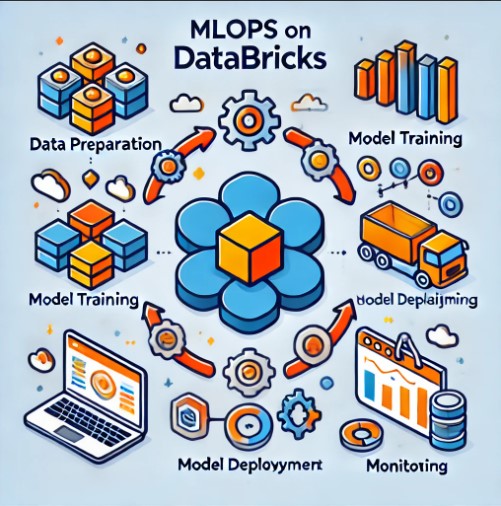
Traditional ML Ops refers to the practices and processes involved in deploying and maintaining machine learning models in production. This often includes:

  • Data Preparation: Cleaning and preprocessing data.
  • Model Training: Building and training machine learning models.
  • Model Deployment: Deploying models to production environments.
  • Monitoring and Maintenance: Ensuring models continue to perform as expected over time.

Limitations of Traditional MLOps

While traditional ML Ops has been effective, it comes with several limitations:

  1. Manual Processes: Many tasks are performed manually, leading to inefficiencies and increased risk of human error.
  2. Scalability Issues: Handling large datasets and complex models can be challenging.
  3. Lack of Collaboration: Limited collaboration between data scientists and operations teams.
  4. Poor Monitoring: Inadequate tools for monitoring model performance and detecting issues.

What is MLOps?

Defining MLOps

MLOps, or Machine Learning Operations, is a set of practices that combines machine learning, DevOps, and data engineering to deploy and maintain ML models in production reliably and efficiently. Key components of MLOps include:

  • Automated Pipelines: Streamlining the entire ML workflow from data ingestion to model deployment.
  • Continuous Integration and Continuous Deployment (CI/CD): Ensuring models are always up-to-date and can be quickly deployed.
  • Collaborative Workflows: Enhancing collaboration between data scientists, data engineers, and operations teams.
  • Advanced Monitoring: Implementing robust monitoring and alerting systems to track model performance.

Benefits of MLOps

The shift to MLOps brings numerous benefits:

  1. Increased Efficiency: Automating repetitive tasks and reducing manual intervention.
  2. Scalability: Easily handling large datasets and complex models.
  3. Improved Collaboration: Fostering better communication and collaboration between teams.
  4. Enhanced Monitoring: Providing tools for real-time monitoring and performance tracking.

Why You Should Switch to MLOps Now

The Changing Landscape of Machine Learning

The machine learning landscape is rapidly evolving, with new models, techniques, and tools emerging at an unprecedented pace. To stay competitive, organizations must adapt to these changes by adopting more efficient and scalable practices.

Addressing Common Pain Points

Switching to MLOps addresses many common pain points faced by traditional ML Ops:

  • Manual Errors: Automating workflows reduces the risk of human error.
  • Slow Deployment: CI/CD pipelines accelerate the deployment process.
  • Poor Model Performance: Continuous monitoring ensures models maintain high performance.
  • Team Silos: Collaborative tools break down silos and enhance teamwork.

Key Components of MLOps

Automated Pipelines

Automated pipelines are at the heart of MLOps, ensuring that the entire ML workflow is streamlined and efficient. These pipelines typically include:

  • Data Ingestion: Automatically collecting and processing data from various sources.
  • Model Training: Continuously training models with the latest data.
  • Model Validation: Automatically validating model performance before deployment.
  • Model Deployment: Seamlessly deploying models to production environments.

Continuous Integration and Continuous Deployment (CI/CD)

CI/CD pipelines are essential for maintaining up-to-date models in production. They allow for:

  • Automated Testing: Ensuring models are tested thoroughly before deployment.
  • Rapid Deployment: Quickly deploying new models or updates.
  • Rollback Mechanisms: Easily reverting to previous versions if issues arise.

Advanced Monitoring and Logging

MLOps includes robust monitoring and logging systems to track model performance and detect anomalies. Key features include:

  • Real-time Monitoring: Tracking model performance in real-time.
  • Alerting Systems: Setting up alerts for any performance degradation or anomalies.
  • Comprehensive Logging: Keeping detailed logs of all model activities for auditing and debugging.

Implementing MLOps in Your Organization

Steps to Get Started

  1. Assess Current Workflows: Evaluate your existing ML Ops processes to identify areas for improvement.
  2. Choose the Right Tools: Select MLOps tools that fit your organization’s needs (e.g., MLflow, Kubeflow, TFX).
  3. Automate Workflows: Implement automated pipelines for data ingestion, model training, validation, and deployment.
  4. Set Up CI/CD: Establish CI/CD pipelines to streamline the deployment process.
  5. Monitor and Optimize: Continuously monitor model performance and optimize workflows as needed.

Overcoming Challenges

Implementing MLOps can come with challenges, such as:

  • Cultural Resistance: Overcome resistance by demonstrating the benefits and providing training.
  • Tool Integration: Ensure seamless integration of MLOps tools with existing infrastructure.
  • Scalability Concerns: Design workflows that can scale with increasing data and model complexity.

FAQ MLOps vs Traditional ML Ops

What is the main difference between MLOps and traditional ML Ops?

MLOps emphasizes automation, scalability, and collaboration, whereas traditional ML Ops often involves more manual processes and less integration between teams.

How does MLOps improve collaboration?

MLOps fosters collaboration by providing tools and practices that facilitate communication and joint efforts between data scientists, data engineers, and operations teams.

Can small organizations benefit from MLOps?

Yes, small organizations can benefit from MLOps by improving efficiency, reducing manual errors, and enabling scalability, which can lead to better business outcomes.

What tools are commonly used in MLOps?

Common MLOps tools include MLflow, Kubeflow, TFX, and various CI/CD platforms like Jenkins and GitLab CI.

How does MLOps enhance model monitoring?

MLOps enhances model monitoring by providing real-time tracking, alerting systems, and comprehensive logging, ensuring that models perform optimally in production.

Conclusion

The transition from traditional ML Ops to MLOps is not just a trend; it’s a necessary evolution to keep pace with the demands of modern machine learning. By automating workflows, enhancing collaboration, and implementing robust monitoring systems, MLOps offers a comprehensive solution to the challenges faced by traditional ML Ops. Now is the time to make the switch and leverage the full potential of your machine-learning initiatives.

Making the switch to MLOps can significantly enhance your machine learning workflows, leading to more efficient processes, better collaboration, and ultimately, superior business outcomes. Don’t wait—start your MLOps journey today and transform the way you manage your machine learning models. Thank you for reading the DevopsRoles page!

The Ultimate Guide to Choosing the Best MLOps Platform

Introduction

In the rapidly evolving landscape of machine learning, having a robust MLOps platform is crucial for streamlining workflows, enhancing productivity, and ensuring seamless deployment and monitoring of ML models.

This guide will walk you through the essential aspects of selecting the best MLOps platform, providing examples from basic to advanced levels to help you make an informed decision.

What is MLOps?

MLOps, or Machine Learning Operations, is a set of practices that aim to deploy and maintain machine learning models in production reliably and efficiently. It combines machine learning with DevOps to automate and improve the entire ML lifecycle.

Key Benefits of MLOps

  • Scalability: Easily scale ML operations as data and model complexity grow.
  • Collaboration: Foster collaboration between data scientists, engineers, and operations teams.
  • Efficiency: Automate repetitive tasks to save time and reduce errors.
  • Monitoring: Continuously monitor model performance and data quality.

Factors to Consider When Choosing an MLOps Platform

1. Integration Capabilities

A good MLOps platform should seamlessly integrate with your existing tools and infrastructure. Look for platforms that support various data sources, ML frameworks, and deployment environments.

Example: Basic Integration

Platforms like TensorFlow Extended (TFX) provide out-of-the-box integration with TensorFlow models and Google Cloud services.

2. Scalability and Performance

Ensure the platform can handle your current workload and scale with your business growth. Consider factors like data processing speed, model training time, and deployment capabilities.

Example: Advanced Scalability

Kubeflow offers Kubernetes-based scaling, allowing you to manage and scale ML workflows efficiently.

3. Automation and Orchestration

Automation is key to reducing manual effort and minimizing errors. Look for platforms that offer automated data preprocessing, model training, evaluation, and deployment.

Example: Orchestration Tools

MLflow provides a comprehensive solution for tracking experiments, packaging code into reproducible runs, and sharing and deploying models.

4. Model Monitoring and Management

Continuous monitoring of model performance and data quality is crucial for maintaining model accuracy over time. Choose platforms with robust monitoring tools and alert systems.

Example: Monitoring Tools

DataRobot MLOps offers end-to-end model monitoring, alerting, and management capabilities.

5. Security and Compliance

Security is paramount when handling sensitive data. Ensure the platform complies with industry standards and offers robust security features like encryption, access controls, and audit logs.

Example: Security Features

Azure Machine Learning provides enterprise-grade security, including network isolation, role-based access control, and compliance certifications.

6. Cost and Licensing

Consider the total cost of ownership, including licensing fees, infrastructure costs, and potential hidden costs. Evaluate whether the platform offers a pricing model that fits your budget.

Example: Cost Analysis

Platforms like Amazon SageMaker offer pay-as-you-go pricing, allowing you to scale your costs with usage.

Steps to Implementing an MLOps Platform

Step 1: Define Your Requirements

Identify your specific needs, including integration requirements, scalability, automation, monitoring, security, and budget constraints.

Step 2: Evaluate Potential Platforms

Research and compare different MLOps platforms based on your defined requirements. Use trial versions or demos to test their capabilities.

Step 3: Plan Your Implementation

Create a detailed implementation plan outlining the steps, timeline, and resources required. Ensure you have the necessary skills and support for a smooth transition.

Step 4: Deploy and Monitor

Deploy the selected MLOps platform, configure it according to your needs, and continuously monitor its performance to ensure it meets your expectations.

FAQs

What is the best MLOps platform for beginners?

For beginners, platforms like Google Cloud AI Platform and TensorFlow Extended (TFX) offer user-friendly interfaces and extensive documentation to help you get started.

How important is automation in MLOps?

Automation is critical in MLOps as it reduces manual effort, minimizes errors, and accelerates the ML lifecycle. Automated workflows ensure consistency and reliability in model training and deployment.

Can I integrate MLOps platforms with my existing tools?

Yes, most MLOps platforms offer integration capabilities with various data sources, ML frameworks, and deployment environments, allowing seamless integration with your existing tools.

How do I ensure the security of my MLOps platform?

Choose platforms that comply with industry standards and offer robust security features like encryption, access controls, and audit logs. Regularly update and monitor your security settings to protect sensitive data.

Conclusion

Choosing the best MLOps platform requires careful consideration of your specific needs and the platform’s capabilities. By evaluating factors like integration, scalability, automation, monitoring, security, and cost, you can find a solution that enhances your machine-learning operations and drives business success. With the right MLOps platform, you can streamline your ML workflows, improve collaboration, and ensure reliable model deployment and monitoring.

This guide has covered essential aspects of selecting the best MLOps platform, providing insights from basic to advanced levels. By following these guidelines, you can make an informed decision and implement a robust MLOps strategy that aligns with your business goals. Thank you for reading the DevopsRoles page!
Devops Tutorial

Exit mobile version