DevSecOps: What Is Security in the DevOps Process and Why Is It Important?

Introduction

In today’s fast-paced software development landscape, security is no longer an afterthought. DevSecOps-short for Development, Security, and Operations-ensures that security is embedded into every stage of the DevOps process. This proactive approach minimizes vulnerabilities, reduces risks, and streamlines compliance. But why is DevSecOps essential, and how can organizations implement it effectively? This article explores the concept, benefits, implementation strategies, and best practices of DevSecOps.

What Is DevSecOps?

Understanding DevSecOps

DevSecOps is an extension of DevOps that integrates security into the entire software development lifecycle (SDLC). It promotes collaboration between development, security, and operations teams to identify and mitigate security threats early in the development process.

Key Principles of DevSecOps

  • Security as Code: Automating security policies and configurations.
  • Shift-Left Approach: Implementing security measures early in the SDLC.
  • Continuous Monitoring: Detecting and responding to threats in real-time.
  • Collaboration and Shared Responsibility: Encouraging cross-functional teams to address security proactively.

Why Is Security Important in DevOps?

The Growing Need for DevSecOps

With cyber threats evolving rapidly, traditional security approaches are no longer sufficient. DevSecOps addresses security concerns by embedding protective measures throughout the DevOps pipeline, reducing the risk of vulnerabilities reaching production.

Benefits of DevSecOps

  1. Enhanced Security Posture: Identifying vulnerabilities early minimizes security risks.
  2. Faster Development Cycles: Automated security checks reduce delays.
  3. Compliance Assurance: Aligns with regulatory requirements such as GDPR, HIPAA, and ISO 27001.
  4. Cost Savings: Fixing security issues earlier is more cost-effective than post-deployment remediation.
  5. Improved Collaboration: Fosters a security-first culture across teams.

How to Implement DevSecOps

1. Integrating Security into CI/CD Pipelines

DevSecOps involves incorporating security controls into Continuous Integration/Continuous Deployment (CI/CD) workflows.

  • Static Application Security Testing (SAST): Scans code for vulnerabilities before deployment.
  • Dynamic Application Security Testing (DAST): Identifies runtime vulnerabilities.
  • Software Composition Analysis (SCA): Detects risks in open-source components.

2. Automating Security Testing

Automated security tools ensure that vulnerabilities are detected and mitigated efficiently.

  • Popular Security Automation Tools:
    • SonarQube (SAST)
    • OWASP ZAP (DAST)
    • Dependabot (SCA)

3. Using Infrastructure as Code (IaC) Security

  • Terraform Security Best Practices: Apply security policies in infrastructure configurations.
  • Cloud Security Posture Management (CSPM): Tools like Prisma Cloud and AWS Config monitor cloud environments.

4. Enforcing Access Control and Identity Management

  • Implement Role-Based Access Control (RBAC) to restrict unauthorized access.
  • Utilize Multi-Factor Authentication (MFA) for additional security.

5. Continuous Monitoring and Incident Response

  • Utilize Security Information and Event Management (SIEM) solutions for real-time threat detection.
  • Automate incident response workflows using SOAR (Security Orchestration, Automation, and Response) tools.

Real-World Examples of DevSecOps

Example 1: Securing a Web Application

  • Challenge: A fintech company deploying a banking app faces security vulnerabilities.
  • Solution: Integrating DevSecOps tools like SAST, DAST, and container security scans into the CI/CD pipeline.
  • Outcome: Early detection of security flaws reduces the risk of data breaches.

Example 2: Cloud Security in a DevOps Environment

  • Challenge: A SaaS provider migrates its services to the cloud but struggles with misconfigured permissions.
  • Solution: Implementing Infrastructure as Code (IaC) security scans and automated compliance checks.
  • Outcome: Reduced misconfiguration risks, ensuring compliance with security standards.

FAQs on DevSecOps

1. How is DevSecOps different from traditional security?

Unlike traditional security, which is applied at the end of development, DevSecOps integrates security throughout the SDLC, ensuring continuous risk mitigation.

2. Which tools are commonly used in DevSecOps?

Some popular DevSecOps tools include:

  • SAST: SonarQube, Checkmarx
  • DAST: OWASP ZAP, Burp Suite
  • Container Security: Aqua Security, Trivy
  • SIEM: Splunk, ELK Stack

3. Can DevSecOps be applied in small teams?

Yes. Small teams can leverage automated security tools and cloud-based security services to implement DevSecOps efficiently.

4. What are the challenges in implementing DevSecOps?

  • Resistance to change in development teams
  • Complexity in integrating security tools
  • Skills gap in security expertise
  • Balancing security with speed in deployments

5. How does DevSecOps support compliance?

DevSecOps ensures adherence to security regulations by automating compliance checks and maintaining audit logs for security assessments.

External Resources

Conclusion

DevSecOps is a transformative approach to secure software development. By embedding security into the DevOps lifecycle, organizations can proactively detect and mitigate vulnerabilities, reduce risks, and improve compliance. Implementing DevSecOps requires cultural, technical, and procedural changes, but the long-term benefits outweigh the challenges. Businesses looking to secure their DevOps processes should start by integrating security automation, enforcing access controls, and adopting continuous monitoring. Embracing DevSecOps is the key to achieving resilient, secure, and agile software development. Thank you for reading the DevopsRoles page!

Create a blog posting schedule based on keywords – AI for Marketing

1. Why Create a Blog Posting Schedule Based on Keywords?

Building blog content around keywords helps optimize SEO, attract the right audience, and generate stable traffic. A specific posting schedule ensures consistency, improves search rankings, and keeps content aligned with reader needs.

AI for Marketing: Google Ads Keyword Title Generator to Improve Quality Score & Search Visibility

2. Steps to Build a Blog Posting Schedule Based on Keywords

Step 1: Define Content Goals

Before creating a schedule, determine:

  • What is the purpose of the blog content? (Brand awareness, lead generation, sales growth…)
  • Who is the target audience? (What are their interests, what information are they searching for?)
  • Posting frequency: Daily, weekly, or monthly?

Step 2: Keyword Research

Finding and analyzing keywords is crucial for reaching the right audience.

  • Use tools like Google Keyword Planner, Ahrefs, SEMrush, and Ubersuggest to find potential keywords.
  • Categorize keywords into:
    • Primary Keywords: High search volume, directly related to the product/service.
    • Secondary Keywords: Supportive keywords with lower competition.
    • Long-tail Keywords: More specific and help attract potential customers.

Step 3: Build Blog Topics from Keywords

From the researched keyword list, create topics for each blog post. Some suggestions:

  • How-to Guides: “How to Use [Product/Service] Effectively”
  • Comparison Articles: “[Product A] vs. [Product B]: Which is the Best Choice?”
  • Review Articles: “In-depth Review of [Product/Service]”
  • List Articles: “Top 10 Tools to Improve [Industry/Niche] Efficiency”

Step 4: Create a Posting Plan

Develop a structured posting schedule using Google Sheets, Trello, Notion, or other content management tools. The plan should include:

  • Posting date
  • Blog topic
  • Main keyword
  • Author (if multiple writers)
  • Content distribution channels (Blog, Facebook, LinkedIn, Email…)

Step 5: Optimize Each Post for SEO

After writing, ensure the content is optimized for maximum SEO impact:

  • Include the primary keyword in the title, subheadings (H2, H3), and throughout the content.
  • Use high-quality images with alt tags containing the keyword.
  • Link internally to related blog posts.
  • Optimize meta descriptions and SEO-friendly URLs.

Step 6: Track, Evaluate, and Adjust

Once the schedule is implemented, monitor content performance:

  • Use Google Analytics to measure traffic, time on page, and bounce rates.
  • Track keyword rankings using Ahrefs or SEMrush.
  • Update old content when necessary to maintain SEO effectiveness.

3. AI Prompt for Creating a Blog Posting Schedule Based on Keywords

Use the following prompt to generate an optimized blog posting schedule:

I'd like you to help me come up with a content schedule for my blog that has the best chance of helping me rank for long tail keywords that are specific to my keyword. I'll tell you my main target keyword in the prompt below. Please target transaction style search terms only. Please come up with clickbait-style titles for these blog posts. Please organize each blog post title in a nice-looking table so that it looks like a calendar. Each week should be separated into its own table. Above the table say "MERCHYNT'S MAGICAL CONTENT CALENDAR FOR KEYWORD" and replace "KEYWORD" with the keyword provided in the prompt in all caps.

The keyword I'm targeting is: [insert keyword]
Please provide all responses in English.

4. SEO Considerations

  • Naturally integrate the main keyword into the title, meta description, and throughout the article.
  • Use relevant secondary keywords without overloading the content.
  • Maintain a well-structured, informative article without unnecessary filler.

5. FAQ Section

1. How often should I post new blog content?
It depends on your content strategy, but ideally at least one post per week to maintain search engine visibility.

2. Should I update old blog posts?
Yes! Google values frequently updated content. Ensure your articles remain relevant and accurate.

3. Why are long-tail keywords important?
Long-tail keywords help reach a more targeted audience and have a higher conversion rate than short keywords.

6. External Links

7. Conclusion

Creating a blog posting schedule based on keywords not only improves SEO but also ensures that content remains fresh, attracts customers, and fosters long-term growth. By following this process, you can build an effective content strategy and enhance digital marketing performance. Thank you for reading the DevopsRoles page!
Top 10 Best DevOps Tools of 2025 – Don’t Miss Out

Introduction

DevOps has become an integral part of modern software development, enabling teams to enhance efficiency, automate workflows, and ensure seamless deployment. As technology evolves, new tools emerge to optimize DevOps pipelines. In this article, we explore the Top 10 Best DevOps Tools of 2025 that are reshaping the industry, covering their features, use cases, and why they stand out.

Top 10 Best DevOps Tools of 2025

1. Jenkins – The Continuous Integration Pioneer

Jenkins remains a cornerstone in DevOps, offering extensive automation capabilities for continuous integration and continuous deployment (CI/CD).

Key Features:

  • Open-source with a vast plugin ecosystem
  • Supports parallel builds
  • Integration with popular DevOps tools

Use Case:

Automating code testing and deployment to improve development speed.

2. Docker – Revolutionizing Containerization

Docker simplifies application deployment by packaging software into lightweight containers that run consistently across environments.

Key Features:

  • Platform-independent containerization
  • Scalable microservices architecture
  • Seamless CI/CD integration

Use Case:

Ensuring consistency in development, testing, and production environments.

3. Kubernetes – The Ultimate Container Orchestration Tool

Kubernetes automates the deployment, scaling, and operation of containerized applications.

Key Features:

  • Self-healing and auto-scaling
  • Rolling updates for zero-downtime deployments
  • Service discovery and load balancing

Use Case:

Managing large-scale containerized applications with minimal manual intervention.

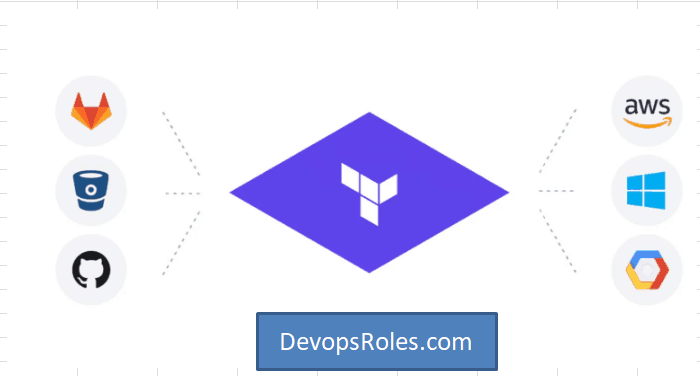
4. Terraform – Infrastructure as Code (IaC) Leader

Terraform enables automated infrastructure provisioning using declarative configuration files.

Key Features:

  • Multi-cloud support (AWS, Azure, GCP)
  • Immutable infrastructure
  • Version control integration

Use Case:

Automating cloud resource provisioning and managing infrastructure efficiently.

5. GitHub Actions – CI/CD Directly in Your Repository

GitHub Actions allows DevOps teams to automate workflows within GitHub repositories.

Key Features:

  • Native CI/CD for GitHub repositories
  • Event-driven automation
  • Secure, fast, and scalable builds

Use Case:

Automating software testing and deployment with minimal configuration.

6. Ansible – Simplifying IT Automation

Ansible is an agentless automation tool that simplifies configuration management and application deployment.

Key Features:

  • YAML-based playbooks
  • Scalable automation
  • Security and compliance enforcement

Use Case:

Managing server configurations across multiple environments with ease.

7. Prometheus – Advanced Monitoring and Alerting

Prometheus is a leading open-source monitoring and alerting toolkit designed for reliability.

Key Features:

  • Time-series data collection
  • Powerful querying language (PromQL)
  • Integrates with Grafana for visualization

Use Case:

Monitoring cloud-based applications and infrastructure performance.

8. Grafana – Real-time Data Visualization

Grafana provides beautiful, interactive dashboards for monitoring and analytics.

Key Features:

  • Supports multiple data sources
  • Customizable alerts
  • User-friendly UI

Use Case:

Creating real-time dashboards for DevOps observability and insights.

9. Splunk – Log Management and Security

Splunk enables organizations to analyze machine data and logs for performance optimization and security.

Key Features:

  • AI-driven analytics
  • Security Information and Event Management (SIEM)
  • Automated alerting and insights

Use Case:

Detecting and mitigating security threats using AI-powered log analysis.

10. CircleCI – Scalable CI/CD for Teams

CircleCI accelerates software development with robust CI/CD pipelines and performance optimizations.

Key Features:

  • Container-native builds
  • Fast caching for speed improvements
  • Integrated debugging tools

Use Case:

Boosting software delivery speed through automated builds and deployments.

Frequently Asked Questions (FAQ)

1. What is the best DevOps tool for CI/CD?

Jenkins and GitHub Actions are the most widely used CI/CD tools, offering automation and seamless integration.

2. How does Kubernetes improve DevOps?

Kubernetes automates container orchestration, ensuring high availability, scalability, and self-healing infrastructure.

3. Which tool is best for infrastructure automation?

Terraform is the top choice for Infrastructure as Code (IaC), enabling automated cloud resource provisioning.

4. Why is monitoring important in DevOps?

Tools like Prometheus and Grafana provide real-time insights into system performance, helping teams proactively detect issues.

5. How can DevOps tools enhance security?

Splunk and Ansible offer security features such as automated compliance enforcement and AI-driven threat detection.

Conclusion

The Top 10 Best DevOps Tools of 2025 are transforming how teams develop, deploy, and manage software. Whether you need CI/CD, infrastructure automation, monitoring, or security solutions, these tools help streamline your DevOps workflows. By integrating these cutting-edge tools, organizations can improve efficiency, reliability, and innovation in software development. Thank you for reading the DevopsRoles page!

Recommended Readings:

AI for Marketing: Google Ads Keyword Title Generator to Improve Quality Score & Search Visibility

1. Why Are Headlines and Descriptions Important in Google Ads?

In Google Ads, headlines and ad descriptions play a crucial role in attracting users, improving Quality Score, and optimizing Impression Share. When a headline aligns with search queries, your ad has a higher chance of appearing on the first page.

How to Create Viral Post Titles: A Proven Formula for Maximum Engagement

  • Higher Quality Score helps lower CPC (Cost Per Click) while maintaining a top position.
  • Engaging headlines increase CTR (Click-Through Rate), improving ad performance.
  • Using targeted keywords helps Google understand which searches your ad is relevant for.

2. Using AI Prompt to Generate Optimized Headlines

With AI Prompt, you can quickly create optimized headlines and ad descriptions for Google Ads. Below is the prompt structure for generating high-quality Google Ads headlines:

AI Prompt:

Analyze URL or Look at the list of keywords. Type up 20 short - high sentiment headline and write 6 short descriptions . [URL or Keywords]
Write 20 headlines with max 20 characters 
Write 6 descriptions with max 70 characters
Headlines:
Description: 
Keep it short and to the point as possible in [LANGUAGE]

Prompt Explanation:

  • Analyze URL or Keywords: Input the URL or a list of keywords related to your product/service.
  • Write 20 headlines (max 20 characters): Ensure headlines are short, engaging, and compelling.
  • Write 6 descriptions (max 70 characters): Optimize descriptions to deliver key messages concisely.
  • Keep it short and to the point: Maintain brevity while conveying meaningful information.
  • [LANGUAGE]: Specify the language used in the ad (e.g., English, Vietnamese).

3. Example: Generating Headlines and Descriptions for “DevOps”

Input Prompt:

Analyze keywords: DevOps
Write 20 headlines with max 20 characters
Write 6 descriptions with max 70 characters
Language: English

AI-Generated Output:

20 Headlines (Max 20 Characters)

  1. DevOps Automation
  2. Scale With DevOps
  3. Faster CI/CD Now
  4. Cloud & DevOps
  5. Agile & DevOps
  6. Secure DevOps
  7. DevOps Made Easy
  8. DevOps Experts
  9. Deploy Faster
  10. DevOps Solutions
  11. Cloud DevOps Tools
  12. CI/CD Optimization
  13. DevOps Consulting
  14. Learn DevOps Today
  15. DevOps for Startups
  16. AI-Driven DevOps
  17. Improve DevOps Flow
  18. Modern DevOps
  19. DevOps Simplified
  20. Smart DevOps

6 Descriptions (Max 70 Characters)

  1. Optimize your workflow with seamless DevOps automation.
  2. Get faster deployments & efficient CI/CD pipelines.
  3. Secure, scalable, and smart DevOps solutions for businesses.
  4. Transform your software delivery with modern DevOps tools.
  5. Boost agility & efficiency with expert DevOps consulting.
  6. Learn DevOps best practices and improve team productivity.

4. Benefits of Using AI to Generate Google Ads Headlines

  • Automates headline & description creation: Saves time in content generation.
  • Improves Quality Score: Aligns headlines with search queries for higher scores.
  • Optimizes ad performance: Engaging headlines lead to higher CTR.
  • Enables A/B testing: Provides multiple headline options for testing effectiveness.

5. Frequently Asked Questions (FAQ)

1. Can AI generate ad headlines in multiple languages?

Yes, AI can generate ad headlines in multiple languages depending on the prompt input.

2. Can AI help optimize Google Ads Quality Score?

Yes, using relevant keywords and compelling headlines helps improve ad Quality Score.

3. Can AI automatically update headlines based on search trends?

Some advanced AI tools can analyze search trends and suggest optimized headlines.

4. Can I edit AI-generated headlines?

Absolutely. AI provides suggestions, but you can refine them to better fit your campaign.

5. Does using AI violate Google Ads policies?

No, as long as the content does not violate Google Ads policies, AI can be used to assist in ad creation.

6. Useful Links (External Resources)

7. Conclusion

  • AI-driven Google Ads headline generation enhances Quality Score and search visibility.
  • Using AI prompts saves time and improves ad performance with engaging and optimized headlines.
  • AI tools help align ads with search queries, lowering CPC and increasing CTR.
  • AI-generated content allows for A/B testing, optimizing ad variations for better results.
  • AI can generate multilingual headlines, adapt to search trends, and ensure compliance with Google Ads policies. Thank you for reading the DevopsRoles page!
How to Create Viral Post Titles: A Proven Formula for Maximum Engagement

A well-crafted title is the first impression of your blog post. It determines whether a reader will click on your content or scroll past it. With the rise of social media and content saturation, Create Viral Post Titles is more important than ever. A compelling title not only attracts clicks but also boosts engagement, improves SEO rankings, and enhances content shareability.

AI for Marketing: Google Ads Keyword Title Generator to Improve Quality Score & Search Visibility

In this comprehensive guide, we will explore what makes a blog title go viral, provide effective title-writing formulas, introduce an AI prompt to generate high-quality titles instantly, and answer frequently asked questions about crafting viral headlines.

1. The Importance of a Strong Blog Post Title

A powerful title serves multiple purposes:

Captures attention: A headline is your first (and sometimes only) chance to hook the reader.
Improves click-through rates (CTR): A catchy title encourages more users to click, boosting engagement.
Enhances SEO: Keywords in your title can help improve search engine rankings.
Encourages sharing: Viral-worthy headlines increase the chances of your content being shared across social media.

Why Do Some Titles Go Viral While Others Fail?

A great title triggers curiosity, emotion, or urgency. It gives just enough information to intrigue the reader while leaving enough mystery to encourage them to click.

Common characteristics of viral blog post titles include:

Eliciting curiosity (“You Won’t Believe What This Blogger Did to Go Viral!”)
Using numbers (“10 Proven Headline Formulas That Work”)
Solving a problem (“How to Write Attention-Grabbing Titles That Drive Traffic”)
Playing on emotions (“The Shocking Truth About Clickbait Headlines”)
Creating urgency (“Why You Must Optimize Your Blog Titles Today”)

2. How to Write a Viral Blog Post Title (Proven Formulas)

Creating a viral-worthy title is not about luck—it’s about using the right structure and psychological triggers. Here are some proven title formulas that have been tested to increase clicks and engagement:

🔹 Formula 1: [Number] + [Adjective] + [Benefit]

People love list-style articles. Adding numbers makes your content easier to digest and more compelling.

“7 Simple Tricks to Write Blog Titles That Go Viral”
“10 Surprising Facts About SEO You Didn’t Know”

🔹 Formula 2: “How to” + [Achieve a Goal]

Readers are always searching for solutions to their problems. Titles that offer guidance perform well.

“How to Write Headlines That Instantly Capture Attention”
“How to Increase Your Blog Traffic by 200%”

🔹 Formula 3: “Why” + [Statement] + [Intriguing Hook]

Using “Why” at the beginning of a title makes it more compelling by tapping into curiosity.

“Why Some Blog Titles Go Viral While Others Fail”
“Why Clickbait Headlines Still Dominate the Internet”

🔹 Formula 4: [Warning] + [Avoidable Mistake]

Nobody wants to make mistakes. A warning-based headline grabs attention.

“Stop Making These 5 Headline Mistakes If You Want More Clicks”
“Avoid These Blogging Errors That Kill Your Engagement”

🔹 Formula 5: [Expert Advice] + [Valuable Insight]

When you position the article as an expert-backed piece, readers will perceive it as trustworthy and valuable.

“Experts Reveal: The Secret to Writing Irresistible Blog Titles”
“SEO Professionals Share Their Best Strategies for Headline Optimization”

3. AI Prompt for Generating Viral Blog Titles Instantly

If you want to automate the process of writing compelling blog post titles, use the following AI prompt:

Please ignore all previous instructions. I want you to respond only in language [English].  
I want you to act as a blog post title writer that speaks and writes fluent English.  
I will type a title, or keywords via comma and you will reply with blog post titles in [English].  
They should all have a hook and high potential to go viral on social media. Write all in [English].  
My first keywords are [your topic keywords].  

👉 Example Usage
Prompt:

Please ignore all previous instructions. I want you to respond only in language [English].  
I want you to act as a blog post title writer that speaks and writes fluent English.  
I will type a title, or keywords via comma and you will reply with blog post titles in [English].  
They should all have a hook and high potential to go viral on social media. Write all in [English].  
My first keywords are [how to write viral titles, attract readers].  

AI-Generated Titles:
1️⃣ “7 Headline Formulas That Will Instantly Boost Your Clicks!”
2️⃣ “The Ultimate Guide to Writing Blog Titles That Go Viral”
3️⃣ “How to Craft Headlines That Drive More Traffic”
4️⃣ “Did You Know? This Simple Trick Will Make Your Titles More Engaging”
5️⃣ “Avoid These 5 Mistakes If You Want More Readers”

4. FAQs About Writing Viral Blog Titles

Q1: How long should a blog post title be?

An ideal title is between 6 to 12 words (about 50–60 characters). This ensures it displays properly on Google search results and social media.

Q2: Can I use clickbait-style titles?

Clickbait titles can increase clicks but may harm credibility if they overpromise and underdeliver. Instead, focus on engaging but honest titles.

Q3: How do I know if my title is effective?

Test your titles using headline analyzer tools like:

Q4: Should I always use numbers in my titles?

Not necessarily. While list-based titles perform well, mixing in “how-to” and question-based formats keeps your content fresh.

Q5: Can I change my blog title after publishing?

Yes! If your post is underperforming, A/B test different titles to see what works best.

5. External Resources for Title Optimization

🔗 SEO Headline Best PracticesMoz
🔗 Social Media Title OptimizationHubSpot
🔗 Emotional Words in HeadlinesCopyblogger

6. Conclusion: Master the Art of Viral Blog Titles

Crafting a highly engaging and viral blog title is an art and science. By understanding psychological triggers, using proven formulas, and leveraging AI-powered title generators, you can dramatically boost your click-through rates and social media shares. Thank you for reading the DevopsRoles page!

🚀 Now it’s your turn! Apply these techniques and start creating titles that make an impact! 🚀

Run Docker Without Root User in ML Batch Endpoint

Introduction

Docker is widely used in Machine Learning (ML) batch processing for its scalability, efficiency, and reproducibility. However, running Docker containers as the root user can pose security risks, such as privilege escalation and unauthorized system access. In this guide, we will explore how to run Docker without root User privileges in an ML Batch Endpoint environment. We will cover best practices, configurations, and step-by-step implementation to enhance security and operational efficiency.

Why Run Docker Without Root?

Running Docker as a non-root user is a security best practice that mitigates several risks, including:

  • Reduced Attack Surface: Prevents unauthorized privilege escalation.
  • Improved Compliance: Meets security policies and standards in enterprises.
  • Enhanced Stability: Reduces the likelihood of accidental system modifications.
  • Minimized Risks: Prevents accidental execution of harmful commands.

Prerequisites

Before proceeding, ensure you have:

  • A system with Docker installed.
  • A user account with sudo privileges.
  • A configured ML Batch Endpoint.
  • Basic knowledge of Linux terminal commands.

Configuring Docker for Non-Root Users

Step 1: Add User to Docker Group

By default, Docker requires root privileges. To enable a non-root user to run Docker, add the user to the docker group.

sudo groupadd docker
sudo usermod -aG docker $USER

After running the above commands, log out and log back in or restart your system.

Step 2: Verify Docker Permissions

Check whether the user can run Docker commands without sudo:

docker run hello-world

If the command runs successfully, Docker is set up for the non-root user.

Running Docker Containers in ML Batch Endpoint Without Root

Step 1: Create a Non-Root Dockerfile

To enforce non-root execution, modify the Dockerfile to specify a non-root user.

FROM python:3.9-slim

# Create a non-root user
RUN groupadd -r mluser && useradd -m -r -g mluser mluser

# Set working directory
WORKDIR /home/mluser

# Switch to non-root user
USER mluser

CMD ["python", "-c", "print('Running ML Batch Endpoint without root!')"]

Step 2: Build and Run the Docker Image

docker build -t ml-nonroot .
docker run --rm ml-nonroot

Step 3: Deploy the Container in an ML Batch Endpoint

When deploying to an ML Batch Endpoint (e.g., AWS SageMaker, Google Vertex AI, Azure ML), ensure the environment supports non-root execution by specifying a non-root container runtime.

Example deployment command for Azure ML:

az ml batch-endpoint create --name my-endpoint --file endpoint.yml

Ensure the endpoint.yml file includes a reference to the non-root Docker image.

Best Practices for Running Docker Without Root

  • Use Least Privilege Principle: Always run containers with the least required privileges.
  • Avoid --privileged Mode: This flag grants root-like permissions inside the container.
  • Use Rootless Docker Mode: Configure Docker to run in rootless mode for additional security.
  • Leverage Read-Only Filesystems: Restrict file modifications inside containers.
  • Scan Images for Vulnerabilities: Regularly scan Docker images for security flaws.

FAQ

1. Why can’t I run Docker without root by default?

By default, Docker requires root privileges to access system resources securely. However, adding the user to the docker group allows non-root execution.

2. What if my ML batch endpoint does not support non-root users?

Check the platform documentation. Many services, like Google Vertex AI and AWS SageMaker, allow specifying non-root execution environments.

3. How do I ensure my non-root user has sufficient permissions?

Ensure the non-root user has appropriate file and directory permissions inside the container, and use USER directives correctly in the Dockerfile.

4. Is running Docker in rootless mode better than using the docker group?

Rootless mode is more secure as it eliminates the need for root privileges entirely, making it the preferred approach in high-security environments.

5. Can I switch back to root inside the container?

Yes, but it’s not recommended. You can regain root access by using USER root in the Dockerfile, though this defeats the purpose of security hardening.

External References

Conclusion

Running Docker without root privileges in an ML Batch Endpoint is a crucial security practice that minimizes risks while maintaining operational efficiency. By configuring Docker appropriately and adhering to best practices, you can ensure secure, stable, and compliant ML workloads. Follow this guide to enhance your Docker-based ML deployments while safeguarding your infrastructure.Thank you for reading the DevopsRoles page!

AI and Education: Transforming Learning in the Digital Age

Introduction

Artificial Intelligence (AI) is reshaping the educational landscape by providing personalized learning experiences, automating administrative tasks, and fostering innovation in teaching methods. From AI-powered tutors to smart content recommendations, the integration of AI in education is enhancing the efficiency and accessibility of learning. This article delves into the applications, benefits, challenges, and future prospects of AI and Education.

How AI is Transforming Education

1. Personalized Learning

AI enables adaptive learning experiences by analyzing students’ performance and customizing content accordingly.

  • Smart tutoring systems: AI-driven tutors provide real-time feedback and guidance.
  • Adaptive assessments: Tailored quizzes and exams adjust to a student’s knowledge level.
  • Learning analytics: AI tracks progress and suggests areas for improvement.

2. AI-Powered Administrative Efficiency

AI automates time-consuming tasks, allowing educators to focus on teaching.

  • Automated grading: AI-powered tools assess assignments and quizzes efficiently.
  • Smart scheduling: AI optimizes class schedules based on resource availability.
  • Chatbots for student queries: AI assistants provide instant answers to common questions.

3. Enhancing Student Engagement

AI fosters interactive and immersive learning experiences through:

  • Gamification: AI-powered educational games increase motivation.
  • Augmented and Virtual Reality (AR/VR): AI enhances immersive learning simulations.
  • Intelligent content creation: AI generates interactive lessons and multimedia content.

4. Bridging Educational Gaps

AI provides solutions to global educational challenges:

  • Language translation: AI-powered tools break language barriers in learning.
  • Accessibility features: AI assists students with disabilities through speech-to-text and text-to-speech tools.
  • Remote learning support: AI-driven platforms ensure quality education access worldwide.

Real-World Applications of AI in Education

Case Study 1: AI Tutoring in K-12 Education

Platforms like Khan Academy and Squirrel AI use AI-driven tutors to provide customized learning experiences, improving student outcomes.

Case Study 2: AI in Higher Education

Universities use AI for plagiarism detection, intelligent grading, and personalized course recommendations.

Case Study 3: AI in Corporate Training

Companies leverage AI-powered platforms for employee training, ensuring personalized and effective learning.

Challenges and Ethical Considerations

1. Data Privacy and Security

Educational institutions must safeguard student data and ensure compliance with privacy regulations.

2. AI Bias and Fairness

AI algorithms must be designed to provide fair and unbiased learning experiences.

3. Teacher-Student Relationship

While AI enhances education, it cannot replace the human touch crucial in teaching and mentorship.

Future of AI in Education

1. AI-Driven Virtual Classrooms

Future classrooms will integrate AI-powered holograms and virtual reality simulations for immersive learning.

2. AI-Powered Career Guidance

AI tools will assist students in career planning by analyzing their strengths and recommending suitable paths.

3. Blockchain for Educational Records

AI and blockchain will enhance transparency and security in credential verification and academic records.

FAQ: Common Questions About AI and Education

Q1: How does AI personalize learning?

AI analyzes student performance, identifies strengths and weaknesses, and adjusts content accordingly.

Q2: Can AI replace teachers?

No, AI complements teachers by automating administrative tasks and providing personalized support.

Q3: Is AI in education expensive?

While initial implementation may be costly, AI-driven education solutions can be cost-effective in the long run.

Q4: How does AI help students with disabilities?

AI-powered tools, such as speech recognition and text-to-speech, assist students with special needs.

Q5: What are the risks of using AI in education?

Data privacy, algorithmic bias, and ethical concerns need to be addressed when implementing AI in education.

External Resources

Conclusion

AI is revolutionizing education by enhancing personalization, improving efficiency, and making learning more accessible. While challenges exist, ethical implementation and innovation can ensure that AI positively transforms education for students and educators alike. As AI technology evolves, its role in education will continue to expand, paving the way for a more intelligent and inclusive learning environment.Thank you for reading the DevopsRoles page!

AWS Toolkit for Azure DevOps: Streamlining Multi-Cloud CI/CD Workflows

Introduction

In today’s cloud-centric world, businesses often operate in multi-cloud environments, leveraging both Amazon Web Services (AWS) and Microsoft Azure. The AWS Toolkit for Azure DevOps provides a seamless way to integrate AWS services into Azure DevOps workflows, enabling DevOps teams to automate deployments, manage AWS infrastructure, and streamline CI/CD processes efficiently.

This article explores how to set up and use the AWS Toolkit for Azure DevOps, practical use cases, and best practices for optimal performance.

What is AWS Toolkit for Azure DevOps?

The AWS Toolkit for Azure DevOps is an extension provided by AWS that enables developers to integrate AWS services into their Azure DevOps pipelines. This toolkit allows teams to deploy applications to AWS, configure AWS infrastructure, and manage resources within Azure DevOps.

Key Features

  • AWS CodeDeploy Integration: Automate deployments of applications to Amazon EC2, AWS Lambda, or on-premises instances.
  • AWS Elastic Beanstalk Support: Deploy applications seamlessly to AWS Elastic Beanstalk environments.
  • S3 and CloudFormation Integration: Upload assets to Amazon S3 and automate infrastructure provisioning using AWS CloudFormation.
  • IAM Role Management: Securely authenticate Azure DevOps pipelines with AWS Identity and Access Management (IAM).
  • Multi-Account Support: Manage multiple AWS accounts directly from Azure DevOps.

How to Set Up AWS Toolkit for Azure DevOps

Step 1: Install the AWS Toolkit Extension

  1. Navigate to the Azure DevOps Marketplace.
  2. Search for AWS Toolkit for Azure DevOps.
  3. Click Get it free and install it into your Azure DevOps organization.

Step 2: Configure AWS Credentials

To enable Azure DevOps to access AWS resources, configure AWS credentials using an IAM User or IAM Role.

Creating an IAM User

  1. Go to the AWS IAM Console.
  2. Create a new IAM user with programmatic access.
  3. Attach necessary permissions (e.g., AdministratorAccess or a custom policy).
  4. Generate an access key and secret key.
  5. Store credentials securely in Azure DevOps Service Connections.

Using an IAM Role (Recommended for Security)

  1. Create an IAM Role with required permissions.
  2. Attach the role to an EC2 instance or configure AWS Systems Manager for secure access.
  3. Configure Azure DevOps to assume the role using AWS STS (Security Token Service).

Step 3: Set Up AWS Service Connection in Azure DevOps

  1. Go to Project Settings > Service Connections.
  2. Click New service connection and select AWS.
  3. Enter the Access Key, Secret Key, or Assume Role ARN.
  4. Test and save the connection.

Using AWS Toolkit in Azure DevOps Pipelines

Once the AWS Toolkit is configured, you can start integrating AWS services into your Azure DevOps pipelines.

Example 1: Deploying an Application to AWS Elastic Beanstalk

YAML Pipeline Definition

trigger:
- main

pool:
  vmImage: 'ubuntu-latest'

steps:
- task: AWSElasticBeanstalkDeployApplication@1
  inputs:
    awsCredentials: 'AWS_Service_Connection'
    regionName: 'us-east-1'
    applicationName: 'MyApp'
    environmentName: 'MyApp-env'
    applicationPackage: '$(Build.ArtifactStagingDirectory)/app.zip'

Example 2: Deploying a CloudFormation Stack

steps:
- task: AWSCloudFormationCreateOrUpdateStack@1
  inputs:
    awsCredentials: 'AWS_Service_Connection'
    regionName: 'us-east-1'
    stackName: 'MyStack'
    templatePath: 'infrastructure/template.yaml'
    capabilities: 'CAPABILITY_NAMED_IAM'

Best Practices for Using AWS Toolkit for Azure DevOps

  • Use IAM Roles Instead of Access Keys: Minimize security risks by using AWS STS for temporary credentials.
  • Enable Logging and Monitoring: Use AWS CloudWatch and Azure Monitor for enhanced visibility.
  • Automate Infrastructure as Code: Utilize AWS CloudFormation or Terraform for consistent deployments.
  • Implement Least Privilege Access: Restrict permissions to necessary AWS services only.
  • Leverage AWS CodeBuild for Efficient CI/CD: Offload build tasks to AWS CodeBuild for better scalability.

Frequently Asked Questions (FAQ)

1. Is AWS Toolkit for Azure DevOps free to use?

Yes, the AWS Toolkit extension for Azure DevOps is free to install and use. However, standard AWS service charges apply when deploying resources.

2. Can I deploy to AWS Lambda using Azure DevOps?

Yes, the AWS Toolkit supports deployments to AWS Lambda using AWS CodeDeploy or direct Lambda function deployment.

3. How secure is AWS Toolkit for Azure DevOps?

The toolkit follows AWS security best practices. It is recommended to use IAM roles with minimal permissions and enable MFA for added security.

4. Does AWS Toolkit support multi-region deployments?

Yes, you can configure multiple AWS service connections and deploy resources across different regions.

5. Can I integrate AWS CodePipeline with Azure DevOps?

Yes, you can trigger AWS CodePipeline workflows using Azure DevOps pipelines through AWS CLI or SDK integrations.

External Links for Reference

Conclusion

The AWS Toolkit for Azure DevOps empowers organizations to leverage the strengths of both AWS and Azure, enabling a seamless multi-cloud CI/CD experience. By following best practices, securing credentials, and leveraging automation, teams can efficiently deploy and manage applications across both cloud platforms. Start integrating AWS services into your Azure DevOps pipelines today and streamline your cloud deployment workflows! Thank you for reading the DevopsRoles page!

Making K8s APIs Simpler for All Kubernetes Users

Introduction

Kubernetes (K8s) has revolutionized container orchestration, but its API complexities often challenge users. As Kubernetes adoption grows, simplifying K8s APIs ensures greater accessibility and usability for developers, DevOps engineers, and IT administrators.

This article explores methods, tools, and best practices for making K8s APIs simpler for all Kubernetes users.

Why Simplifying K8s APIs Matters

Challenges with Kubernetes APIs

  • Steep Learning Curve: New users find K8s API interactions overwhelming.
  • Complex Configuration: YAML configurations and manifests require precision.
  • Authentication & Authorization: Managing RBAC (Role-Based Access Control) adds complexity.
  • API Versioning Issues: Deprecation and updates can break applications.

Strategies for Simplifying Kubernetes APIs

1. Using Kubernetes Client Libraries

Kubernetes provides client libraries for various programming languages, such as:

These libraries abstract raw API calls, providing simplified methods for managing Kubernetes resources.

2. Leveraging Kubernetes Operators

Operators automate complex workflows, reducing the need for manual API interactions. Some popular operators include:

  • Cert-Manager: Automates TLS certificate management.
  • Prometheus Operator: Simplifies monitoring stack deployment.
  • Istio Operator: Eases Istio service mesh management.

3. Implementing Helm Charts

Helm, the Kubernetes package manager, simplifies API interactions by allowing users to deploy applications using predefined templates. Benefits of Helm include:

  • Reusable Templates: Reduce redundant YAML configurations.
  • Version Control: Easily manage different application versions.
  • Simple Deployment: One command (helm install) instead of multiple API calls.

4. Using Kubernetes API Aggregation Layer

The API Aggregation Layer enables extending Kubernetes APIs with custom endpoints. Benefits include:

  • Custom API Resources: Reduce reliance on default Kubernetes API.
  • Enhanced Performance: Aggregated APIs optimize resource calls.

5. Adopting CRDs (Custom Resource Definitions)

CRDs simplify Kubernetes API interactions by allowing users to create custom resources tailored to specific applications. Examples include:

  • Defining custom workload types
  • Automating deployments with unique resource objects
  • Managing application-specific settings

6. Streamlining API Access with Service Meshes

Service meshes like Istio, Linkerd, and Consul simplify Kubernetes API usage by:

  • Automating Traffic Management: Reduce manual API configurations.
  • Improving Security: Provide built-in encryption and authentication.
  • Enhancing Observability: Offer tracing and monitoring features.

7. Using API Gateways

API gateways abstract Kubernetes API complexities by handling authentication, request routing, and response transformations. Examples:

  • Kong for Kubernetes
  • NGINX API Gateway
  • Ambassador API Gateway

8. Automating API Calls with Kubernetes Operators

Kubernetes operators manage lifecycle tasks without manual API calls. Examples include:

  • ArgoCD Operator: Automates GitOps deployments.
  • Crossplane Operator: Extends Kubernetes API for cloud-native infrastructure provisioning.

Practical Examples

Example 1: Deploying an Application Using Helm

helm install myapp stable/nginx

Instead of multiple kubectl apply commands, Helm simplifies the process with a single command.

Example 2: Accessing Kubernetes API Using Python Client

from kubernetes import client, config
config.load_kube_config()
v1 = client.CoreV1Api()
print(v1.list_pod_for_all_namespaces())

This Python script fetches all running pods using the Kubernetes API without requiring manual API calls.

Example 3: Creating a Custom Resource Definition (CRD)

apiVersion: apiextensions.k8s.io/v1
kind: CustomResourceDefinition
metadata:
  name: myresources.example.com
spec:
  group: example.com
  versions:
  - name: v1
    served: true
    storage: true
  scope: Namespaced
  names:
    plural: myresources
    singular: myresource
    kind: MyResource
    shortNames:
    - mr

CRDs allow users to define new resource types, making Kubernetes APIs more adaptable.

FAQs

1. Why is Kubernetes API complexity a challenge?

Kubernetes APIs involve intricate configurations, authentication mechanisms, and multiple versions, making them difficult to manage for beginners and experts alike.

2. How does Helm simplify Kubernetes API usage?

Helm provides predefined templates that reduce repetitive API calls, ensuring seamless application deployment.

3. What are Custom Resource Definitions (CRDs) in Kubernetes?

CRDs extend Kubernetes APIs, allowing users to define custom objects that suit their application needs.

4. How do service meshes help in API simplification?

Service meshes manage traffic routing, security, and observability without requiring manual API modifications.

5. Which tools help in abstracting Kubernetes API complexity?

Helm, Operators, CRDs, Service Meshes, API Gateways, and Kubernetes client libraries all contribute to simplifying Kubernetes API interactions.

External Resources

Conclusion

Making K8s APIs simpler for all Kubernetes users is crucial for enhancing adoption, usability, and efficiency. By leveraging tools like Helm, Operators, CRDs, and API Gateways, users can streamline interactions with Kubernetes, reducing complexity and boosting productivity.

Kubernetes will continue evolving, and simplifying API access remains key to fostering innovation and growth in cloud-native ecosystems.Thank you for reading the DevopsRoles page!

How to Store Your Docker Registry Credentials

Introduction

Docker registries play a crucial role in containerized application development by allowing developers to store and share container images. However, securely managing credentials to authenticate against these registries is essential to avoid unauthorized access and potential security breaches.

In this guide, we will explore different methods for securely storing Docker registry credentials. We will cover built-in authentication mechanisms, best security practices, and advanced configurations for enhanced protection.

Understanding Docker Authentication

Before diving into storing credentials, it’s important to understand how Docker handles authentication.

Docker Login Command

Docker provides the docker login command to authenticate against registries:

docker login myregistry.com -u myusername -p mypassword

However, using plaintext credentials in the terminal can expose sensitive information. Thus, more secure alternatives should be considered.

Docker Config File

Upon successful authentication, Docker stores credentials in a configuration file located at:

  • Linux/macOS:
    • ~/.docker/config.json
  • Windows:
    • %USERPROFILE%\.docker\config.json

Methods for Storing Docker Registry Credentials

1. Using the Docker Credential Store

Docker provides credential store helpers to store credentials securely rather than saving them in plaintext.

Enabling Docker Credential Store

1.Install a credential helper based on your operating system:

Linux/macOS: Install docker-credential-pass or docker-credential-secretservice.

Windows: Use docker-credential-wincred.

2.Configure Docker to use the credential store:

{
  "credsStore": "os-specific-helper"
}

    2. Using Docker Credential Helpers

    Docker credential helpers offer an additional layer of security by encrypting and storing credentials externally.

    Steps to Use a Credential Helper

    Install the appropriate credential helper (e.g., docker-credential-pass).

    Configure Docker to use it by adding:

    {
      "credHelpers": {
        "myregistry.com": "pass"
      }
    }

    Execute docker login to store credentials using the configured helper.

    3. Storing Credentials in Environment Variables

    For temporary authentication without storing credentials on disk, use environment variables:

    export DOCKER_USERNAME=myusername
    export DOCKER_PASSWORD=mypassword

    Then log in using:

    echo $DOCKER_PASSWORD | docker login myregistry.com -u $DOCKER_USERNAME --password-stdin

    Pros: No credentials stored on disk. Cons: Credentials remain in memory and shell history.

    4. Using AWS Secrets Manager or Vault

    For enterprise environments, use secure secret management tools like AWS Secrets Manager or HashiCorp Vault.

    Example: Using AWS Secrets Manager

    1.Store credentials:

    aws secretsmanager create-secret --name dockerRegistryCreds --secret-string '{"username":"myusername", "password":"mypassword"}'

    2.Retrieve credentials dynamically:

    aws secretsmanager get-secret-value --secret-id dockerRegistryCreds --query SecretString --output text | jq -r '.password' | docker login myregistry.com -u myusername --password-stdin

    Example: Securing Docker Registry Credentials in CI/CD

    In a CI/CD pipeline, avoid storing credentials in source code. Instead:

    • Use environment variables in GitHub Actions, GitLab CI/CD, or Jenkins.
    • Fetch credentials dynamically from a secret manager.
    • Use docker login with --password-stdin to prevent exposure in logs.

    FAQs

    1. Where does Docker store registry credentials by default?

    Docker stores credentials in ~/.docker/config.json, unless configured to use a credential helper.

    2. How can I remove stored Docker credentials?

    Use docker logout:

    docker logout myregistry.com

    Or manually edit ~/.docker/config.json.

    3. Are Docker credential helpers more secure than config.json?

    Yes. Credential helpers store credentials encrypted and prevent plaintext storage.

    4. Can I use multiple credential stores for different registries?

    Yes. Use credHelpers in config.json to specify different helpers per registry.

    5. How do I avoid exposing Docker credentials in CI/CD logs?

    Use --password-stdin and environment variables instead of inline passwords.

    External Resources

    Conclusion

    Storing Docker registry credentials securely is critical for protecting sensitive data and maintaining best practices in DevOps workflows. By using Docker’s built-in credential store, environment variables, or external secret management tools, you can enhance security while ensuring seamless authentication in your projects.

    Following the best practices outlined in this guide will help you manage Docker credentials effectively, reduce security risks, and streamline containerized workflows.Thank you for reading the DevopsRoles page!

    Devops Tutorial

    Exit mobile version