Revolutionize Your GenAI Workflow: Mastering the Docker Model Runner

The rise of Generative AI (GenAI) has unleashed a wave of innovation, but deploying and managing these powerful models can be challenging. Juggling dependencies, environments, and versioning often leads to frustrating inconsistencies and delays. This is where a Docker Model Runner GenAI solution shines, offering a streamlined and reproducible way to build and run your GenAI applications locally. This comprehensive guide will walk you through leveraging the power of Docker to create a robust and efficient GenAI development environment, eliminating many of the headaches associated with managing complex AI projects.

Understanding the Power of Docker for GenAI

Before diving into the specifics of a Docker Model Runner GenAI setup, let’s understand why Docker is the ideal solution for managing GenAI applications. GenAI models often rely on specific versions of libraries, frameworks (like TensorFlow or PyTorch), and system dependencies. Maintaining these across different machines or development environments can be a nightmare. Docker solves this by creating isolated containers – self-contained units with everything the application needs, ensuring consistent execution regardless of the underlying system.

Benefits of Using Docker for GenAI Projects:

  • Reproducibility: Ensures consistent results across different environments.
  • Isolation: Prevents conflicts between different projects or dependencies.
  • Portability: Easily share and deploy your applications to various platforms.
  • Version Control: Track changes in your environment alongside your code.
  • Simplified Deployment: Streamlines the process of deploying to cloud platforms like AWS, Google Cloud, or Azure.

Building Your Docker Model Runner GenAI Image

Let’s create a Docker Model Runner GenAI image. This example will use Python and TensorFlow, but the principles can be adapted to other frameworks and languages.

Step 1: Create a Dockerfile

A Dockerfile is a script that instructs Docker on how to build your image. Here’s an example:

FROM python:3.9-slim-buster

WORKDIR /app

COPY requirements.txt .

RUN pip install --no-cache-dir -r requirements.txt

COPY . .

CMD ["python", "your_genai_app.py"]

This Dockerfile starts with a base Python image, sets the working directory, copies the requirements file, installs dependencies, copies the application code, and finally, defines the command to run your GenAI application (your_genai_app.py).

Step 2: Define Your Requirements

Create a requirements.txt file listing all your project’s Python dependencies:


tensorflow==2.11.0
numpy
pandas
# Add other necessary libraries here

Step 3: Build the Docker Image

Use the following command in your terminal to build the image:


docker build -t my-genai-app .

Replace my-genai-app with your desired image name.

Step 4: Run the Docker Container

Once built, run your image using this command:


docker run -it -p 8501:8501 my-genai-app

This command maps port 8501 (example Tensorflow serving port) from the container to your host machine. Adjust the port mapping as needed for your application.

Advanced Docker Model Runner GenAI Techniques

Now let’s explore more advanced techniques to enhance your Docker Model Runner GenAI workflow.

Using Docker Compose for Multi-Container Applications

For more complex GenAI applications involving multiple services (e.g., a separate database or API server), Docker Compose is a powerful tool. It allows you to define and manage multiple containers from a single configuration file (docker-compose.yml).

Optimizing Docker Images for Size and Performance

Larger images lead to slower build times and increased deployment overhead. Consider these optimizations:

  • Use smaller base images.
  • Utilize multi-stage builds to reduce the final image size.
  • Employ caching strategies to speed up the build process.

Integrating with CI/CD Pipelines

Automate your Docker Model Runner GenAI workflow by integrating it with Continuous Integration/Continuous Deployment (CI/CD) pipelines. Tools like Jenkins, GitLab CI, or GitHub Actions can automate building, testing, and deploying your Docker images.

Docker Model Runner GenAI: Best Practices

To fully leverage the potential of a Docker Model Runner GenAI setup, follow these best practices:

  • Use clear and descriptive image names and tags.
  • Maintain a well-structured Dockerfile.
  • Regularly update your base images and dependencies.
  • Implement robust error handling and logging within your applications.
  • Use a version control system (like Git) to manage your Dockerfiles and application code.

Frequently Asked Questions

Q1: Can I use Docker Model Runner GenAI with GPU acceleration?

Yes, you can. When building your Docker image, you’ll need to use a base image with CUDA support. You will also need to ensure your NVIDIA drivers and CUDA toolkit are correctly installed on the host machine.

Q2: How do I debug my GenAI application running inside a Docker container?

You can use tools like docker exec to run commands inside the container or attach a debugger to the running process. Alternatively, consider using remote debugging tools.

Q3: What are the security considerations when using a Docker Model Runner GenAI?

Ensure your base image is secure, update dependencies regularly, avoid exposing unnecessary ports, and use appropriate authentication and authorization mechanisms for your GenAI application.

Q4: Are there any limitations to using a Docker Model Runner GenAI?

While Docker offers significant advantages, very large models may struggle with the resource constraints of a single container. In such cases, consider using more advanced orchestration tools like Kubernetes to manage multiple containers and distribute workloads across a cluster.

Conclusion

Implementing a Docker Model Runner GenAI solution offers a significant boost to your GenAI development workflow. By containerizing your applications, you gain reproducibility, portability, and simplified deployment. By following the best practices and advanced techniques discussed in this guide, you’ll be well-equipped to build and manage robust and efficient GenAI applications locally. Remember to regularly review and update your Docker images to ensure security and optimal performance in your Docker Model Runner GenAI environment.

For more information on Docker, refer to the official Docker documentation: https://docs.docker.com/ and for TensorFlow serving, refer to: https://www.tensorflow.org/tfx/serving. Thank you for reading the DevopsRoles page!

Revolutionizing Serverless: Cloudflare Workers Containers Launching June 2025

The serverless landscape is about to change dramatically. For years, developers have relied on platforms like AWS Lambda and Google Cloud Functions to execute code without managing servers. But these solutions often come with limitations in terms of runtime environments and customization. Enter Cloudflare Workers Containers, a game-changer promising unprecedented flexibility and power. Scheduled for a June 2025 launch, Cloudflare Workers Containers represent a significant leap forward, allowing developers to run virtually any application within the Cloudflare edge network. This article delves into the implications of this groundbreaking technology, exploring its benefits, use cases, and addressing potential concerns.

Understanding the Power of Cloudflare Workers Containers

Cloudflare Workers have long been known for their speed and ease of use, enabling developers to deploy JavaScript code directly to Cloudflare’s global network. However, their limitations regarding runtime environments and dependencies have often restricted their applications. Cloudflare Workers Containers overcome these limitations by allowing developers to deploy containerized applications, including those built with languages beyond JavaScript.

The Shift from JavaScript-Only to Multi-Language Support

Previously, the primary limitation of Cloudflare Workers was its reliance on JavaScript. Cloudflare Workers Containers expand this drastically. Developers can now utilize languages such as Python, Go, Java, and many others, provided they are containerized using technologies like Docker. This opens up a vast range of possibilities for building complex and diverse applications.

Enhanced Customization and Control

Containers provide a level of isolation and customization not previously available with standard Cloudflare Workers. Developers have greater control over the application’s environment, dependencies, and runtime configurations. This enables fine-grained tuning for optimal performance and resource utilization.

Improved Scalability and Performance

By leveraging Cloudflare’s global edge network, Cloudflare Workers Containers benefit from automatic scaling and unparalleled performance. Applications can be deployed closer to users, resulting in lower latency and improved response times, especially beneficial for globally distributed applications.

Building and Deploying Applications with Cloudflare Workers Containers

The deployment process is expected to integrate seamlessly with existing Cloudflare workflows. Developers will likely utilize familiar tools and techniques, potentially leveraging Docker images for their containerized applications.

A Hypothetical Workflow

  1. Create a Dockerfile defining the application’s environment and dependencies.
  2. Build the Docker image locally.
  3. Push the image to a container registry (e.g., Docker Hub, Cloudflare Registry).
  4. Utilize the Cloudflare Workers CLI or dashboard to deploy the containerized application.
  5. Configure routing rules and access controls within the Cloudflare environment.

Example (Conceptual): A Simple Python Web Server

While specific implementation details are not yet available, a hypothetical example of deploying a simple Python web server using a Cloudflare Workers Container might involve the following Dockerfile:

FROM python:3.9-slim-buster

WORKDIR /app

COPY requirements.txt .
RUN pip install --no-cache-dir -r requirements.txt

COPY . .

CMD ["python", "app.py"]

This would require a requirements.txt file listing Python dependencies and an app.py file containing the Python web server code. The key is containerizing the application and its dependencies into a deployable Docker image.

Advanced Use Cases for Cloudflare Workers Containers

The implications of Cloudflare Workers Containers extend far beyond simple applications. They unlock advanced use cases previously difficult or impossible to achieve with serverless functions alone.

Microservices Architecture

Deploying individual microservices as containers on the Cloudflare edge enables high-availability, fault-tolerant applications. The global distribution ensures optimal performance for users worldwide.

Real-time Data Processing

Applications requiring real-time data processing, such as streaming analytics or live dashboards, can benefit from the low latency and scalability provided by Cloudflare Workers Containers.

AI/ML Inference at the Edge

Deploying machine learning models as containers allows for edge-based inference, reducing latency and bandwidth consumption. This is crucial for applications such as image recognition or natural language processing.

Cloudflare Workers Containers: Addressing Potential Challenges

While the promise of Cloudflare Workers Containers is exciting, potential challenges need to be considered.

Resource Limitations

While containers offer greater flexibility, resource constraints will still exist. Understanding the available resources (CPU, memory) per container is vital for optimizing application design.

Cold Starts

Cold starts, the time it takes to initialize a container, may introduce latency. Careful planning and optimization are necessary to minimize this effect.

Security Considerations

Security best practices, including image scanning and proper access controls, are paramount to protect deployed containers from vulnerabilities.

Frequently Asked Questions

Q1: What are the pricing implications of Cloudflare Workers Containers?

A1: Specific pricing details are not yet public, but Cloudflare’s pricing model will likely be based on consumption, factors like CPU usage, memory, and storage utilized by the containers.

Q2: Will existing Cloudflare Workers code need to be rewritten for containers?

A2: Existing Cloudflare Workers written in Javascript will remain compatible. Cloudflare Workers Containers provide an expansion, adding support for other languages and more complex deployments. No rewriting is required for existing applications unless the developer seeks to benefit from the enhanced capabilities offered by the containerization feature.

Q3: What container technologies are supported by Cloudflare Workers Containers?

A3: While the official list is yet to be released, Docker is the strong candidate due to its widespread adoption. Further information on supported container runtimes will be available closer to the June 2025 launch date.

Q4: How does the security model of Cloudflare Workers Containers compare to existing Workers?

A4: Cloudflare will likely adopt a layered security model, combining existing Workers security features with container-specific protections, such as image scanning and runtime isolation.

Conclusion

The impending launch of Cloudflare Workers Containers in June 2025 signifies a pivotal moment in the serverless computing landscape. This technology offers a powerful blend of speed, scalability, and flexibility, empowering developers to build and deploy sophisticated applications on the global Cloudflare edge network. While challenges remain, the potential benefits, especially enhanced customization and multi-language support, outweigh the hurdles. By understanding the capabilities of Cloudflare Workers Containers and planning accordingly, developers can position themselves to leverage this transformative technology to build the next generation of serverless applications. Remember to stay updated on official Cloudflare announcements for precise details on supported technologies and best practices. Thank you for reading the DevopsRoles page!

Cloudflare Workers Documentation

Cloudflare Blog

Docker Documentation

Revolutionizing Container Management: Mastering the Docker MCP Catalog & Toolkit

Are you struggling to manage the complexities of your containerized applications? Finding the right tools and images can be a time-consuming and frustrating process. This comprehensive guide dives deep into the newly launched Docker MCP Catalog Toolkit, a game-changer for streamlining container management. We’ll explore its features, benefits, and how you can leverage it to optimize your workflow and improve efficiency. This guide is designed for DevOps engineers, developers, and anyone working with containerized applications seeking to enhance their productivity with the Docker MCP Catalog Toolkit.

Understanding the Docker MCP Catalog and its Power

The Docker MCP (Managed Container Platform) Catalog is a curated repository of trusted container images and tools specifically designed to simplify the process of building, deploying, and managing containerized applications. Gone are the days of manually searching for compatible images and wrestling with dependencies. The Docker MCP Catalog Toolkit provides a centralized hub, ensuring the images you use are secure, reliable, and optimized for performance.

Key Features of the Docker MCP Catalog

  • Curated Images: Access a wide variety of pre-built, verified images from reputable sources, reducing the risk of vulnerabilities and compatibility issues.
  • Simplified Search and Filtering: Easily find the images you need with powerful search and filtering options, allowing for precise selection based on specific criteria.
  • Version Control and Updates: Manage image versions effectively and receive automatic notifications about updates and security patches, ensuring your deployments remain up-to-date.
  • Integrated Security Scanning: Built-in security scans help identify vulnerabilities before deployment, strengthening the overall security posture of your containerized applications.

Diving into the Docker MCP Catalog Toolkit

The Docker MCP Catalog Toolkit extends the functionality of the Docker MCP Catalog by providing a suite of powerful tools that simplify various aspects of the container lifecycle. This toolkit significantly reduces the manual effort associated with managing containers and allows for greater automation and efficiency.

Utilizing the Toolkit for Optimized Workflow

The Docker MCP Catalog Toolkit streamlines several crucial steps in the container management process. Here are some key advantages:

  • Automated Image Building: Automate the building of custom images from your source code, integrating seamlessly with your CI/CD pipelines.
  • Simplified Deployment: Easily deploy your containerized applications to various environments (on-premise, cloud, hybrid) with streamlined workflows.
  • Centralized Monitoring and Logging: Gain comprehensive insights into the performance and health of your containers through a centralized monitoring and logging system.
  • Enhanced Collaboration: Facilitate collaboration among team members by providing a centralized platform for managing and sharing container images and configurations.

Practical Example: Deploying a Node.js Application

Let’s illustrate a simplified example of deploying a Node.js application using the Docker MCP Catalog Toolkit. Assume we have a Node.js application with a Dockerfile already defined:


FROM node:16
WORKDIR /app
COPY package*.json ./
RUN npm install
COPY . .
CMD [ "npm", "start" ]

Using the Docker MCP Catalog Toolkit, we can automate the image building, tagging, and pushing to a registry, significantly simplifying the deployment process.

Advanced Features and Integrations

The Docker MCP Catalog Toolkit boasts advanced features for sophisticated container orchestration and management. These features cater to large-scale deployments and complex application architectures.

Integration with Kubernetes and Other Orchestration Tools

The Docker MCP Catalog Toolkit seamlessly integrates with popular container orchestration platforms like Kubernetes, simplifying the deployment and management of containerized applications within a Kubernetes cluster. This integration streamlines the process of scaling applications, managing resources, and ensuring high availability.

Automated Rollbacks and Canary Deployments

The toolkit enables sophisticated deployment strategies like automated rollbacks and canary deployments. This allows for controlled releases of new versions of your applications, minimizing the risk of disrupting services and allowing for quick reversals if issues arise.

Customizing the Toolkit for Specific Needs

The flexibility of the Docker MCP Catalog Toolkit allows for customization to meet the unique requirements of your organization. This could include creating custom workflows, integrating with existing monitoring systems, and tailoring the security policies to fit your specific security needs. The power and adaptability of the Docker MCP Catalog Toolkit make it a valuable asset for organizations of all sizes.

Frequently Asked Questions

Q1: Is the Docker MCP Catalog Toolkit free to use?

A1: The pricing model for the Docker MCP Catalog Toolkit may vary depending on the specific features and level of support required. It’s advisable to check the official Docker documentation or contact Docker support for detailed pricing information.

Q2: How secure is the Docker MCP Catalog?

A2: The Docker MCP Catalog prioritizes security. It employs robust security measures, including image scanning for vulnerabilities, access controls, and regular security audits to ensure the integrity and safety of the hosted images. This minimizes the risk of deploying compromised images.

Q3: Can I contribute my own images to the Docker MCP Catalog?

A3: Contribution guidelines may be available depending on Docker’s policies. Check the official Docker documentation for information on contributing your images to the catalog. This usually involves a review process to ensure quality and security standards are met.

Q4: How does the Docker MCP Catalog Toolkit integrate with my existing CI/CD pipeline?

A4: The Docker MCP Catalog Toolkit provides APIs and integrations for seamless integration with various CI/CD tools. This allows you to automate the build, test, and deployment processes as part of your existing workflows, enhancing the automation within your DevOps pipeline.

Conclusion

The Docker MCP Catalog Toolkit represents a significant leap forward in container management, simplifying complex tasks and dramatically improving developer productivity. By providing a centralized, curated repository of trusted container images and a comprehensive suite of tools, Docker empowers developers and DevOps engineers to focus on building and deploying applications rather than wrestling with the intricacies of container management. Mastering the Docker MCP Catalog Toolkit is essential for any organization looking to optimize its containerization strategy and unlock the full potential of its containerized applications. Remember to always stay updated with the latest releases and best practices from the official Docker documentation for optimal utilization of the Docker MCP Catalog Toolkit.

For more information, please refer to the official Docker documentation: https://www.docker.com/ and https://docs.docker.com/ (replace with actual relevant links if available). Thank you for reading the DevopsRoles page!

NAB IT Automation: Driving Deeper IT Operations Efficiency

In today’s rapidly evolving digital landscape, the pressure on IT operations to deliver seamless services and maintain high availability is immense. Manual processes are simply unsustainable, leading to increased operational costs, reduced agility, and heightened risk of errors. This is where NAB IT automation comes in as a crucial solution. This comprehensive guide delves into the world of IT automation within the National Australia Bank (NAB) context, exploring its benefits, challenges, and implementation strategies. We will examine how NAB leverages automation to enhance efficiency, improve security, and drive innovation across its IT infrastructure. Understanding NAB IT automation practices provides valuable insights for organizations seeking to transform their own IT operations.

Understanding the Importance of IT Automation at NAB

National Australia Bank (NAB) is a major financial institution, handling vast amounts of sensitive data and critical transactions every day. The scale and complexity of its IT infrastructure necessitate robust and efficient operational practices. NAB IT automation isn’t just about streamlining tasks; it’s about ensuring business continuity, minimizing downtime, and enhancing the overall customer experience. Manual interventions, prone to human error, are replaced with automated workflows, leading to improved accuracy, consistency, and speed.

Benefits of NAB IT Automation

  • Increased Efficiency: Automation drastically reduces the time spent on repetitive tasks, freeing up IT staff to focus on more strategic initiatives.
  • Reduced Errors: Automated processes minimize human error, leading to greater accuracy and reliability in IT operations.
  • Improved Security: Automation can enhance security by automating tasks such as vulnerability scanning, patching, and access control management.
  • Enhanced Scalability: Automation allows IT infrastructure to scale efficiently to meet changing business demands.
  • Cost Optimization: By reducing manual effort and minimizing errors, automation helps lower operational costs.

Key Components of NAB IT Automation

NAB IT automation likely involves a multi-faceted approach, integrating various technologies and strategies. While the specifics of NAB’s internal implementation are confidential, we can examine the common components of a successful IT automation strategy:

Infrastructure as Code (IaC)

IaC is a crucial element of NAB IT automation. It enables the management and provisioning of infrastructure through code, rather than manual configuration. This ensures consistency, repeatability, and version control for infrastructure deployments. Popular IaC tools include Terraform and Ansible.

Example: Terraform for Server Provisioning

A simple Terraform configuration for creating an EC2 instance:


resource "aws_instance" "example" {
ami = "ami-0c55b31ad2299a701" # Replace with appropriate AMI ID
instance_type = "t2.micro"
}

Configuration Management

Configuration management tools automate the process of configuring and maintaining IT systems. They ensure that systems are consistently configured to a defined state, regardless of their initial condition. Popular tools include Chef, Puppet, and Ansible.

Continuous Integration/Continuous Delivery (CI/CD)

CI/CD pipelines automate the process of building, testing, and deploying software applications. This ensures faster and more reliable releases, improving the speed at which new features and updates are delivered.

Monitoring and Alerting

Real-time monitoring and automated alerting are essential for proactive issue detection and resolution. This allows IT teams to identify and address problems before they impact users.

Challenges in Implementing NAB IT Automation

Despite the significant benefits, implementing NAB IT automation presents certain challenges:

  • Legacy Systems: Integrating automation with legacy systems can be complex and time-consuming.
  • Skill Gap: A skilled workforce is essential for designing, implementing, and maintaining automation systems.
  • Security Concerns: Automation systems must be secured to prevent unauthorized access and manipulation.
  • Cost of Implementation: Implementing comprehensive automation can require significant upfront investment.

NAB IT Automation: A Strategic Approach

For NAB, NAB IT automation is not merely a technical exercise; it’s a strategic initiative that supports broader business goals. It’s about aligning IT operations with the bank’s overall objectives, enhancing efficiency, and improving the customer experience. This requires a holistic approach that involves collaboration across different IT teams, a commitment to ongoing learning and development, and a strong focus on measuring and optimizing the results of automation efforts.

Frequently Asked Questions

Q1: What are the key metrics used to measure the success of NAB IT automation?

Key metrics include reduced operational costs, improved system uptime, faster deployment cycles, decreased mean time to resolution (MTTR), and increased employee productivity.

Q2: How does NAB ensure the security of its automated systems?

NAB likely employs a multi-layered security approach including access control, encryption, regular security audits, penetration testing, and robust logging and monitoring of all automated processes. Implementing security best practices from the outset is crucial.

Q3: What role does AI and Machine Learning play in NAB IT automation?

AI and ML can significantly enhance NAB IT automation by enabling predictive maintenance, anomaly detection, and intelligent automation of complex tasks. For example, AI could predict potential system failures and trigger proactive interventions.

Q4: How does NAB handle the integration of new technologies into its existing IT infrastructure?

A phased approach is likely employed, prioritizing critical systems and gradually expanding automation efforts. Careful planning, thorough testing, and a robust change management process are essential for a successful integration.

Conclusion

NAB IT automation is a critical component of the bank’s ongoing digital transformation. By embracing automation, NAB is not only enhancing its operational efficiency but also improving its security posture, scalability, and overall agility. While challenges exist, the long-term benefits of a well-planned and executed NAB IT automation strategy far outweigh the initial investment. Organizations across all industries can learn from NAB’s approach, adopting a strategic and phased implementation to maximize the return on investment and achieve significant improvements in their IT operations. Remember to prioritize security and invest in skilled personnel to ensure the success of your NAB IT automation initiatives. A proactive approach to monitoring and refinement is essential for ongoing optimization.

For further reading on IT automation best practices, you can refer to resources like Red Hat’s automation resources and Puppet’s articles on IT automation. Understanding industry best practices will help guide your own journey towards greater operational efficiency. Thank you for reading the DevopsRoles page!
Revolutionizing IT Automation with Ansible Lightspeed: Generative AI for Infrastructure

In today’s rapidly evolving IT landscape, managing and automating infrastructure is more critical than ever. The sheer complexity of modern systems, coupled with the ever-increasing demand for speed and efficiency, presents a significant challenge. Traditional Infrastructure as Code (IaC) tools, while helpful, often fall short when faced with intricate, bespoke configurations or the need for rapid, iterative development. This is where Ansible Lightspeed steps in, offering a revolutionary approach to IT automation leveraging the power of generative AI. This article delves deep into Ansible Lightspeed, exploring its capabilities, benefits, and implications for the future of IT infrastructure management. We’ll uncover how Ansible Lightspeed can dramatically streamline your workflows and improve your overall efficiency.

Understanding Ansible Lightspeed: A Generative AI Approach to Automation

Ansible Lightspeed is a groundbreaking initiative that utilizes the power of generative AI to significantly enhance Ansible’s automation capabilities. It goes beyond traditional Ansible playbooks by enabling the generation of Ansible code based on natural language descriptions. Instead of writing complex YAML code manually, users can describe their desired infrastructure configuration in plain English, and Lightspeed will translate this description into executable Ansible playbooks. This drastically reduces the time and effort required for automation, making it accessible to a wider range of users, including those without extensive Ansible expertise. The core of Ansible Lightspeed lies in its ability to understand the context and nuances of infrastructure management, generating highly accurate and efficient Ansible code that reflects the user’s intentions.

Key Features of Ansible Lightspeed

  • Natural Language Processing (NLP): Lightspeed uses advanced NLP to interpret user requests, accurately extracting the desired actions and configurations.
  • AI-Powered Code Generation: The system leverages AI models to translate natural language descriptions into well-structured, executable Ansible playbooks.
  • Contextual Awareness: Lightspeed considers the existing infrastructure and dependencies when generating code, ensuring compatibility and minimizing errors.
  • Error Detection and Correction: The system includes features to detect potential errors and inconsistencies in the generated code, providing suggestions for improvements.
  • Integration with Ansible Ecosystem: Seamlessly integrates with the existing Ansible ecosystem, allowing users to leverage their existing modules and roles.

Ansible Lightspeed in Action: Practical Examples

Let’s explore some practical examples to illustrate how Ansible Lightspeed simplifies the automation process. Imagine you need to deploy a new web server with specific configurations, including the installation of Apache, PHP, and MySQL. With traditional Ansible, you would need to write a detailed YAML playbook, specifying every step involved. With Ansible Lightspeed, you might simply type: “Deploy a web server with Apache, PHP 8.1, and MySQL 5.7, configured for secure connections.”

Lightspeed would then analyze this request, taking into account the specifics of each component and their dependencies, and generate a fully functional Ansible playbook. This playbook would include all the necessary tasks, such as package installations, configuration file modifications, and security hardening. This significant reduction in development time allows DevOps teams to focus on higher-level tasks and strategic initiatives.

Advanced Usage Scenarios

Beyond simple deployments, Ansible Lightspeed can handle more complex scenarios, such as:

  • Orchestrating multi-tier applications: Lightspeed can manage the deployment and configuration of complex, multi-tier applications across various environments.
  • Automating complex infrastructure changes: It can automate complex tasks like migrating databases, scaling applications, and updating software components.
  • Generating custom Ansible modules: For highly specialized tasks, Lightspeed might generate custom Ansible modules, enhancing the flexibility of the automation process.

Ansible Lightspeed: Streamlining DevOps Workflows

The integration of Ansible Lightspeed into DevOps workflows presents numerous advantages. The primary benefit is a significant reduction in the time and effort required for infrastructure automation. This translates directly into increased developer productivity and faster deployment cycles.

Benefits of Using Ansible Lightspeed

  • Increased Efficiency: Automates tasks that would otherwise require significant manual effort, leading to substantial time savings.
  • Reduced Errors: Minimizes human error by generating consistent and accurate Ansible playbooks.
  • Improved Collaboration: Allows developers with varying levels of Ansible expertise to contribute effectively to automation efforts.
  • Faster Deployment Cycles: Accelerates the deployment of applications and infrastructure changes, enabling faster delivery of services.
  • Enhanced Agility: Increases the agility of DevOps teams by enabling faster adaptation to changing requirements.

Ansible Lightspeed: Addressing Challenges and Limitations

While Ansible Lightspeed offers significant advantages, it’s crucial to acknowledge some potential challenges. The accuracy of code generation depends heavily on the clarity and precision of the user’s natural language descriptions. Ambiguous or poorly defined requests might lead to inaccurate or incomplete playbooks. Furthermore, security is paramount. Users should ensure that the generated code adheres to best security practices, and regularly review and test the playbooks before deployment to a production environment. Continuous monitoring and feedback mechanisms are crucial for refining and improving the AI model’s accuracy over time.

Ansible Lightspeed: The Future of IT Automation

Ansible Lightspeed represents a significant leap forward in IT automation, leveraging the power of generative AI to streamline workflows and enhance developer productivity. By reducing the barrier to entry for Ansible automation, it empowers a broader range of users to participate in the process. As the technology matures and the underlying AI models are refined, we can anticipate even greater capabilities and improved accuracy. Ansible Lightspeed is poised to become an essential tool for DevOps teams seeking to improve efficiency, reduce errors, and accelerate their software delivery pipelines. The future of infrastructure automation is undeniably intertwined with the advancements in AI, and Ansible Lightspeed is at the forefront of this evolution.

Frequently Asked Questions

Q1: Is Ansible Lightspeed a replacement for traditional Ansible playbooks?

No, Ansible Lightspeed is designed to augment traditional Ansible, not replace it. While it simplifies the creation of playbooks using natural language, complex or highly customized automation may still require manual playbook development.

Q2: How secure is the code generated by Ansible Lightspeed?

Security is a paramount concern. While Ansible Lightspeed strives to generate secure code, users should always review and test the generated playbooks before deployment. Manual review and security audits are essential best practices to ensure adherence to organizational security policies.

Q3: What are the system requirements for using Ansible Lightspeed?

System requirements will vary depending on the specific implementation of Ansible Lightspeed. Refer to the official Ansible documentation for the most up-to-date requirements. Generally, it will require an Ansible installation and sufficient computational resources to handle the AI processing involved.

Q4: What kind of support is available for Ansible Lightspeed?

Support will be provided through Ansible’s usual channels such as community forums, official documentation, and potentially dedicated support channels depending on the licensing model. Always check the official Ansible website for the latest information on support.

In conclusion, Ansible Lightspeed offers a significant advancement in IT automation, leveraging generative AI to bridge the gap between human intent and automated infrastructure management. By embracing Ansible Lightspeed, organizations can significantly improve their efficiency and agility, paving the way for faster innovation and more reliable deployments. Mastering Ansible Lightspeed will be a critical skill for DevOps engineers and IT professionals in the years to come.

For more information, refer to the official Ansible documentation: https://www.ansible.com/ and explore related articles on AI in IT automation: https://www.example.com/ai-in-it (replace with a relevant link).  Thank you for reading the DevopsRoles page!

Unlocking AI’s Potential: Mastering AI Prompts Prototypes

The world of artificial intelligence is rapidly evolving, and harnessing its power effectively is crucial for staying ahead in today’s competitive landscape. For developers, DevOps engineers, and anyone working with AI, understanding how to craft effective AI prompts prototypes is no longer a luxury—it’s a necessity. This comprehensive guide will equip you with the knowledge and practical techniques to build with AI like the pros, transforming complex ideas into tangible, working applications. We’ll explore the intricacies of AI prompts and prototypes, demonstrating how strategic prompt engineering and iterative prototyping can dramatically improve the efficiency and effectiveness of your AI projects.

Understanding the Power of AI Prompts

The foundation of any successful AI project lies in the quality of its prompts. An AI prompt is essentially the instruction or query you provide to an AI model. The specificity and clarity of your prompt directly impact the accuracy and relevance of the model’s output. Poorly constructed prompts can lead to ambiguous results, wasted computational resources, and ultimately, project failure. Effective prompt engineering requires a deep understanding of the AI model’s capabilities and limitations, as well as a clear articulation of your desired outcome.

Crafting Effective AI Prompts: Best Practices

  • Be Specific: Avoid vague language. Clearly define your requirements and desired format.
  • Provide Context: Give the AI model sufficient background information to understand the task.
  • Iterate and Refine: Experiment with different prompts and analyze the results to optimize your approach.
  • Use Keywords Strategically: Incorporate relevant keywords to guide the AI towards the desired output.
  • Specify Output Format: Indicate the preferred format (e.g., JSON, text, code).

Example: Generating Code with AI Prompts

Let’s say you need to generate a Python function to calculate the factorial of a number. A poorly constructed prompt might be: “Write a factorial function.” A more effective prompt would be: “Write a Python function called `factorial` that takes an integer as input and returns its factorial using recursion. The function should handle edge cases such as negative input by raising a ValueError.” This detailed prompt provides context, specifies the programming language, function name, and desired behavior, increasing the likelihood of obtaining the correct code.

The Crucial Role of Prototyping in AI Development

Prototyping is an iterative process of building and testing rudimentary versions of your AI system. It’s a vital step in validating your ideas, identifying potential issues early on, and ensuring that your final product meets its intended purpose. Prototypes allow you to experiment with different algorithms, architectures, and data sets before committing significant resources to a full-scale implementation.

Types of AI Prototypes

  • Proof-of-Concept (POC): Demonstrates the feasibility of a specific technique or approach.
  • Minimum Viable Product (MVP): A basic version of the system with core functionality.
  • High-Fidelity Prototype: A near-complete representation of the final product.

Iterative Development with Prototypes

The prototyping process is not a linear one. It involves cycles of building, testing, evaluating, and refining. Feedback from testing informs the design and implementation of subsequent iterations, leading to a more robust and effective final product. This iterative approach is particularly important in AI development, where unexpected challenges and limitations of the models can arise.

Building with AI Prompts and Prototypes: A Practical Approach

Let’s combine prompt engineering and prototyping to build a simple AI-powered text summarizer. We will use a large language model (LLM) like GPT-3 (or its open-source alternatives). First, we’ll define our requirements and create a prototype using a few carefully crafted AI prompts and prototypes.

Step 1: Define Requirements

Our summarizer should take a long text as input and generate a concise summary. The summary should be accurate, coherent, and preserve the key ideas of the original text.

Step 2: Craft the Initial Prompt

Our first prompt might be: “Summarize the following text: [Insert Text Here]” This is a basic prompt; we’ll iterate on this.

Step 3: Iterative Prompt Refinement

After testing with various texts, we might find that the summaries are too long or lack key details. We can refine the prompt by adding constraints: “Summarize the following text in 100 words or less, focusing on the main points and conclusions: [Insert Text Here]”

Step 4: Prototype Development and Testing

We can build a simple prototype using a Python script and an LLM API. This prototype allows us to test different prompts and evaluate the quality of the generated summaries. The feedback loop is crucial here. We continuously refine our prompts based on the prototype’s output.

# Example Python code (requires an LLM API key)

import openai
openai.api_key = "YOUR_API_KEY" # Replace with your actual API key

def summarize_text(text, max_tokens=100):
  """
  Summarizes the given text using the OpenAI API.

  Args:
    text (str): The input text to be summarized.
    max_tokens (int): The maximum number of tokens for the summary.

  Returns:
    str: The summarized text.
  """
  response = openai.Completion.create(
    engine="text-davinci-003",  # Or another suitable engine like "gpt-3.5-turbo-instruct"
    prompt=f"Summarize the following text in {max_tokens} words or less, focusing on the main points and conclusions: {text}",
    max_tokens=max_tokens,
    n=1,
    stop=None,
    temperature=0.5,
  )
  summary = response.choices[0].text.strip()
  return summary

# Example usage
long_text = """
The quick brown fox jumps over the lazy dog. This sentence is often used to
demonstrate various aspects of language, including typography, keyboard layouts,
and computer programming. It is a pangram, meaning it contains every letter
of the alphabet at least once. Pangrams are useful for testing fonts and
typewriters, ensuring all characters are represented. In software development,
they can be used for quick checks of text rendering or input handling.
"""

summary = summarize_text(long_text, max_tokens=50) # Requesting a summary of up to 50 tokens
print(summary)

AI Prompts and Prototypes: Advanced Techniques

As you gain experience, you can explore more advanced techniques for prompt engineering and prototyping. These include:

  • Few-shot learning: Providing the model with a few examples of input-output pairs to guide its behavior.
  • Chain-of-thought prompting: Guiding the model to reason step-by-step to arrive at the solution.
  • Prompt chaining: Breaking down a complex task into smaller subtasks, each addressed with a separate prompt.
  • Using external knowledge sources: Incorporating data from external databases or knowledge graphs into the prompts.

Frequently Asked Questions

Q1: What are the common pitfalls of AI prompt engineering?

Common pitfalls include vague prompts, lack of context, unrealistic expectations, and neglecting to iterate and refine prompts based on feedback.

Q2: How do I choose the right prototyping method for my AI project?

The choice depends on your project’s scope, timeline, and resources. Proof-of-concept prototypes are suitable for early-stage exploration, while MVPs are better for testing core functionality.

Q3: What tools and technologies are useful for building AI prototypes?

Tools like Jupyter notebooks, cloud computing platforms (AWS, GCP, Azure), and various AI model APIs are widely used for building and testing AI prototypes.

Q4: How important is testing in the AI prompts and prototypes development lifecycle?

Testing is paramount. Thorough testing ensures the accuracy, reliability, and robustness of your AI system, identifying and addressing potential biases, errors, or limitations early on.

Conclusion

Mastering AI prompts and prototypes is essential for anyone aiming to leverage the full potential of AI. By carefully crafting your prompts, employing iterative prototyping, and embracing a continuous feedback loop, you can significantly improve the efficiency and effectiveness of your AI projects. Remember that effective AI prompts and prototypes are not a one-time effort; they require continuous refinement and adaptation throughout the development lifecycle. Embrace experimentation, analyze your results, and refine your approach to unlock the true power of AI in your endeavors.

For further reading on Large Language Models, refer to the OpenAI documentation and for more on model prompt engineering, explore resources from research papers on the subject. Another valuable resource is the Hugging Face Model Hub which showcases a variety of pre-trained models and tools.  Thank you for reading the DevopsRoles page!
Automating Azure Virtual Desktop Deployments with Terraform

Deploying and managing Azure Virtual Desktop (AVD) environments can be complex and time-consuming. Manual processes are prone to errors and inconsistencies, leading to delays and increased operational costs. This article will explore how Terraform Azure Virtual Desktop automation can streamline your deployments, improve efficiency, and enhance the overall reliability of your AVD infrastructure. We’ll cover everything from basic setups to more advanced configurations, providing practical examples and best practices to help you master Terraform Azure Virtual Desktop deployments.

Understanding the Power of Terraform for Azure Virtual Desktop

Terraform is an open-source infrastructure-as-code (IaC) tool that allows you to define and manage your infrastructure in a declarative manner. Instead of manually clicking through user interfaces, you write code to describe your desired state. Terraform then compares this desired state with the actual state of your Azure environment and makes the necessary changes to achieve consistency. This is particularly beneficial for Terraform Azure Virtual Desktop deployments because it allows you to:

  • Automate provisioning: Easily create and configure all components of your AVD environment, including virtual machines, host pools, application groups, and more.
  • Version control infrastructure: Track changes to your infrastructure as code, enabling easy rollback and collaboration.
  • Improve consistency and repeatability: Deploy identical environments across different regions or subscriptions with ease.
  • Reduce human error: Minimize the risk of manual misconfigurations and ensure consistent deployments.
  • Enhance scalability: Easily scale your AVD environment up or down based on demand.

Setting up Your Terraform Environment for Azure Virtual Desktop

Before you begin, ensure you have the following:

  • An Azure subscription.
  • Terraform installed on your local machine. You can download it from the official Terraform website.
  • An Azure CLI configured and authenticated.
  • Azure provider installed and configured within your Terraform environment: terraform init

Authenticating with Azure

Terraform interacts with Azure using the Azure provider. You’ll need to configure your Azure credentials within your terraform.tfvars file or using environment variables. A typical terraform.tfvars file might look like this:

# Azure Service Principal Credentials
# IMPORTANT: Replace these placeholder values with your actual Azure credentials.
# These credentials are sensitive and should be handled securely (e.g., using environment variables or Azure Key Vault in a production environment).

subscription_id = "YOUR_SUBSCRIPTION_ID"  # Your Azure Subscription ID
client_id = "YOUR_CLIENT_ID"            # Your Azure Service Principal Client ID (Application ID)
client_secret = "YOUR_CLIENT_SECRET"    # Your Azure Service Principal Client Secret (Password)
tenant_id = "YOUR_TENANT_ID"            # Your Azure Active Directory Tenant ID

Replace placeholders with your actual Azure credentials.

Building Your Terraform Azure Virtual Desktop Configuration

Let’s create a basic Terraform Azure Virtual Desktop configuration. This example focuses on creating a single host pool and session host VM.

Creating the Resource Group

resource "azurerm_resource_group" "rg" {
  name     = "avd-rg"      # Defines the name of the resource group
  location = "WestUS"      # Specifies the Azure region where the resource group will be created
}

Creating the Virtual Network

resource "azurerm_virtual_network" "vnet" {
  name                = "avd-vnet"                      # Name of the virtual network
  address_space       = ["10.0.0.0/16"]                 # IP address space for the virtual network
  location            = azurerm_resource_group.rg.location # Refers to the location of the resource group
  resource_group_name = azurerm_resource_group.rg.name # Refers to the name of the resource group
}

Creating the Subnet

resource "azurerm_subnet" "subnet" {
  name                 = "avd-subnet"                       # Name of the subnet
  resource_group_name  = azurerm_resource_group.rg.name   # Refers to the name of the resource group
  virtual_network_name = azurerm_virtual_network.vnet.name # Refers to the name of the virtual network
  address_prefixes     = ["10.0.1.0/24"]                    # IP address prefix for the subnet
}

Creating the Session Host VM


resource "azurerm_linux_virtual_machine" "sessionhost" {
# ... (Configuration for the session host VM) ...
}

Creating the Host Pool


resource "azurerm_desktopvirtualization_host_pool" "hostpool" {
name = "avd-hostpool"
resource_group_name = azurerm_resource_group.rg.name
location = azurerm_resource_group.rg.location
# ... (Host pool configuration) ...
}

This is a simplified example; a complete configuration would involve many more resources and detailed settings. You’ll need to configure the session host VM with the appropriate operating system, size, and other relevant parameters. Remember to consult the official Azure Resource Manager (ARM) provider documentation for the most up-to-date information and configuration options.

Advanced Terraform Azure Virtual Desktop Configurations

Once you’ve mastered the basics, you can explore more advanced scenarios:

Scaling and High Availability

Use Terraform to create multiple session host VMs within an availability set or availability zone for high availability and scalability. You can leverage count or for_each meta-arguments to easily manage multiple instances.

Application Groups

Define and deploy application groups within your AVD environment using Terraform. This allows you to organize and manage applications efficiently.

Custom Images

Utilize custom images to deploy session host VMs with pre-configured applications and settings, further streamlining your deployments.

Networking Considerations

Configure advanced networking features such as network security groups (NSGs) and user-defined routes (UDRs) to enhance security and control network traffic.

Terraform Azure Virtual Desktop: Best Practices

  • Use modules: Break down your infrastructure into reusable modules for better organization and maintainability.
  • Version control: Store your Terraform code in a Git repository for version control and collaboration.
  • Testing: Implement automated testing to ensure your infrastructure is configured correctly.
  • State management: Utilize a remote backend for state management to ensure consistency and collaboration.
  • Use variables: Define variables to make your code more flexible and reusable.

Frequently Asked Questions

What are the benefits of using Terraform for Azure Virtual Desktop?

Using Terraform for Azure Virtual Desktop offers significant advantages, including automation of deployment and management tasks, improved consistency and repeatability, version control of your infrastructure, reduced human error, and enhanced scalability. It helps streamline the entire AVD lifecycle, saving time and resources.

How do I manage updates to my Azure Virtual Desktop environment with Terraform?

You can manage updates by modifying your Terraform configuration files to reflect the desired changes. Running terraform apply will then update your AVD environment to match the new configuration. Proper version control and testing are crucial for smooth updates.

Can I use Terraform to manage different Azure regions with my AVD environment?

Yes, Terraform allows you to easily deploy and manage your AVD environment across different Azure regions. You can achieve this by modifying the location parameter in your Terraform configuration files and running terraform apply for each region.

What are some common pitfalls to avoid when using Terraform with Azure Virtual Desktop?

Common pitfalls include insufficient testing, improper state management, lack of version control, and neglecting security best practices. Careful planning, thorough testing, and adherence to best practices are essential for successful deployments.

How can I troubleshoot issues with my Terraform Azure Virtual Desktop deployment?

If you encounter problems, carefully review your Terraform configuration files, check the Azure portal for error messages, and use the terraform plan command to review the changes before applying them. The Terraform documentation and community forums are valuable resources for troubleshooting.

Conclusion

Terraform Azure Virtual Desktop automation provides a powerful way to simplify and streamline the deployment and management of your Azure Virtual Desktop environments. By leveraging the capabilities of Terraform, you can achieve greater efficiency, consistency, and scalability in your AVD infrastructure. Remember to utilize best practices, such as version control, modular design, and thorough testing, to ensure a successful and maintainable Terraform Azure Virtual Desktop implementation. Start small, build iteratively, and gradually incorporate more advanced features to optimize your AVD deployments.  Thank you for reading the DevopsRoles page!

Terraform & VMware NSX: Automating Firewall Rules: A Comprehensive Guide

Managing network security in a virtualized environment can be a complex and time-consuming task. Manually configuring firewall rules in VMware NSX for a growing infrastructure is not only inefficient but also error-prone. This is where the power of Infrastructure as Code (IaC) comes into play. This guide delves into the world of Terraform VMware NSX, demonstrating how to automate the creation and management of your NSX firewall rules, leading to increased efficiency, reduced errors, and improved consistency in your network security posture. We’ll explore practical examples and best practices to help you effectively leverage Terraform VMware NSX for automating your firewall rule deployments.

Understanding the Need for Automation

In today’s dynamic IT landscape, organizations are constantly deploying and updating virtual machines (VMs) and applications. Traditional manual methods for managing NSX firewall rules struggle to keep pace with this rapid change. Manual processes are prone to human error, leading to misconfigurations that can expose your infrastructure to vulnerabilities. Furthermore, maintaining consistency across multiple environments becomes a significant challenge. Terraform VMware NSX offers a solution by providing a declarative approach to infrastructure management. You define the desired state of your firewall rules in code, and Terraform ensures that the actual state matches your desired configuration. This automation leads to improved efficiency, reduced risk, and greater consistency in your security policies.

Terraform VMware NSX: A Deep Dive

Terraform VMware NSX allows you to define and manage your NSX infrastructure, including firewall rules, using the HashiCorp Configuration Language (HCL). This declarative approach allows you to describe the desired state of your infrastructure, and Terraform takes care of creating and managing the resources to match that state. This is particularly beneficial for managing firewall rules, as it allows you to define complex rulesets in a repeatable and consistent manner. By utilizing this approach, you ensure that your security policies are applied consistently across different environments.

Setting up Your Environment

  1. Install Terraform: Download and install Terraform from the official HashiCorp website. https://www.terraform.io/downloads.html
  2. Install the VMware NSX Provider: The VMware NSX provider is required to interact with your NSX environment. You can install it using the command: terraform init
  3. Configure VMware NSX Credentials: You’ll need to configure your Terraform environment with your NSX Manager credentials, including the hostname or IP address, username, and password. This is typically done within a terraform.tfvars file or environment variables.

Basic Firewall Rule Example

Let’s start with a simple example of creating a basic firewall rule using Terraform VMware NSX. This rule allows SSH traffic from a specific source IP address to a target VM.


resource "vsphere_nsx_firewall_section" "ssh_rule" {
display_name = "SSH Rule"
section_type = "EDGE"
edge_cluster_id = "your_edge_cluster_id"
rule {
action = "ALLOW"
display_name = "Allow SSH"
destination = {
ip_addresses = ["your_target_vm_ip"]
ports = [22]
}
source = {
ip_addresses = ["your_source_ip"]
}
protocol = "TCP"
}
}

Remember to replace placeholders like your_edge_cluster_id, your_target_vm_ip, and your_source_ip with your actual values.

Advanced Firewall Rule Configurations

Terraform VMware NSX allows for significantly more complex configurations beyond a simple rule. Let’s explore some advanced options.

Using Variable and Modules

For improved maintainability and reusability, you should leverage Terraform’s variables and modules. Variables allow you to parameterize your configurations, making them adaptable to various environments. Modules help you encapsulate reusable components, streamlining your codebase and improving organization. Consider a module that encapsulates the entire firewall rule creation process, taking various parameters as input, such as the rule’s name, source/destination IPs, ports, protocols, and actions.

Implementing Complex Rule Sets

You can create sophisticated firewall rulesets using nested blocks and logical groupings. This allows you to structure your rules logically, improving readability and maintainability. For instance, you can group rules for different applications or services to separate and manage network policies efficiently.

Integrating with Other Terraform Resources

One of the significant advantages of using Terraform VMware NSX is its seamless integration with other Terraform resources. You can create and manage your VMs, networks, and other resources alongside your firewall rules, ensuring a consistent and synchronized infrastructure. This allows for highly automated and integrated deployments.

Terraform VMware NSX: Best Practices

  • Version Control: Always use a version control system (like Git) to manage your Terraform code. This allows for easy collaboration, auditing, and rollback capabilities.
  • Testing: Thoroughly test your Terraform configurations in a non-production environment before deploying them to production.
  • Modularization: Break down your configurations into reusable modules to improve maintainability and consistency.
  • Documentation: Document your Terraform code clearly and concisely, explaining the purpose and functionality of each component.
  • State Management: Utilize a remote backend for managing your Terraform state, ensuring data persistence and collaboration among team members. https://www.terraform.io/docs/backends/index.html

Frequently Asked Questions

Q1: What are the benefits of using Terraform for managing NSX firewall rules?

A1: Using Terraform VMware NSX provides numerous benefits, including increased efficiency, reduced errors, improved consistency, enhanced collaboration, and simplified management of complex firewall rule sets. It allows for automation of repetitive tasks and eliminates manual intervention.

Q2: How do I handle changes to existing firewall rules?

A2: Terraform’s declarative nature handles changes efficiently. Modify your Terraform configuration to reflect the desired changes. When you run terraform apply, Terraform will automatically update your NSX firewall rules to match the new configuration.

Q3: Can I use Terraform VMware NSX with other cloud providers?

A3: While this guide focuses on VMware NSX, Terraform itself supports a vast range of cloud providers and infrastructure platforms. The power of Terraform lies in its ability to manage infrastructure across various environments through its many providers.

Q4: What happens if my Terraform apply fails?

A4: If terraform apply encounters an error, it will roll back any changes it made, leaving your environment in a consistent state. Carefully review the error messages to identify the root cause and rectify the issue in your configuration.

Conclusion

Automating VMware NSX firewall rules using Terraform VMware NSX is a crucial step towards building a robust, scalable, and secure virtualized infrastructure. By adopting this approach, you move beyond manual processes and embrace the efficiency and consistency of Infrastructure as Code. Remember to follow best practices for version control, testing, and modularization to ensure the long-term success of your automation efforts. Mastering Terraform VMware NSX is a powerful investment in simplifying your network security management and ensuring a consistently secure network.  Thank you for reading the DevopsRoles page!

Azure Container Apps, Dapr, and Java: A Deep Dive

Developing and deploying microservices can be complex. Managing dependencies, ensuring scalability, and handling inter-service communication often present significant challenges. This article will guide you through building robust and scalable microservices using Azure Container Apps Dapr Java, showcasing how Dapr simplifies the process and leverages the power of Azure’s container orchestration capabilities. We’ll explore the benefits of this combination, providing practical examples and best practices to help you build efficient and maintainable applications.

Understanding the Components: Azure Container Apps, Dapr, and Java

Before diving into implementation, let’s understand the key technologies involved in Azure Container Apps Dapr Java development.

Azure Container Apps

Azure Container Apps is a fully managed, serverless container orchestration service. It simplifies deploying and managing containerized applications without the complexities of managing Kubernetes clusters. Key advantages include:

  • Simplified deployment: Deploy your containers directly to Azure without managing underlying infrastructure.
  • Scalability and resilience: Azure Container Apps automatically scales your applications based on demand, ensuring high availability.
  • Cost-effectiveness: Pay only for the resources your application consumes.
  • Integration with other Azure services: Seamlessly integrate with other Azure services like Azure Key Vault, Azure App Configuration, and more.

Dapr (Distributed Application Runtime)

Dapr is an open-source, event-driven runtime that simplifies building microservices. It provides building blocks for various functionalities, abstracting away complex infrastructure concerns. Key features include:

  • Service invocation: Easily invoke other services using HTTP or gRPC.
  • State management: Persist and retrieve state data using various state stores like Redis, Azure Cosmos DB, and more.
  • Pub/Sub: Publish and subscribe to events using various messaging systems like Kafka, Azure Service Bus, and more.
  • Resource bindings: Connect to external resources like databases, queues, and blob storage.
  • Secrets management: Securely manage and access secrets without embedding them in your application code.

Java

Java is a widely used, platform-independent programming language ideal for building microservices. Its mature ecosystem, extensive libraries, and strong community support make it a solid choice for enterprise-grade applications.

Building a Microservice with Azure Container Apps Dapr Java

Let’s build a simple Java microservice using Dapr and deploy it to Azure Container Apps. This example showcases basic Dapr features like state management and service invocation.

Project Setup

We’ll use Maven to manage dependencies. Create a new Maven project and add the following dependencies to your `pom.xml`:


<dependencies>
    <dependency>
        <groupId>org.springframework.boot</groupId>
        <artifactId>spring-boot-starter-web</artifactId>
    </dependency>
    <dependency>
        <groupId>io.dapr</groupId>
        <artifactId>dapr-client</artifactId>
        <version>[Insert Latest Version]</version>
    </dependency>
    <!-- Add other dependencies as needed -->
</dependencies>

Implementing the Microservice

This Java code demonstrates a simple counter service that uses Dapr for state management:


import io.dapr.client.DaprClient;
import io.dapr.client.DaprClientBuilder;
import org.springframework.boot.SpringApplication;
import org.springframework.boot.autoconfigure.SpringBootApplication;
import org.springframework.web.bind.annotation.*;

import java.util.concurrent.CompletableFuture;

@SpringBootApplication
@RestController
public class CounterService {

    public static void main(String[] args) {
        SpringApplication.run(CounterService.class, args);
    }

    @PostMapping("/increment")
    public CompletableFuture<Void> increment(@RequestParam String key, DaprClient client) throws Exception{
        return client.saveState("statestore", key, 1);
    }

    @GetMapping("/get/{key}")
    public CompletableFuture<Integer> get(@PathVariable String key, DaprClient client) throws Exception{
        return client.getState(key, "statestore").thenApply(state => Integer.parseInt(state.getData().get(0).toString()));
    }
}

Deploying to Azure Container Apps with Dapr

To deploy this to Azure Container Apps, you need to:

  1. Create a Dockerfile for your application.
  2. Build the Docker image.
  3. Create an Azure Container App resource.
  4. Configure the Container App to use Dapr.
  5. Deploy your Docker image to the Container App.

Remember to configure your Dapr components (e.g., state store) within the Azure Container App settings.

Azure Container Apps Dapr Java: Advanced Concepts

This section delves into more advanced aspects of using Azure Container Apps Dapr Java.

Pub/Sub with Dapr

Dapr simplifies asynchronous communication between microservices using Pub/Sub. You can publish events to a topic and have other services subscribe to receive those events.

Service Invocation with Dapr

Dapr facilitates service-to-service communication using HTTP or gRPC. This simplifies inter-service calls, making your architecture more resilient and maintainable.

Secrets Management with Dapr

Protect sensitive information like database credentials and API keys by integrating Dapr’s secrets management with Azure Key Vault. This ensures secure access to secrets without hardcoding them in your application code.

Frequently Asked Questions

Q1: What are the benefits of using Dapr with Azure Container Apps?

Dapr simplifies microservice development by abstracting away complex infrastructure concerns. It provides built-in capabilities for service invocation, state management, pub/sub, and more, making your applications more robust and maintainable. Combining Dapr with Azure Container Apps leverages the serverless capabilities of Azure Container Apps, further simplifying deployment and management.

Q2: Can I use other programming languages besides Java with Dapr and Azure Container Apps?

Yes, Dapr supports multiple programming languages, including .NET, Go, Python, and Node.js. You can choose the language best suited to your needs and integrate it seamlessly with Dapr and Azure Container Apps.

Q3: How do I handle errors and exceptions in a Dapr application running on Azure Container Apps?

Implement robust error handling within your Java code using try-catch blocks and appropriate logging. Monitor your Azure Container App for errors and leverage Azure’s monitoring and logging capabilities to diagnose and resolve issues.

Conclusion

Building robust and scalable microservices can be simplified significantly using Azure Container Apps Dapr Java. By leveraging the power of Azure Container Apps for serverless container orchestration and Dapr for simplifying microservice development, you can significantly reduce the complexity of building and deploying modern, cloud-native applications. Remember to carefully plan your Dapr component configurations and leverage Azure’s monitoring tools for optimal performance and reliability. Mastering Azure Container Apps Dapr Java will empower you to build efficient and resilient applications.  Thank you for reading the DevopsRoles page!

Further learning resources:

Azure Container Apps Documentation
Dapr Documentation
Spring Framework

Accelerate Your Azure Journey: Mastering the Azure Container Apps Accelerator

Deploying and managing containerized applications can be complex. Ensuring scalability, security, and cost-efficiency requires significant planning and expertise. This is where the Azure Container Apps accelerator steps in. This comprehensive guide dives deep into the capabilities of this powerful tool, offering practical insights and best practices to streamline your container deployments on Azure. We’ll explore how the Azure Container Apps accelerator simplifies the process, allowing you to focus on building innovative applications rather than wrestling with infrastructure complexities. This guide is for DevOps engineers, developers, and cloud architects looking to optimize their containerized application deployments on Azure.

Understanding the Azure Container Apps Accelerator

The Azure Container Apps accelerator is not a single tool but rather a collection of best practices, architectures, and automated scripts designed to expedite the process of setting up and managing Azure Container Apps. It helps you establish a robust, scalable, and secure landing zone for your containerized workloads, reducing operational overhead and improving overall efficiency. This “accelerator” doesn’t directly install anything; instead, it provides a blueprint for building your environment, saving you time and resources normally spent on configuration and troubleshooting.

Key Features and Benefits

  • Simplified Deployment: Automate the creation of essential Azure resources, minimizing manual intervention.
  • Improved Security: Implement best practices for network security, access control, and identity management.
  • Enhanced Scalability: Design your architecture for efficient scaling based on application demand.
  • Reduced Operational Costs: Optimize resource utilization and minimize unnecessary expenses.
  • Faster Time to Market: Quickly deploy and iterate on your applications, accelerating development cycles.

Building Your Azure Container Apps Accelerator Landing Zone

Creating a robust landing zone using the Azure Container Apps accelerator principles involves several key steps. This process aims to establish a consistent and scalable foundation for your containerized applications.

1. Resource Group and Network Configuration

Begin by creating a dedicated resource group to hold all your Azure Container Apps resources. This improves organization and simplifies management. Configure a virtual network (VNet) with appropriate subnets for your Container Apps environment, ensuring sufficient IP address space and network security group (NSG) rules to control inbound and outbound traffic. Consider using Azure Private Link to enhance security and restrict access to your container apps.

2. Azure Container Registry (ACR) Setup

An Azure Container Registry (ACR) is crucial for storing your container images. Configure an ACR instance within your resource group and link it to your Container Apps environment. Implement appropriate access control policies to manage who can push and pull images from your registry. This ensures the security and integrity of your container images.

3. Azure Container Apps Environment Creation

Create your Azure Container Apps environment within the designated VNet and subnet. This is the core component of your architecture. Define the environment’s location, scale settings, and any relevant networking configurations. Consider factors like region selection for latency optimization and the appropriate pricing tier for your needs.

4. Deploying Your Container Apps

Use Azure CLI, ARM templates, or other deployment tools to deploy your container apps to the newly created environment. Define resource limits, scaling rules, and environment variables for each app. Leverage features like secrets management to store sensitive information securely.

az containerapp create \

    --resource-group MyResourceGroup \

    --name MyWebApp \

    --environment MyContainerAppsEnv \

    --image myacr.azurecr.io/myapp:latest \

    --cpu 1 \

    --memory 2G

This example demonstrates deploying a simple container app using the Azure CLI. Adapt this command to your specific application requirements and configurations.

5. Monitoring and Logging

Implement comprehensive monitoring and logging to track the health and performance of your Container Apps. Utilize Azure Monitor, Application Insights, and other monitoring tools to gather essential metrics. Set up alerts to be notified of any issues or anomalies, enabling proactive problem resolution.

Implementing the Azure Container Apps Accelerator: Best Practices

To maximize the benefits of the Azure Container Apps accelerator, consider these best practices:

  • Infrastructure as Code (IaC): Employ IaC tools like ARM templates or Terraform to automate infrastructure provisioning and management, ensuring consistency and repeatability.
  • GitOps: Implement a GitOps workflow to manage your infrastructure and application deployments, facilitating collaboration and version control.
  • CI/CD Pipeline: Integrate a CI/CD pipeline to automate the build, test, and deployment processes, shortening development cycles and improving deployment reliability.
  • Security Hardening: Implement rigorous security measures, including regular security patching, network segmentation, and least-privilege access control.
  • Cost Optimization: Regularly review your resource utilization to identify areas for cost optimization. Leverage autoscaling features to dynamically adjust resource allocation based on demand.

Azure Container Apps Accelerator: Advanced Considerations

As your application and infrastructure grow, you may need to consider more advanced aspects of the Azure Container Apps accelerator.

Advanced Networking Configurations

For complex network topologies, explore advanced networking features like virtual network peering, network security groups (NSGs), and user-defined routes (UDRs) to fine-tune network connectivity and security.

Integrating with Other Azure Services

Seamlessly integrate your container apps with other Azure services such as Azure Key Vault for secrets management, Azure Active Directory for identity and access management, and Azure Cosmos DB for data storage. This extends the capabilities of your applications and simplifies overall management.

Observability and Monitoring at Scale

As your deployment scales, you’ll need robust monitoring and observability tools to effectively track the health and performance of your container apps. Explore Azure Monitor, Application Insights, and other specialized observability solutions to gather comprehensive metrics and logs.

Frequently Asked Questions

Q1: What is the difference between Azure Container Instances and Azure Container Apps?

Azure Container Instances (ACI) offers a more basic container orchestration solution, suited for simple deployments. Azure Container Apps provides a more managed service with enhanced features like built-in scaling, improved security, and better integration with other Azure services. The Azure Container Apps accelerator specifically focuses on the latter.

Q2: How do I choose the right scaling plan for my Azure Container Apps?

The optimal scaling plan depends on your application’s requirements and resource usage patterns. Consider factors like anticipated traffic load, resource needs, and cost constraints. Experiment with different scaling configurations to find the best balance between performance and cost.

Q3: Can I use the Azure Container Apps accelerator with Kubernetes?

No, the Azure Container Apps accelerator is specifically designed for Azure Container Apps, which is a managed service and distinct from Kubernetes. While both deploy containers, they operate under different architectures and management paradigms.

Q4: What are the security considerations when using the Azure Container Apps accelerator?

Security is paramount. Implement robust access control, regularly update your images and dependencies, utilize Azure Key Vault for secrets management, and follow the principle of least privilege when configuring access to your container apps and underlying infrastructure. Network security groups (NSGs) also play a crucial role in securing your network perimeter.

Conclusion

The Azure Container Apps accelerator significantly simplifies and streamlines the deployment and management of containerized applications on Azure. By following the best practices and guidelines outlined in this guide, you can build a robust, scalable, and secure landing zone for your containerized workloads, accelerating your development cycles and reducing operational overhead. Mastering the Azure Container Apps accelerator is a key step towards efficient and effective container deployments on the Azure cloud platform. Remember to prioritize security and adopt a comprehensive monitoring strategy to ensure the long-term health and stability of your application environment. Thank you for reading the DevopsRoles page!
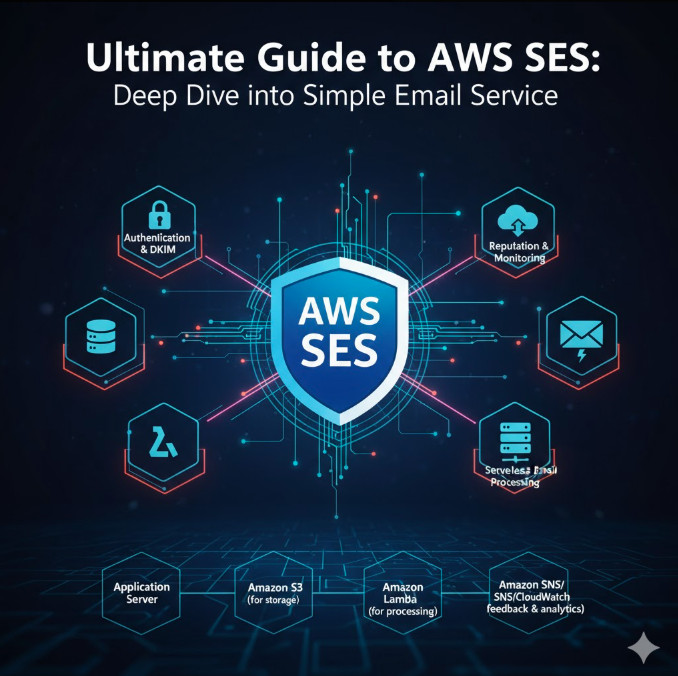
For further information, refer to the official Microsoft documentation: Azure Container Apps Documentation and Azure Official Website

Devops Tutorial

Exit mobile version