
Tag Archives: DevOps

How to Install CoreDNS on Kubernetes: A Comprehensive Guide

Introduction

CoreDNS is a flexible and extensible DNS server that can serve as the DNS server for Kubernetes clusters. As Kubernetes relies heavily on DNS for service discovery, having a robust DNS solution like CoreDNS is essential. This guide will walk you through the process of how to install CoreDNS on Kubernetes cluster, from basic setup to advanced configurations.

What is CoreDNS?

CoreDNS is a DNS server that is flexible, extensible, and written in Go. It is used for service discovery in Kubernetes clusters and can serve as the cluster DNS, allowing pods to resolve services by name.

Why Use CoreDNS in Kubernetes?

CoreDNS provides a more flexible and scalable DNS solution compared to traditional DNS servers. It is designed to work seamlessly with Kubernetes, offering features such as:

  • Service Discovery: Automatically resolves services within the cluster.
  • Scalability: Handles large-scale DNS queries efficiently.
  • Customization: Easily configurable through its Corefile.

Pre-requisites

Before installing CoreDNS, ensure you have the following:

  • A running Kubernetes cluster
  • kubectl configured to interact with your cluster
  • Basic understanding of Kubernetes and DNS

Step-by-Step Guide to Install CoreDNS on Kubernetes

Method 1: Using kubeadm

Kubeadm is a tool that simplifies the process of setting up a Kubernetes cluster. It can automatically deploy CoreDNS during the cluster setup.

  1. Initialize the Cluster:
    • kubeadm init --pod-network-cidr=10.244.0.0/16
  2. Install a Pod Network Add-on:
    • kubectl apply -f https://raw.githubusercontent.com/coreos/flannel/master/Documentation/kube-flannel.yml
  3. Verify CoreDNS Deployment:
    • kubectl get pods -n kube-system -l k8s-app=kube-dns

Method 2: Installing Manually

If you are not using kubeadm, you can manually deploy CoreDNS using Kubernetes manifests.

  1. Download CoreDNS Deployment Manifests:
    • wget https://raw.githubusercontent.com/coredns/deployment/master/kubernetes/coredns.yaml.sed
  2. Apply the Manifests:
    • kubectl apply -f coredns.yaml.sed
  3. Verify Deployment:
    • kubectl get pods -n kube-system -l k8s-app=kube-dns

Advanced CoreDNS Configuration

Customizing the Corefile

The Corefile is the configuration file for CoreDNS, and it defines how DNS queries are handled.

Edit the Corefile ConfigMap:

kubectl -n kube-system edit configmap coredns

Add Custom Entries:

.:53 {
    errors
    health
    kubernetes cluster.local in-addr.arpa ip6.arpa {
        pods insecure
        fallthrough in-addr.arpa ip6.arpa
    }
    prometheus :9153
    forward . /etc/resolv.conf
    cache 30
    loop
    reload
    loadbalance
}

Integrating with External DNS

To forward queries to external DNS servers, modify the forward directive in the Corefile.

  1. Update the Corefile:
    • forward . 8.8.8.8 8.8.4.4
  2. Apply the Changes:
    • kubectl -n kube-system rollout restart deployment coredns

Enabling Logging

Enable logging for debugging purposes.

Add the Log Plugin to the Corefile:

.:53 {
    errors
    log
    ...
}

Apply the Changes: kubectl -n kube-system rollout restart deployment coredns

Troubleshooting CoreDNS

If CoreDNS is not functioning as expected, follow these troubleshooting steps:

  1. Check Pod Status:
    • kubectl get pods -n kube-system -l k8s-app=kube-dns
  2. Inspect Logs:
    • kubectl logs -n kube-system -l k8s-app=kube-dns
  3. Verify ConfigMap:
    • kubectl -n kube-system get configmap coredns -o yaml

Frequently Asked Questions

How do I check if CoreDNS is working?

You can use the kubectl exec command to run a DNS query from within a pod:

kubectl exec -it <pod-name> -- nslookup kubernetes.default

Can I customize the DNS settings for specific namespaces?

Yes, you can use the kubernetes plugin in the Corefile to specify different DNS settings for different namespaces.

What are the recommended DNS servers to forward queries to?

Google DNS servers (8.8.8.8, 8.8.4.4) are commonly used, but you can use any reliable external DNS servers.

Conclusion

Installing CoreDNS on Kubernetes is a crucial step in ensuring efficient and reliable DNS resolution within your cluster. By following this comprehensive guide, you can set up CoreDNS, customize its configuration, and troubleshoot common issues. CoreDNS’s flexibility and scalability make it an excellent choice for managing DNS in Kubernetes environments.

Enhance your Kubernetes cluster’s DNS capabilities today by installing and configuring CoreDNS, and enjoy seamless service discovery and network performance. Thank you for reading the DevopsRoles page!

Top 9 MLOps Platforms to Learn in 2024

Introduction

MLOps, a compound of “Machine Learning” and “Operations,” is rapidly becoming a crucial part of the AI lifecycle. As businesses increasingly deploy machine learning models in production environments, the need for robust MLOps platforms has grown. These platforms enable seamless collaboration between data scientists, ML engineers, and operations teams, ensuring that models are reliable, scalable, and maintainable. In 2024, mastering the right MLOps platform could be your ticket to a thriving career in AI. This article will guide you through the Top 9 MLOps Platforms to Learn in 2024, ranging from beginner-friendly to advanced tools.

1. Kubeflow

What is Kubeflow?

Kubeflow is an open-source platform designed to make deploying machine learning (ML) models on Kubernetes simple, portable, and scalable. It provides a comprehensive suite of tools that can manage the entire ML lifecycle, from training to deployment.

Key Features

  • Scalability: Leverages Kubernetes for scaling.
  • End-to-End Workflow: Supports the entire ML lifecycle.
  • Flexibility: Works with popular frameworks like TensorFlow, PyTorch, and more.

Why Learn Kubeflow in 2024?

Kubeflow is ideal for those who already have experience with Kubernetes and want to extend their skills into MLOps. It’s a powerful platform that’s gaining traction in enterprises globally, making it a valuable tool to add to your skill set.

2. MLflow

What is MLflow?

MLflow is an open-source platform designed to manage the ML lifecycle, including experimentation, reproducibility, and deployment. It’s framework-agnostic, making it a versatile choice for any ML project.

Key Features

  • Experiment Tracking: Logs parameters, code, and results.
  • Model Management: Facilitates model packaging and deployment.
  • Scalability: Works with large-scale models and datasets.

Why Learn MLflow in 2024?

MLflow’s ease of integration with existing ML pipelines makes it a popular choice for both beginners and experts. If you’re looking for a platform that offers simplicity without compromising on functionality, MLflow is a strong contender.

3. Azure Machine Learning

What is Azure Machine Learning?

Azure Machine Learning is a cloud-based platform provided by Microsoft, designed to help data scientists and ML engineers build, deploy, and manage high-quality models faster and with greater efficiency.

Key Features

  • Automated ML: Speeds up model development.
  • Integration with Azure Ecosystem: Seamless integration with other Azure services.
  • Security: Enterprise-grade security and compliance.

Why Learn Azure Machine Learning in 2024?

For professionals working in cloud environments, Azure Machine Learning offers robust tools and integrations that streamline the MLOps process. Its strong focus on automation and collaboration makes it an excellent choice for enterprise applications.

4. Google Vertex AI

What is Google Vertex AI?

Vertex AI is Google Cloud’s unified platform for machine learning. It integrates the best of Google Cloud’s AI tools into a single environment, making it easier to build, deploy, and scale ML models.

Key Features

  • AutoML: Automated machine learning model training.
  • End-to-End ML Workflows: Manages data preparation, training, and deployment.
  • Scalability: Built to scale with Google Cloud.

Why Learn Google Vertex AI in 2024?

Google Vertex AI is designed to simplify the MLOps process while maintaining the flexibility to handle complex ML tasks. It’s a powerful platform for those looking to leverage Google’s cutting-edge AI technology in their projects.

5. Amazon SageMaker

What is Amazon SageMaker?

Amazon SageMaker is a fully managed service that provides every developer and data scientist with the ability to build, train, and deploy machine learning models quickly.

Key Features

  • Integrated Development Environment: Offers Jupyter notebooks for easy development.
  • Hyperparameter Tuning: Automatically finds the best version of a model.
  • Model Monitoring: Continuously monitors deployed models.

Why Learn Amazon SageMaker in 2024?

Amazon SageMaker is a market leader in the MLOps space, particularly for those already within the AWS ecosystem. Its comprehensive tools and resources make it an essential platform for any ML professional.

6. DVC (Data Version Control)

What is DVC?

DVC is an open-source version control system for machine learning projects. It enables teams to version control datasets, manage experiments, and share results effectively.

Key Features

  • Data Management: Version controls large datasets.
  • Experiment Tracking: Keeps track of various model iterations.
  • Integration with Git: Works seamlessly with Git repositories.

Why Learn DVC in 2024?

DVC is gaining popularity for its ability to integrate smoothly into existing development workflows. It’s especially useful for teams that need to collaborate on large-scale ML projects with complex data dependencies.

7. Weights & Biases

What is Weights & Biases?

Weights & Biases (W&B) is a platform that provides tools for tracking experiments, visualizing metrics, and managing machine learning models.

Key Features

  • Real-Time Experiment Tracking: Monitor experiments as they run.
  • Collaboration Tools: Share results and collaborate with teams easily.
  • Integration: Works with most ML frameworks.

Why Learn Weights & Biases in 2024?

W&B is widely used in both academia and industry, making it a versatile tool for any ML professional. It’s particularly useful for teams that require detailed experiment tracking and model monitoring.

8. Pachyderm

What is Pachyderm?

Pachyderm is a data engineering platform that integrates with Kubernetes, providing data versioning and pipeline automation capabilities for ML projects.

Key Features

  • Data Lineage: Tracks data changes throughout the pipeline.
  • Pipeline Automation: Automates complex ML pipelines.
  • Scalability: Scales effortlessly with Kubernetes.

Why Learn Pachyderm in 2024?

Pachyderm is perfect for those looking to manage complex data pipelines and ensure reproducibility in their ML workflows. Its strong data lineage features make it a standout choice for data-intensive projects.

9. Allegro AI

What is Allegro AI?

Allegro AI is a specialized MLOps platform designed for deep learning and computer vision projects. It offers tools for dataset management, model training, and deployment.

Key Features

  • Dataset Management: Efficiently manages large-scale datasets.
  • Model Training: Optimized for deep learning workflows.
  • Deployment: Streamlines the deployment of complex models.

Why Learn Allegro AI in 2024?

For professionals working in deep learning and computer vision, Allegro AI provides the specialized tools needed to manage and optimize these complex projects. It’s a platform worth mastering if you’re focused on these areas.

Frequently Asked Questions (FAQs)

1. What is MLOps?

MLOps is a set of practices that combines machine learning, DevOps, and data engineering to automate and streamline the process of deploying and maintaining machine learning models in production.

2. Why is MLOps important?

MLOps is crucial because it ensures that ML models are scalable, reliable, and maintainable in production environments. It also fosters collaboration between data scientists, ML engineers, and operations teams.

3. Which MLOps platform is best for beginners?

Platforms like MLflow and Weights & Biases are often recommended for beginners due to their ease of use and strong community support.

4. What skills are needed to excel in MLOps?

To excel in MLOps, one needs a strong foundation in machine learning, familiarity with DevOps practices, and proficiency in tools like Kubernetes, Docker, and version control systems.

5. Is learning MLOps platforms worth it in 2024?

Absolutely! As more companies invest in AI and ML, the demand for professionals with MLOps skills is set to rise, making it a valuable area of expertise.

Conclusion

Mastering MLOps platforms in 2024 is essential for anyone looking to stay competitive in the AI and ML industries. Whether you’re a beginner or an experienced professional, these platforms offer a range of tools and capabilities that can help you manage the ML lifecycle more effectively. Start with a platform that aligns with your current skill set and gradually explore more advanced options as you gain experience. Investing time in learning these platforms will pay off as businesses continue to rely on machine learning to drive innovation and growth. Thank you for reading the DevopsRoles page!

How to Install tcpdump in Kubernetes Pod: A Comprehensive Guide

Introduction

Kubernetes has become the go-to solution for deploying, scaling, and managing containerized applications. However, troubleshooting network issues within Kubernetes can be challenging. That’s where tools like tcpdump come in handy. How to Install tcpdump in Kubernetes Pod, providing you with the necessary steps and tips to enhance your network troubleshooting capabilities.

What is tcpdump?

Tcpdump is a powerful command-line packet analyzer tool that allows users to capture and analyze network traffic. It is widely used for network troubleshooting and security auditing.

Why Use tcpdump in Kubernetes?

Kubernetes abstracts away much of the underlying network complexity, making it harder to diagnose network issues. Using tcpdump in a Kubernetes pod helps in capturing network traffic, analyzing communication between pods, and identifying potential issues.

Pre-requisites

Before you begin, ensure you have the following:

  • A running Kubernetes cluster
  • kubectl configured to interact with your cluster
  • Basic understanding of Kubernetes and Docker

Step-by-Step Guide How to install tcpdump in kubernetes pod

Method 1: Using kubectl exec

This method involves installing tcpdump directly in a running pod using kubectl exec.

  1. Identify the Pod: kubectl get pods
  2. Install tcpdump:
    • kubectl exec -it <pod-name> -- apt-get update
    • kubectl exec -it <pod-name> -- apt-get install -y tcpdump
  3. Verify Installation:
    • kubectl exec -it <pod-name> -- tcpdump --version

Method 2: Building a Custom Docker Image

This method involves creating a custom Docker image with tcpdump pre-installed.

Create a Dockerfile:

FROM ubuntu:latest
RUN apt-get update && apt-get install -y tcpdump

Build the Docker Image:

docker build -t my-tcpdump-image .

Deploy the Pod Using the Custom Image:

apiVersion: v1
kind: Pod
metadata:
  name: tcpdump-pod
spec:
  containers:
    - name: tcpdump-container
      image: my-tcpdump-image
      command: ["/bin/sh"]
      args: ["-c", "while true; do sleep 30; done;"]

kubectl apply -f tcpdump-pod.yaml

Method 3: Using Init Containers

This method uses init containers to install tcpdump before the main container starts.

Define the Pod with Init Container:

apiVersion: v1
kind: Pod
metadata:
  name: tcpdump-pod
spec:
  initContainers:
  - name: install-tcpdump
    image: ubuntu:latest
    command:
    - sh
    - -c
    - apt-get update && apt-get install -y tcpdump
    volumeMounts:
    - name: tcpdump-bin
      mountPath: /tcpdump
  containers:
  - name: main-container
    image: your-application-image
    volumeMounts:
    - name: tcpdump-bin
      mountPath: /usr/local/bin
      subPath: tcpdump
  volumes:
  - name: tcpdump-bin
    emptyDir: {}

Deploy the Pod: kubectl apply -f tcpdump-pod.yaml

Advanced Usage of tcpdump in Kubernetes

Filtering Packets

To capture specific packets, use filters:

 kubectl exec -it <pod-name> -- tcpdump -i eth0 port 80

Saving and Reading Captured Data

Save captured packets to a file:

 kubectl exec -it <pod-name> -- tcpdump -i eth0 -w /tmp/capture.pcap

Read the saved capture file:

kubectl cp <pod-name>:/tmp/capture.pcap ./capture.pcap 
tcpdump -r capture.pcap

Analyzing Captured Data

Use tools like Wireshark for detailed analysis of the captured data:

 wireshark capture.pcap

Frequently Asked Questions

Can I install tcpdump on all pods in a namespace?

Yes, you can use a DaemonSet to deploy tcpdump across all nodes, ensuring all pods can have tcpdump available.

Is it safe to run tcpdump in a production environment?

Running tcpdump can consume resources and potentially expose sensitive data. It’s advisable to use it in a controlled and monitored manner.

How do I capture traffic between two specific pods?

You can use tcpdump to filter traffic between specific IP addresses or ports:

 kubectl exec -it <pod-name> -- tcpdump -i eth0 src <source-ip> and dst <destination-ip>

Conclusion

Installing tcpdump in a Kubernetes pod is a powerful way to troubleshoot and analyze network traffic within your cluster. Whether you choose to use kubectl exec, build a custom Docker image, or utilize init containers, each method has its own advantages. By following the steps outlined in this guide, you can ensure that you have the necessary tools to diagnose and resolve network issues efficiently.

Enhance your Kubernetes troubleshooting toolkit today by installing tcpdump and gain deeper insights into your network traffic. Thank you for reading the DevopsRoles page!

How to Install Prometheus on Kubernetes

Introduction

Monitoring Kubernetes clusters efficiently is crucial for maintaining the health and performance of your applications. Prometheus, a powerful open-source monitoring and alerting toolkit, is the go-to solution for many Kubernetes administrators. In this guide, we will walk you through how to install Prometheus on Kubernetes. We will start with the basics and then move on to more advanced configurations.

Prerequisites

Before we begin, ensure you have the following:

  • A Kubernetes cluster up and running
  • kubectl command-line tool configured to communicate with your cluster
  • Basic understanding of Kubernetes concepts

Step 1: Setting Up Prometheus using Helm

What is Helm?

Helm is a package manager for Kubernetes that helps in managing Kubernetes applications. It uses a packaging format called charts, which are a collection of files that describe a related set of Kubernetes resources.

Installing Helm

First, you need to install Helm. Follow the instructions for your operating system from the official Helm documentation.

Adding the Prometheus Community Helm Repository

helm repo add prometheus-community https://prometheus-community.github.io/helm-charts
helm repo update

Installing Prometheus

helm install prometheus prometheus-community/prometheus

This command will deploy Prometheus in your Kubernetes cluster with the default configuration. You can check the status of the deployment using:

kubectl get pods -l "release=prometheus"

Step 2: Configuring Prometheus

Customizing the Prometheus Configuration

Helm allows you to customize the installation using values files. Create a values.yaml file to specify your custom configurations.

# values.yaml
alertmanager:
enabled: true
server:
persistentVolume:
enabled: true
size: 10Gi

Applying the Custom Configuration

helm upgrade --install prometheus prometheus-community/prometheus -f values.yaml

Step 3: Exposing Prometheus

Using a NodePort Service

To access Prometheus from outside the cluster, you can use a NodePort service.

# prometheus-service.yaml
apiVersion: v1
kind: Service
metadata:
name: prometheus-service
spec:
type: NodePort
ports:
- port: 9090
targetPort: 9090
nodePort: 30000
selector:
app: prometheus

Apply the service:

kubectl apply -f prometheus-service.yaml

Using Ingress

Alternatively, you can expose Prometheus using an Ingress resource.

# prometheus-ingress.yaml
apiVersion: networking.k8s.io/v1
kind: Ingress
metadata:
name: prometheus-ingress
spec:
rules:
- host: prometheus.example.com
http:
paths:
- path: /
pathType: Prefix
backend:
service:
name: prometheus-service
port:
number: 9090

Apply the ingress:

kubectl apply -f prometheus-ingress.yaml

Ensure you have an Ingress controller running in your cluster and update your DNS settings to point to the Ingress controller’s external IP.

Step 4: Monitoring Kubernetes with Prometheus

Deploying the Kubernetes Metrics Server

Prometheus uses metrics exposed by the Kubernetes Metrics Server for monitoring.

kubectl apply -f https://github.com/kubernetes-sigs/metrics-server/releases/latest/download/components.yaml

Configuring Prometheus to Scrape Metrics

Edit the Prometheus configuration to scrape the Kubernetes metrics:

# values.yaml
serverFiles:
prometheus.yml:
scrape_configs:
- job_name: 'kubernetes-nodes'
kubernetes_sd_configs:
- role: node

Apply the configuration:

helm upgrade --install prometheus prometheus-community/prometheus -f values.yaml

Step 5: Setting Up Alerts

Configuring Alertmanager

Alertmanager handles alerts sent by Prometheus. Configure Alertmanager in the values.yaml file:

alertmanager:
config:
global:
resolve_timeout: 5m
route:
receiver: 'email'
receivers:
- name: 'email'
email_configs:
- to: 'your-email@example.com'
from: 'prometheus@example.com'

Apply the configuration:

helm upgrade --install prometheus prometheus-community/prometheus -f values.yaml

Step 6: Advanced Prometheus Configurations

Using Persistent Storage

Prometheus requires persistent storage to retain data across restarts. Configure a persistent volume in values.yaml:

server:
persistentVolume:
enabled: true
size: 50Gi
storageClass: standard

Apply the configuration:

helm upgrade --install prometheus prometheus-community/prometheus -f values.yaml

Securing Prometheus

Enable authentication and HTTPS for Prometheus using an Ingress controller with TLS:

# prometheus-ingress.yaml
apiVersion: networking.k8s.io/v1
kind: Ingress
metadata:
name: prometheus-ingress
spec:
tls:
- hosts:
- prometheus.example.com
secretName: prometheus-tls
rules:
- host: prometheus.example.com
http:
paths:
- path: /
pathType: Prefix
backend:
service:
name: prometheus-service
port:
number: 9090

Apply the configuration:

kubectl apply -f prometheus-ingress.yaml

Frequently Asked Questions

What is Prometheus?

Prometheus is an open-source systems monitoring and alerting toolkit originally built at SoundCloud. It is designed for reliability and scalability.

Why use Prometheus with Kubernetes?

Prometheus integrates seamlessly with Kubernetes, offering a powerful solution for monitoring and alerting on the performance and health of Kubernetes clusters.

How do I upgrade Prometheus in Kubernetes?

You can upgrade Prometheus using Helm with the following command:

helm upgrade prometheus prometheus-community/prometheus

How do I view Prometheus metrics?

Access the Prometheus UI via the service or Ingress URL configured earlier (e.g., http://prometheus.example.com)

Can I use Prometheus with Grafana?

Yes, Grafana is commonly used with Prometheus for visualizing metrics. You can add Prometheus as a data source in Grafana.

Conclusion

Installing Prometheus on Kubernetes is a straightforward process with Helm. By following this guide, you should have Prometheus up and running, monitoring your Kubernetes cluster effectively. With advanced configurations, you can tailor Prometheus to meet your specific needs, ensuring your cluster’s health and performance are always in check. Thank you for reading the DevopsRoles page!
How to Install ArgoCD on Kubernetes

Introduction

ArgoCD is a powerful continuous delivery tool for Kubernetes, enabling developers to automate the deployment of their applications. This guide will walk you through the steps to install ArgoCD on Kubernetes, covering basic installation to advanced configurations. By the end of this tutorial, you’ll have a fully functional ArgoCD instance running on your Kubernetes cluster.

What is ArgoCD?

ArgoCD is a declarative, GitOps continuous delivery tool for Kubernetes. It automates the deployment of the desired application state as defined in a Git repository. ArgoCD continuously monitors running applications and compares the current, live state against the desired target state. When the live state deviates from the target state, ArgoCD can automatically or manually synchronize it.

Prerequisites

Before we begin, ensure you have the following prerequisites:

  • A running Kubernetes cluster (v1.18+)
  • kubectl installed and configured to interact with your cluster
  • Helm installed on your local machine

Step 1: Install ArgoCD

1.1 Create a Namespace for ArgoCD

First, create a namespace for ArgoCD to keep its resources isolated:

kubectl create namespace argocd

1.2 Install ArgoCD Using Kubectl

You can install ArgoCD by applying the official ArgoCD manifests:

kubectl apply -n argocd -f https://raw.githubusercontent.com/argoproj/argo-cd/stable/manifests/install.yaml

1.3 Verify the Installation

Check if all ArgoCD pods are running:

kubectl get pods -n argocd

You should see something like this:

NAME                                      READY   STATUS    RESTARTS   AGE
argocd-application-controller-0 1/1 Running 0 2m
argocd-dex-server-847f8bc98c-dkj5d 1/1 Running 0 2m
argocd-redis-64c69757cf-jdksl 1/1 Running 0 2m
argocd-repo-server-6b6d9d8d85-rfkl9 1/1 Running 0 2m
argocd-server-5b6d9d8d85-vn9ms 1/1 Running 0 2m

Step 2: Access the ArgoCD UI

2.1 Expose the ArgoCD API Server

To access the ArgoCD UI, you’ll need to expose the ArgoCD API server using a service type that suits your needs. For simplicity, we’ll use a LoadBalancer service:

kubectl patch svc argocd-server -n argocd -p '{"spec": {"type": "LoadBalancer"}}'

2.2 Get the Initial Admin Password

Retrieve the initial admin password, which is auto-generated and stored in a Kubernetes secret:

kubectl get secret argocd-initial-admin-secret -n argocd -o jsonpath="{.data.password}" | base64 --decode

2.3 Open the ArgoCD UI

Find the external IP address of the ArgoCD API server:

kubectl get svc -n argocd

Look for the argocd-server service and note the EXTERNAL-IP. Open your browser and navigate to https://<EXTERNAL-IP>. Log in with the username admin and the password you retrieved in the previous step.

Step 3: Configure ArgoCD

3.1 Connect ArgoCD to a Git Repository

ArgoCD uses Git repositories as the source of truth for application definitions. To connect ArgoCD to your Git repository, follow these steps:

  1. Navigate to the ArgoCD UI.
  2. Click on Settings > Repositories > Connect Repo.
  3. Enter the repository URL and, if necessary, provide authentication details.

3.2 Create an Application in ArgoCD

To create an application:

  1. Click on New App.
  2. Fill in the application details:
    • Application Name: Name of your application.
    • Project: Default.
    • Sync Policy: Automatic or Manual.
    • Repository URL: URL of your Git repository.
    • Revision: Branch to track (e.g., main).
    • Path: Path within the repository where the Kubernetes manifests are located.
    • Cluster: The Kubernetes cluster where the application will be deployed.
    • Namespace: Namespace in the cluster where the application will be deployed.
  3. Click Create.

Advanced Configurations

4.1 Set Up RBAC

ArgoCD supports Role-Based Access Control (RBAC) to restrict access to certain features and resources. To configure RBAC:

  1. Create a ConfigMap named argocd-rbac-cm in the argocd namespace.
  2. Define roles and policies in the ConfigMap:
apiVersion: v1
kind: ConfigMap
metadata:
name: argocd-rbac-cm
namespace: argocd
data:
policy.csv: |
g, admin, role:admin
g, developer, role:developer
policy.default: role:readonly
scopes: '[groups]'

4.2 Customize the UI

You can customize the ArgoCD UI by modifying the argocd-cm ConfigMap:

apiVersion: v1
kind: ConfigMap
metadata:
name: argocd-cm
namespace: argocd
data:
ui.banner: "Welcome to ArgoCD!"
ui.theme: "dark"

Apply the changes:

kubectl apply -f argocd-cm.yaml

4.3 Enable SSO

ArgoCD supports Single Sign-On (SSO) with various identity providers like OAuth2, OIDC, SAML, and LDAP. To enable SSO:

  1. Create a secret with your identity provider’s credentials.
  2. Update the argocd-cm ConfigMap with the SSO configuration.

For example, to configure OIDC:

apiVersion: v1
kind: ConfigMap
metadata:
name: argocd-cm
namespace: argocd
data:
oidc.config: |
name: Okta
issuer: https://<your-okta-domain>/oauth2/default
clientID: <your-client-id>
clientSecret: $oidc.clientSecret

Create the secret with the client’s secret:

kubectl create secret generic argocd-secret -n argocd --from-literal=oidc.clientSecret=<your-client-secret>

Troubleshooting

5.1 Common Issues and Solutions

  • Issue: Unable to access the ArgoCD UI.
    • Solution: Ensure the argocd-server service is of type LoadBalancer and has an external IP address.
  • Issue: Application sync failures.
    • Solution: Check the application logs and ensure that the repository path and branch are correct.
  • Issue: Authentication failures.
    • Solution: Verify the credentials and configuration for the Git repository and identity provider.

FAQs

What is ArgoCD?

ArgoCD is a declarative, GitOps continuous delivery tool for Kubernetes that automates the deployment of applications.

How do I install ArgoCD on Kubernetes?

You can install ArgoCD by applying the official manifests provided by ArgoCD, creating a namespace for it, and verifying the installation with kubectl.

How do I access the ArgoCD UI?

You can access the ArgoCD UI by exposing the argocd-server service as a LoadBalancer and navigating to the external IP address in your browser.

How do I connect ArgoCD to my Git repository?

You can connect ArgoCD to your Git repository by navigating to the ArgoCD UI, adding the repository under settings, and providing the necessary authentication details.

Conclusion

Installing ArgoCD on Kubernetes is a straightforward process that involves creating a namespace, applying the installation manifests, and configuring access to the UI. With ArgoCD, you can automate the deployment of your applications, ensuring a consistent and reliable delivery process. By following this guide, you should now have a functional ArgoCD setup and be ready to leverage its powerful features to manage your Kubernetes applications effectively. Thank you for reading the DevopsRoles page!

How to Check if Kubernetes is Installed

Introduction

How to Check if Kubernetes is Installed. Kubernetes, an open-source platform for automating deployment, scaling, and operations of application containers across clusters of hosts, has become a cornerstone for modern cloud-native applications. Whether you’re a seasoned DevOps engineer or just starting, ensuring Kubernetes is correctly installed on your system is crucial.

This guide will walk you through various methods to check if Kubernetes is installed, from basic commands to more advanced techniques. By the end of this article, you’ll be well-equipped to verify Kubernetes installations on different operating systems and environments.

Basic Checks

What is Kubernetes?

Kubernetes is a powerful container orchestration system designed to simplify the deployment, management, and scaling of containerized applications. It supports various platforms, making it versatile for developers and IT operations teams.

Why Check if Kubernetes is Installed?

Ensuring Kubernetes is correctly installed is crucial for:

  • Running containerized applications efficiently.
  • Managing clusters and workloads.
  • Utilizing Kubernetes features like scaling and self-healing.

Checking Kubernetes Installation on Different Operating Systems

Linux

Using Command Line

  1. Open Terminal: Launch the terminal.
  2. Run kubectl version: kubectl version --client
    • This command checks the client version of Kubernetes installed on your system.
  3. Check kubectl: kubectl get nodes
    • If Kubernetes is installed and running, it will return the nodes in the cluster.

Using Package Manager

  1. Debian/Ubuntu: dpkg -l | grep -i kubectl
  2. Red Hat/CentOS: rpm -qa | grep -i kubectl

Windows

Using Command Prompt or PowerShell

  1. Open Command Prompt or PowerShell.
  2. Run kubectl version:powershellCopy codekubectl version --client
    • This will display the version information if Kubernetes is installed.

Using Windows Subsystem for Linux (WSL)

  1. Open WSL Terminal.
  2. Run kubectl version: kubectl version --client

MacOS

Using Command Line

  1. Open Terminal.
  2. Run kubectl version: kubectl version --client
    • This will check if the Kubernetes client is installed.

Using Homebrew

  1. Check Homebrew Installation: brew list | grep -i kubernetes
    • This will list Kubernetes-related packages installed via Homebrew.

Advanced Verification Techniques

Using kubectl

The kubectl command-line tool is essential for interacting with Kubernetes clusters. Here are some advanced techniques to verify your installation.

Check Kubernetes Version

kubectl version --short
  • This command provides a brief overview of the Kubernetes version, including both client and server versions.

Verify Cluster Information

kubectl cluster-info
  • Displays information about the Kubernetes cluster, confirming if it is correctly set up.

Checking Kubernetes Services

List All Services

kubectl get services
  • Lists all services running in the cluster, indicating that Kubernetes is actively managing them.

Describe a Service

kubectl describe service <service-name>
  • Provides detailed information about a specific service, useful for troubleshooting.

Verifying Kubernetes Components

List All Pods

kubectl get pods --all-namespaces
  • Lists all pods across all namespaces, showing active deployments and applications.

Describe a Pod

kubectl describe pod <pod-name> -n <namespace>
  • Gives detailed information about a specific pod, including events and resource usage.

Check Node Status

kubectl get nodes
  • Lists all nodes in the cluster along with their status.

Describe a Node

kubectl describe node <node-name>
  • Provides detailed information about a specific node, including resource allocation and conditions.

Frequently Asked Questions

How do I install Kubernetes on my system?

You can install Kubernetes using various methods depending on your operating system. For detailed instructions, refer to the official Kubernetes documentation.

What is the difference between kubectl and kubelet?

kubectl is a command-line tool for interacting with Kubernetes clusters, while kubelet is an agent that runs on each node in the cluster to ensure containers are running.

How do I update Kubernetes?

Updating Kubernetes involves updating the control plane and the nodes. Refer to the official Kubernetes upgrade guide for step-by-step instructions.

What should I do if Kubernetes is not installed?

If Kubernetes is not installed, you can follow the installation guides provided by the Kubernetes website for your specific operating system.

How do I check the Kubernetes dashboard?

To check the Kubernetes dashboard, you can start it using:

kubectl proxy

Then, access it via

http://localhost:8001/api/v1/namespaces/kube-system/services/https:kubernetes-dashboard:/proxy/

Conclusion

Checking if Kubernetes is installed on your system is a critical step before managing containerized applications. This guide has provided you with both basic and advanced methods to verify the installation across different operating systems. By following these steps, you can ensure that your Kubernetes environment is correctly set up and ready for use. If you encounter any issues, the detailed commands and instructions in this article will help you troubleshoot and resolve them efficiently. Thank you for reading the DevopsRoles page!
Deploying Airflow on Kubernetes: A Comprehensive Guide with ArgoCD and Terraform for GitOps

Introduction

In today’s fast-paced tech environment, automation and streamlined deployment processes are essential for maintaining efficiency and scalability. Deploying Airflow on Kubernetes using ArgoCD and Terraform represents a modern GitOps approach that can significantly enhance your deployment workflow. This guide will walk you through the process, starting from the basics and advancing to more complex implementations.

Understanding the Basics

What is Apache Airflow?

Apache Airflow is an open-source platform to programmatically author, schedule, and monitor workflows. It is highly extensible and can be deployed on various environments, including Kubernetes.

Why Kubernetes?

Kubernetes, an open-source container orchestration platform, is ideal for deploying, scaling, and managing containerized applications. It ensures high availability, scalability, and efficient resource management.

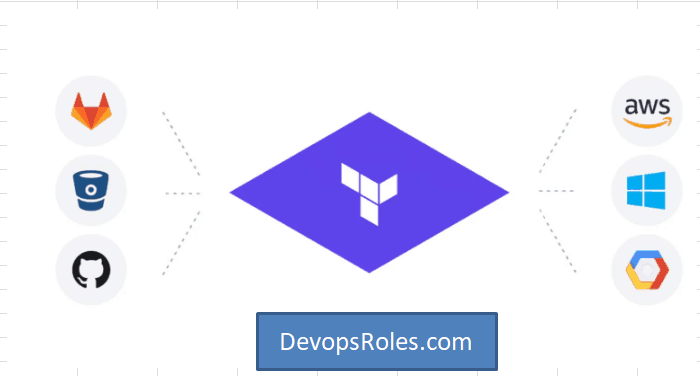
What are ArgoCD and Terraform?

  • ArgoCD: A declarative, GitOps continuous delivery tool for Kubernetes. It automates the deployment of desired application states defined in Git repositories.
  • Terraform: An infrastructure as code (IaC) tool that allows you to build, change, and version infrastructure efficiently.

The Modern GitOps Approach

GitOps is a practice that uses Git as the single source of truth for infrastructure and application code. This approach enhances deployment reliability, auditability, and consistency.

Setting Up the Environment

Prerequisites

Before we dive into deploying Airflow, ensure you have the following tools installed and configured:

  1. Kubernetes Cluster: You can set up a local cluster using Minikube or use a cloud provider like GKE, EKS, or AKS.
  2. kubectl: Kubernetes command-line tool.
  3. Helm: A package manager for Kubernetes.
  4. ArgoCD: Installed on your Kubernetes cluster.
  5. Terraform: Installed on your local machine.

Step-by-Step Guide

1. Setting Up Kubernetes Cluster

First, ensure your Kubernetes cluster is up and running. If you’re using Minikube:

minikube start

2. Installing ArgoCD

Install ArgoCD in your Kubernetes cluster:

kubectl create namespace argocd
kubectl apply -n argocd -f https://raw.githubusercontent.com/argoproj/argo-cd/stable/manifests/install.yaml

3. Configuring ArgoCD CLI

Download and configure the ArgoCD CLI:

brew install argocd
argocd login <ARGOCD_SERVER>

4. Setting Up Terraform

Install Terraform and configure it for your desired cloud provider. Initialize Terraform in your project directory:

terraform init

Deploying Airflow on Kubernetes Using Helm

1. Adding Airflow Helm Repository

Add the official Apache Airflow Helm repository:

helm repo add apache-airflow https://airflow.apache.org
helm repo update

2. Deploying Airflow

Deploy Airflow using Helm:

helm install airflow apache-airflow/airflow --namespace airflow --create-namespace

Integrating with ArgoCD

1. Creating ArgoCD Application

Define an ArgoCD application that points to your Git repository containing the Airflow Helm chart configuration:

apiVersion: argoproj.io/v1alpha1
kind: Application
metadata:
  name: airflow
  namespace: argocd
spec:
  destination:
    namespace: airflow
    server: 'https://kubernetes.default.svc'
  source:
    repoURL: 'https://github.com/your-repo/airflow-helm.git'
    targetRevision: HEAD
    path: .
  project: default
  syncPolicy:
    automated:
      prune: true
      selfHeal: true

Apply this configuration to ArgoCD:

kubectl apply -f airflow-argocd.yaml

2. Syncing Application

Use ArgoCD to sync the application, ensuring it matches the desired state defined in the Git repository:

argocd app sync airflow

Advanced Configurations

1. Scaling Airflow

To scale Airflow components, modify the Helm values file:

workers:
  replicas: 3

Apply the changes using ArgoCD:

argocd app sync airflow

2. Using Terraform for Infrastructure Management

Define your Kubernetes infrastructure using Terraform. An example configuration for a Kubernetes cluster on AWS might look like this:

provider "aws" {
  region = "us-west-2"
}

resource "aws_eks_cluster" "example" {
  name     = "example"
  role_arn = aws_iam_role.example.arn

  vpc_config {
    subnet_ids = aws_subnet.example[*].id
  }
}

resource "aws_iam_role" "example" {
  name = "example"

  assume_role_policy = jsonencode({
    Version = "2012-10-17"
    Statement = [
      {
        Action = "sts:AssumeRole"
        Effect = "Allow"
        Principal = {
          Service = "eks.amazonaws.com"
        }
      },
    ]
  })
}

3. Automating Terraform with ArgoCD

Integrate Terraform with ArgoCD to manage infrastructure changes:

  • Store your Terraform state in a Git repository.
  • Use ArgoCD to monitor and apply changes.

FAQs

What is the advantage of using ArgoCD and Terraform together?

Using ArgoCD and Terraform together leverages the strengths of both tools, enabling a robust, automated deployment and infrastructure management process.

How does GitOps improve deployment processes?

GitOps uses Git as the source of truth, providing an auditable, version-controlled, and consistent deployment process.

Can I use other tools instead of Terraform for infrastructure management?

Yes, tools like Pulumi, Ansible, and others can also be used for infrastructure management.

Is it necessary to use Kubernetes for Airflow deployment?

While not necessary, Kubernetes provides scalability, reliability, and resource efficiency, making it a preferred choice for deploying Airflow.

Conclusion

Deploying Airflow on Kubernetes using ArgoCD and Terraform is a modern GitOps approach that enhances deployment efficiency, reliability, and scalability. By following the steps outlined in this guide, you can achieve a seamless deployment process, from setting up the environment to advanced configurations. Embrace the power of GitOps to streamline your workflows and maintain high standards of operational excellence. Thank you for reading the DevopsRoles page!

Understand the Difference Between Docker Engine and Docker Desktop: A Comprehensive Guide

Introduction

Docker has revolutionized the way we build, share, and run applications. However, many users find themselves confused about the difference between Docker Engine and Docker Desktop. This guide aims to demystify these two essential components, explaining their differences, use cases, and how to get the most out of them. Whether you’re a beginner or an experienced developer, this article will provide valuable insights into Docker’s ecosystem.

What is Docker Engine?

Docker Engine is the core software that enables containerization. It is a client-server application that includes three main components:

Docker Daemon (dockerd)

The Docker Daemon is a background service responsible for managing Docker containers on your system. It listens for Docker API requests and manages Docker objects such as images, containers, networks, and volumes.

Docker Client (docker)

The Docker Client is a command-line interface (CLI) that users interact with to communicate with the Docker Daemon. It accepts commands from the user and communicates with the Docker Daemon to execute them.

REST API

The Docker REST API is used by applications to communicate with the Docker Daemon programmatically. This API allows you to integrate Docker functionalities into your software.

What is Docker Desktop?

Docker Desktop is an application that simplifies the use of Docker on macOS and Windows systems. It provides an easy-to-use interface and includes everything you need to build and share containerized applications.

Docker Desktop Components

Docker Desktop includes the Docker Engine, Docker CLI client, Docker Compose, Kubernetes, and other tools necessary for a seamless container development experience.

GUI Integration

Docker Desktop provides a graphical user interface (GUI) that makes it easier for users to manage their Docker environments. The GUI includes dashboards, logs, and other tools to help you monitor and manage your containers.

Docker Desktop for Mac and Windows

Docker Desktop is tailored for macOS and Windows environments, providing native integration with these operating systems. This means that Docker Desktop abstracts away many of the complexities associated with running Docker on non-Linux platforms.

Key Difference Between Docker Engine and Docker Desktop

Platform Compatibility

  • Docker Engine: Primarily designed for Linux systems, though it can run on Windows and macOS through Docker Desktop or virtual machines.
  • Docker Desktop: Specifically designed for Windows and macOS, providing native integration and additional features to support these environments.

User Interface

  • Docker Engine: Managed primarily through the command line, suitable for users comfortable with CLI operations.
  • Docker Desktop: Offers both CLI and GUI options, making it accessible for users who prefer graphical interfaces.

Additional Features

  • Docker Engine: Focuses on core containerization functionalities.
  • Docker Desktop: Includes extra tools like Docker Compose, Kubernetes, and integrated development environments (IDEs) to enhance the development workflow.

Resource Management

  • Docker Engine: Requires manual configuration for resource allocation.
  • Docker Desktop: Automatically manages resource allocation, with options to adjust settings through the GUI.

When to Use Docker Engine?

Server Environments

Docker Engine is ideal for server environments where resources are managed by IT professionals. It provides the flexibility and control needed to run containers at scale.

Advanced Customization

For users who need to customize their Docker setup extensively, Docker Engine offers more granular control over configuration and operation.

When to Use Docker Desktop?

Development and Testing

Docker Desktop is perfect for development and testing on local machines. It simplifies the setup process and provides tools to streamline the development workflow.

Cross-Platform Development

If you’re working in a cross-platform environment, Docker Desktop ensures that your Docker setup behaves consistently across macOS and Windows systems.

Pros and Cons of Docker Engine and Docker Desktop

FAQs

What is the main purpose of Docker Engine?

The main purpose of Docker Engine is to enable containerization, allowing developers to package applications and their dependencies into containers that can run consistently across different environments.

Can Docker Desktop be used in production environments?

Docker Desktop is primarily designed for development and testing. For production environments, it is recommended to use Docker Engine on a server or cloud platform.

Is Docker Desktop free to use?

Docker Desktop offers a free tier for individual developers and small teams. However, there are paid plans available with additional features and support for larger organizations.

How does Docker Desktop manage resources on macOS and Windows?

Docker Desktop uses a lightweight virtual machine to run the Docker Daemon on macOS and Windows. It automatically manages resource allocation, but users can adjust CPU, memory, and disk settings through the Docker Desktop GUI.

Conclusion

Understanding the difference between Docker Engine and Docker Desktop is crucial for choosing the right tool for your containerization needs. Docker Engine provides the core functionalities required for running containers, making it suitable for server environments and advanced users. On the other hand, Docker Desktop simplifies the development and testing process, offering a user-friendly interface and additional tools for macOS and Windows users. By selecting the appropriate tool, you can optimize your workflow and leverage the full potential of Docker’s powerful ecosystem. Thank you for reading the DevopsRoles page!

Docker Engine Authentication Bypass Vulnerability Exploited: Secure Your Containers Now

Introduction

In recent times, Docker Engine has become a cornerstone for containerization in DevOps and development environments. However, like any powerful tool, it can also be a target for security vulnerabilities. One such critical issue is the Docker Engine authentication bypass vulnerability. This article will explore the details of this vulnerability, how it’s exploited, and what steps you can take to secure your Docker environments. We’ll start with basic concepts and move to more advanced topics, ensuring a comprehensive understanding of the issue.

Understanding Docker Engine Authentication Bypass Vulnerability

What is Docker Engine?

Docker Engine is a containerization platform that enables developers to package applications and their dependencies into containers. This allows for consistent environments across different stages of development and production.

What is an Authentication Bypass?

Authentication bypass is a security flaw that allows attackers to gain unauthorized access to a system without the correct credentials. In the context of Docker, this could mean gaining control over Docker containers and the host system.

How Does the Vulnerability Work?

The Docker Engine authentication bypass vulnerability typically arises due to improper validation of user credentials or session management issues. Attackers exploit these weaknesses to bypass authentication mechanisms and gain access to sensitive areas of the Docker environment.

Basic Examples of Exploitation

Example 1: Default Configuration

One common scenario is exploiting Docker installations with default configurations. Many users deploy Docker with default settings, which might not enforce strict authentication controls.

  1. Deploying Docker with Default Settings:
    • sudo apt-get update
    • sudo apt-get install docker-ce docker-ce-cli containerd.io
  2. Accessing Docker Daemon without Authentication:
    • docker -H tcp://<docker-host>:2375 ps

In this example, if the Docker daemon is exposed on a network without proper authentication, anyone can list the running containers and execute commands.

Example 2: Misconfigured Access Control

Another basic example involves misconfigured access control policies that allow unauthorized users to perform administrative actions.

Configuring Docker with Insecure Access:

{
  "hosts": ["tcp://0.0.0.0:2375"]
}

Exploiting the Misconfiguration:

docker -H tcp://<docker-host>:2375 exec -it <container-id> /bin/bash

Advanced Examples of Exploitation

Example 3: Session Hijacking

Advanced attackers might use session hijacking techniques to exploit authentication bypass vulnerabilities. This involves stealing session tokens and using them to gain access.

  1. Capturing Session Tokens: Attackers use network sniffing tools like Wireshark to capture authentication tokens.
  2. Replaying Captured Tokens:
    • curl -H "Authorization: Bearer <captured-token>" http://<docker-host>:2375/containers/json

Example 4: Exploiting API Vulnerabilities

Docker provides an API for managing containers, which can be exploited if not properly secured.

  1. Discovering API Endpoints:
    • curl http://<docker-host>:2375/v1.24/containers/json
  2. Executing Commands via API:
    • curl -X POST -H "Content-Type: application/json" -d '{"Cmd": ["echo", "Hello World"], "Image": "busybox"}' http://<docker-host>:2375/containers/create

Protecting Your Docker Environment

Implementing Secure Configuration

Enable TLS for Docker Daemon:

{
  "tls": true,
  "tlscert": "/path/to/cert.pem",
  "tlskey": "/path/to/key.pem",
  "hosts": ["tcp://0.0.0.0:2376"]
}

Use Docker Bench for Security: Docker provides a security benchmark tool to check for best practices.

docker run -it --net host --pid host --userns host --cap-add audit_control \
  -e DOCKER_CONTENT_TRUST=$DOCKER_CONTENT_TRUST \
  -v /var/lib:/var/lib \
  -v /var/run/docker.sock:/var/run/docker.sock \
  -v /usr/lib/systemd:/usr/lib/systemd \
  -v /etc:/etc \
  --label docker_bench_security \
  docker/docker-bench-security

Access Control Best Practices

  1. Implement Role-Based Access Control (RBAC): Use Docker’s built-in RBAC to limit access to authorized users only.
    • docker swarm init
    • docker network create --driver overlay my-overlay
  2. Use External Authentication Providers: Integrate Docker with external authentication systems like LDAP or OAuth for better control.

Regular Audits and Monitoring

Enable Docker Logging:

{
  "log-driver": "json-file",
  "log-opts": {
    "max-size": "10m",
    "max-file": "3"
  }
}

Monitor Docker Activity: Use tools like Prometheus and Grafana to monitor Docker metrics and alerts.

Security Updates and Patching

  1. Keep Docker Updated: Regularly update Docker to the latest version to mitigate known vulnerabilities.
    • sudo apt-get update
    • sudo apt-get upgrade docker-ce
  2. Patch Vulnerabilities Promptly: Subscribe to Docker security announcements to stay informed about patches and updates.

Frequently Asked Questions

What is Docker Engine Authentication Bypass Vulnerability?

The Docker Engine authentication bypass vulnerability allows attackers to gain unauthorized access to Docker environments by exploiting weaknesses in the authentication mechanisms.

How Can I Protect My Docker Environment from This Vulnerability?

Implement secure configurations, use TLS, enable RBAC, integrate with external authentication providers, perform regular audits, monitor Docker activity, and keep Docker updated.

Why is Authentication Bypass a Critical Issue for Docker?

Authentication bypass can lead to unauthorized access, allowing attackers to control Docker containers, steal data, and execute malicious code, compromising the security of the entire system.

Conclusion

Docker Engine authentication bypass vulnerability poses a significant threat to containerized environments. By understanding how this vulnerability is exploited and implementing robust security measures, you can protect your Docker environments from unauthorized access and potential attacks. Regular audits, secure configurations, and keeping your Docker installation up-to-date are essential steps in maintaining a secure containerized infrastructure. Thank you for reading the DevopsRoles page!

Stay secure, and keep your Docker environments safe from vulnerabilities.

Integrating Trivy with GitHub Actions for CI/CD Security Scanning

Ensuring security within your Continuous Integration and Continuous Deployment (CI/CD) pipeline is crucial for modern software development. This detailed guide will help you integrate Trivy with GitHub Actions to automate CI/CD Security Scanning in your workflow.

What is Trivy?

It is a comprehensive vulnerability scanner for container images, file systems, and Git repositories. It can detect vulnerabilities, misconfigurations, secrets, and licenses across various platforms. Trivy is simple to use and integrates well with CI/CD tools like GitHub Actions.

Setting Up GitHub Actions for CI/CD

GitHub Actions is a powerful automation tool that allows you to create custom workflows for your projects. These workflows can run on events such as pushes, pull requests, and merges. To integrate Trivy into your GitHub Actions workflow, follow these steps:

Step 1: Create a GitHub Repository

Start by creating a GitHub repository if you don’t already have one. Initialize it with your project files and include a .github/workflows directory for your GitHub Actions workflows.

Step 2: Define Your Workflow File

Create a workflow file in the .github/workflows directory and name it ci.yml. This file will define the steps GitHub Actions will follow to build, test, and deploy your project.

name: CI/CD Pipeline

on: 
  push:
    branches: [ main ]
  pull_request:
    branches: [ main ]

jobs:
  build:
    runs-on: ubuntu-latest

    steps:
    - name: Checkout code
      uses: actions/checkout@v2

    - name: Set up Docker Buildx
      uses: docker/setup-buildx-action@v1

    - name: Build Docker image
      run: docker build -t my-app .

    - name: Scan image with Trivy
      uses: aquasecurity/trivy-action@master
      with:
        image-ref: my-app

    - name: Deploy to production
      run: echo "Deploying application..."

Step 3: Workflow Breakdown

  • Checkout Code: This step uses the actions/checkout@v2 action to clone your repository.
  • Set up Docker Buildx: This step sets up Docker Buildx to enable multi-platform builds.
  • Build Docker Image: This step builds your Docker image using the Dockerfile in your repository.
  • Scan Image with Trivy: This step is the aquasecurity/trivy-action to scan the built Docker image for vulnerabilities.
  • Deploy to Production: This is a placeholder step where you can add your deployment commands.

Step 4: Commit and Push Your Workflow

Commit your ci.yml workflow file to your repository and push the changes. This will trigger the GitHub Actions workflow to run.

git add .github/workflows/ci.yml
git commit -m "Add CI/CD workflow with Trivy scanning"
git push origin main

Monitoring and Reviewing Results

After pushing your workflow file, navigate to the “Actions” tab in your GitHub repository. You will see your workflow running. GitHub Actions provides logs and details for each step, including the Trivy scan results.

Benefits of Integrating Trivy in CI/CD

1. Automated Security Scanning

By integrating Trivy into your CI/CD pipeline, you ensure that every code change is automatically scanned for vulnerabilities. This helps in identifying and addressing security issues early in the development process.

2. Continuous Compliance

Automated scanning helps maintain compliance with security standards and regulations. It ensures that your software meets security requirements before deployment.

3. Improved Security Posture

Regular scanning and fixing vulnerabilities improve the overall security posture of your application. This reduces the risk of security breaches and ensures a more secure deployment.

FAQs

Q1: What is Trivy?
A1: Trivy is a comprehensive vulnerability scanner for container images, file systems, and Git repositories that detects vulnerabilities, misconfigurations, secrets, and licenses across different platforms.

Q2: How does Trivy integrate with GitHub Actions?
A2: Trivy integrates with GitHub Actions by adding a step in your GitHub Actions workflow file to scan Docker images for vulnerabilities.

Q3: What are the benefits of using Trivy in a CI/CD pipeline?
A3: Using Trivy in a CI/CD pipeline ensures automated security scanning, continuous compliance, and improved security posture by identifying and fixing vulnerabilities early in the development process.

Q4: How can I monitor the results of Trivy scans in GitHub Actions?
A4: You can monitor the results of Trivy scans in GitHub Actions by navigating to the “Actions” tab in your GitHub repository and reviewing the logs and details for each step of the workflow.

Conclusion

Integrating Trivy with GitHub Actions for CI/CD security scanning is a straightforward process that provides significant benefits. By automating vulnerability scanning, you can ensure that your applications are secure and compliant from the earliest stages of development. Follow the steps outlined in this guide to set up your own secure CI/CD pipeline using Trivy and GitHub Actions.

For more detailed documentation and advanced configurations, refer to the official Trivy and GitHub Actions documentation. I hope will this your helpful. Thank you for reading the DevopsRoles page!