Oracle CRM in Docker: The Definitive Guide

Introduction

Oracle Customer Relationship Management (CRM) is widely used by businesses seeking robust tools for managing customer interactions, analyzing data, and enhancing customer satisfaction. Running Oracle CRM in Docker not only simplifies deployment but also enables consistent environments across development, testing, and production.

This deep guide covers the essential steps to set up Oracle CRM in Docker, from basic setup to advanced configurations and performance optimizations. It is structured for developers and IT professionals, providing both beginner-friendly instructions and expert tips to maximize Docker’s capabilities for Oracle CRM.

Why Run Oracle CRM in Docker?

Using Docker for Oracle CRM has several unique advantages:

  • Consistency Across Environments: Docker provides a consistent runtime environment, reducing discrepancies across different stages (development, testing, production).
  • Simplified Deployment: Docker enables easier deployments by encapsulating dependencies and configurations in containers.
  • Scalability: Docker Compose and Kubernetes make it easy to scale your Oracle CRM services horizontally to handle traffic surges.

Key Requirements

  1. Oracle CRM License: A valid Oracle CRM license is required.
  2. Docker Installed: Docker Desktop for Windows/macOS or Docker CLI for Linux.
  3. Basic Docker Knowledge: Familiarity with Docker commands and concepts.

For Docker installation instructions, see Docker’s official documentation.

Setting Up Your Environment

Step 1: Install Docker

Follow the installation instructions based on your operating system. Once Docker is installed, verify by running:


docker --version

Step 2: Create a Docker Network

Creating a custom network allows seamless communication between Oracle CRM and its database:

docker network create oracle_crm_network

Installing Oracle Database in Docker

Oracle CRM requires an Oracle Database. You can use an official Oracle Database image from Docker Hub.

Step 1: Download the Oracle Database Image

Oracle offers a version of its database for Docker. Pull the image by running:

docker pull store/oracle/database-enterprise:12.2.0.1

Step 2: Configure and Run the Database Container

Start a new container for Oracle Database and link it to the custom network:

docker run -d --name oracle-db \
  --network=oracle_crm_network \
  -p 1521:1521 \
  store/oracle/database-enterprise:12.2.0.1

Step 3: Initialize the Database

After the database container is up, configure it for Oracle CRM:

  1. Access the container’s SQL CLI:
    • docker exec -it oracle-db bash
    • sqlplus / as sysdba
  2. Create a new user for Oracle CRM:
    • CREATE USER crm_user IDENTIFIED BY 'password';
    • GRANT CONNECT, RESOURCE TO crm_user;
  3. Tip: Configure initialization parameters to meet Oracle CRM’s requirements, such as memory and storage allocation.

Installing and Configuring Oracle CRM

With the database set up, you can now focus on Oracle CRM itself. Oracle CRM may require custom setup if a Docker image is unavailable.

Step 1: Build an Oracle CRM Docker Image

If there is no pre-built Docker image, create a Dockerfile to set up Oracle CRM from scratch.

Sample Dockerfile: Dockerfile.oracle-crm

FROM oraclelinux:7-slim
COPY oracle-crm.zip /opt/
RUN unzip /opt/oracle-crm.zip -d /opt/oracle-crm && \
    /opt/oracle-crm/install.sh
EXPOSE 8080
  1. Build the Docker Image:
    • docker build -t oracle-crm -f Dockerfile.oracle-crm .
  2. Run the Oracle CRM Container:
docker run -d --name oracle-crm \
  --network=oracle_crm_network \
  -p 8080:8080 \
  oracle-crm

Step 2: Link Oracle CRM with the Oracle Database

Update the Oracle CRM configuration files to connect to the Oracle Database container.

Example Configuration Snippet

Edit the CRM’s config file (e.g., database.yml) to include:

database:
  host: oracle-db
  username: crm_user
  password: password
  port: 1521

Step 3: Start Oracle CRM Services

After configuring Oracle CRM to connect to the database, restart the container to apply changes:

docker restart oracle-crm

Advanced Docker Configurations for Oracle CRM

To enhance Oracle CRM performance and reliability in Docker, consider implementing these advanced configurations:

Volume Mounting for Data Persistence

Ensure CRM data is retained by mounting volumes to persist database and application data.

docker run -d --name oracle-crm \
  -p 8080:8080 \
  --network oracle_crm_network \
  -v crm_data:/opt/oracle-crm/data \
  oracle-crm

Configuring Docker Compose for Multi-Container Setup

Using Docker Compose simplifies managing multiple services, such as the Oracle Database and Oracle CRM.

Sample docker-compose.yml:

version: '3'
services:
  oracle-db:
    image: store/oracle/database-enterprise:12.2.0.1
    networks:
      - oracle_crm_network
    ports:
      - "1521:1521"
  oracle-crm:
    build:
      context: .
      dockerfile: Dockerfile.oracle-crm
    networks:
      - oracle_crm_network
    ports:
      - "8080:8080"
    depends_on:
      - oracle-db

networks:
  oracle_crm_network:
    driver: bridge

Running Containers with Docker Compose

Deploy the configuration using Docker Compose:

docker-compose up -d

Performance Optimization and Scaling

Optimizing Oracle CRM in Docker requires tuning container resources and monitoring usage.

Resource Allocation

Set CPU and memory limits to control container resource usage:

docker run -d --name oracle-crm \
  --cpus="2" --memory="4g" \
  oracle-crm

Scaling Oracle CRM

Use Docker Swarm or Kubernetes for automatic scaling, which is essential for high-availability and load balancing.

Security Best Practices

Security is paramount for any Oracle-based system. Here are essential Docker security tips:

  1. Run Containers as Non-Root Users: Modify the Dockerfile to create a non-root user for Oracle CRM:
    • RUN useradd -m crm_user
    • USER crm_user
  2. Use SSL for Database Connections: Enable SSL/TLS for Oracle Database connections to encrypt data between Oracle CRM and the database.
  3. Network Isolation: Utilize Docker networks to restrict container communication only to necessary services.

FAQ

Can I deploy Oracle CRM on Docker without an Oracle Database?

No, Oracle CRM requires an Oracle Database to operate effectively. Both can, however, run in separate Docker containers.

How do I update Oracle CRM in Docker?

To update Oracle CRM, either rebuild the container with a new image version or apply updates directly inside the container.

Is it possible to back up Oracle CRM data in Docker?

Yes, you can mount volumes to persist data and set up regular backups by copying volume contents or using external backup services.

Can I run Oracle CRM on Docker for Windows?

Yes, Docker Desktop allows you to run Oracle CRM in containers on Windows. Ensure Docker is set to use Linux containers.

For additional details, refer to Oracle’s official documentation.

Conclusion

Running Oracle CRM in Docker is a powerful approach to managing CRM environments with flexibility and consistency. This guide covered essential steps, advanced configurations, performance tuning, and security practices to help you deploy Oracle CRM effectively in Docker.

Whether you’re managing a single instance or scaling Oracle CRM across multiple containers, Docker offers tools to streamline your workflow, optimize resource use, and simplify updates.

To expand your knowledge, visit Docker’s official documentation and Oracle’s resources on Docker support. Thank you for reading the DevopsRoles page!

sonarqube with jenkins: Streamlining Code Quality with Continuous Integration

Introduction

In modern software development, ensuring high-quality code is essential to maintaining a robust, scalable application. sonarqube with jenkins are two powerful tools that, when combined, bring a streamlined approach to code quality and continuous integration (CI). SonarQube provides detailed code analysis to identify potential vulnerabilities, code smells, and duplications. Jenkins, on the other hand, automates code builds and tests. Together, these tools can be a game-changer for any CI/CD pipeline.

This article will take you through setting up SonarQube and Jenkins, configuring them to work together, and applying advanced practices for real-time quality feedback. Whether you’re a beginner or advanced user, this guide provides the knowledge you need to optimize your CI pipeline.

What is SonarQube?

SonarQube is an open-source platform for continuous inspection of code quality. It performs static code analysis to detect bugs, code smells, and security vulnerabilities. SonarQube supports multiple languages and integrates easily into CI/CD pipelines to ensure code quality standards are maintained.

What is Jenkins?

Jenkins is a popular open-source automation tool used to implement CI/CD processes. Jenkins allows developers to automatically build, test, and deploy code through pipelines, ensuring frequent code integration and delivery.

Why Integrate SonarQube with Jenkins?

Integrating SonarQube with Jenkins ensures that code quality is constantly monitored as part of your CI process. This integration helps:

  • Detect Issues Early: Spot bugs and vulnerabilities before they reach production.
  • Enforce Coding Standards: Maintain coding standards across the team.
  • Optimize Code Quality: Improve the overall health of your codebase.
  • Automate Quality Checks: Integrate quality checks seamlessly into the CI/CD process.

Prerequisites

Before we begin, ensure you have the following:

  • Docker installed on your system. Follow Docker’s installation guide if you need assistance.
  • Basic familiarity with Docker commands.
  • A basic understanding of CI/CD concepts and Jenkins pipelines.

Installing SonarQube with Docker

To run SonarQube as a Docker container, follow these steps:

1. Pull the SonarQube Docker Image


docker pull sonarqube:latest

2. Run SonarQube Container

Launch the container with this command:

docker run -d --name sonarqube -p 9000:9000 sonarqube

This command will:

  • Run SonarQube in detached mode (-d).
  • Map port 9000 on your local machine to port 9000 on the SonarQube container.

3. Verify SonarQube is Running

Open a browser and navigate to http://localhost:9000. You should see the SonarQube login page. The default credentials are:

  • Username: admin
  • Password: admin

Setting Up Jenkins with Docker

1. Pull the Jenkins Docker Image

docker pull jenkins/jenkins:lts

2. Run Jenkins Container

Run the following command to start Jenkins:

docker run -d --name jenkins -p 8080:8080 -p 50000:50000 jenkins/jenkins:lts

3. Set Up Jenkins

  1. Access Jenkins at http://localhost:8080.
  2. Retrieve the initial admin password from the Jenkins container:
    • docker exec jenkins cat /var/jenkins_home/secrets/initialAdminPassword
  3. Complete the setup process, installing recommended plugins.

Configuring Jenkins for SonarQube Integration

To enable SonarQube integration in Jenkins, follow these steps:

1. Install the SonarQube Scanner Plugin

  1. Go to Manage Jenkins > Manage Plugins.
  2. In the Available tab, search for SonarQube Scanner and install it.

2. Configure SonarQube in Jenkins

  1. Navigate to Manage Jenkins > Configure System.
  2. Scroll to SonarQube Servers and add a new SonarQube server.
  3. Enter the following details:
    • Name: SonarQube
    • Server URL: http://localhost:9000
    • Credentials: Add credentials if required by your setup.

3. Configure the SonarQube Scanner

  1. Go to Manage Jenkins > Global Tool Configuration.
  2. Scroll to SonarQube Scanner and add the scanner tool.
  3. Provide a name for the scanner and save the configuration.

Running a Basic SonarQube Analysis with Jenkins

With Jenkins and SonarQube configured, you can now analyze code quality as part of your CI process.

1. Create a Jenkins Pipeline

  1. Go to Jenkins > New Item, select Pipeline, and name your project.
  2. In the pipeline configuration, add the following script:
pipeline {
    agent any
    stages {
        stage('Checkout') {
            steps {
                git 'https://github.com/example-repo.git'
            }
        }
        stage('SonarQube Analysis') {
            steps {
                script {
                    def scannerHome = tool 'SonarQube Scanner'
                    withSonarQubeEnv('SonarQube') {
                        sh "${scannerHome}/bin/sonar-scanner"
                    }
                }
            }
        }
        stage('Quality Gate') {
            steps {
                timeout(time: 1, unit: 'MINUTES') {
                    waitForQualityGate abortPipeline: true
                }
            }
        }
    }
}

2. Run the Pipeline

  • Save the pipeline and click Build Now.
  • This pipeline will check out code, run a SonarQube analysis, and enforce a quality gate.

Advanced SonarQube-Jenkins Integration Tips

Using Webhooks for Real-Time Quality Gates

Configure a webhook in SonarQube to send status updates directly to Jenkins after each analysis. This enables Jenkins to respond immediately to SonarQube quality gate results.

Custom Quality Profiles

Customize SonarQube’s quality profiles to enforce project-specific rules. This is especially useful for applying tailored coding standards for different languages and project types.

External Authorization for Enhanced Security

For teams with sensitive data, integrate SonarQube with LDAP or OAuth for secure user management and project visibility.

Common Issues and Solutions

SonarQube Server Not Starting

Check if your Docker container has enough memory, as SonarQube requires at least 2GB of RAM to run smoothly.

Quality Gate Failures in Jenkins

Configure your pipeline to handle quality gate failures gracefully by using the abortPipeline option.

Slow SonarQube Analysis

Consider using SonarQube’s incremental analysis for large codebases to speed up analysis.

FAQ

What languages does SonarQube support?

SonarQube supports over 25 programming languages, including Java, JavaScript, Python, C++, and many others. Visit the SonarQube documentation for a complete list.

How does Jenkins integrate with SonarQube?

Jenkins uses the SonarQube Scanner plugin to run code quality analysis as part of the CI pipeline. Results are sent back to Jenkins for real-time feedback.

Is SonarQube free?

SonarQube offers both community (free) and enterprise versions, with additional features available in the paid tiers.

Conclusion

Integrating SonarQube with Jenkins enhances code quality control in your CI/CD process. By automating code analysis, you ensure that coding standards are met consistently, reducing the risk of issues reaching production. We’ve covered setting up SonarQube and Jenkins with Docker, configuring them to work together, and running a basic analysis pipeline.

Whether you’re building small projects or enterprise applications, this integration can help you catch issues early, maintain a cleaner codebase, and deliver better software.

For more on continuous integration best practices, check out Jenkins’ official documentation and SonarQube’s CI guide. Thank you for reading the DevopsRoles page!

Docker Compose Up Specific File: A Comprehensive Guide

Introduction

Docker Compose is an essential tool for developers and system administrators looking to manage multi-container Docker applications. While the default configuration file is docker-compose.yml, there are scenarios where you may want to use a different file. This guide will walk you through the steps to use Docker Compose Up Specific File, starting from basic examples to more advanced techniques.

In this article, we’ll cover:

  • How to use a custom Docker Compose file
  • Running multiple Docker Compose files simultaneously
  • Advanced configurations and best practices

Let’s dive into the practical use of docker-compose up with a specific file and explore both basic and advanced usage scenarios.

How to Use Docker Compose with a Specific File

Specifying a Custom Compose File

Docker Compose defaults to docker-compose.yml, but you can override this by using the -f flag. This is useful when you have different environments or setups (e.g., development.yml, production.yml).

Basic Command:


docker-compose -f custom-compose.yml up

This command tells Docker Compose to use custom-compose.yml instead of the default file. Make sure the file exists in your directory and follows the proper YAML format.

Running Multiple Compose Files

Sometimes, you’ll want to combine multiple Compose files, especially when dealing with complex environments. Docker allows you to merge multiple files by chaining them with the -f flag.

Example:

docker-compose -f base.yml -f override.yml up

In this case, base.yml defines the core services, and override.yml adds or modifies configurations for specific environments like production or staging.

Why Use Multiple Compose Files?

Using multiple Docker Compose files enables you to modularize configurations for different environments or features. Here’s why this approach is beneficial:

  1. Separation of Concerns: Keep your base configurations simple while adding environment-specific overrides.
  2. Flexibility: Deploy the same set of services with different settings (e.g., memory, CPU limits) in various environments.
  3. Maintainability: It’s easier to update or modify individual files without affecting the entire stack.

Best Practices for Using Multiple Docker Compose Files

  • Organize Your Files: Store Docker Compose files in an organized folder structure, such as /docker/configs/.
  • Name Convention: Use descriptive names like docker-compose.dev.yml, docker-compose.prod.yml, etc., for clarity.
  • Use a Default File: Use a common docker-compose.yml as your base configuration, then apply environment-specific overrides.

Environment-specific Docker Compose Files

You can also use environment variables to dynamically set the Docker Compose file. This allows for more flexible deployments, particularly when automating CI/CD pipelines.

Example:

docker-compose -f docker-compose.${ENV}.yml up

In this example, ${ENV} can be dynamically replaced with dev, prod, or any other environment, depending on the variable value.

Advanced Docker Compose Techniques

Using .env Files for Dynamic Configurations

You can further extend Docker Compose capabilities by using .env files, which allow you to inject variables into your Compose files. This is particularly useful for managing configurations like database credentials, ports, and other settings without hardcoding them into the YAML file.

Example .env file:

DB_USER=root
DB_PASSWORD=secret

In your Docker Compose file, reference these variables:

version: '3'
services:
  db:
    image: mysql
    environment:
      - MYSQL_USER=${DB_USER}
      - MYSQL_PASSWORD=${DB_PASSWORD}

To use this file when running Docker Compose, simply place the .env file in the same directory and run:

docker-compose -f docker-compose.yml up

Advanced Multi-File Setup

For large projects, it may be necessary to use multiple Compose files for different microservices. Here’s an advanced example where we use multiple Docker Compose files:

Folder Structure:

/docker
  |-- docker-compose.yml
  |-- docker-compose.db.yml
  |-- docker-compose.app.yml

In this scenario, docker-compose.yml might hold global settings, while docker-compose.db.yml contains database-related services and docker-compose.app.yml contains the application setup.

Run them all together:

docker-compose -f docker-compose.yml -f docker-compose.db.yml -f docker-compose.app.yml up

Deploying with Docker Compose in Production

In a production environment, it’s essential to consider factors like scalability, security, and performance. Docker Compose supports these with tools like Docker Swarm or Kubernetes, but you can still utilize Compose files for development and testing before scaling out.

To prepare your Compose file for production, ensure you:

  • Use networks and volumes correctly: Avoid using the default bridge network in production. Instead, create custom networks.
  • Set up proper logging: Use logging drivers for better debugging.
  • Configure resource limits: Set CPU and memory limits to avoid overusing server resources.

Common Docker Compose Options

Here are some additional useful options for docker-compose up:

  • --detach or -d: Run containers in the background.
    • docker-compose -f custom.yml up -d
  • --scale: Scale a specific service to multiple instances.
    • docker-compose -f custom.yml up --scale web=3
  • --build: Rebuild images before starting containers.
    • docker-compose -f custom.yml up --build

FAQ Section

1. What happens if I don’t specify a file?

If no file is specified, Docker Compose defaults to docker-compose.yml in the current directory. If this file doesn’t exist, you’ll get an error.

2. Can I specify multiple files at once?

Yes, you can combine multiple Compose files using the -f flag, like this:

docker-compose -f base.yml -f prod.yml up

3. What is the difference between docker-compose up and docker-compose start?

docker-compose up starts services, creating containers if necessary. docker-compose start only starts existing containers without creating new ones.

4. How do I stop a Docker Compose application?

To stop the application and remove the containers, run:

docker-compose down

5. Can I use Docker Compose in production?

Yes, you can, but Docker Compose is primarily designed for development environments. For production, tools like Docker Swarm or Kubernetes are more suitable, though Compose can be used to define services.

Conclusion

Running Docker Compose with a specific file is an essential skill for managing multi-container applications. Whether you are dealing with simple setups or complex environments, the ability to specify and combine Docker Compose files can greatly enhance the flexibility and maintainability of your projects.

From basic usage of the -f flag to advanced multi-file configurations, Docker Compose remains a powerful tool in the containerization ecosystem. By following best practices and using environment-specific files, you can streamline your Docker workflows across development, staging, and production environments.

For further reading and official documentation, visit Docker’s official site.

Now that you have a solid understanding, start using Docker Compose with custom files to improve your project management today! Thank you for reading the DevopsRoles page!

A Complete Guide to Using Podman Compose: From Basics to Advanced Examples

Introduction

In the world of containerization, Podman is gaining popularity as a daemonless alternative to Docker, especially for developers who prioritize security and flexibility. Paired with Podman Compose, it allows users to manage multi-container applications using the familiar syntax of docker-compose without the need for a root daemon. This guide will cover everything you need to know about Podman Compose, from installation and basic commands to advanced use cases.

Whether you’re a beginner or an experienced developer, this article will help you navigate the use of Podman Compose effectively for container orchestration.

What is Podman Compose?

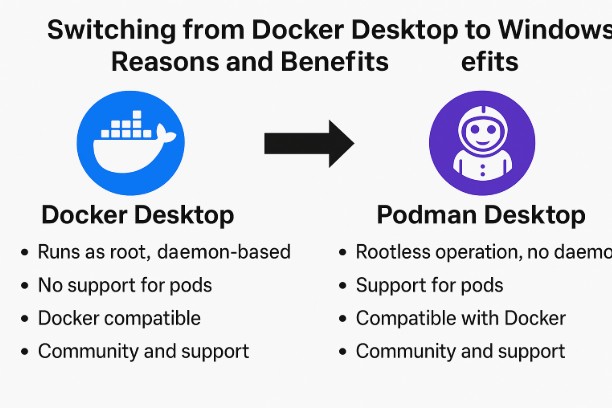
Podman Compose is a command-line tool that functions similarly to Docker Compose. It allows you to define, manage, and run multi-container applications using a YAML configuration file. Like Docker Compose, Podman Compose reads the configuration from a docker-compose.yml file and translates it into Podman commands.

Podman differs from Docker in that it runs containers as non-root users by default, improving security and flexibility, especially in multi-user environments. Podman Compose extends this capability, enabling you to orchestrate container services in a more secure environment.

Key Features of Podman Compose

  • Rootless operation: Containers can be managed without root privileges.
  • Docker Compose compatibility: It supports most docker-compose.yml configurations.
  • Security: No daemon is required, so it’s less vulnerable to attacks compared to Docker.
  • Swappable backends: Podman can work with other container backends if necessary.

How to Install Podman Compose

Before using Podman Compose, you need to install both Podman and Podman Compose. Here’s how to install them on major Linux distributions.

Installing Podman on Linux

Podman is available in the official repositories of most Linux distributions. You can install it using the following commands depending on your Linux distribution.

On Fedora:


sudo dnf install podman -y

On Ubuntu/Debian:

sudo apt update
sudo apt install podman -y

Installing Podman Compose

Once Podman is installed, you can install Podman Compose using Python’s package manager pip.

pip3 install podman-compose

To verify the installation:

podman-compose --version

You should see the version number, confirming that Podman Compose is installed correctly.

Basic Usage of Podman Compose

Now that you have Podman Compose installed, let’s walk through some basic usage. The structure and workflow are similar to Docker Compose, which makes it easy to get started if you’re familiar with Docker.

Step 1: Create a docker-compose.yml File

The docker-compose.yml file defines the services, networks, and volumes required for your application. Here’s a simple example with two services: a web service and a database service.

version: '3'
services:
  web:
    image: nginx:alpine
    ports:
      - "8080:80"
  db:
    image: postgres:alpine
    environment:
      POSTGRES_USER: user
      POSTGRES_PASSWORD: password

Step 2: Running the Containers

To bring up the containers defined in your docker-compose.yml file, use the following command:

podman-compose up

This command will start the web and db containers.

Step 3: Stopping the Containers

To stop the running containers, you can use:

podman-compose down

This stops and removes all the containers associated with the configuration.

Advanced Examples and Usage of Podman Compose

Podman Compose can handle more complex configurations. Below are some advanced examples for managing multi-container applications.

Example 1: Adding Networks

You can define custom networks in your docker-compose.yml file. This allows containers to communicate in isolated networks.

version: '3'
services:
  app:
    image: myapp:latest
    networks:
      - backend
  db:
    image: mysql:latest
    networks:
      - backend
      - frontend

networks:
  frontend:
  backend:

In this example, the db service communicates with both the frontend and backend networks, while app only connects to the backend.

Example 2: Using Volumes for Persistence

To keep your data persistent across container restarts, you can define volumes in the docker-compose.yml file.

version: '3'
services:
  db:
    image: postgres:alpine
    volumes:
      - db_data:/var/lib/postgresql/data
volumes:
  db_data:

This ensures that even if the container is stopped or removed, the data will remain intact.

Example 3: Running Podman Compose in a Rootless Mode

One of the major benefits of Podman is its rootless operation, which enhances security. Podman Compose inherits this functionality, allowing you to run your containers as a non-root user.

podman-compose --rootless up

This command ensures that your containers run in a rootless mode, offering better security and isolation in multi-user environments.

Common Issues and Troubleshooting

Even though Podman Compose is designed to be user-friendly, you might encounter some issues during setup and execution. Below are some common issues and their solutions.

Issue 1: Unsupported Commands

Since Podman is not Docker, some docker-compose.yml features may not work out of the box. Always refer to Podman documentation to ensure compatibility.

Issue 2: Network Connectivity Issues

In some cases, containers may not communicate correctly due to networking configurations. Ensure that you are using the correct networks in your configuration file.

Issue 3: Volume Mounting Errors

Errors related to volume mounting can occur due to improper paths or permissions. Ensure that the correct directory permissions are set, especially in rootless mode.

FAQ: Frequently Asked Questions about Podman Compose

1. Is Podman Compose a drop-in replacement for Docker Compose?

Yes, Podman Compose works similarly to Docker Compose and can often serve as a drop-in replacement for managing containers using a docker-compose.yml file.

2. How do I ensure my Podman containers are running in rootless mode?

Simply install Podman Compose as a regular user, and run commands without sudo. Podman automatically detects rootless environments.

3. Can I use Docker Compose with Podman?

While Podman Compose is the preferred tool, you can use Docker Compose with Podman by setting environment variables to redirect commands. However, Podman Compose is specifically optimized for Podman and offers a more seamless experience.

4. Does Podman Compose support Docker Swarm?

No, Podman Compose does not support Docker Swarm or Kubernetes out of the box. For orchestration beyond simple container management, consider using Podman with Kubernetes or OpenShift.

5. Is Podman Compose slower than Docker Compose?

No, Podman Compose is optimized for performance, and in some cases, can be faster than Docker Compose due to its daemonless architecture.

Conclusion

Podman Compose is a powerful tool for orchestrating containers, offering a more secure, rootless alternative to Docker Compose. Whether you’re working on a simple project or managing complex microservices, Podman Compose provides the flexibility and functionality you need without compromising on security.

By following this guide, you can start using Podman Compose to deploy your multi-container applications with ease, while ensuring compatibility with most docker-compose.yml configurations.

For more information, check out the official Podman documentation or explore other resources like Podman’s GitHub repository. Thank you for reading the DevopsRoles page!

CVE-2024-38812: A Comprehensive Guide to the VMware Vulnerability

Introduction

In today’s evolving digital landscape, cybersecurity vulnerabilities can create serious disruptions to both organizations and individuals. One such vulnerability, CVE-2024-38812, targets VMware systems and poses significant risks to businesses reliant on this platform. Understanding CVE-2024-38812, its implications, and mitigation strategies is crucial for IT professionals, network administrators, and security teams.

In this article, we’ll break down the technical aspects of this vulnerability, provide real-world examples, and outline methods to secure your systems effectively.

What is CVE-2024-38812?

CVE-2024-38812 Overview

CVE-2024-38812 is a critical security vulnerability identified in VMware systems, specifically targeting the virtual environment and allowing attackers to exploit weaknesses in the system. This vulnerability could enable unauthorized access, data breaches, or system control.

The vulnerability has been rated 9.8 on the CVSS (Common Vulnerability Scoring System) scale, making it a severe issue that demands immediate attention. Affected products may include VMware ESXi, VMware Workstation, and VMware Fusion.

How Does CVE-2024-38812 Work?

Exploitation Path

CVE-2024-38812 is a remote code execution (RCE) vulnerability. An attacker can exploit this flaw by sending specially crafted requests to the VMware system. Upon successful exploitation, the attacker can gain access to critical areas of the virtualized environment, including the ability to:

• Execute arbitrary code on the host machine.

• Access and exfiltrate sensitive data.

• Escalate privileges and gain root or administrative access.

Affected VMware Products

The following VMware products have been identified as vulnerable:

VMware ESXi versions 7.0.x and 8.0.x

VMware Workstation Pro 16.x

VMware Fusion 12.x

It’s essential to keep up-to-date with VMware’s advisories for the latest patches and product updates.

Why is CVE-2024-38812 Dangerous?

Potential Impacts

The nature of remote code execution makes CVE-2024-38812 particularly dangerous for enterprise environments that rely on VMware’s virtualization technology. Exploiting this vulnerability can result in:

Data breaches: Sensitive corporate or personal data could be compromised.

System downtime: Attackers could cause significant operational disruptions, leading to service downtime or financial loss.

Ransomware attacks: Unauthorized access could facilitate ransomware attacks, where malicious actors lock crucial data behind encryption and demand payment for its release.

How to Mitigate CVE-2024-38812

Patching Your Systems

The most effective way to mitigate the risks associated with CVE-2024-38812 is to apply patches provided by VMware. Regularly updating your VMware products ensures that your system is protected from the latest vulnerabilities.

1. Check for patches: VMware releases security patches and advisories on their website. Ensure you are subscribed to notifications for updates.

2. Test patches: Always test patches in a controlled environment before deploying them in production. This ensures compatibility with your existing systems.

3. Deploy promptly: Once tested, deploy patches across all affected systems to minimize exposure to the vulnerability.

Network Segmentation

Limiting network access to VMware hosts can significantly reduce the attack surface. Segmentation ensures that attackers cannot easily move laterally through your network in case of a successful exploit.

1. Restrict access to the management interface using a VPN or a dedicated management VLAN.

2. Implement firewalls and other network controls to isolate sensitive systems.

Regular Security Audits

Conduct regular security audits and penetration testing to identify any potential vulnerabilities that might have been overlooked. These audits should include:

Vulnerability scanning to detect known vulnerabilities like CVE-2024-38812.

Penetration testing to simulate potential attacks and assess your system’s resilience.

Frequently Asked Questions (FAQ)

What is CVE-2024-38812?

CVE-2024-38812 is a remote code execution vulnerability in VMware systems, allowing attackers to gain unauthorized access and potentially control affected systems.

How can I tell if my VMware system is vulnerable?

VMware provides a list of affected products in their advisory. You can check your system version and compare it to the advisory. Systems running older, unpatched versions of ESXi, Workstation, or Fusion may be vulnerable.

How do I patch my VMware system?

To patch your system, visit VMware’s official support page, download the relevant security patches, and apply them to your system. Ensure you follow best practices, such as testing patches in a non-production environment before deployment.

What are the risks of not patching CVE-2024-38812?

If left unpatched, CVE-2024-38812 could allow attackers to execute code remotely, access sensitive data, disrupt operations, or deploy malware such as ransomware.

Can network segmentation help mitigate the risk?

Yes, network segmentation is an excellent strategy to limit the attack surface by restricting access to critical parts of your infrastructure. Use VPNs and firewalls to isolate sensitive areas.

Real-World Examples of VMware Vulnerabilities

While CVE-2024-38812 is a new vulnerability, past VMware vulnerabilities such as CVE-2021-21985 and CVE-2020-4006 highlight the risks of leaving VMware systems unpatched. In both cases, attackers exploited VMware vulnerabilities to gain unauthorized access and compromise corporate networks.

In 2021, CVE-2021-21985, another remote code execution vulnerability in VMware vCenter, was actively exploited in the wild before patches were applied. Organizations that delayed patching faced data breaches and system disruptions.

These examples underscore the importance of promptly addressing CVE-2024-38812 by applying patches and maintaining good security hygiene.

Best Practices for Securing VMware Environments

1. Regular Patching and Updates

• Regularly apply patches and updates from VMware.

• Automate patch management if possible to minimize delays in securing your infrastructure.

2. Use Multi-Factor Authentication (MFA)

• Implement multi-factor authentication (MFA) to strengthen access controls.

• MFA can prevent attackers from gaining access even if credentials are compromised.

3. Implement Logging and Monitoring

• Enable detailed logging for VMware systems.

• Use monitoring tools to detect suspicious activity, such as unauthorized access attempts or changes in system behavior.

4. Backup Critical Systems

• Regularly back up virtual machines and data to ensure minimal downtime in case of a breach or ransomware attack.

• Ensure backups are stored securely and offline where possible.

External Links

VMware Security Advisories

National Vulnerability Database (NVD) – CVE-2024-38812

VMware Official Patches and Updates

Conclusion

CVE-2024-38812 is a serious vulnerability that can have far-reaching consequences if left unaddressed. As with any security threat, prevention is always better than cure. By patching systems, enforcing best practices like MFA, and conducting regular security audits, organizations can significantly reduce the risk of falling victim to this vulnerability.

Always stay vigilant by keeping your systems up-to-date and monitoring for any unusual activity that could indicate a breach. If CVE-2024-38812 is relevant to your environment, act now to protect your systems and data from potentially devastating attacks.

This article provides a clear understanding of the VMware vulnerability CVE-2024-38812 and emphasizes actionable steps to mitigate risks. Properly managing and securing your VMware environment is crucial for maintaining a secure and resilient infrastructure. Thank you for reading the DevopsRoles page!

Azure MLOps: From Basics to Advanced

Introduction

In today’s world, Machine Learning (ML) is becoming an integral part of many businesses. As the adoption of ML increases, so does the complexity of managing ML workflows. This is where MLOps (Machine Learning Operations) comes into play, enabling organizations to deploy and manage their ML models efficiently.

Azure MLOps, a service offered by Microsoft, helps simplify these workflows by leveraging Azure DevOps and various automation tools. Whether you’re new to MLOps or have been working with ML for years, Azure MLOps provides the tools needed to streamline model development, deployment, and monitoring.

In this guide, we’ll explore Azure MLOps in-depth, from basic setup to advanced examples of managing complex machine learning models in production environments.

What is MLOps?

MLOps is a combination of Machine Learning and DevOps principles, aiming to automate and manage the lifecycle of ML models from development to deployment and beyond. It encompasses practices that bring DevOps-like automation and management strategies to machine learning, ensuring that models can be deployed consistently, monitored effectively, and updated seamlessly.

Azure MLOps extends this concept by integrating with Azure Machine Learning and Azure DevOps, enabling data scientists and engineers to collaborate, build, test, and deploy models in a reproducible and scalable manner.

Benefits of Azure MLOps

Azure MLOps offers several key benefits, including:

  • Streamlined ML lifecycle management: From experimentation to deployment, all phases of the model lifecycle can be managed in a single environment.
  • Automation: Automated CI/CD pipelines reduce manual intervention.
  • Collaboration: Data scientists and DevOps engineers can work together in a unified environment.
  • Scalability: Easily scale ML models in production to handle large volumes of data.

Getting Started with Azure MLOps

Prerequisites

Before starting with Azure MLOps, ensure you have the following:

  • An Azure subscription.
  • Azure Machine Learning workspace set up.
  • Basic knowledge of Azure DevOps and CI/CD pipelines.

Step 1: Setting Up an Azure Machine Learning Workspace

To begin using Azure MLOps, you’ll first need an Azure Machine Learning workspace. The workspace acts as a central hub where your machine learning models, datasets, and experiments are stored.

  1. Sign in to your Azure portal.
  2. Navigate to “Create a resource” and search for “Machine Learning.”
  3. Create a new Machine Learning workspace by following the on-screen instructions.

Step 2: Integrating Azure DevOps with Azure Machine Learning

Azure MLOps integrates seamlessly with Azure DevOps, allowing you to automate the ML model lifecycle. Here’s how you can integrate the two:

  1. In the Azure portal, go to your Machine Learning workspace.
  2. Under the “Automated ML” section, select “Azure DevOps integration.”
  3. Connect your Azure DevOps account and repository.
  4. Set up pipelines to automate your training, validation, and deployment processes.

Step 3: Configuring CI/CD Pipelines

MLOps emphasizes continuous integration and continuous deployment (CI/CD) pipelines. Setting up a CI/CD pipeline ensures that your machine learning model is automatically trained, tested, and deployed whenever there are changes to the code or data.

  • Continuous Integration (CI) focuses on automatically retraining models when new data or changes in code occur.
  • Continuous Deployment (CD) ensures that the latest version of the model is automatically deployed to production once it passes all tests.

Creating a CI Pipeline

  1. In Azure DevOps, navigate to Pipelines.
  2. Create a new pipeline and link it to your ML repository.
  3. Define the steps for training the model in the YAML file. You can specify environments such as Docker or Kubernetes to ensure consistency across different environments.

Creating a CD Pipeline

Once the CI pipeline is in place, set up a release pipeline to automate model deployment.

  1. In Azure DevOps, go to Releases.
  2. Set up a new release pipeline and define environments for model testing and deployment (e.g., staging and production).
  3. Use Azure Kubernetes Service (AKS) or Azure App Service to deploy the model as a web service.

Advanced Azure MLOps Use Cases

Use Case 1: Automated Model Retraining

One common challenge in machine learning is ensuring models remain up-to-date as new data comes in. With Azure MLOps, you can automate the retraining process using Azure DevOps pipelines.

  • Set up a data pipeline that triggers a retraining process whenever new data is added.
  • Use the CI pipeline to retrain and validate the updated model.
  • Deploy the retrained model using the CD pipeline.

Use Case 2: Monitoring and Model Drift Detection

Azure MLOps also allows you to monitor models in production and detect model drift—when a model’s performance degrades over time due to changes in the data distribution.

  • Implement Azure Application Insights to monitor the model’s performance in real time.
  • Set up alerts for key metrics like accuracy or precision.
  • Use Azure Machine Learning’s drift detection capabilities to automatically flag and retrain models that are no longer performing optimally.

Use Case 3: A/B Testing and Model Versioning

Azure MLOps supports A/B testing, allowing you to test different versions of a model before fully deploying the best-performing one.

  • Deploy multiple versions of your model using Azure Kubernetes Service (AKS).
  • Use Azure’s Model Management capabilities to track performance metrics across different versions.
  • Choose the best model based on your A/B testing results.

Best Practices for Implementing Azure MLOps

  1. Version Control Everything: Keep your data, code, and models under version control using Git.
  2. Automate Model Training: Use CI pipelines to automatically retrain models whenever there are changes in data or code.
  3. Use Containerization: Utilize Docker containers to ensure your environment is consistent across development, testing, and production stages.
  4. Monitor Models in Production: Always monitor your deployed models for performance and retrain when necessary.
  5. Keep Data Privacy in Mind: Ensure that sensitive data is handled in compliance with data privacy regulations like GDPR.

FAQ

What is the difference between MLOps and DevOps?

While DevOps focuses on the automation and management of software development lifecycles, MLOps extends these principles to machine learning models, emphasizing the unique challenges of deploying and managing ML systems, such as model drift, retraining, and data dependencies.

Is Azure DevOps required for Azure MLOps?

No, but Azure DevOps makes it easier to automate the CI/CD pipelines. You can also use other DevOps tools, such as GitHub Actions or Jenkins, to implement MLOps on Azure.

How can I monitor my models in Azure MLOps?

Azure Machine Learning provides tools like Application Insights and Azure Monitor to track the performance of your models in real time. You can also set up alerts for model drift or degradation in performance.

Can I use Azure MLOps for non-Azure environments?

Yes, Azure MLOps supports multi-cloud and hybrid-cloud environments. You can deploy models to non-Azure environments using Kubernetes or Docker.

Conclusion

Azure MLOps provides a comprehensive framework to manage the end-to-end lifecycle of machine learning models, from development to deployment and beyond. With its tight integration with Azure DevOps, you can automate workflows, monitor models, and ensure they are always up-to-date. Whether you’re starting with basic ML models or managing complex pipelines, Azure MLOps can scale to meet your needs.

For more information on MLOps best practices, you can refer to Microsoft’s official documentation on Azure MLOps.

By following the guidelines in this article, you can leverage Azure MLOps to streamline your machine learning operations, making them more efficient, scalable, and reliable. Thank you for reading the DevopsRoles page!

External Resources:

Mastering DevContainer: A Comprehensive Guide for Developers

Introduction

In today’s fast-paced development environment, working in isolated and reproducible environments is essential. This is where DevContainers come into play. By leveraging Docker and Visual Studio Code (VS Code), developers can create consistent and sharable environments that ensure seamless collaboration and deployment across different machines.

In this article, we will explore the concept of DevContainers, how to set them up, and dive into examples that range from beginner to advanced. By the end, you’ll be proficient in using DevContainers to streamline your development workflow and avoid common pitfalls.

What is a DevContainer?

A DevContainer is a feature in VS Code that allows you to open any project in a Docker container. This gives developers a portable and reproducible development environment that works regardless of the underlying OS or host system configuration.

Why Use DevContainers?

DevContainers solve several issues that developers face:

  • Environment Consistency: You can ensure that every team member works in the same development environment, reducing the “works on my machine” issue.
  • Portable Development Environments: Docker containers are portable and can run on any machine with Docker installed.
  • Dependency Isolation: You can isolate dependencies and libraries within the container without affecting the host machine.

Setting Up a Basic DevContainer

To get started with DevContainers, you’ll need to install Docker and Visual Studio Code. Here’s a step-by-step guide to setting up a basic DevContainer.

Step 1: Install the Required Extensions

In VS Code, install the Remote – Containers extension from the Extensions marketplace.

Step 2: Create a DevContainer Configuration File

Inside your project folder, create a .devcontainer folder. Within that, create a devcontainer.json file.


{
"name": "My DevContainer",
"image": "node:14",
"forwardPorts": [3000],
"extensions": [
"dbaeumer.vscode-eslint"
]
}
  • name: The name of your DevContainer.
  • image: The Docker image you want to use.
  • forwardPorts: Ports that you want to forward from the container to your host machine.
  • extensions: VS Code extensions you want to install inside the container.

Step 3: Open Your Project in a Container

Once you have the devcontainer.json file ready, open the command palette in VS Code (Ctrl+Shift+P), search for “Remote-Containers: Reopen in Container”, and select your configuration. VS Code will build the Docker container based on the settings and reopen your project inside it.

Intermediate: Customizing Your DevContainer

As you become more familiar with DevContainers, you’ll want to customize them to suit your project’s specific needs. Let’s look at how you can enhance the basic configuration.

1. Using Docker Compose for Multi-Container Projects

Sometimes, your project may require multiple services (e.g., a database and an app server). In such cases, you can use Docker Compose.

First, create a docker-compose.yml file in your project root:

version: '3'
services:
  app:
    image: node:14
    volumes:
      - .:/workspace
    ports:
      - 3000:3000
    command: npm start
  db:
    image: postgres:12
    environment:
      POSTGRES_USER: admin
      POSTGRES_PASSWORD: password

Next, update your devcontainer.json to use this docker-compose.yml:

{
    "name": "Node.js & Postgres DevContainer",
    "dockerComposeFile": "docker-compose.yml",
    "service": "app",
    "workspaceFolder": "/workspace",
    "extensions": [
        "ms-azuretools.vscode-docker"
    ]
}

This setup will run both a Node.js app and a PostgreSQL database within the same development environment.

2. Adding User-Specific Settings

To ensure every developer has their preferred settings inside the container, you can add user settings in the devcontainer.json file.

{
    "settings": {
        "terminal.integrated.shell.linux": "/bin/bash",
        "editor.tabSize": 4
    }
}

This example changes the default terminal shell to bash and sets the tab size to 4 spaces.

Advanced: Creating a Custom Dockerfile for Your DevContainer

For more control over your environment, you may want to create a custom Dockerfile. This allows you to specify the exact versions of tools and dependencies you need.

Step 1: Create a Dockerfile

In the .devcontainer folder, create a Dockerfile:

FROM node:14

# Install additional dependencies
RUN apt-get update && apt-get install -y \
    build-essential \
    python3

# Set the working directory
WORKDIR /workspace

# Install Node.js dependencies
COPY package.json .
RUN npm install

Step 2: Reference the Dockerfile in devcontainer.json

{
    "name": "Custom DevContainer",
    "build": {
        "dockerfile": "Dockerfile"
    },
    "forwardPorts": [3000],
    "extensions": [
        "esbenp.prettier-vscode"
    ]
}

With this setup, you are building the container from a custom Dockerfile, giving you full control over the environment.

Advanced DevContainer Tips

  • Bind Mounting Volumes: Use volumes to mount your project directory inside the container so changes are reflected in real-time.
  • Persisting Data: For databases, use named Docker volumes to persist data across container restarts.
  • Environment Variables: Use .env files to pass environment-specific settings into your containers without hardcoding sensitive data.

Common Issues and Troubleshooting

Here are some common issues you may face while working with DevContainers and how to resolve them:

Issue 1: Slow Container Startup

  • Solution: Reduce the size of your Docker image by using smaller base images or multi-stage builds.

Issue 2: Missing Permissions

  • Solution: Ensure that the correct user is set in the devcontainer.json or Dockerfile using the USER command.

Issue 3: Container Exits Immediately

  • Solution: Check the Docker logs for any startup errors, or ensure the command in the Dockerfile or docker-compose.yml is correct.

FAQ

What is the difference between Docker and DevContainers?

Docker provides the underlying technology for containerization, while DevContainers is a feature of VS Code that helps you develop directly inside a Docker container with additional tooling support.

Can I use DevContainers with other editors?

Currently, DevContainers is a VS Code-specific feature. However, you can use Docker containers with other editors by manually configuring them.

How do I share my DevContainer setup with other team members?

You can commit your .devcontainer folder to your version control system, and other team members can clone the repository and use the same container setup.

Do DevContainers support Windows?

Yes, DevContainers can be run on Windows, MacOS, and Linux as long as Docker is installed and running.

Are DevContainers secure?

DevContainers inherit Docker’s security model. They provide isolation, but you should still follow best practices, such as not running containers with unnecessary privileges.

Conclusion

DevContainers revolutionize the way developers work by offering isolated, consistent, and sharable development environments. From basic setups to more advanced configurations involving Docker Compose and custom Dockerfiles, DevContainers can significantly enhance your workflow.

If you are working on complex, multi-service applications, or just want to ensure environment consistency across your team, learning to master DevContainers is a game-changer. With this guide, you’re now equipped with the knowledge to confidently integrate DevContainers into your projects and take your development process to the next level.

For more information, you can refer to the official DevContainers documentation or check out this guide to Docker best practices. Thank you for reading the DevopsRoles page!

VPS Docker: A Comprehensive Guide for Beginners to Advanced Users

Introduction

As businesses and developers move towards containerization for easy app deployment, Docker has become a leading solution in the market. Combining Docker with a VPS (Virtual Private Server) creates a powerful environment for hosting scalable, lightweight applications. Whether you’re new to Docker or a seasoned pro, this guide will walk you through everything you need to know about using Docker on a VPS, from the basics to advanced techniques.

What is VPS Docker?

Before diving into the practical steps, it’s essential to understand what both VPS and Docker are.

VPS (Virtual Private Server)

A VPS is a virtual machine sold as a service by an internet hosting provider. It gives users superuser-level access to a partitioned server. VPS hosting offers better performance, flexibility, and control compared to shared hosting.

Docker

Docker is a platform designed to make it easier to create, deploy, and run applications by using containers. Containers allow a developer to package an application with all its dependencies into a standardized unit, ensuring that the app will run the same regardless of the environment.

What is VPS Docker?

VPS Docker refers to the use of Docker on a VPS server. By utilizing Docker, you can create isolated containers to run different applications on the same VPS without conflicts. This setup is particularly beneficial for scalability, security, and efficient resource usage.

Why Use Docker on VPS?

There are several reasons why using Docker on a VPS is an ideal solution for many developers and businesses:

  • Isolation: Each Docker container runs in isolation, preventing software conflicts.
  • Scalability: Containers can be easily scaled up or down based on traffic demands.
  • Portability: Docker containers can run on any platform, making deployments faster and more predictable.
  • Resource Efficiency: Containers use fewer resources compared to virtual machines, enabling better performance on a VPS.
  • Security: Isolated containers offer an additional layer of security for your applications.

Setting Up Docker on VPS

Let’s go step by step from the basics to get Docker installed and running on a VPS.

Step 1: Choose a VPS Provider

There are many VPS hosting providers available, such as:

Choose a provider based on your budget and requirements. Make sure the VPS plan has enough CPU, RAM, and storage to support your Docker containers.

Step 2: Log in to Your VPS

After purchasing a VPS, you will receive login credentials (usually root access). Use an SSH client like PuTTY or Terminal to log in.

ssh root@your-server-ip

Step 3: Update Your System

Ensure your server’s package index is up to date:

apt-get update && apt-get upgrade

Step 4: Install Docker

On Ubuntu

Use the following command to install Docker on an Ubuntu-based VPS:

apt-get install docker.io

For the latest version of Docker, use Docker’s official installation script:

curl -fsSL https://get.docker.com -o get-docker.sh
sh get-docker.sh

On CentOS

yum install docker

Once Docker is installed, start the Docker service:

systemctl start docker
systemctl enable docker

Step 5: Verify Docker Installation

Check if Docker is running with:

docker --version

Run a test container to ensure Docker works correctly:

docker run hello-world

Basic Docker Commands for VPS

Now that Docker is set up, let’s explore some basic Docker commands you’ll frequently use.

Pulling Docker Images

Docker images are the templates used to create containers. To pull an image from Docker Hub, use the following command:

docker pull image-name

For example, to pull the nginx web server image:

docker pull nginx

Running a Docker Container

After pulling an image, you can create and start a container with:

docker run -d --name container-name image-name

For example, to run an nginx container:

docker run -d --name my-nginx -p 80:80 nginx

This command starts nginx on port 80.

Listing Running Containers

To see all the containers running on your VPS, use:

docker ps

Stopping a Docker Container

To stop a running container:

docker stop container-name

Removing a Docker Container

To remove a container after stopping it:

docker rm container-name

Docker Compose: Managing Multiple Containers

As you advance with Docker, you may need to manage multiple containers for a single application. Docker Compose allows you to define and run multiple containers with one command.

Installing Docker Compose

To install Docker Compose on your VPS:

curl -L "https://github.com/docker/compose/releases/download/1.29.2/docker-compose-$(uname -s)-$(uname -m)" -o /usr/local/bin/docker-compose
chmod +x /usr/local/bin/docker-compose

Docker Compose File

Create a docker-compose.yml file to define your services. Here’s an example for a WordPress app with a MySQL database:

version: '3'
services:
  db:
    image: mysql:5.7
    volumes:
      - db_data:/var/lib/mysql
    environment:
      MYSQL_ROOT_PASSWORD: example
  wordpress:
    image: wordpress:latest
    ports:
      - "8080:80"
    environment:
      WORDPRESS_DB_HOST: db:3306
      WORDPRESS_DB_PASSWORD: example
volumes:
  db_data:

To start the services:

docker-compose up -d

Advanced Docker Techniques on VPS

Once you are comfortable with the basics, it’s time to explore more advanced Docker features.

Docker Networking

Docker allows containers to communicate with each other through networks. By default, Docker creates a bridge network for containers. To create a custom network:

docker network create my-network

Connect a container to the network:

docker run -d --name my-container --network my-network nginx

Docker Volumes

Docker volumes help in persisting data beyond the lifecycle of a container. To create a volume:

docker volume create my-volume

Mount the volume to a container:

docker run -d -v my-volume:/data nginx

Securing Docker on VPS

Security is critical when running Docker on a VPS.

Use Non-Root User

Running containers as root can pose security risks. Create a non-root user and add it to the docker group:

adduser newuser
usermod -aG docker newuser

Enable Firewall

Ensure your VPS has an active firewall to block unwanted traffic. For example, use UFW on Ubuntu:

ufw allow OpenSSH
ufw enable

FAQs About VPS Docker

What is the difference between VPS and Docker?

A VPS is a virtual server hosting multiple websites or applications, while Docker is a containerization tool that allows isolated applications to run on any server, including a VPS.

Can I run multiple Docker containers on a VPS?

Yes, you can run multiple containers on a VPS, each in isolation from the others.

Is Docker secure for VPS hosting?

Docker is generally secure, but it’s essential to follow best practices like using non-root users, updating Docker regularly, and enabling firewalls.

Do I need high specifications for running Docker on VPS?

Docker is lightweight and does not require high-end specifications, but the specifications will depend on your application’s needs and the number of containers running.

Conclusion

Using Docker on a VPS allows you to efficiently manage and deploy applications in isolated environments, ensuring consistent performance across platforms. From basic commands to advanced networking and security features, Docker offers a scalable solution for any developer or business. With this guide, you’re well-equipped to start using VPS Docker and take advantage of the power of containerization for your projects.

Now it’s time to apply these practices to your VPS and explore the endless possibilities of Docker! Thank you for reading the DevopsRoles page!

Mastering Docker with Play with Docker

Introduction

In today’s rapidly evolving tech landscape, Docker has become a cornerstone for software development and deployment. Its ability to package applications into lightweight, portable containers that run seamlessly across any environment makes it indispensable for modern DevOps practices.

However, for those new to Docker, the initial setup and learning curve can be intimidating. Enter Play with Docker (PWD), a browser-based learning environment that eliminates the need for local installations, offering a sandbox for users to learn, experiment, and test Docker in real time.

In this guide, we’ll walk you through Play with Docker, starting from the basics and gradually exploring advanced topics such as Docker networking, volumes, Docker Compose, and Docker Swarm. By the end of this post, you’ll have the skills necessary to leverage Docker effectively-whether you’re a beginner or an experienced developer looking to polish your containerization skills.

What is Play with Docker?

Play with Docker (PWD) is an online sandbox that lets you interact with Docker right from your web browser-no installations needed. It provides a multi-node environment where you can simulate real-world Docker setups, test new features, and experiment with containerization.

PWD is perfect for:

  • Learning and experimenting with Docker commands.
  • Creating multi-node Docker environments for testing.
  • Exploring advanced features like networking and volumes.
  • Learning Docker Compose and Swarm orchestration.

Why Use Play with Docker?

1. No Installation Hassle

With PWD, you don’t need to install Docker locally. Just log in, start an instance, and you’re ready to experiment with containers in a matter of seconds.

2. Safe Learning Environment

Want to try out a risky command or explore advanced Docker features without messing up your local environment? PWD is perfect for that. You can safely experiment and reset if necessary.

3. Multi-node Simulation

Play with Docker enables you to create up to five nodes, allowing you to simulate real-world Docker setups such as Docker Swarm clusters.

4. Access Advanced Docker Features

PWD supports Docker’s advanced features, like container networking, volumes for persistent storage, Docker Compose for multi-container apps, and Swarm for scaling applications across multiple nodes.

Getting Started with Play with Docker

Step 1: Access Play with Docker

Start by visiting Play with Docker. You’ll need to log in using your Docker Hub credentials. Once logged in, you can create a new instance.

Step 2: Launching Your First Instance

Click Start to create a new instance. This will open a terminal window in your browser where you can run Docker commands.

Step 3: Running Your First Docker Command

Once you’re in, run the following command to verify Docker is working properly:

docker run hello-world

This command pulls and runs the hello-world image from Docker Hub. If successful, you’ll see a confirmation message from Docker.

Basic Docker Commands

1. Pulling Images

Docker images are templates used to create containers. To pull an image from Docker Hub:

docker pull nginx

This command downloads the Nginx image, which can then be used to create a container.

2. Running a Container

After pulling an image, you can create a container from it:

docker run -d -p 8080:80 nginx

This runs an Nginx web server in detached mode (-d) and maps port 80 inside the container to port 8080 on your instance.

3. Listing Containers

To view running containers, use:

docker ps

This will display all active containers and their statuses.

4. Stopping and Removing Containers

To stop a container:

docker stop <container_id>

To remove a container:

docker rm <container_id>

Intermediate Docker Features

Docker Networking

Docker networks allow containers to communicate with each other or with external systems.

Creating a Custom Network

You can create a custom network with:

docker network create my_network

Connecting Containers to a Network

To connect containers to the same network for communication:

docker run -d --network my_network --name web nginx
docker run -d --network my_network --name db mysql

This connects both the Nginx and MySQL containers to my_network, enabling them to communicate.

Advanced Docker Techniques

Docker Volumes: Persisting Data

By default, Docker containers are stateless—once stopped, all data is lost. To persist data, Docker uses volumes.

Creating a Volume

To create a volume:

docker volume create my_volume

Mounting a Volume

You can mount the volume to a container like this:

docker run -d -v my_volume:/data nginx

This mounts my_volume to the /data directory inside the container, ensuring data is not lost when the container is stopped.

Docker Compose: Simplifying Multi-Container Applications

Docker Compose allows you to manage multi-container applications using a simple YAML file. This is perfect for defining services like web servers, databases, and caches in a single configuration file.

Example Docker Compose File

version: '3'
services:
  web:
    image: nginx
    ports:
      - "8080:80"
  db:
    image: mysql
    environment:
      MYSQL_ROOT_PASSWORD: password

To start the services defined in this file:

docker-compose up

Docker Compose will pull the necessary images, create containers, and link them together.

Docker Swarm: Orchestrating Containers

Docker Swarm allows you to deploy, manage, and scale containers across multiple Docker nodes. It turns multiple Docker hosts into a single, virtual Docker engine.

Initializing Docker Swarm

To turn your current node into a Swarm manager:

docker swarm init

Adding Nodes to the Swarm

In Play with Docker, you can create additional instances (nodes) and join them to the Swarm using the token provided after running swarm init.

Frequently Asked Questions

1. How long does a session last on Play with Docker?

Each session lasts about four hours, after which your instances will expire. You can start a new session immediately after.

2. Is Play with Docker free to use?

Yes, Play with Docker is completely free.

3. Can I simulate Docker Swarm in Play with Docker?

Yes, Play with Docker supports multi-node environments, making it perfect for simulating Docker Swarm clusters.

4. Do I need to install anything to use Play with Docker?

No, you can run Docker commands directly in your web browser without installing any additional software.

5. Can I save my work in Play with Docker?

Since Play with Docker is a sandbox environment, your work is not saved between sessions. You can use Docker Hub or external repositories to store your data.

Conclusion

Play with Docker is a powerful tool that allows both beginners and advanced users to learn, experiment, and master Docker-all from the convenience of a browser. Whether you’re just starting or want to explore advanced features like networking, volumes, Docker Compose, or Swarm orchestration, Play with Docker provides the perfect environment.

Start learning Docker today with Play with Docker and unlock the full potential of containerization for your projects! Thank you for reading the DevopsRoles page!

Kubernetes Lens: A Deep Guide to the Ultimate Kubernetes IDE

Introduction

Kubernetes has become the go-to solution for container orchestration, but managing multiple clusters, services, and workloads can still be overwhelming, even for seasoned DevOps engineers. Enter Kubernetes Lens – a robust, open-source Integrated Development Environment (IDE) for Kubernetes that simplifies the entire process, offering real-time insights, multi-cluster management, and a user-friendly interface.

Whether you’re new to Kubernetes or an experienced operator, this guide takes a deep dive into Kubernetes Lens. We’ll cover everything from initial setup and configuration to advanced features like Helm support, real-time metrics, and a rich extension ecosystem.

What is Kubernetes Lens?

Kubernetes Lens is a comprehensive, open-source Kubernetes IDE designed to help administrators and developers manage and monitor Kubernetes clusters with ease. It offers a graphical interface that allows users to monitor clusters, troubleshoot issues, view real-time logs, and even manage resources — all from a single platform.

Lens allows users to manage multiple clusters across different environments, making it the perfect solution for those who work in complex, multi-cloud setups or use Kubernetes at scale.

Key Features of Kubernetes Lens

1. Cluster Management

One of the primary strengths of Kubernetes Lens is its ability to manage multiple clusters from a single interface. This feature is essential for users working in multi-cloud environments or managing clusters in different stages of development, such as production, staging, and development environments.

2. Real-Time Metrics

Lens provides real-time statistics and metrics, allowing you to monitor the health and performance of your Kubernetes resources without needing third-party tools. The metrics cover everything from CPU and memory usage to pod performance and node health.

3. Terminal Integration

You can interact with your Kubernetes clusters directly through an integrated terminal in Kubernetes Lens. This terminal allows you to run kubectl commands, shell into pods, and execute scripts without switching between different tools.

4. Log Viewer

Troubleshooting Kubernetes issues often involves looking through pod logs, and Lens makes this simple with its built-in log viewer. You can easily access logs from running or failed pods, filter logs by keyword, and analyze them without needing to access the command line.

5. Helm Charts Management

Helm is the go-to package manager for Kubernetes, and Lens integrates seamlessly with it. You can browse, install, and manage Helm charts directly from the Lens interface, simplifying the process of deploying applications to your clusters.

6. Extensions and Plugins

Lens supports a wide range of extensions, allowing you to customize and extend its functionality. These extensions range from additional monitoring tools to integrations with other cloud-native technologies like Prometheus, Jaeger, and more.

Why Kubernetes Lens?

Kubernetes Lens simplifies the user experience, making it the go-to tool for Kubernetes administrators and developers who want to avoid using multiple command-line tools. Here are some reasons why Kubernetes Lens stands out:

  1. Enhanced Productivity: With Kubernetes Lens, you can visualize your cluster’s resources and configurations, which speeds up debugging, management, and general operations.
  2. Multi-Cluster Management: Whether you’re working with clusters on AWS, Azure, GCP, or on-premises, Lens makes it easy to manage them all from one interface.
  3. Real-Time Insights: Lens provides instant access to real-time statistics, allowing you to make informed decisions regarding scaling, troubleshooting, and resource allocation.
  4. Developer-Friendly: For developers who might not be familiar with Kubernetes internals, Lens offers a simple way to interact with clusters, removing the complexity of using the kubectl command-line tool for every task.

Step-by-Step Guide: Getting Started with Kubernetes Lens

Step 1: Installing Kubernetes Lens

Kubernetes Lens is available on Windows, macOS, and Linux. To install Lens, follow these steps:

  1. Go to the Kubernetes Lens official website.
  2. Download the appropriate version for your operating system.
  3. Follow the installation instructions for your platform (Lens provides a simple installer for all major OSs).
  4. Once installed, open Lens. It will automatically detect your existing Kubernetes configurations (if you have kubectl set up) and display them in the interface.

Step 2: Connecting Kubernetes Clusters

Lens integrates directly with your existing Kubernetes clusters. If you’ve previously set up Kubernetes on your local machine (via Minikube, Kind, or other solutions), or if you have clusters on the cloud, Lens will automatically detect them.

To manually add a cluster:

  1. Click on Add Cluster.
  2. Import your Kubeconfig file (this can be exported from your cloud provider or local setup).
  3. Your cluster will now appear in the Clusters tab.

Step 3: Exploring the Interface

Kubernetes Lens provides a simple, intuitive interface. Here’s a quick overview of the main sections:

  • Cluster Dashboard: Shows an overview of the health and resources of your connected cluster. You can monitor nodes, pods, and services in real-time.
  • Workload Views: This section provides detailed insights into workloads, such as deployments, stateful sets, jobs, and pods.
  • Networking: Manage services, ingresses, and network policies.
  • Storage: View persistent volumes (PV) and persistent volume claims (PVC) usage across your cluster.
  • Configuration: Manage Kubernetes ConfigMaps, Secrets, and other configurations directly from the Lens interface.

Advanced Kubernetes Lens Features

Helm Charts

Helm simplifies application deployment on Kubernetes, and Lens integrates directly with Helm for chart management. You can:

  • Browse Helm repositories and view available charts.
  • Install, upgrade, or rollback Helm charts.
  • View the status of each Helm release directly from the Lens UI.

Multi-Cluster Management

With Kubernetes Lens, you can manage multiple clusters from different environments, including on-premises and cloud-hosted Kubernetes setups. Switching between clusters is as easy as clicking on the desired cluster, allowing you to work across multiple environments without the need for multiple windows or command-line sessions.

Extensions and Plugins

Lens offers an extensive library of extensions that allow you to add new capabilities, such as:

  • Prometheus for advanced monitoring and alerting.
  • Jaeger for distributed tracing.
  • GitOps tools for continuous delivery.

You can find and install these extensions directly from Lens, or even create your own custom extensions.

Integrated Terminal

One of the standout features of Kubernetes Lens is the integrated terminal. It enables you to:

  • Run kubectl commands directly from the Lens interface.
  • Connect to any pod and open an interactive shell.
  • Run scripts and manage resources without leaving the Lens environment.

Best Practices for Using Kubernetes Lens

Regularly Monitor Cluster Health

Kubernetes Lens provides a dashboard with real-time metrics. Make it a habit to regularly monitor this data to identify potential bottlenecks, resource issues, or misconfigurations. Proactive monitoring helps prevent outages and improves overall cluster performance.

Leverage Helm for Application Management

Helm simplifies complex Kubernetes deployments by managing applications as packages. Kubernetes Lens’ Helm integration allows you to easily install, update, and manage applications across multiple clusters. Make use of Helm to streamline the deployment of microservices and other Kubernetes-based applications.

Use Extensions to Enhance Lens Functionality

Extensions are a powerful feature of Kubernetes Lens. If you’re using additional Kubernetes tools like Prometheus, Jaeger, or ArgoCD, leverage their Lens extensions to enhance your monitoring and management capabilities. Explore the Lens extension hub to discover new tools and integrations that can benefit your specific workflow.

Frequently Asked Questions (FAQs)

1. Is Kubernetes Lens completely free?

Yes, Kubernetes Lens is an open-source project and free to use for both personal and commercial purposes.

2. How does Kubernetes Lens handle multi-cluster management?

Lens allows you to manage multiple clusters from a single interface, making it easy to switch between environments and monitor all your clusters in one place.

3. Does Kubernetes Lens support Helm integration?

Yes, Kubernetes Lens fully supports Helm. You can browse Helm charts, install applications, and manage releases directly from the Lens interface.

4. Can I install extensions in Kubernetes Lens?

Yes, Kubernetes Lens has a rich ecosystem of extensions. You can install these extensions from the Lens Extension Hub or develop custom extensions to meet your needs.

5. Do I need to be a Kubernetes expert to use Kubernetes Lens?

No, Kubernetes Lens simplifies many aspects of Kubernetes management, making it accessible for beginners. However, some basic Kubernetes knowledge will be helpful for advanced features.

Conclusion

Kubernetes Lens is a game-changer for Kubernetes cluster management. Whether you’re just starting with Kubernetes or are a seasoned administrator, Lens offers an intuitive, feature-rich interface that simplifies everything from monitoring workloads to managing Helm charts and extensions. Its ability to manage multiple clusters and provide real-time insights makes it an indispensable tool for anyone working with Kubernetes.

If you’re looking to streamline your Kubernetes operations, Kubernetes Lens should be your go-to IDE. Start using it today to experience its full potential in simplifying your Kubernetes workflows! Thank you for reading the DevopsRoles page!

Devops Tutorial

Exit mobile version