AWS SAM and HashiCorp Terraform: Now Generally Available

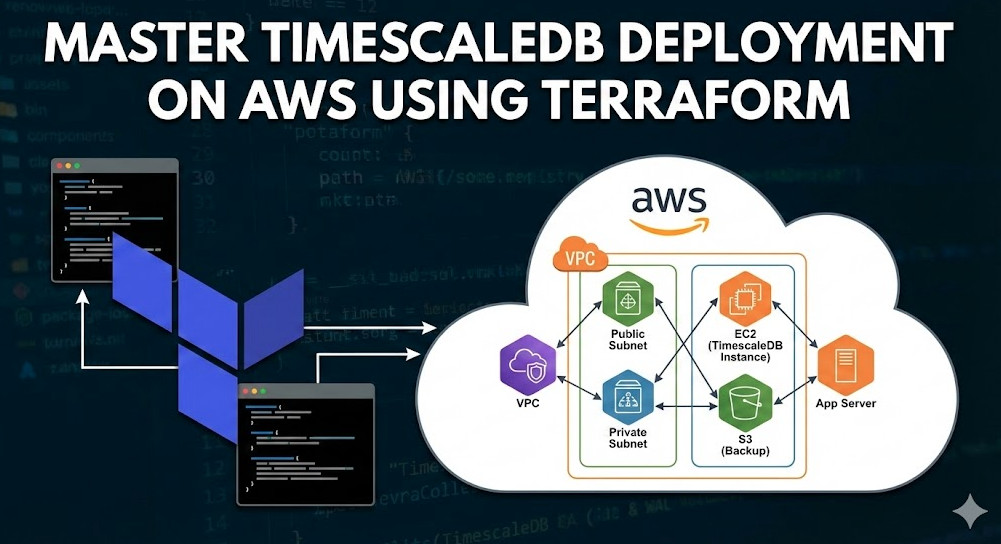
The convergence of serverless technologies and infrastructure-as-code (IaC) has revolutionized the way we deploy and manage applications. Two leading players in this space, AWS Serverless Application Model (AWS SAM) and HashiCorp Terraform, have significantly impacted cloud deployment strategies. This article delves into the now generally available integration of AWS SAM and HashiCorp Terraform, exploring how this combination empowers developers and DevOps engineers to streamline their workflows and improve application deployment efficiency. We’ll cover the benefits, potential challenges, and best practices for effectively leveraging AWS SAM HashiCorp Terraform in your cloud infrastructure.

Understanding AWS SAM and HashiCorp Terraform

Before diving into their integration, let’s briefly review each technology individually. AWS SAM simplifies the definition and deployment of serverless applications on AWS. It uses a YAML-based template language to define the resources needed for your application, including Lambda functions, API Gateway endpoints, DynamoDB tables, and more. This declarative approach makes it easier to manage and version your serverless infrastructure.

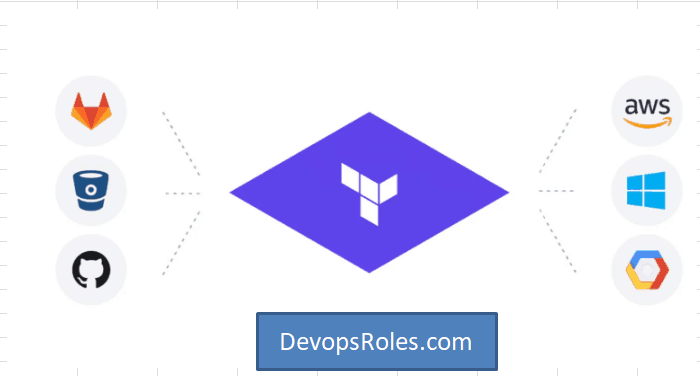
HashiCorp Terraform, on the other hand, is a powerful IaC tool supporting a wide range of cloud providers and infrastructure services. It uses a declarative configuration language (HCL) to define and manage infrastructure resources. Terraform’s strength lies in its ability to manage diverse infrastructure components, not just serverless applications. Its extensive provider ecosystem enables consistent management across various platforms.

Integrating AWS SAM with HashiCorp Terraform

The integration of AWS SAM HashiCorp Terraform brings together the best of both worlds. You can now define your serverless application using AWS SAM’s YAML templates and manage the deployment of those templates, along with other infrastructure components, using Terraform. This allows for a more holistic approach to infrastructure management, enabling consistent management of serverless applications alongside other infrastructure elements.

Benefits of Using AWS SAM with Terraform

  • Improved Workflow Efficiency: Centralize management of serverless and non-serverless infrastructure within a single IaC framework.
  • Enhanced Version Control: Leverage Terraform’s state management capabilities to track infrastructure changes and roll back to previous versions.
  • Simplified Infrastructure Provisioning: Automate the deployment of complex serverless applications and associated resources in a repeatable and consistent manner.
  • Enhanced Collaboration: Facilitates collaboration amongst developers, DevOps engineers, and infrastructure teams through a shared IaC approach.
  • Increased Reusability: Develop reusable Terraform modules for common serverless components, boosting productivity.

Implementing AWS SAM with Terraform: A Practical Example

Let’s consider a simple example. We’ll deploy a Lambda function using AWS SAM, managed by Terraform. This example assumes you have already installed Terraform and configured AWS credentials.

1. AWS SAM Template (template.yaml):

AWSTemplateFormatVersion: '2010-09-09'
Transform: AWS::Serverless-2016-10-31
Description: A simple Lambda function deployed via Terraform.
Resources:
  MyLambdaFunction:
    Type: AWS::Serverless::Function
    Properties:
      Handler: index.handler
      Runtime: nodejs16.x
      CodeUri: s3://my-bucket/my-lambda-function.zip
      Policies:
        - AWSLambdaBasicExecutionRole

2. Terraform Configuration (main.tf):

terraform {
  required_providers {
    aws = {
      source  = "hashicorp/aws"
      version = "~> 4.0"
    }
  }
}

provider "aws" {
  region = "us-east-1"
}

resource "aws_s3_bucket" "lambda_code" {
  bucket = "my-bucket"
}

resource "aws_s3_bucket_object" "lambda_code" {
  bucket = aws_s3_bucket.lambda_code.id
  key    = "my-lambda-function.zip"
  source = "my-lambda-function.zip"
}

resource "aws_s3_bucket_object" "sam_template" {
  bucket = "my-bucket"
  key    = "template.yaml"
  source = "template.yaml"
}

resource "aws_lambda_function" "my_lambda" {
  filename      = "template.yaml"
  s3_bucket     = aws_s3_bucket.lambda_code.id
  s3_key        = "template.yaml"
  function_name = "MyLambdaFunction"
}

This example shows how Terraform manages the deployment of the SAM template. Remember to replace placeholders like bucket names and file paths with your actual values. This simplified example omits error handling and advanced features. A real-world application might require more intricate configurations.

Advanced Considerations for AWS SAM HashiCorp Terraform

While the integration simplifies many aspects, certain nuances deserve attention.

Managing SAM Template Updates

Efficiently handling updates to your SAM template within the Terraform workflow requires careful planning. Using proper version control for both the SAM template and Terraform configuration is crucial. Strategically using Terraform’s `count` or `for_each` meta-arguments can aid in managing multiple SAM templates or environments.

Security Best Practices

Security is paramount. Avoid hardcoding sensitive information into your SAM templates and Terraform configurations. Utilize AWS Secrets Manager or similar services to store and securely access credentials. Employ infrastructure-as-code security scanning tools to identify potential vulnerabilities.

Addressing Potential Challenges

Integrating AWS SAM HashiCorp Terraform might present some challenges, particularly for complex serverless applications. Thorough testing is essential to ensure the smooth operation of the entire infrastructure. Effective error handling and logging within both the SAM template and the Terraform configuration can assist in debugging and troubleshooting.

Frequently Asked Questions

Q1: Can I use Terraform to manage all aspects of a serverless application built with AWS SAM?

A1: Yes, Terraform can manage the deployment and updates of the AWS SAM template, along with any supporting AWS resources such as IAM roles, S3 buckets, and other infrastructure components required by the serverless application.

Q2: What are the advantages of using AWS SAM and Terraform together compared to using only SAM?

A2: Using both provides better infrastructure management. Terraform offers features like state management, improved version control, and support for infrastructure beyond serverless components that SAM alone doesn’t offer. This ensures better governance, consistency, and easier integration with other parts of your infrastructure.

Q3: How can I handle dependency management when using both AWS SAM and Terraform?

A3: Terraform’s dependency management features handle the ordering of resource creation. For example, you would ensure that necessary IAM roles are created before deploying your SAM template. The `depends_on` meta-argument can be effectively used to specify dependencies between resources in your Terraform configuration.

Q4: Are there any limitations to integrating AWS SAM and Terraform?

A4: The primary limitation is the potential complexity for very large, intricate serverless applications. Proper planning, modular design, and robust testing are crucial to mitigating this. Also, understanding the nuances of both SAM and Terraform is necessary to avoid common pitfalls. Thorough testing and clear understanding of the technologies are critical to success.

Conclusion

The general availability of the integration between AWS SAM and HashiCorp Terraform marks a significant step forward in serverless application deployment and management. By combining the strengths of both technologies, you gain a powerful and streamlined approach to building and operating your cloud infrastructure. Mastering the interplay between AWS SAM HashiCorp Terraform allows for increased efficiency, scalability, and maintainability of your serverless applications. Remember to leverage best practices, thorough testing, and a modular approach for optimal results when utilizing this powerful combination. Successful integration requires a deep understanding of both AWS SAM and Terraform’s functionalities and capabilities.

For further information, refer to the official documentation: AWS SAM Documentation and HashiCorp Terraform Documentation. Additionally, consider exploring best practices from reputable sources such as HashiCorp’s blog for further insights. Thank you for reading the DevopsRoles page!

Unlocking AI Potential: Mastering Prompt Management AI

The rise of artificial intelligence (AI) has revolutionized numerous industries, offering unprecedented opportunities for automation, optimization, and innovation. However, harnessing the full power of AI relies heavily on a crucial, often overlooked aspect: Prompt Management AI. This article delves into the intricacies of prompt engineering and management, exploring its significance, techniques, and best practices to help you unlock the true potential of your AI systems. Effectively managing prompts is no longer a nice-to-have; it’s a necessity for anyone working with AI, ensuring accuracy, efficiency, and maximizing return on investment.

Understanding the Importance of Prompt Management AI

Prompt engineering, the art and science of crafting effective prompts for AI models, is the cornerstone of successful AI implementation. A poorly constructed prompt can lead to inaccurate, irrelevant, or nonsensical results, rendering the AI system ineffective. Prompt Management AI encompasses not just the creation of individual prompts but also the systematic organization, versioning, and optimization of these prompts over time. This comprehensive approach is crucial for maintaining consistency, scalability, and the long-term performance of your AI solutions.

The Challenges of Ineffective Prompt Management

  • Inconsistent Results: Slight variations in prompts can drastically alter the AI’s output, leading to unpredictable and unreliable results.
  • Reduced Efficiency: Manually crafting and testing prompts for each use case is time-consuming and inefficient, hindering productivity.
  • Difficulty in Scaling: As the number of AI applications and prompts grows, managing them manually becomes increasingly complex and error-prone.
  • Maintenance Overhead: Updating and maintaining individual prompts becomes a significant burden as AI models evolve or requirements change.

Strategies for Effective Prompt Management AI

Effective Prompt Management AI necessitates a structured and organized approach. This involves a combination of best practices and potentially the implementation of specialized tools.

Developing a Prompt Engineering Framework

Creating a consistent framework for prompt development is essential. This involves establishing clear guidelines, templates, and a standardized vocabulary for defining prompt attributes. Consider incorporating the following:

  • Prompt Templates: Pre-defined templates can ensure consistency and reduce errors. These templates can include placeholders for specific inputs and parameters.
  • Version Control: Using a version control system (like Git) for prompts allows tracking changes, reverting to previous versions, and facilitating collaboration.
  • Metadata Management: Each prompt should be accompanied by metadata, including its purpose, author, date created, last modified, and any relevant notes.
  • Testing and Evaluation: Establishing a rigorous testing process ensures the quality and accuracy of generated outputs. This involves defining metrics for evaluating prompt effectiveness.

Prompt Optimization Techniques

Optimizing prompts is an iterative process involving refinement and experimentation. Key techniques include:

  • Iterative Refinement: Start with a basic prompt and progressively refine it based on the AI’s output. Analyze the results and adjust the prompt accordingly.
  • Parameter Tuning: Experiment with different parameters (temperature, top-p, etc.) to fine-tune the AI’s behavior and control the randomness of its responses.
  • Few-Shot Learning: Provide a few examples of desired input-output pairs in the prompt to guide the AI towards the expected behavior.
  • Chain-of-Thought Prompting: Guide the AI by breaking down complex tasks into smaller, more manageable steps through the prompt.

Leveraging Tools for Prompt Management AI

Several tools can streamline the process of Prompt Management AI. These range from simple spreadsheets to dedicated platforms designed for managing and optimizing prompts. Features to look for in such tools include:

  • Centralized Repository: A central location to store, organize, and version prompts.
  • Collaboration Features: Allowing multiple users to collaborate on prompt development and optimization.
  • Automated Testing: Automated testing capabilities to assess prompt performance and identify areas for improvement.
  • Analytics and Reporting: Providing insights into prompt performance and usage patterns.

Prompt Management AI: Best Practices

Beyond specific tools and techniques, some overarching best practices can significantly improve your Prompt Management AI strategy.

  • Clarity and Specificity: Avoid ambiguity. Clearly and concisely define the desired output.
  • Contextual Awareness: Provide sufficient context to enable the AI to generate relevant and accurate responses.
  • Regular Review and Updates: Regularly review and update your prompts to adapt to changes in the AI model or user requirements.
  • Documentation: Maintain thorough documentation of your prompts, including their purpose, usage, and any known limitations.
  • Experimentation: Continuously experiment with different prompting techniques to identify optimal strategies for your specific use cases.

Frequently Asked Questions

What is the difference between prompt engineering and prompt management?

Prompt engineering focuses on crafting individual prompts, while prompt management encompasses the entire lifecycle of prompts, including their creation, organization, versioning, optimization, and deployment. Prompt management is a broader, more systematic approach to handling prompts at scale.

How can I measure the effectiveness of my prompts?

Measuring prompt effectiveness requires defining relevant metrics. This could include accuracy, relevance, consistency, and the efficiency of the generated output. A/B testing different prompts and analyzing the results is a valuable approach.

Are there any open-source tools for prompt management?

While dedicated, fully-featured open-source tools for prompt management are relatively scarce, many of the underlying principles can be implemented using open-source version control systems (like Git) and collaborative platforms. You can also adapt general-purpose project management tools.

What are the potential risks of poor prompt management?

Poor prompt management can lead to inconsistent and unreliable AI outputs, wasted resources, increased development time, and ultimately, the failure of AI projects. It also introduces challenges in maintaining, scaling, and updating AI systems.

How does prompt management contribute to ethical AI development?

Well-managed prompts can minimize biases and ensure responsible AI use. By carefully crafting and testing prompts, developers can mitigate the risk of generating harmful or discriminatory outputs.

Conclusion

Mastering Prompt Management AI is no longer optional; it’s a critical skill for anyone working with AI. By adopting a systematic approach, utilizing effective techniques, and leveraging available tools, you can significantly improve the performance, reliability, and scalability of your AI systems. Investing time and effort in developing a robust Prompt Management AI strategy will ultimately unlock the true potential of your AI investments and pave the way for successful AI deployment across your organization. Remember, consistent refinement and adaptation of your prompt management processes are key to long-term success.

Further Reading: Large Language Models are Zero-Shot Reasoners, Introducing ChatGPT, Google Search: Prompt Engineering. Thank you for reading the DevopsRoles page!

Deploy EKS Cluster using Terraform: A Comprehensive Guide

Managing Kubernetes clusters can be complex, requiring significant expertise in networking, security, and infrastructure. This complexity often leads to operational overhead and delays in deploying applications. This comprehensive guide will show you how to streamline this process by leveraging Terraform, a powerful Infrastructure as Code (IaC) tool, to automate the Deploy EKS Cluster Terraform process. We’ll cover everything from setting up your environment to configuring advanced cluster features, empowering you to build robust and scalable EKS clusters efficiently.

Prerequisites

Before embarking on this journey, ensure you have the following prerequisites in place:

  • An AWS account with appropriate permissions.
  • Terraform installed and configured with AWS credentials.
  • The AWS CLI installed and configured.
  • Basic understanding of Kubernetes concepts and EKS.
  • Familiarity with Terraform’s configuration language (HCL).

Refer to the official Terraform and AWS documentation for detailed installation and configuration instructions.

Setting up the Terraform Configuration

Our Deploy EKS Cluster Terraform approach begins by defining the infrastructure requirements in a Terraform configuration file (typically named main.tf). This file will define the VPC, subnets, IAM roles, and the EKS cluster itself.

Defining the VPC and Subnets

We’ll start by creating a VPC and several subnets to host our EKS cluster. This ensures network isolation and security. The following code snippet demonstrates this:

# Data source to get available availability zones
data "aws_availability_zones" "available" {
  state = "available"
}

# Main VPC resource
resource "aws_vpc" "main" {
  cidr_block           = "10.0.0.0/16"
  enable_dns_hostnames = true
  enable_dns_support   = true

  tags = {
    Name = "eks-vpc"
  }
}

# Private subnets
resource "aws_subnet" "private" {
  count = 2
  
  vpc_id                  = aws_vpc.main.id
  cidr_block              = cidrsubnet(aws_vpc.main.cidr_block, 8, count.index)
  availability_zone       = data.aws_availability_zones.available.names[count.index]
  map_public_ip_on_launch = false

  tags = {
    Name = "eks-private-subnet-${count.index}"
    Type = "Private"
  }
}

# Optional: Public subnets (commonly needed for EKS)
resource "aws_subnet" "public" {
  count = 2
  
  vpc_id                  = aws_vpc.main.id
  cidr_block              = cidrsubnet(aws_vpc.main.cidr_block, 8, count.index + 10)
  availability_zone       = data.aws_availability_zones.available.names[count.index]
  map_public_ip_on_launch = true

  tags = {
    Name = "eks-public-subnet-${count.index}"
    Type = "Public"
  }
}

# Internet Gateway for public subnets
resource "aws_internet_gateway" "main" {
  vpc_id = aws_vpc.main.id

  tags = {
    Name = "eks-igw"
  }
}

# Route table for public subnets
resource "aws_route_table" "public" {
  vpc_id = aws_vpc.main.id

  route {
    cidr_block = "0.0.0.0/0"
    gateway_id = aws_internet_gateway.main.id
  }

  tags = {
    Name = "eks-public-rt"
  }
}

# Associate public subnets with public route table
resource "aws_route_table_association" "public" {
  count = length(aws_subnet.public)
  
  subnet_id      = aws_subnet.public[count.index].id
  route_table_id = aws_route_table.public.id
}

Creating IAM Roles

IAM roles are crucial for granting the EKS cluster and its nodes appropriate permissions to access AWS services. We’ll create roles for the cluster’s nodes and the EKS service itself:

# IAM policy document for EC2 to assume the role
data "aws_iam_policy_document" "assume_role" {
  statement {
    actions = ["sts:AssumeRole"]
    
    principals {
      type        = "Service"
      identifiers = ["ec2.amazonaws.com"]
    }
  }
}

# EKS Node Instance Role
resource "aws_iam_role" "eks_node_instance_role" {
  name               = "eks-node-instance-role"
  assume_role_policy = data.aws_iam_policy_document.assume_role.json

  tags = {
    Name = "EKS Node Instance Role"
  }
}

# Required AWS managed policies for EKS worker nodes
resource "aws_iam_role_policy_attachment" "eks_worker_node_policy" {
  policy_arn = "arn:aws:iam::aws:policy/AmazonEKSWorkerNodePolicy"
  role       = aws_iam_role.eks_node_instance_role.name
}

resource "aws_iam_role_policy_attachment" "eks_cni_policy" {
  policy_arn = "arn:aws:iam::aws:policy/AmazonEKS_CNI_Policy"
  role       = aws_iam_role.eks_node_instance_role.name
}

resource "aws_iam_role_policy_attachment" "ec2_container_registry_read_only" {
  policy_arn = "arn:aws:iam::aws:policy/AmazonEC2ContainerRegistryReadOnly"
  role       = aws_iam_role.eks_node_instance_role.name
}

# Optional: Additional policy for CloudWatch logging
resource "aws_iam_role_policy_attachment" "cloudwatch_agent_server_policy" {
  policy_arn = "arn:aws:iam::aws:policy/CloudWatchAgentServerPolicy"
  role       = aws_iam_role.eks_node_instance_role.name
}

# Instance profile for EC2 instances
resource "aws_iam_instance_profile" "eks_node_instance_profile" {
  name = "eks-node-instance-profile"
  role = aws_iam_role.eks_node_instance_role.name

  tags = {
    Name = "EKS Node Instance Profile"
  }
}

# Output the role ARN for use in other resources
output "eks_node_instance_role_arn" {
  description = "ARN of the EKS node instance role"
  value       = aws_iam_role.eks_node_instance_role.arn
}

output "eks_node_instance_profile_name" {
  description = "Name of the EKS node instance profile"
  value       = aws_iam_instance_profile.eks_node_instance_profile.name
}

Deploying the EKS Cluster

Finally, we define the EKS cluster itself. This includes specifying the cluster name, version, VPC configuration, and node group details:


resource "aws_eks_cluster" "main" {
name = "my-eks-cluster"
role_arn = aws_iam_role.eks_node_instance_role.arn
vpc_config {
subnet_ids = aws_subnet.private.*.id
}
enabled_cluster_log_types = ["api", "audit", "authenticator"]
}

Deploying the EKS Cluster Terraform Configuration

After defining the configuration, we can deploy the cluster using Terraform. This involves initializing the project, planning the deployment, and finally applying the changes:

  1. terraform init: Initializes the Terraform project and downloads the necessary providers.
  2. terraform plan: Creates an execution plan, showing the changes that will be made.
  3. terraform apply: Applies the changes, creating the infrastructure defined in the configuration file.

Configuring Kubernetes Resources (Post-Deployment)

Once the EKS cluster is deployed, you can utilize tools like kubectl to manage Kubernetes resources within the cluster. This includes deploying applications, managing pods, and configuring services. You’ll need to configure your kubeconfig file to connect to the newly created cluster. This is typically downloaded after the EKS cluster is created through the AWS console or using the AWS CLI.

Advanced Configurations

This basic setup provides a functional EKS cluster. However, more advanced configurations can be implemented to enhance security, scalability, and manageability. Some examples include:

  • Node Groups: Terraform allows for managing multiple node groups with different instance types and configurations for better resource allocation.
  • Auto-Scaling Groups: Integrating with AWS Auto Scaling Groups allows for dynamically scaling the number of nodes based on demand.
  • Kubernetes Add-ons: Deploying add-ons like the Amazon EKS managed node groups for easier node management can improve cluster efficiency and reduce operational overhead.
  • Security Groups: Implement stringent security rules to control network traffic in and out of the cluster.

Frequently Asked Questions

Q1: How do I handle updates and upgrades of the EKS cluster using Terraform?

Terraform can manage updates to your EKS cluster. After upgrading the Kubernetes version through the AWS console or CLI, re-running `terraform apply` will reflect the changes in your Terraform configuration. However, ensure your Terraform configuration is up-to-date with the latest AWS provider version.

Q2: What happens if I destroy the cluster using `terraform destroy`?

Running `terraform destroy` will remove all the infrastructure created by Terraform, including the EKS cluster, VPC, subnets, and IAM roles. This action is irreversible, so proceed with caution.

Q3: Can I use Terraform to manage other AWS services related to my EKS cluster?

Yes, Terraform’s versatility extends to managing various AWS services associated with your EKS cluster, such as CloudWatch for monitoring, IAM roles for fine-grained access control, and S3 for persistent storage. This allows for comprehensive infrastructure management within a single IaC framework.

Q4: How can I integrate CI/CD with my Terraform deployment of an EKS cluster?

Integrate with CI/CD pipelines (like GitLab CI, Jenkins, or GitHub Actions) by triggering Terraform execution as part of your deployment process. This automates the creation and updates of your EKS cluster, enhancing efficiency and reducing manual intervention.

Conclusion

This guide provides a solid foundation for deploying and managing EKS clusters using Terraform. By leveraging Infrastructure as Code, you gain significant control, repeatability, and efficiency in your infrastructure management. Remember to continuously update your Terraform configurations and integrate with CI/CD pipelines to maintain a robust and scalable EKS cluster. Mastering the Deploy EKS Cluster Terraform process allows for streamlined deployment and management of your Kubernetes environments, minimizing operational burdens and maximizing efficiency.

For more in-depth information, consult the official Terraform documentation and AWS EKS documentation. Additionally, explore advanced topics like using Terraform modules and state management for enhanced organization and scalability.

Further exploration of using AWS provider for Terraform will be greatly beneficial. Thank you for reading the DevopsRoles page!

Automating Cloudflare Infrastructure with the Cloudflare Terraform Provider

Managing cloud infrastructure efficiently is paramount for any organization. The sheer scale and complexity of modern cloud deployments necessitate automation, and Terraform has emerged as a leading Infrastructure as Code (IaC) tool. This article delves into the intricacies of the Cloudflare Terraform provider, demonstrating how to automate the creation and management of your Cloudflare resources. We’ll explore various aspects of using this provider, from basic configurations to more advanced scenarios, addressing common challenges and providing best practices along the way. Mastering the Cloudflare Terraform provider significantly streamlines your workflow and ensures consistency across your Cloudflare deployments.

Understanding the Cloudflare Terraform Provider

The Cloudflare Terraform provider acts as a bridge between Terraform and the Cloudflare API. It allows you to define your Cloudflare infrastructure as code, using Terraform’s declarative configuration language. This means you describe the desired state of your Cloudflare resources (e.g., zones, DNS records, firewall rules), and Terraform handles the creation, modification, and deletion of those resources automatically. This approach drastically reduces manual effort, minimizes errors, and promotes reproducibility. The provider offers a rich set of resources covering most aspects of the Cloudflare platform, enabling comprehensive infrastructure management.

Key Features of the Cloudflare Terraform Provider

  • Declarative Configuration: Define your infrastructure using human-readable code.
  • Version Control Integration: Track changes to your infrastructure configuration using Git or similar systems.
  • Automation: Automate the entire lifecycle of your Cloudflare resources.
  • Idempotency: Apply the same configuration multiple times without unintended side effects.
  • Extensive Resource Coverage: Supports a wide range of Cloudflare resources, including DNS records, zones, firewall rules, and more.

Installing and Configuring the Cloudflare Terraform Provider

Before you can start using the Cloudflare Terraform provider, you need to install it. This usually involves adding it to your Terraform configuration file. The process involves specifying the provider’s source and configuring your Cloudflare API token.

Installation

The provider is installed by specifying it within your Terraform configuration file (typically main.tf). This usually looks like this:

terraform {
  required_providers {
    cloudflare = {
      source  = "cloudflare/cloudflare"
      version = "~> 2.0"
    }
  }
}

provider "cloudflare" {
  api_token = "YOUR_CLOUDFLARE_API_TOKEN"
}

Replace "YOUR_CLOUDFLARE_API_TOKEN" with your actual Cloudflare API token. You can obtain this token from your Cloudflare account settings.

Authentication and API Token

The api_token attribute is crucial. Ensure its secrecy; avoid hardcoding it directly into your configuration. Consider using environment variables or a secrets management system for enhanced security. Incorrectly managing your API token can expose your Cloudflare account to unauthorized access.

Creating Cloudflare Resources with Terraform

Once the provider is configured, you can begin defining and managing Cloudflare resources. This section provides examples for some common resources.

Managing DNS Records

Creating and managing DNS records is a fundamental aspect of DNS management. The following example demonstrates adding an A record.


resource "cloudflare_dns_record" "example" {
zone_id = "YOUR_ZONE_ID"
name = "www"
type = "A"
content = "192.0.2.1"
ttl = 300
}

Remember to replace YOUR_ZONE_ID with your actual Cloudflare zone ID.

Working with Cloudflare Zones

Managing zones is equally important. While the Cloudflare Terraform provider doesn’t allow zone creation directly (as this implies domain ownership verification outside of Terraform’s scope), it enables configuration management of existing zones.


resource "cloudflare_zone" "example" {
zone_id = "YOUR_ZONE_ID"
paused = false #Example - change to toggle zone pause status.
# other settings as needed
}

Advanced Usage: Firewall Rules

Implementing complex firewall rules is another powerful use case. This example demonstrates the creation of a basic firewall rule.


resource "cloudflare_firewall_rule" "example" {
zone_id = "YOUR_ZONE_ID"
action = "block"
expression = "ip.src eq 192.0.2.1"
description = "Block traffic from 192.0.2.1"
}

This showcases the power and flexibility of the Cloudflare Terraform provider. Complex expressions and multiple rules can be implemented to manage your firewall robustly.

Utilizing the Cloudflare Terraform Provider: Best Practices

For effective and secure management of your infrastructure, adopt these best practices:

  • Modularize your Terraform code: Break down large configurations into smaller, manageable modules.
  • Version control your Terraform code: Use Git or a similar version control system to track changes and facilitate collaboration.
  • Securely store your API token: Avoid hardcoding your API token directly into your Terraform files. Use environment variables or a secrets management solution instead.
  • Use a state management system: Store your Terraform state in a remote backend (e.g., AWS S3, Azure Blob Storage) for collaboration and redundancy.
  • Regularly test your Terraform configurations: Conduct thorough testing before deploying changes to your production environment. This includes using Terraform’s `plan` command to preview changes and the `apply` command for execution.

Frequently Asked Questions

What are the prerequisites for using the Cloudflare Terraform provider?

You need a Cloudflare account, a Cloudflare API token, and Terraform installed on your system. Familiarization with Terraform’s configuration language is highly beneficial.

How can I troubleshoot issues with the Cloudflare Terraform provider?

Refer to the official Cloudflare Terraform provider documentation for troubleshooting guides. The documentation often includes common errors and their solutions. Pay close attention to error messages as they provide valuable diagnostic information.

What is the best way to manage my Cloudflare API token for security?

Avoid hardcoding the API token directly into your Terraform files. Instead, use environment variables or a dedicated secrets management solution such as HashiCorp Vault, AWS Secrets Manager, or Azure Key Vault. These solutions provide enhanced security and centralized management of sensitive information.

Can I use the Cloudflare Terraform Provider for other Cloudflare products?

The Cloudflare Terraform provider supports a wide range of Cloudflare services. Check the official documentation for the latest list of supported resources. New integrations are continually added.

How do I update the Cloudflare Terraform Provider to the latest version?

Updating the provider typically involves modifying the version constraint in your required_providers block in your Terraform configuration file. After updating the version, run `terraform init` to download the latest version of the provider.

Conclusion

The Cloudflare Terraform provider empowers you to automate the management of your Cloudflare infrastructure efficiently and reliably. By leveraging IaC principles, you can streamline your workflows, reduce errors, and ensure consistency in your deployments. Remember to prioritize security and follow the best practices outlined in this article to optimize your use of the Cloudflare Terraform provider. Mastering this tool is a significant step toward achieving a robust and scalable Cloudflare infrastructure.

For further details and the latest updates, refer to the official Cloudflare Terraform Provider documentation and the official Cloudflare documentation. Understanding and implementing these resources will further enhance your ability to manage your cloud infrastructure effectively.Thank you for reading the DevopsRoles page!
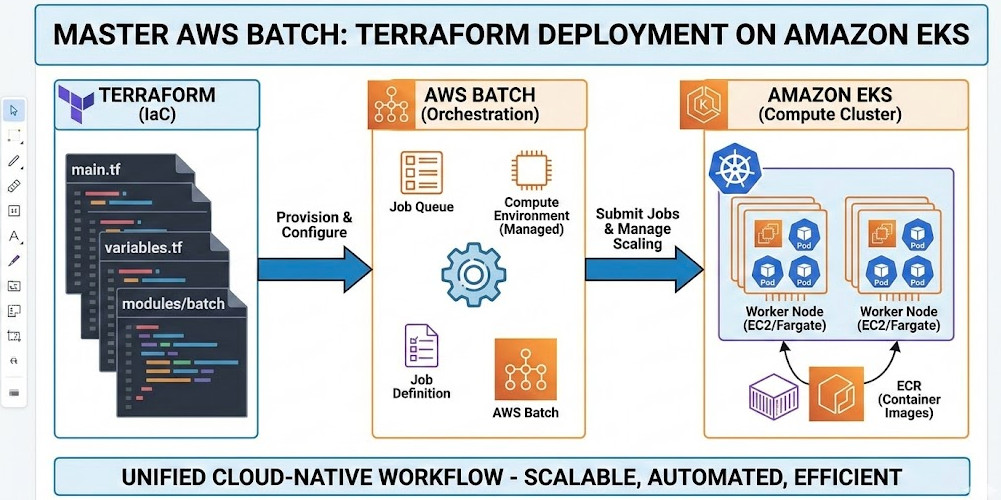
Mastering Docker Swarm: A Beginner’s Guide to Container Orchestration

Containerization has revolutionized software development and deployment, and Docker has emerged as the leading platform for managing containers. However, managing numerous containers across multiple hosts can quickly become complex. This is where Docker Swarm, a native clustering solution for Docker, comes in. This in-depth guide will serve as your comprehensive resource for understanding and utilizing Docker Swarm, specifically tailored for the Docker Swarm beginner. We’ll cover everything from basic concepts to advanced techniques, empowering you to efficiently orchestrate your containerized applications.

Understanding Docker Swarm: A Swarm of Containers

Docker Swarm is a clustering and orchestration tool built directly into Docker Engine. Unlike other orchestration platforms like Kubernetes, it’s designed for simplicity and ease of use, making it an excellent choice for beginners. It allows you to turn a group of Docker hosts into a single, virtual Docker host, managing and scheduling containers across the cluster transparently. This significantly simplifies the process of scaling your applications and ensuring high availability.

Key Components of Docker Swarm

  • Manager Nodes: These nodes manage the cluster, scheduling tasks, and maintaining the overall state of the Swarm.
  • Worker Nodes: These nodes run the containers scheduled by the manager nodes.
  • Swarm Mode: This is the clustering mode enabled on Docker Engine to create and manage a Docker Swarm cluster.

Getting Started: Setting up Your First Docker Swarm Cluster

Before diving into complex configurations, let’s build a basic Docker Swarm cluster. This section will guide you through the process, step by step. We’ll assume you have Docker Engine installed on at least two machines (one manager and one worker, at minimum). You can even run both on a single machine for testing purposes, although this isn’t recommended for production environments.

Step 1: Initialize a Swarm on the Manager Node

On your designated manager node, execute the following command:

docker swarm init --advertise-addr 

Replace with the IP address of your manager node. The output will provide join commands for your worker nodes.

Step 2: Join Worker Nodes to the Swarm

On each worker node, execute the join command provided by the manager node in step 1. This command will typically look something like this:

docker swarm join --token  :

Replace with the token provided by the manager node, with the manager’s IP address, and with the manager’s port (usually 2377).

Step 3: Verify the Swarm Cluster

On the manager node, run docker node ls to verify that all nodes are correctly joined and functioning.

Deploying Your First Application with Docker Swarm: A Practical Example

Now that your Swarm is operational, let’s deploy a simple application. We’ll use a Nginx web server as an example. This will demonstrate the fundamental workflow of creating and deploying services in Docker Swarm for a Docker Swarm beginner.

Creating a Docker Compose File

First, create a file named docker-compose.yml with the following content:


version: "3.8"
services:
web:
image: nginx:latest
ports:
- "80:80"
deploy:
mode: replicated
replicas: 3

This file defines a service named “web” using the latest Nginx image. The deploy section specifies that three replicas of the service should be deployed across the Swarm. The ports section maps port 80 on the host machine to port 80 on the containers.

Deploying the Application

Navigate to the directory containing your docker-compose.yml file and execute the following command:

docker stack deploy -c docker-compose.yml my-web-app

This command deploys the stack named “my-web-app” based on the configuration in your docker-compose.yml file.

Scaling Your Application

To scale your application, simply run:

docker service scale my-web-app_web=5

This will increase the number of replicas to 5, distributing the load across your worker nodes.

Advanced Docker Swarm Concepts for the Ambitious Beginner

While the basics are crucial, understanding some advanced concepts will allow you to leverage the full potential of Docker Swarm. Let’s explore some of these.

Networks in Docker Swarm

Docker Swarm provides built-in networking capabilities, allowing services to communicate seamlessly within the Swarm. You can create overlay networks that span multiple nodes, simplifying inter-service communication.

Secrets Management

Securely managing sensitive information like passwords and API keys is vital. Docker Swarm offers features for securely storing and injecting secrets into your containers, enhancing the security of your applications. You can use the docker secret command to manage these.

Rolling Updates

Updating your application without downtime is crucial for a production environment. Docker Swarm supports rolling updates, allowing you to gradually update your services with minimal disruption. This process is managed through service updates and can be configured to control the update speed.

Docker Swarm vs. Kubernetes: Choosing the Right Tool

While both Docker Swarm and Kubernetes are container orchestration tools, they cater to different needs. Docker Swarm offers simplicity and ease of use, making it ideal for smaller projects and teams. Kubernetes, on the other hand, is more complex but provides greater scalability and advanced features. The best choice depends on your project’s scale, complexity, and your team’s expertise.

  • Docker Swarm: Easier to learn and use, simpler setup and management, suitable for smaller-scale deployments.
  • Kubernetes: More complex to learn and manage, highly scalable, offers advanced features like self-healing and sophisticated resource management, ideal for large-scale, complex deployments.

Frequently Asked Questions

Q1: Can I run Docker Swarm on a single machine?

Yes, you can run a Docker Swarm cluster on a single machine for testing and development purposes. However, this does not represent a production-ready setup. For production, you should utilize multiple machines to take advantage of Swarm’s inherent scalability and fault tolerance.

Q2: What are the benefits of using Docker Swarm over managing containers manually?

Docker Swarm provides numerous advantages, including automated deployment, scaling, and rolling updates, improved resource utilization, and enhanced high availability. Manually managing a large number of containers across multiple hosts is significantly more complex and error-prone. For a Docker Swarm beginner, this automation is key to simplified operations.

Q3: How do I monitor my Docker Swarm cluster?

Docker Swarm provides basic monitoring capabilities through the docker node ls and docker service ls commands. For more comprehensive monitoring, you can integrate Docker Swarm with tools like Prometheus and Grafana, providing detailed metrics and visualizations of your cluster’s health and performance.

Q4: Is Docker Swarm suitable for production environments?

While Docker Swarm is capable of handling production workloads, its features are less extensive than Kubernetes. For complex, highly scalable production environments, Kubernetes might be a more suitable choice. However, for many smaller- to medium-sized production applications, Docker Swarm provides a robust and efficient solution.

Conclusion

This guide has provided a thorough introduction to Docker Swarm, equipping you with the knowledge to effectively manage and orchestrate your containerized applications. From setting up your first cluster to deploying and scaling applications, you now possess the foundation for utilizing this powerful tool. Remember, starting with a small, manageable cluster and gradually expanding your knowledge and skills is the key to mastering Docker Swarm. As a Docker Swarm beginner, don’t be afraid to experiment and explore the various features and configurations available. Understanding the core principles will allow you to build and maintain robust and scalable applications within your Docker Swarm environment. For more advanced topics and deeper dives into specific areas, consult the official Docker documentation.https://docs.docker.com/engine/swarm/ and other reliable sources like the Docker website. Thank you for reading the DevopsRoles page!

Mastering 10 Essential Docker Commands for Data Engineering

Data engineering, with its complex dependencies and diverse environments, often necessitates robust containerization solutions. Docker, a leading containerization platform, simplifies the deployment and management of data engineering pipelines. This comprehensive guide explores 10 essential Docker Commands Data Engineering professionals need to master for efficient workflow management. We’ll move beyond the basics, delving into practical applications and addressing common challenges faced when using Docker in data engineering projects. Understanding these commands will significantly streamline your development process, improve collaboration, and ensure consistency across different environments.

Understanding Docker Fundamentals for Data Engineering

Before diving into the specific commands, let’s briefly recap essential Docker concepts relevant to data engineering. Docker uses images (read-only templates) and containers (running instances of an image). Data engineering tasks often involve various tools and libraries (Spark, Hadoop, Kafka, etc.), each requiring specific configurations. Docker allows you to package these tools and their dependencies into images, ensuring consistent execution across different machines, regardless of their underlying operating systems. This eliminates the “it works on my machine” problem and fosters reproducible environments for data pipelines.

Key Docker Components in a Data Engineering Context

  • Docker Images: Pre-built packages containing the application, libraries, and dependencies. Think of them as blueprints for your containers.
  • Docker Containers: Running instances of Docker images. These are isolated environments where your data engineering applications execute.
  • Docker Hub: A public registry where you can find and share pre-built Docker images. A crucial resource for accessing ready-made images for common data engineering tools.
  • Docker Compose: A tool for defining and running multi-container applications. Essential for complex data pipelines that involve multiple interacting services.

10 Essential Docker Commands Data Engineering Professionals Should Know

Now, let’s explore 10 essential Docker Commands Data Engineering tasks frequently require. We’ll provide practical examples to illustrate each command’s usage.

1. `docker run`: Creating and Running Containers

This command is fundamental. It creates a new container from an image and runs it.

docker run -it  bash

This command runs a bash shell inside a container created from the specified image. The -it flags allocate a pseudo-TTY and keep stdin open, allowing interactive use.

2. `docker ps`: Listing Running Containers

Useful for checking the status of your running containers.

docker ps

This lists all currently running containers. Adding the -a flag (docker ps -a) shows all containers, including stopped ones.

3. `docker stop`: Stopping Containers

Gracefully stops a running container.

docker stop 

Replace with the container’s ID or name. It’s crucial to stop containers properly to avoid data loss and resource leaks.

4. `docker rm`: Removing Containers

Removes stopped containers.

docker rm 

Remember, you can only remove stopped containers. Use docker stop first if the container is running.

5. `docker images`: Listing Images

Displays the list of images on your system.

docker images

Useful for managing disk space and identifying unused images.

6. `docker rmi`: Removing Images

Removes images from your system.

docker rmi 

Be cautious when removing images, as they can be large and take up considerable disk space. Always confirm before deleting.

7. `docker build`: Building Custom Images

This is where you build your own customized images based on a Dockerfile. This is crucial for creating reproducible environments for your data engineering applications. A Dockerfile specifies the steps needed to build the image.

docker build -t  .

This command builds an image from a Dockerfile located in the current directory. The -t flag tags the image with a specified name.

8. `docker exec`: Executing Commands in Running Containers

Allows running commands within a running container.

docker exec -it  bash

This command opens a bash shell inside a running container. This is extremely useful for troubleshooting or interacting with the running application.

9. `docker commit`: Creating New Images from Container Changes

Saves changes made to a running container as a new image.

docker commit  

Useful for creating customized images based on existing ones after making modifications within the container.

10. Essential Docker Commands Data Engineering: `docker inspect`: Inspecting Container Details

Provides detailed information about a container or image.

docker inspect 

This command is invaluable for debugging and understanding the container’s configuration and status. It reveals crucial information like ports, volumes, and network settings.

Frequently Asked Questions

Q1: What are Docker volumes, and why are they important for data engineering?

Docker volumes provide persistent storage for containers. Data stored in volumes persists even if the container is removed or stopped. This is critical for data engineering because it ensures that your data isn’t lost when containers are restarted or removed. You can use volumes to mount external directories or create named volumes specifically designed for data persistence within your Docker containers.

Q2: How can I manage large datasets with Docker in a data engineering context?

For large datasets, avoid storing data directly *inside* the Docker containers. Instead, leverage Docker volumes to mount external storage (like cloud storage services or network-attached storage) that your containers can access. This allows for efficient management and avoids performance bottlenecks caused by managing large datasets within containers. Consider using tools like NFS or shared cloud storage to effectively manage data access across multiple containers in a data pipeline.

Q3: How do I handle complex data pipelines with multiple containers using Docker?

Docker Compose is your solution for managing complex, multi-container data pipelines. Define your entire pipeline’s architecture in a docker-compose.yml file. This file describes all containers, their dependencies, and networking configurations. You then use a single docker-compose up command to start the entire pipeline, simplifying deployment and management.

Conclusion

Mastering these 10 essential Docker Commands Data Engineering projects depend on provides a significant advantage for data engineers. From building reproducible environments to managing complex pipelines, Docker simplifies the complexities inherent in data engineering. By understanding these commands and their applications, you can streamline your workflow, improve collaboration, and ensure consistent execution across different environments. Remember to leverage Docker volumes for persistent storage and explore Docker Compose for managing sophisticated multi-container applications. This focused understanding of Docker Commands Data Engineering empowers you to build efficient and scalable data pipelines.

For further learning, refer to the official Docker documentation and explore resources like Docker’s website for advanced topics and best practices. Additionally, Kubernetes can be explored for orchestrating Docker containers at scale. Thank you for reading the DevopsRoles page!
Docker Tutorial Examples: A Practical Guide to Containerization

Are you struggling to understand Docker and its practical applications? This comprehensive Docker Tutorial Examples guide will walk you through the basics and advanced concepts of Docker, providing practical examples to solidify your understanding. We’ll cover everything from creating simple containers to managing complex applications, ensuring you gain the skills needed to leverage the power of Docker in your development workflow. Whether you’re a DevOps engineer, developer, or system administrator, this Docker Tutorial Examples guide will equip you with the knowledge to effectively utilize Docker in your projects. This tutorial will help you overcome the common challenges associated with setting up and managing consistent development environments.

Understanding Docker Fundamentals

Before diving into practical Docker Tutorial Examples, let’s establish a foundational understanding of Docker’s core components. Docker uses containers, isolated environments that package an application and its dependencies. This ensures consistent execution regardless of the underlying infrastructure.

Key Docker Components

  • Docker Images: Read-only templates that serve as blueprints for creating containers.
  • Docker Containers: Running instances of Docker images.
  • Docker Hub: A public registry containing a vast library of pre-built Docker images.
  • Dockerfile: A text file containing instructions for building a Docker image.

Docker Tutorial Examples: Your First Container

Let’s create our first Docker container using a pre-built image from Docker Hub. We’ll use the official Nginx web server image. This Docker Tutorial Examples section focuses on the most basic application.

Steps to Run Your First Container

  1. Pull the Nginx image: Open your terminal and run docker pull nginx. This downloads the Nginx image from Docker Hub.
  2. Run the container: Execute docker run -d -p 8080:80 nginx. This creates and starts a container in detached mode (-d), mapping port 8080 on your host machine to port 80 on the container (-p 8080:80).
  3. Access the Nginx server: Open your web browser and navigate to http://localhost:8080. You should see the default Nginx welcome page.
  4. Stop and remove the container: To stop the container, run docker stop (replace with the actual ID). To remove it, use docker rm .

Docker Tutorial Examples: Building a Custom Image

Now, let’s create a more complex example with a Docker Tutorial Examples focusing on building a custom Docker image from a Dockerfile. This will showcase the power of Docker for consistent application deployments.

Creating a Simple Python Web Application

We’ll build a basic Python web application using Flask and package it into a Docker image.

Step 1: Project Structure

Create the following files:

  • app.py (Python Flask application)
  • Dockerfile (Docker image instructions)
  • requirements.txt (Python dependencies)

Step 2: app.py

from flask import Flask
app = Flask(__name__)

@app.route("/")
def hello():
    return "Hello from Docker!"

if __name__ == "__main__":
    app.run(debug=True, host='0.0.0.0', port=5000)

Step 3: requirements.txt

Flask

Step 4: Dockerfile

FROM python:3.9-slim-buster

WORKDIR /app

COPY requirements.txt requirements.txt
RUN pip install --no-cache-dir -r requirements.txt

COPY . .

EXPOSE 5000

CMD ["python", "app.py"]

Step 5: Build and Run

  1. Navigate to the project directory in your terminal.
  2. Build the image: docker build -t my-python-app .
  3. Run the container: docker run -d -p 8000:5000 my-python-app
  4. Access the application: http://localhost:8000

Docker Tutorial Examples: Orchestration with Docker Compose

For more complex applications involving multiple services, Docker Compose simplifies the management of multiple containers. This section will illustrate a practical example using Docker Compose.

Let’s imagine a web application with a database and a web server. We’ll use Docker Compose to manage both.

Docker Compose Configuration (docker-compose.yml)


version: "3.9"
services:
  web:
    image: nginx:latest
    ports:
      - "80:80"
    depends_on:
      - db
  db:
    image: postgres:13
    ports:
      - "5432:5432"
    environment:
      - POSTGRES_USER=myuser
      - POSTGRES_PASSWORD=mypassword
      - POSTGRES_DB=mydb

Running with Docker Compose

  1. Save the above configuration as docker-compose.yml.
  2. Run docker-compose up -d to start the containers in detached mode.
  3. Access the Nginx server at http://localhost.
  4. Stop and remove the containers with docker-compose down.

Docker Tutorial Examples: Docker Volumes

Data persistence is crucial. Docker volumes provide a mechanism to separate data from the container’s lifecycle, allowing data to persist even if the container is removed. This is a very important section in our Docker Tutorial Examples guide.

Creating and Using a Docker Volume

  1. Create a volume: docker volume create my-data-volume
  2. Run a container with the volume: docker run -d -v my-data-volume:/var/www/html nginx
  3. The data in /var/www/html will persist even after the container is removed.

Docker Tutorial Examples: Networking with Docker

Docker’s networking capabilities allow containers to communicate with each other. Let’s explore some key networking aspects in this part of our Docker Tutorial Examples.

Understanding Docker Networks

  • Default Network: Containers on the default network can communicate using their container names.
  • Custom Networks: Create custom networks for more organized communication between containers.

Frequently Asked Questions

What are the benefits of using Docker?

Docker offers several benefits, including improved consistency across development, testing, and production environments, simplified application deployment, resource efficiency through containerization, and enhanced scalability and maintainability.

How does Docker differ from virtual machines?

Docker containers share the host operating system’s kernel, resulting in significantly lower overhead compared to virtual machines which have their own full operating system instances. This makes Docker containers much more lightweight and faster.

Is Docker suitable for all applications?

While Docker is highly versatile, it might not be ideal for all applications. Applications with significant system-level dependencies or those requiring direct access to the underlying hardware might be better suited to virtual machines.

How do I troubleshoot Docker issues?

Docker provides extensive logging capabilities. Checking the logs using commands like docker logs is crucial for debugging. Additionally, Docker’s documentation and community forums are invaluable resources for resolving issues.

What are some best practices for using Docker?

Employing a well-structured Dockerfile, utilizing multi-stage builds to reduce image sizes, implementing robust container networking, and effectively managing data persistence with Docker volumes are key best practices.

Conclusion

This in-depth Docker Tutorial Examples guide has provided a comprehensive overview of Docker, covering fundamental concepts and advanced techniques illustrated with practical examples. From creating simple containers to managing complex applications with Docker Compose, you’ve gained the foundational skills to effectively utilize Docker in your projects. Remember to leverage the wealth of resources available, including official documentation and online communities, to continue learning and mastering Docker. Thank you for reading the DevopsRoles page!

Revolutionizing Automation: Red Hat Launches Ansible Automation Platform on Google Cloud

The convergence of automation and cloud computing is reshaping IT operations, and Red Hat’s recent launch of the Ansible Automation Platform on Google Cloud signifies a major leap forward. This integration offers a powerful solution for streamlining IT workflows, enhancing efficiency, and accelerating digital transformation. For DevOps engineers, developers, and IT administrators, understanding how to leverage Ansible Automation Google Cloud is crucial for staying competitive. This comprehensive guide delves into the benefits, functionalities, and implementation details of this game-changing integration, empowering you to harness its full potential.

Understanding the Synergy: Ansible Automation and Google Cloud

Ansible, a leading automation engine, simplifies IT infrastructure management through its agentless architecture and intuitive YAML-based configuration language. Its ability to automate provisioning, configuration management, and application deployment across diverse environments makes it a favorite amongst IT professionals. Google Cloud Platform (GCP), on the other hand, provides a scalable and robust cloud infrastructure encompassing compute, storage, networking, and a vast array of managed services. The combination of Ansible Automation Platform on Google Cloud offers a compelling proposition: the power of Ansible’s automation capabilities seamlessly integrated with the scalability and flexibility of GCP.

Benefits of Using Ansible Automation Google Cloud

  • Simplified Infrastructure Management: Automate the provisioning, configuration, and management of resources across your entire GCP infrastructure with ease.
  • Increased Efficiency: Reduce manual effort and human error, leading to faster deployment cycles and improved operational efficiency.
  • Enhanced Scalability: Leverage GCP’s scalability to manage infrastructure changes efficiently, allowing for rapid scaling up or down based on demand.
  • Improved Security: Implement and enforce consistent security policies across your GCP environment, minimizing vulnerabilities and risks.
  • Cost Optimization: Optimize resource utilization and reduce cloud spending by automating resource provisioning and decommissioning.

Deploying Ansible Automation Platform on Google Cloud

Deploying Ansible Automation Platform on Google Cloud can be achieved through various methods, each offering different levels of control and management. Here’s a breakdown of common approaches:

Deploying on Google Kubernetes Engine (GKE)

Leveraging GKE provides a highly scalable and managed Kubernetes environment for deploying the Ansible Automation Platform. This approach offers excellent scalability and resilience. The official documentation provides detailed instructions on deploying the platform on GKE. You’ll need to create a GKE cluster, configure necessary networking settings, and deploy the Ansible Automation Platform using Helm charts.

Steps for GKE Deployment

  1. Create a GKE cluster with appropriate node configurations.
  2. Set up necessary network policies and access control.
  3. Deploy the Ansible Automation Platform using Helm charts, customizing values as needed.
  4. Configure authentication and authorization for Ansible.
  5. Verify the deployment by accessing the Ansible Automation Platform web UI.

Deploying on Google Compute Engine (GCE)

For more control, you can deploy the Ansible Automation Platform on virtual machines within GCE. This approach requires more manual configuration but offers greater customization flexibility. You’ll need to manually install and configure the necessary components on your GCE instances.

Steps for GCE Deployment

  1. Create GCE instances with appropriate specifications.
  2. Install the Ansible Automation Platform components on these instances.
  3. Configure necessary network settings and security rules.
  4. Configure the Ansible Automation Platform database and authentication mechanisms.
  5. Verify the deployment and functionality.

Automating Google Cloud Services with Ansible Automation Google Cloud

Once deployed, you can leverage the power of Ansible Automation Google Cloud to automate a vast array of GCP services. Here are some examples:

Automating Compute Engine Instance Creation

This simple Ansible playbook creates a new Compute Engine instance:


- hosts: localhost
tasks:
- name: Create Compute Engine instance
google_compute_instance:
name: my-new-instance
zone: us-central1-a
machine_type: n1-standard-1
boot_disk_type: pd-standard
network_interface:
- network: default

Automating Cloud SQL Instance Setup

This example shows how to create and configure a Cloud SQL instance:


- hosts: localhost
tasks:
- name: Create Cloud SQL instance
google_sql_instance:
name: my-sql-instance
region: us-central1
database_version: MYSQL_5_7
settings:
tier: db-n1-standard-1

Remember to replace placeholders like instance names, zones, and regions with your actual values. These are basic examples; Ansible’s capabilities extend to managing far more complex GCP resources and configurations.

Ansible Automation Google Cloud: Advanced Techniques

Beyond basic deployments and configurations, Ansible offers advanced features for sophisticated automation tasks within Google Cloud.

Using Ansible Roles for Reusability and Modularity

Ansible roles promote code reusability and maintainability. Organizing your Ansible playbooks into roles allows you to manage and reuse configurations effectively across different projects and environments. This is essential for maintaining consistent infrastructure configurations across your GCP deployment.

Implementing Inventory Management for Scalability

Efficiently managing your GCP instances and other resources through Ansible inventory files is crucial for scalable automation. Dynamic inventory scripts can automatically discover and update your inventory, ensuring your automation always reflects the current state of your infrastructure.

Integrating with Google Cloud’s APIs

Ansible can directly interact with Google Cloud’s APIs through dedicated modules. This provides fine-grained control and allows you to automate complex operations not covered by built-in modules. This allows you to interact with various services beyond the basics shown earlier.

Frequently Asked Questions

Q1: What are the prerequisites for deploying Ansible Automation Platform on Google Cloud?

A1: You will need a Google Cloud project with appropriate permissions, a working understanding of Ansible, and familiarity with either GKE or GCE, depending on your chosen deployment method. You’ll also need to install the necessary Google Cloud SDK and configure authentication.

Q2: How secure is using Ansible Automation Platform on Google Cloud?

A2: Security is a paramount concern. Ansible itself utilizes SSH for communication, and proper key management is essential. Google Cloud offers robust security features, including network policies, access control lists, and Identity and Access Management (IAM) roles, which must be configured effectively to protect your GCP environment and your Ansible deployments. Best practices for secure configuration and deployment are critical.

Q3: Can I use Ansible Automation Platform on Google Cloud for hybrid cloud environments?

A3: Yes. One of Ansible’s strengths lies in its ability to manage diverse environments. You can use it to automate tasks across on-premises infrastructure and your Google Cloud environment, simplifying management for hybrid cloud scenarios.

Q4: What are the costs associated with using Ansible Automation Platform on Google Cloud?

A4: Costs depend on your chosen deployment method (GKE or GCE), the size of your instances, the amount of storage used, and other resources consumed. It’s essential to carefully plan your deployment to optimize resource utilization and minimize costs. Google Cloud’s pricing calculator can help estimate potential expenses.

Conclusion

Red Hat’s Ansible Automation Platform on Google Cloud represents a significant advancement in infrastructure automation. By combining the power of Ansible’s automation capabilities with the scalability and flexibility of GCP, organizations can streamline IT operations, improve efficiency, and accelerate digital transformation. Mastering Ansible Automation Google Cloud is a key skill for IT professionals looking to enhance their capabilities in the ever-evolving landscape of cloud computing. Remember to prioritize security best practices throughout the deployment and configuration process. This comprehensive guide provided a starting point; remember to refer to the official Red Hat and Google Cloud documentation for the most up-to-date information and detailed instructions. Ansible Automation Platform Documentation Google Cloud Documentation Red Hat Ansible. Thank you for reading the DevopsRoles page!
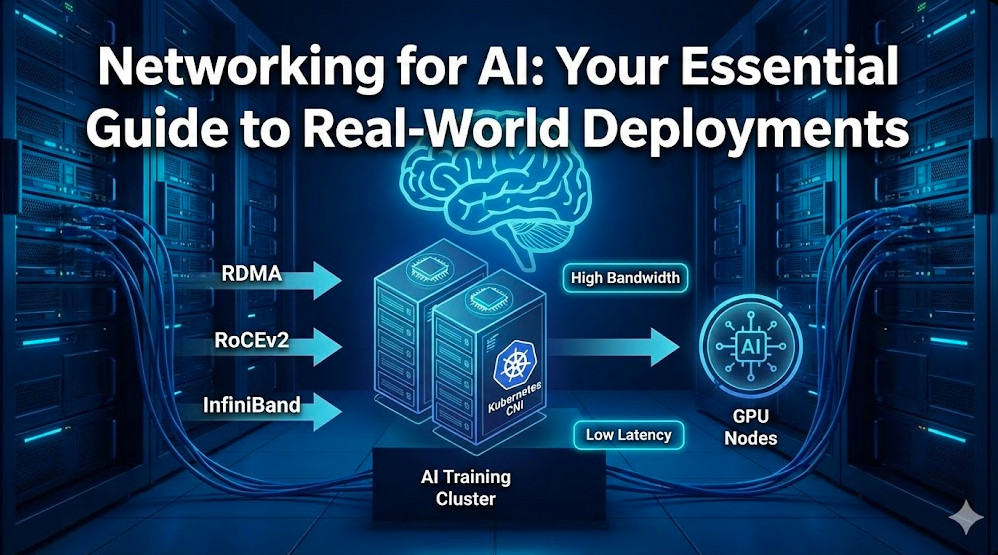
Unlocking Project Wisdom with Red Hat Ansible: An Introduction

Automating infrastructure management is no longer a luxury; it’s a necessity. In today’s fast-paced IT landscape, efficiency and consistency are paramount. This is where Red Hat Ansible shines, offering a powerful and agentless automation solution. However, effectively leveraging Ansible’s capabilities requires a strategic approach. This guide delves into the core principles of Project Wisdom Ansible, empowering you to build robust, scalable, and maintainable automation workflows. We’ll explore best practices, common pitfalls to avoid, and advanced techniques to help you maximize the potential of Ansible in your projects.

Understanding the Foundations of Project Wisdom Ansible

Before diving into advanced techniques, it’s crucial to establish a solid foundation. Project Wisdom Ansible isn’t just about writing playbooks; it’s about architecting your automation strategy. This includes:

1. Defining Clear Objectives and Scope

Before writing a single line of Ansible code, clearly define your project goals. What problems are you trying to solve? What systems need to be automated? A well-defined scope prevents scope creep and ensures your automation efforts remain focused and manageable. For example, instead of aiming to “automate everything,” focus on a specific task like deploying a web application or configuring a database cluster.

2. Inventory Management: The Heart of Ansible

Ansible’s inventory file is the central hub for managing your target systems. A well-structured inventory makes managing your infrastructure far easier. Consider using dynamic inventory scripts for larger, more complex environments. This allows your inventory to update automatically based on data from configuration management databases or cloud provider APIs.

  • Static Inventory: Simple, text-based inventory file (hosts file).
  • Dynamic Inventory: Scripts that generate inventory data on the fly.

3. Role-Based Architecture for Reusability and Maintainability

Ansible roles are fundamental to Project Wisdom Ansible. They promote modularity, reusability, and maintainability. Each role should focus on a single, well-defined task, such as installing a specific application or configuring a particular service. This modular approach simplifies complex automation tasks, making them easier to understand, test, and update.

Example directory structure for an Ansible role:

  • roles/webserver/
  • tasks/main.yml
  • vars/main.yml
  • handlers/main.yml
  • templates/
  • files/

Implementing Project Wisdom Ansible: Best Practices

Following best practices is essential for creating robust and maintainable Ansible playbooks. These practices will significantly improve your automation workflows.

1. Idempotency: The Key to Reliable Automation

Idempotency means that running a playbook multiple times should produce the same result. This is critical for ensuring that your automation is reliable and doesn’t accidentally make unwanted changes. Ansible is designed to be idempotent, but you need to write your playbooks carefully to ensure this property is maintained.

2. Version Control: Track Changes and Collaborate Effectively

Use a version control system (like Git) to manage your Ansible playbooks and roles. This allows you to track changes, collaborate with other team members, and easily revert to previous versions if necessary. This is a cornerstone of Project Wisdom Ansible.

3. Thorough Testing: Prevent Errors Before Deployment

Testing is crucial. Ansible offers various testing mechanisms, including:

  • --check mode: Dry-run to see the changes Ansible *would* make without actually executing them.
  • Unit Tests: Test individual modules or tasks in isolation (using tools like pytest).
  • Integration Tests: Test the complete automation workflow against a test environment.

4. Documentation: For Maintainability and Collaboration

Well-documented Ansible playbooks and roles are easier to understand and maintain. Clearly explain the purpose of each task, the variables used, and any dependencies. Use comments generously in your code.

Project Wisdom Ansible: Advanced Techniques

As your automation needs grow, you can leverage Ansible’s advanced features to enhance your workflows.

1. Utilizing Ansible Galaxy for Reusable Roles

Ansible Galaxy is a repository of Ansible roles created by the community. Leveraging pre-built, well-tested roles from Galaxy can significantly accelerate your automation projects. Remember to always review the code and ensure it meets your security and quality standards before integrating it into your projects.

2. Implementing Ansible Tower for Centralized Management

Ansible Tower (now Red Hat Ansible Automation Platform) provides a centralized interface for managing Ansible playbooks, users, and inventories. This makes managing your automation workflows in large, complex environments much simpler. Tower offers features like role-based access control, scheduling, and detailed reporting.

3. Integrating with CI/CD Pipelines

Integrate Ansible into your Continuous Integration/Continuous Deployment (CI/CD) pipelines for automated infrastructure provisioning and application deployments. This ensures consistency and reduces manual intervention.

Frequently Asked Questions

Q1: What are the main benefits of using Ansible?

Ansible offers several benefits, including agentless architecture (simplifying management), idempotency (reliable automation), and a simple YAML-based language (easy to learn and use). Its strong community support and extensive module library further enhance its usability.

Q2: How do I handle errors and exceptions in my Ansible playbooks?

Ansible provides mechanisms for handling errors gracefully. Use handlers to address specific issues, and utilize error handling blocks (e.g., rescue, always) within tasks to manage exceptions and prevent failures from cascading. Proper logging is crucial for debugging and monitoring.

Q3: What are some common pitfalls to avoid when using Ansible?

Common pitfalls include neglecting proper inventory management, not using roles effectively, insufficient testing, and inadequate documentation. Avoid overly complex playbooks and prioritize modularity and reusability to ensure maintainability. Always thoroughly test your playbooks in a staging environment before deploying to production.

Q4: How can I improve the performance of my Ansible playbooks?

Optimize performance by using Ansible features like become and become_method judiciously. Avoid unnecessary tasks and utilize efficient modules. Consider optimizing network connectivity between the Ansible control node and managed hosts. Properly configure the Ansible settings to leverage multiple connections and speed up the execution.

Conclusion

Mastering Project Wisdom Ansible is crucial for building efficient and scalable automation workflows. By following best practices, utilizing advanced techniques, and consistently improving your approach, you can unlock the true potential of Ansible. Remember that Project Wisdom Ansible is an iterative process. Start with a well-defined scope, prioritize clear documentation, and continuously refine your approach based on experience and feedback. This ongoing refinement will ensure your automation strategy remains robust and adaptive to the ever-evolving demands of your IT infrastructure. Investing time in building a strong foundation will pay dividends in the long run, leading to increased efficiency, reduced errors, and improved operational reliability.

For further reading, refer to the official Red Hat Ansible documentation: https://docs.ansible.com/ and the Ansible Galaxy website: https://galaxy.ansible.com/.  Thank you for reading the DevopsRoles page!

Effortless AWS Systems Manager and Ansible Integration

Managing infrastructure across diverse environments can be a daunting task, often involving complex configurations and repetitive manual processes. This complexity increases exponentially as your infrastructure scales. This is where AWS Systems Manager Ansible comes into play, offering a powerful solution for automating infrastructure management and configuration tasks across your AWS ecosystem and beyond. This comprehensive guide will explore the seamless integration of Ansible with AWS Systems Manager, detailing its benefits, implementation strategies, and best practices. We will delve into how this powerful combination simplifies your workflows and improves operational efficiency, leading to effortless management of your entire infrastructure.

Understanding the Power of AWS Systems Manager and Ansible

AWS Systems Manager (SSM) is a comprehensive automation and management service that allows you to automate operational tasks, manage configurations, and monitor your AWS resources. On the other hand, Ansible is a popular open-source automation tool known for its agentless architecture and simple, human-readable YAML configuration files. Combining these two powerful tools creates a synergistic effect, drastically improving the ease and efficiency of IT operations.

Why Integrate AWS Systems Manager with Ansible?

  • Centralized Management: Manage both your AWS-native and on-premises infrastructure from a single pane of glass using SSM as a central control point.
  • Simplified Automation: Leverage Ansible’s straightforward syntax to create reusable and easily maintainable automation playbooks for various tasks.
  • Agentless Architecture: Ansible’s agentless approach simplifies deployment and maintenance, reducing operational overhead.
  • Improved Security: Securely manage your credentials and access keys using SSM Parameter Store, enhancing your overall security posture.
  • Scalability and Reliability: Scale your automation efforts easily as your infrastructure grows, benefiting from the robustness and scalability of both SSM and Ansible.

Setting Up AWS Systems Manager Ansible

Before diving into practical examples, let’s outline the prerequisites and steps to set up AWS Systems Manager Ansible. This involves configuring SSM, installing Ansible, and establishing the necessary connections.

Prerequisites

  • An active AWS account.
  • An AWS Identity and Access Management (IAM) user with appropriate permissions to access SSM and other relevant AWS services.
  • Ansible installed on a management machine (this can be an EC2 instance or your local machine).

Step-by-Step Setup

  1. Configure IAM Roles: Create an IAM role that grants the necessary permissions to Ansible to interact with your AWS resources. This role needs permissions to access SSM, EC2, and any other services your Ansible playbooks will interact with.
  2. Install the AWS Systems Manager Ansible module: Use pip to install the necessary AWS Ansible modules: pip install awscli boto3 ansible
  3. Configure AWS Credentials: Set up your AWS credentials either through environment variables (AWS_ACCESS_KEY_ID, AWS_SECRET_ACCESS_KEY, AWS_SESSION_TOKEN), an AWS credentials file (~/.aws/credentials), or through an IAM role assigned to the EC2 instance running Ansible.
  4. Test the Connection: Use the aws sts get-caller-identity command to verify that your AWS credentials are properly configured. This confirms your Ansible instance can authenticate with AWS.

Implementing AWS Systems Manager Ansible: Practical Examples

Now, let’s illustrate the practical application of AWS Systems Manager Ansible with a few real-world examples. We’ll start with a basic example and gradually increase the complexity.

Example 1: Managing EC2 Instances

This example demonstrates how to start and stop an EC2 instance using Ansible and SSM.


---
- hosts: all
become: true
tasks:
- name: Start EC2 Instance
aws_ec2:
state: started
instance_ids:
- i-xxxxxxxxxxxxxxxxx # Replace with your EC2 instance ID
- name: Wait for instance to be running
wait_for_connection:
delay: 10
timeout: 600

Example 2: Deploying Applications

Deploying and configuring applications across multiple EC2 instances using Ansible becomes significantly streamlined with AWS Systems Manager. You can leverage SSM Parameter Store to securely manage sensitive configuration data.


---
- hosts: all
become: true
tasks:
- name: Copy application files
copy:
src: /path/to/application
dest: /opt/myapp

- name: Set application configuration from SSM Parameter Store
ini_file:
path: /opt/myapp/config.ini
section: app
option: database_password
value: "{{ lookup('aws_ssm', 'path/to/database_password') }}"

Example 3: Patching EC2 Instances

Maintaining up-to-date software on your EC2 instances is critical for security. Ansible and SSM can automate the patching process, reducing the risk of vulnerabilities and maintaining compliance.


---
- hosts: all
become: true
tasks:
- name: Install updates
yum:
name: "*"
state: latest
when: ansible_pkg_mgr == 'yum'

Advanced Techniques with AWS Systems Manager Ansible

Beyond basic operations, AWS Systems Manager Ansible enables advanced capabilities, including inventory management, automation using AWS Lambda, and integration with other AWS services.

Leveraging SSM Inventory

SSM Inventory provides a central repository for managing your infrastructure’s configuration and status. You can use this inventory within your Ansible playbooks to target specific instances based on various criteria (e.g., tags, operating system).

Integrating with AWS Lambda

Automate tasks triggered by events (e.g., new EC2 instance launch) by integrating Ansible playbooks with AWS Lambda. This creates a reactive automation system that responds dynamically to changes in your infrastructure.

Frequently Asked Questions

Q1: What are the security considerations when using AWS Systems Manager Ansible?

Security is paramount. Always use IAM roles to control access and avoid hardcoding credentials in your playbooks. Leverage SSM Parameter Store for securely managing sensitive data like passwords and API keys. Regularly review and update IAM policies to maintain a secure configuration.

Q2: How do I handle errors and exceptions in my AWS Systems Manager Ansible playbooks?

Ansible provides robust error handling mechanisms. Use handlers to perform actions only if errors occur. Implement proper logging to track errors and debug issues. Consider using Ansible’s retry mechanisms to handle transient network errors.

Q3: Can I use AWS Systems Manager Ansible to manage on-premises infrastructure?

While primarily designed for AWS, Ansible’s flexibility allows managing on-premises resources alongside your AWS infrastructure. You would need to configure Ansible to connect to your on-premises servers using appropriate methods like SSH and manage credentials securely.

Q4: What are the costs associated with using AWS Systems Manager Ansible?

Costs depend on your usage of the underlying AWS services (SSM, EC2, etc.). Ansible itself is open-source and free to use. Refer to the AWS Pricing page for detailed cost information on each service you utilize.

Conclusion

Integrating Ansible with AWS Systems Manager provides a powerful and efficient method for automating and managing your entire infrastructure. By leveraging the strengths of both tools, you can significantly simplify complex tasks, improve operational efficiency, and reduce manual intervention. Mastering AWS Systems Manager Ansible will undoubtedly enhance your DevOps capabilities, enabling you to confidently manage even the most complex and scalable cloud environments. Remember to prioritize security best practices throughout your implementation to safeguard your sensitive data and infrastructure.

For further information, refer to the official Ansible documentation here and the AWS Systems Manager documentation here. Also, exploring community resources and tutorials on using Ansible with AWS will prove invaluable.  Thank you for reading the DevopsRoles page!
Devops Tutorial

Exit mobile version