Category Archives: Terraform

Learn Terraform with DevOpsRoles.com. Access detailed guides and tutorials to master infrastructure as code and automate your DevOps workflows using Terraform.

Terraform Your SAP Infrastructure on AWS: A Comprehensive Guide

Deploying and managing SAP landscapes on Amazon Web Services (AWS) can be complex. Traditional methods often involve manual configurations, increasing the risk of errors and slowing down deployment times. Enter Terraform, a powerful Infrastructure as Code (IaC) tool that automates the provisioning, configuration, and management of your infrastructure. This guide will walk you through leveraging Terraform to streamline your SAP infrastructure on AWS, leading to greater efficiency, scalability, and reliability.

Understanding the Benefits of Terraform for SAP on AWS

Utilizing Terraform to manage your SAP infrastructure on AWS offers several significant advantages:

Increased Efficiency and Automation

  • Automate the entire provisioning process, from setting up virtual machines to configuring networks and databases.
  • Reduce manual errors associated with manual configuration.
  • Accelerate deployment times, enabling faster time-to-market for new applications and services.

Improved Consistency and Repeatability

  • Ensure consistent infrastructure deployments across different environments (development, testing, production).
  • Easily replicate your infrastructure in different AWS regions or accounts.
  • Simplify the process of updating and modifying your infrastructure.

Enhanced Scalability and Flexibility

  • Easily scale your SAP infrastructure up or down based on your needs.
  • Adapt to changing business requirements quickly and efficiently.
  • Benefit from the scalability and flexibility of the AWS cloud platform.

Improved Collaboration and Version Control

  • Enable collaboration among team members through version control systems (like Git).
  • Track changes to your infrastructure over time.
  • Maintain a clear audit trail of all infrastructure modifications.

Setting up Your Terraform Environment for SAP on AWS

Before you begin, ensure you have the following prerequisites:

1. AWS Account and Credentials

You’ll need an active AWS account with appropriate permissions to create and manage resources.

2. Terraform Installation

Download and install Terraform from the official HashiCorp website: https://www.terraform.io/downloads.html

3. AWS Provider Configuration

Configure the AWS provider in your Terraform configuration file (typically `main.tf`) using your AWS access key ID and secret access key. Important: Store your credentials securely, ideally using AWS IAM roles or environment variables. Do not hardcode them directly into your configuration files.


terraform {
  required_providers {
    aws = {
      source  = "hashicorp/aws"
      version = "~> 4.0"
    }
  }
}

provider "aws" {
  region = "us-east-1" # Replace with your desired region
}

4. Understanding Terraform Modules for SAP

Leveraging pre-built Terraform modules can significantly simplify the deployment process. Several community-contributed and commercial modules are available for various SAP components. Always carefully review the source and security implications of any module before integrating it into your infrastructure.

Terraform Examples: Deploying SAP Components on AWS

Here are examples demonstrating how to deploy various SAP components using Terraform on AWS. These examples are simplified for clarity; real-world implementations require more detailed configuration.

Example 1: Deploying an EC2 Instance for SAP Application Server


resource "aws_instance" "sap_app_server" {
  ami                    = "ami-0c55b31ad2299a701" # Replace with appropriate AMI
  instance_type          = "t3.medium"
  key_name               = "your_key_pair_name"
  vpc_security_group_ids = [aws_security_group.sap_app_server.id]
  # ... other configurations ...
}

resource "aws_security_group" "sap_app_server" {
  name        = "sap_app_server_sg"
  description = "Security group for SAP application server"

  ingress {
    from_port   = 22
    to_port     = 22
    protocol    = "tcp"
    cidr_blocks = ["0.0.0.0/0"] #Restrict this in production!
  }
  # ... other rules ...
}

Example 2: Creating an Amazon RDS Instance for SAP HANA


resource "aws_db_instance" "sap_hana" {
  allocated_storage    = 200
  engine                = "sap-hana"
  engine_version        = "2.0"
  instance_class        = "db.m5.large"
  db_name               = "saphana"
  username              = "sapuser"
  password              = "strong_password" # Never hardcode passwords in production! Use secrets management
  skip_final_snapshot = true
  # ... other configurations ...
}

Example 3: Deploying a Network Infrastructure with VPC and Subnets


resource "aws_vpc" "main" {
  cidr_block = "10.0.0.0/16"
}

resource "aws_subnet" "public" {
  vpc_id            = aws_vpc.main.id
  cidr_block        = "10.0.1.0/24"
  availability_zone = "us-east-1a"
}
# ... more subnets and network configurations ...

Advanced Scenarios: High Availability and Disaster Recovery

Terraform excels in setting up complex, highly available SAP landscapes. This involves deploying multiple instances across different availability zones, implementing load balancing, and configuring disaster recovery mechanisms. These scenarios often require sophisticated configurations and might utilize external modules or custom scripts to automate more intricate tasks, including SAP specific configuration settings.

Frequently Asked Questions (FAQ)

Q1: What are the best practices for managing Terraform state files for SAP infrastructure?

Use a remote backend like AWS S3 or Terraform Cloud to manage your state files. This ensures that multiple team members can collaborate effectively and prevents data loss. Always encrypt your state files for security.

Q2: How can I handle sensitive information like database passwords within my Terraform code?

Avoid hardcoding sensitive data directly in your Terraform configurations. Utilize AWS Secrets Manager or other secrets management solutions to store and retrieve sensitive information during deployment. Refer to these secrets within your Terraform code using environment variables or dedicated data sources.

Q3: How do I integrate Terraform with existing SAP monitoring tools?

Use Terraform’s output values to integrate with your monitoring tools. For example, Terraform can output the IP addresses and instance IDs of your SAP components, which can then be fed into your monitoring system’s configuration.

Q4: Can I use Terraform to migrate an existing on-premise SAP system to AWS?

While Terraform isn’t directly involved in the data migration process, it can automate the infrastructure provisioning on AWS to receive the migrated data. Tools like AWS Database Migration Service (DMS) are commonly used for the actual data migration, and Terraform can manage the target infrastructure to receive this data efficiently.

Q5: What are some common challenges when using Terraform for SAP on AWS?

Some common challenges include managing complex dependencies between SAP components, handling large-scale deployments, ensuring proper security configurations, and understanding the nuances of SAP-specific parameters and configurations within your Terraform code. Careful planning and testing are crucial to mitigate these challenges.

Conclusion

Terraform significantly simplifies and streamlines the deployment and management of SAP infrastructure on AWS. By automating the provisioning, configuration, and management of your SAP landscape, you can significantly improve efficiency, consistency, and scalability. While there’s a learning curve involved, the long-term benefits of using Terraform for your SAP systems on AWS far outweigh the initial investment. Remember to embrace best practices for state management, security, and error handling to maximize the value of this powerful IaC tool. By following the guidance and examples in this guide, you can confidently begin your journey towards automating and optimizing your SAP infrastructure on AWS using Terraform.Thank you for reading the DevopsRoles page!

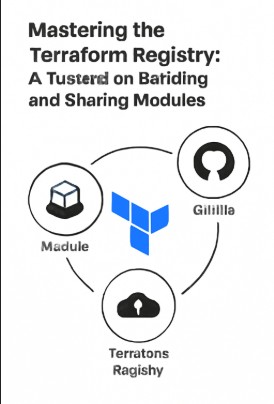
Mastering the Terraform Registry: A Tutorial on Building and Sharing Modules

Introduction: Unlock the Power of Reusable Infrastructure with the Terraform Registry

In the dynamic world of infrastructure-as-code (IaC), efficiency and consistency are paramount. Terraform, a widely adopted IaC tool, allows you to define and manage your infrastructure in a declarative manner. However, writing the same infrastructure code repeatedly across projects can be tedious and error-prone. This is where the Terraform Registry shines. It’s a central repository for sharing and reusing pre-built Terraform modules, enabling developers to accelerate their workflows and maintain a consistent infrastructure landscape. This A Terraform Registry tutorial to build and share modules will guide you through the entire process, from creating your first module to publishing it for the community to use.

Understanding Terraform Modules

Before diving into the Registry, it’s crucial to understand Terraform modules. Modules are reusable packages of Terraform configuration. They encapsulate a specific set of resources and allow you to parameterize their behavior, making them adaptable to different environments. Think of them as functions for your infrastructure.

Benefits of Using Terraform Modules

* **Reusability:** Avoid writing repetitive code.
* **Maintainability:** Easier to update and maintain a single module than multiple instances of similar code.
* **Consistency:** Ensure consistency across different environments.
* **Collaboration:** Share modules with your team or the wider community.
* **Abstraction:** Hide implementation details and expose only necessary parameters.

Building Your First Terraform Module

Let’s start by creating a simple module for deploying a virtual machine on AWS. This A Terraform Registry tutorial to build and share modules example will use AWS EC2 instances.

Step 1: Project Structure

Create a directory for your module, for example, `aws-ec2-instance`. Inside this directory, create the following files:

* `main.tf`: This file contains the core Terraform configuration.
* `variables.tf`: This file defines the input variables for your module.
* `outputs.tf`: This file defines the output values that your module will return.

Step 2: `variables.tf`

variable "instance_type" {
  type        = string
  default     = "t2.micro"
  description = "EC2 instance type"
}

variable "ami_id" {
  type        = string
  description = "AMI ID for the instance"
}

variable "key_name" {
  type        = string
  description = "Name of the SSH key pair"
}

Step 3: `main.tf`

resource "aws_instance" "ec2" {
  ami           = var.ami_id
  instance_type = var.instance_type
  key_name      = var.key_name
}

Step 4: `outputs.tf`

output "instance_public_ip" {
  value       = aws_instance.ec2.public_ip
  description = "Public IP address of the EC2 instance"
}

Step 5: Testing Your Module

Before publishing, test your module locally. Create a test directory and use the module within a sample `main.tf` file. Make sure to provide the necessary AWS credentials.

Publishing Your Module to the Terraform Registry

Publishing your module involves creating a repository on a platform supported by the Terraform Registry, such as GitHub.

Step 1: Create a GitHub Repository

Create a new public GitHub repository for your module. This is crucial for the Terraform Registry to access your code.

Step 2: Configure the Registry

You’ll need a Terraform Cloud account (or you can link a GitHub account via Terraform Cloud) to manage and publish your module. Follow the instructions on the official Terraform documentation to connect your provider with your repository.
[Link to Terraform Cloud Documentation](https://www.terraform.io/cloud-docs/cli/workspaces/create)

Step 3: Set up a Provider in your Module

Within your Terraform module repository, you should have a `provider.tf` file. This file defines the provider for your resources. It is not strictly necessary to include a provider in a module (your main `Terraform` file could specify it), but it is common practice.

Step 4: Submit Your Module

Through Terraform Cloud you submit your module for review. You’ll be prompted to provide metadata and other relevant information. Once validated and approved, your module will be available on the Terraform Registry.

Using Published Modules

Once your module is published, others can easily integrate it into their projects. Here’s how to use a module from the Terraform Registry:

module "aws-ec2-instance" {
  source        = "your-github-username/aws-ec2-instance"  # Replace with your GitHub username and repository name
  instance_type = "t2.micro"
  ami_id        = "ami-0c55b31ad2299a701"                   # Replace with a valid AMI ID
  key_name      = "your-key-pair-name"                      # Replace with your key pair name
}

Advanced Module Techniques

Let’s explore some advanced techniques to make your modules more robust and reusable.

Using Conditional Logic

Use `count` or `for_each` to create multiple instances of resources based on variables or conditions.

Creating Nested Modules

Organize complex infrastructure deployments by nesting modules within each other for improved modularity and structure.

Using Data Sources

Integrate data sources within your modules to dynamically fetch values from external services or cloud providers.

Versioning Your Modules

Proper versioning is essential for maintainability and compatibility. Use semantic versioning (semver) to manage releases and updates.

Frequently Asked Questions (FAQ)

**Q: What are the benefits of using the Terraform Registry over storing my modules privately?**

A: The Terraform Registry offers discoverability, allowing others to benefit from your work and potentially collaborate. It also simplifies module updates and management. Private modules work well for internal organization-specific needs.

**Q: How do I update my published module?**

A: Push updates to your source code repository (GitHub). The Terraform Registry will automatically process and release new versions.

**Q: Can I publish private modules?**

A: No, the Terraform Registry is publicly accessible. For private modules, consider using a private git repository and referencing it directly in your Terraform configurations.

**Q: What happens if I delete my module from the registry?**

A: Deleting the module removes it from the Registry, making it inaccessible to others.

**Q: How do I handle dependencies between modules?**

A: Terraform’s module system handles dependencies automatically, enabling effortless integration between various modules.

Conclusion: Elevate Your Infrastructure-as-Code with the Terraform Registry

This A Terraform Registry tutorial to build and share modules demonstrates how to create, publish, and use Terraform modules effectively. By embracing the power of the Terraform Registry, you can significantly improve your workflow, enhance code reusability, and foster collaboration within your team and the wider Terraform community. Remember to follow best practices like proper versioning and thorough testing to maintain high-quality, reliable infrastructure deployments. Using modules effectively and sharing them through the registry is a fundamental step towards achieving efficient and scalable infrastructure management.Thank you for reading the DevopsRoles page!

Build ROSA Clusters with Terraform: A Comprehensive Guide

For DevOps engineers, cloud architects, and anyone managing containerized applications, the ability to automate infrastructure provisioning is paramount. Red Hat OpenShift (ROSA), a leading Kubernetes platform, combined with Terraform, a powerful Infrastructure as Code (IaC) tool, offers a streamlined and repeatable method for building and managing clusters. This guide delves into the process of Build ROSA clusters with Terraform, providing a comprehensive walkthrough for both beginners and experienced users. We’ll explore various use cases, best practices, and troubleshooting techniques to ensure you can effectively leverage this powerful combination.

Understanding the Power of ROSA and Terraform

Red Hat OpenShift (ROSA) provides a robust and secure platform for deploying and managing containerized applications. Its enterprise-grade features, including built-in security, high availability, and robust management tools, make it a preferred choice for mission-critical applications. However, manually setting up and managing ROSA clusters can be time-consuming and error-prone.

Terraform, an open-source IaC tool, allows you to define and manage your infrastructure in a declarative manner. Using code, you describe the desired state of your ROSA cluster, and Terraform ensures it’s provisioned and maintained according to your specifications. This eliminates manual configuration, promotes consistency, and facilitates version control, making it ideal for managing complex infrastructure like ROSA clusters.

Setting up Your Environment for Build ROSA Clusters with Terraform

Prerequisites

  • A cloud provider account: AWS, Azure, or GCP are commonly used. This guide will use AWS as an example.
  • Terraform installed: Download and install Terraform from the official website: https://www.terraform.io/downloads.html
  • AWS credentials configured: Ensure your AWS credentials are configured correctly using AWS CLI or environment variables.
  • ROSA account and credentials: You’ll need a Red Hat account with access to ROSA.
  • A text editor or IDE: To write your Terraform configuration files.

Creating Your Terraform Configuration

The core of building your ROSA cluster with Terraform lies in your configuration files (typically named main.tf). These files define the resources you want to create, including the virtual machines, networks, and the OpenShift cluster itself. A basic structure might look like this (note: this is a simplified example and requires further customization based on your specific needs):


# main.tf
terraform {
  required_providers {
    aws = {
      source  = "hashicorp/aws"
      version = "~> 4.0"
    }
  }
}

provider "aws" {
  region = "us-east-1" # Replace with your desired region
}

resource "aws_instance" "master" {
  # ... (Master node configurations) ...
}

resource "aws_instance" "worker" {
  # ... (Worker node configurations) ...
}

# ... (Further configurations for networking, security groups, etc.) ...

resource "random_id" "cluster_id" {
  byte_length = 8
}

resource "null_resource" "rosa_install" {
  provisioner "local-exec" {
    command = "rosa create cluster ${random_id.cluster_id.hex} --pull-secret-path  --aws-region us-east-1"  #Replace placeholders with appropriate values.
  }
  depends_on = [aws_instance.master, aws_instance.worker]
}

Important Note: Replace placeholders like `` with your actual values. The rosa create cluster command requires specific parameters, including your pull secret (obtained from your Red Hat account). This example uses a `null_resource` and a `local-exec` provisioner for simplicity. For production, consider more robust methods such as using the `rosacli` executable directly within Terraform.

Advanced Scenarios and Customization

Multi-AZ Deployments for High Availability

For enhanced high availability, you can configure your Terraform code to deploy ROSA across multiple Availability Zones (AZs). This ensures redundancy and minimizes downtime in case of AZ failures. This would involve creating multiple instances in different AZs and configuring appropriate networking to enable inter-AZ communication.

Integrating with Other Services

Terraform allows for seamless integration with other AWS services. You can easily provision resources like load balancers, databases (e.g., RDS), and storage (e.g., S3) alongside your ROSA cluster. This provides a comprehensive, automated infrastructure for your applications.

Using Terraform Modules for Reusability

For large-scale deployments or to promote code reusability, you can create Terraform modules. A module encapsulates a set of resources that can be reused across different projects. This improves maintainability and reduces redundancy in your code.

Implementing CI/CD with Terraform

By integrating Terraform with CI/CD pipelines (e.g., Jenkins, GitLab CI, GitHub Actions), you can automate the entire process of creating and managing ROSA clusters. Changes to your Terraform code can automatically trigger the provisioning or updates to your cluster, ensuring that your infrastructure remains consistent with your code.

Real-World Examples and Use Cases

Scenario 1: Deploying a Simple Application

A DevOps team wants to quickly deploy a simple web application on ROSA. Using Terraform, they can automate the creation of the cluster, configure networking, and deploy the application through a pipeline. This eliminates manual steps and ensures consistent deployment across environments.

Scenario 2: Setting Up a Database Cluster

A DBA needs to provision a highly available database cluster to support a mission-critical application deployed on ROSA. Terraform can automate the setup of the database (e.g., using RDS on AWS), configure network access, and integrate it with the ROSA cluster, creating a seamless and manageable infrastructure.

Scenario 3: Building a Machine Learning Platform

An AI/ML engineer needs to create a scalable platform for training and deploying machine learning models. Terraform can provision the necessary compute resources (e.g., high-performance instances), configure networking, and create the ROSA cluster to host the AI/ML applications and services. This allows for efficient resource utilization and scaling.

Frequently Asked Questions (FAQ)

Q1: What are the benefits of using Terraform to build ROSA clusters?

Using Terraform offers several key benefits: Automation (reduced manual effort), Consistency (repeatable deployments), Version Control (track changes and revert if needed), Collaboration (easier teamwork), and Scalability (easily manage large clusters).

Q2: How do I handle secrets and sensitive information in my Terraform code?

Avoid hardcoding secrets directly into your Terraform code. Use secure methods like environment variables, HashiCorp Vault, or AWS Secrets Manager to store and manage sensitive information. Terraform supports these integrations, allowing you to securely access these secrets during the provisioning process.

Q3: What are some common troubleshooting steps when using Terraform with ROSA?

Check your Terraform configuration for syntax errors. Verify your AWS credentials and ROSA credentials. Ensure network connectivity between your resources. Examine the Terraform logs for error messages. Consult the ROSA and Terraform documentation for solutions to specific problems. The `terraform validate` and `terraform plan` commands are crucial for identifying issues before applying changes.

Q4: How can I update an existing ROSA cluster managed by Terraform?

To update an existing cluster, you’ll need to modify your Terraform configuration to reflect the desired changes. Run `terraform plan` to see the planned changes and `terraform apply` to execute them. Terraform will efficiently update only the necessary resources. Be mindful of potential downtime during updates, especially for changes affecting core cluster components.

Q5: What are the security considerations when using Terraform to manage ROSA?

Security is paramount. Use appropriate security groups and IAM roles to restrict access to your resources. Regularly update Terraform and its provider plugins to benefit from the latest security patches. Implement proper access controls and utilize secrets management solutions as described above. Always review the `terraform plan` output before applying any.

Conclusion


Building ROSA (Red Hat OpenShift Service on AWS) clusters with Terraform offers a robust, automated, and repeatable approach to managing cloud-native infrastructure. By leveraging Terraform’s Infrastructure as Code (IaC) capabilities, organizations can streamline the deployment process, enforce consistency across environments, and reduce human error. This method not only accelerates cluster provisioning but also enhances scalability, governance, and operational efficiency — making it an ideal solution for enterprises aiming to integrate OpenShift into their AWS ecosystem in a secure and maintainable way. Thank you for reading the DevopsRoles page!

How to Deploy Terraform Code in an Azure DevOps Pipeline

In today’s dynamic cloud landscape, infrastructure as code (IaC) has become paramount. Terraform, a powerful IaC tool, allows you to define and manage your infrastructure using declarative configuration files. Integrating Terraform with a robust CI/CD pipeline like Azure DevOps streamlines the deployment process, enhancing efficiency, consistency, and collaboration. This comprehensive guide will walk you through how to deploy Terraform code in an Azure DevOps pipeline, covering everything from setup to advanced techniques. This is crucial for DevOps engineers, cloud engineers, and anyone involved in managing and automating infrastructure deployments.

Setting up Your Azure DevOps Project

Creating a New Project

First, you need an Azure DevOps organization and project. If you don’t have one, create a free account at dev.azure.com. Once logged in, create a new project and choose a suitable name (e.g., “Terraform-Azure-Deployment”). Select “Agile” or “Scrum” for the process template based on your team’s preferences.

Creating a New Pipeline

Navigate to “Pipelines” in your project’s menu. Click “New pipeline.” Select the Azure Repos Git repository where your Terraform code resides. If you’re using a different Git provider (like GitHub or Bitbucket), choose the appropriate option and follow the authentication instructions.

Configuring the Azure DevOps Pipeline

Choosing a Pipeline Template

Azure DevOps offers various pipeline templates. For Terraform, you’ll likely use a YAML template. This provides maximum control and flexibility. Click “YAML” to start creating a custom YAML pipeline.

Writing Your YAML Pipeline

The YAML file will define the stages of your pipeline. Here’s a basic example:


trigger:
- main

stages:
- stage: TerraformInit
  displayName: Terraform Init
  jobs:
  - job: InitJob
    steps:
    - task: UseDotNet@2
      inputs:
        version: '6.0.x'
    - task: TerraformInstaller@0
      inputs:
        version: '1.3.0'
    - script: terraform init -input=false
      displayName: 'terraform init'

- stage: TerraformPlan
  displayName: Terraform Plan
  jobs:
  - job: PlanJob
    steps:
    - script: terraform plan -input=false -out=tfplan
      displayName: 'terraform plan'

- stage: TerraformApply
  displayName: Terraform Apply
  jobs:
  - job: ApplyJob
    steps:
    - script: terraform apply -auto-approve tfplan
      displayName: 'terraform apply'

- stage: TerraformDestroy
  displayName: Terraform Destroy
  jobs:
    - job: DestroyJob
      steps:
        - script: terraform destroy -auto-approve
          displayName: 'terraform destroy'
          condition: eq(variables['destroy'], true)

Explanation of the YAML File

  • trigger: main: This line indicates that the pipeline should run automatically whenever code is pushed to the main branch.
  • stages: This defines the different stages of the pipeline: Init, Plan, Apply, and Destroy.
  • jobs: Each stage contains one or more jobs.
  • steps: These are the individual tasks within each job. We are using tasks to install .NET, install Terraform, and run the Terraform commands (init, plan, apply, destroy).
  • condition: Allows conditional execution, in this case the destroy stage only runs if the variable destroy is set to true.

Integrating with Azure Resources

To deploy resources to Azure, you’ll need to configure your Azure credentials within the pipeline. This can be done through Azure DevOps service connections. Create a service connection that uses a service principal for secure authentication.

Advanced Techniques

Using Azure Resource Manager (ARM) Templates

You can enhance your Terraform deployments by integrating with ARM templates. This allows you to manage resources that are better suited to ARM’s capabilities or leverage existing ARM templates within your Terraform configuration.

State Management with Azure Storage

For production environments, it’s crucial to manage your Terraform state securely and reliably. Use Azure Storage accounts to store the state file, ensuring consistent state management across multiple runs of your pipeline.

Variables and Modules

Employ Terraform modules and variables to promote code reusability and maintainability. This allows for parameterization of your infrastructure deployments.

Automated Testing

Implement automated tests within your pipeline to verify your Terraform configurations before deployment. This helps catch potential issues early in the process and ensures higher quality deployments.

Real-World Examples

Deploying a Virtual Machine

A simple example is deploying a Linux virtual machine. Your Terraform code would define the resource group, virtual network, subnet, and virtual machine specifics. The Azure DevOps pipeline would then execute the Terraform commands to create these resources.

Deploying a Database

You can also deploy databases such as Azure SQL Database or MySQL using Terraform and manage their configuration through Azure DevOps. This could involve setting up server parameters, networking, and firewall rules.

Deploying Kubernetes Clusters

More complex scenarios include deploying and managing Kubernetes clusters using Terraform. The pipeline could handle the entire lifecycle, from creating the cluster to deploying applications on it.

Frequently Asked Questions (FAQ)

Q1: How do I handle secrets in my Terraform code within Azure DevOps?

A1: Avoid hardcoding secrets directly in your Terraform code. Use Azure Key Vault to store sensitive information like passwords and API keys. Your pipeline can then access these secrets securely using a Key Vault task.

Q2: What if my Terraform apply fails? How can I troubleshoot?

A2: Azure DevOps provides detailed logs for each step of the pipeline. Carefully review these logs to identify the root cause of the failure. Terraform’s error messages are generally informative. Also, ensure your Terraform configuration is valid and that your Azure environment has the necessary permissions and resources.

Q3: Can I use Terraform Cloud with Azure DevOps?

A3: Yes, you can integrate Terraform Cloud with Azure DevOps. This can offer additional features such as remote state management and collaboration tools. You’ll need to configure the appropriate authentication and permissions between Terraform Cloud and your Azure DevOps pipeline.

Q4: How do I roll back a failed Terraform deployment?

A4: If your terraform apply fails, don’t panic. The pipeline will usually halt at that point. You can investigate the logs to understand the cause of the failure. If the deployment was partially successful, you may need to manually intervene to clean up resources, or better still, have a rollback mechanism built into your Terraform code. You can also utilize the terraform destroy command within your pipeline to automatically delete resources in case of failure. However, it’s best to thoroughly test your infrastructure code and review the plan thoroughly before applying changes to production environments.

Q5: How can I incorporate code review into my Terraform deployment pipeline?

A5: Integrate a code review process into your Git workflow. Azure DevOps has built-in pull request capabilities. Require code reviews before merging changes into your main branch. This ensures that changes are reviewed and approved before deployment, reducing the risk of errors.

Conclusion Deploy Terraform Code in an Azure

Deploying Terraform code in an Azure DevOps pipeline offers a powerful way to automate and streamline your infrastructure deployments. By leveraging the features of Azure DevOps and best practices in Terraform, you can create a robust and reliable CI/CD system for your infrastructure. Remember to prioritize security by securely managing your secrets, using version control, and testing your configurations thoroughly. Following the steps and best practices outlined in this guide will enable you to effectively manage and automate your infrastructure deployments, leading to increased efficiency, consistency, and reliability.Thank you for reading the DevopsRoles page!
Manage Amazon Redshift Provisioned Clusters with Terraform

In today’s data-driven world, efficiently managing your data warehouse is paramount. Amazon Redshift, a fully managed, petabyte-scale data warehouse service in the cloud, offers a powerful solution. However, managing Redshift clusters manually can be time-consuming and error-prone. This is where Terraform steps in. This comprehensive guide will delve into how to effectively manage Amazon Redshift provisioned clusters with Terraform, providing you with the knowledge and practical examples to streamline your data warehouse infrastructure management.

Why Terraform for Amazon Redshift?

Terraform, a popular Infrastructure as Code (IaC) tool, allows you to define and manage your infrastructure in a declarative manner. Using Terraform to manage your Amazon Redshift clusters offers several key advantages:

  • Automation: Automate the entire lifecycle of your Redshift clusters – from creation and configuration to updates and deletion.
  • Version Control: Store your infrastructure configurations in version control systems like Git, enabling collaboration, auditing, and rollback capabilities.
  • Consistency and Repeatability: Ensure consistent deployments across different environments (development, testing, production).
  • Reduced Errors: Minimize human error by automating the provisioning and management process.
  • Improved Collaboration: Facilitate collaboration among team members through a shared, standardized approach to infrastructure management.
  • Scalability: Easily scale your Redshift clusters up or down based on your needs.

Setting up Your Environment

Before you begin, ensure you have the following:

  • An AWS account with appropriate permissions.
  • Terraform installed on your system. You can download it from the official Terraform website.
  • The AWS CLI configured and authenticated.
  • Basic understanding of Terraform concepts like providers, resources, and state files.

Basic Redshift Cluster Provisioning with Terraform

Let’s start with a simple example of creating a Redshift cluster using Terraform. This example uses the AWS provider and defines a basic Redshift cluster with a single node.

Terraform Configuration File (main.tf)


terraform {
  required_providers {
    aws = {
      source  = "hashicorp/aws"
      version = "~> 4.0"
    }
  }
}

provider "aws" {
  region = "us-west-2" // Replace with your desired region
}

resource "aws_redshift_cluster" "default" {
  cluster_identifier = "my-redshift-cluster"
  database_name      = "mydatabase"
  master_username    = "myusername"
  master_user_password = "mypassword" # **Important: Securely manage passwords!**
  node_type          = "dc2.large"
  number_of_nodes    = 1
}

Deploying the Infrastructure

  1. Save the code above as main.tf.
  2. Navigate to the directory containing main.tf in your terminal.
  3. Run terraform init to initialize the Terraform providers.
  4. Run terraform plan to preview the changes.
  5. Run terraform apply to create the Redshift cluster.

Advanced Configurations and Features

The basic example above provides a foundation. Let’s explore more advanced scenarios for managing Amazon Redshift provisioned clusters with Terraform.

Managing Cluster Parameters

Terraform allows fine-grained control over various Redshift cluster parameters. You can configure parameters like:

  • Cluster type: Single-node or multi-node.
  • Node type: Choose from various node types based on your performance requirements.
  • Automated snapshots: Enable automated backups for data protection.
  • Encryption: Configure encryption at rest and in transit.
  • IAM roles: Grant specific permissions to your Redshift cluster.
  • Maintenance window: Schedule maintenance operations during off-peak hours.

Managing IAM Roles and Policies

It’s crucial to manage IAM roles and policies effectively. This ensures that your Redshift cluster has only the necessary permissions to access other AWS services.


resource "aws_iam_role" "redshift_role" {
  name = "RedshiftRole"
  assume_role_policy = jsonencode({
    Version = "2012-10-17"
    Statement = [
      {
        Action = "sts:AssumeRole"
        Effect = "Allow"
        Principal = {
          Service = "redshift.amazonaws.com"
        }
      }
    ]
  })
}

resource "aws_iam_role_policy_attachment" "redshift_policy_attachment" {
  role       = aws_iam_role.redshift_role.name
  policy_arn = "arn:aws:iam::aws:policy/AmazonS3ReadOnlyAccess" // Replace with appropriate policy
}

resource "aws_redshift_cluster" "default" {
  # ... other configurations ...
  iam_roles = [aws_iam_role.redshift_role.arn]
}

Managing Security Groups

Control network access to your Redshift cluster by managing security groups. This enhances the security posture of your data warehouse.


resource "aws_security_group" "redshift_sg" {
  name        = "redshift-sg"
  description = "Security group for Redshift cluster"

  ingress {
    from_port   = 5439  // Redshift port
    to_port     = 5439
    protocol    = "tcp"
    cidr_blocks = ["0.0.0.0/0"] // Replace with appropriate CIDR blocks
  }

  egress {
    from_port   = 0
    to_port     = 0
    protocol    = "-1"
    cidr_blocks = ["0.0.0.0/0"]
  }
}

resource "aws_redshift_cluster" "default" {
  # ... other configurations ...
  vpc_security_group_ids = [aws_security_group.redshift_sg.id]
}

Scaling Your Redshift Cluster

Terraform simplifies scaling your Redshift cluster. You can modify the number_of_nodes parameter in your Terraform configuration and re-apply the configuration to adjust the cluster size.

Real-World Use Cases

  • DevOps Automation: Automate the deployment of Redshift clusters in different environments, ensuring consistency and reducing manual effort.
  • Disaster Recovery: Create a secondary Redshift cluster in a different region for disaster recovery purposes, leveraging Terraform’s automation capabilities.
  • Data Migration: Use Terraform to manage the creation and configuration of Redshift clusters for large-scale data migration projects.
  • Continuous Integration/Continuous Deployment (CI/CD): Integrate Terraform into your CI/CD pipeline to automate the entire infrastructure lifecycle.

Frequently Asked Questions (FAQ)

Q1: How do I manage passwords securely when using Terraform for Redshift?

A1: Avoid hardcoding passwords directly in your Terraform configuration files. Use environment variables, AWS Secrets Manager, or other secure secret management solutions to store and retrieve passwords.

Q2: Can I use Terraform to manage existing Redshift clusters?

A2: Yes, Terraform can manage existing clusters. You’ll need to import the existing resources into your Terraform state using the terraform import command. Then, you can manage the cluster’s configurations through Terraform.

Q3: How do I handle updates to my Redshift cluster configuration?

A3: Make changes to your Terraform configuration file, run terraform plan to review the changes, and then run terraform apply to update the Redshift cluster. Terraform will intelligently determine the necessary changes and apply them efficiently.

Conclusion Manage Amazon Redshift Provisioned Clusters with Terraform

Managing Amazon Redshift Provisioned Clusters with Terraform offers a modern, efficient, and highly scalable solution for organizations deploying data infrastructure on AWS. By leveraging Infrastructure as Code (IaC), Terraform automates the entire lifecycle of Redshift clusters — from provisioning and scaling to updating and decommissioning – ensuring consistency and reducing manual errors. Thank you for reading the DevopsRoles page!

With Terraform, DevOps and Data Engineering teams can:

  • Reuse and standardize infrastructure configurations with clarity;
  • Track changes and manage versions through Git integration;
  • Optimize costs and resource allocation via automated provisioning workflows;
  • Accelerate the deployment and scaling of big data environments in production.

Deploy Cloudflare Workers with Terraform: A Comprehensive Guide

In today’s fast-paced world of software development and deployment, efficiency and automation are paramount. Infrastructure as Code (IaC) tools like Terraform have revolutionized how we manage and deploy infrastructure. This guide delves into the powerful combination of Cloudflare Workers and Terraform, showing you how to seamlessly deploy and manage your Workers using this robust IaC tool. We’ll cover everything from basic deployments to advanced scenarios, ensuring you have a firm grasp on this essential skill.

What are Cloudflare Workers?

Cloudflare Workers are a serverless platform that allows developers to run JavaScript code at the edge of Cloudflare’s network. This means your code is executed incredibly close to your users, resulting in faster loading times and improved performance. Workers are incredibly versatile, enabling you to create APIs, build microservices, and implement various functionalities without managing servers.

Why Use Terraform for Deploying Workers?

Manually managing Cloudflare Workers can become cumbersome, especially as the number of Workers and their configurations grow. Terraform provides a solution by allowing you to define your infrastructure-in this case, your Workers—as code. This approach offers numerous advantages:

  • Automation: Automate the entire deployment process, from creating Workers to configuring their settings.
  • Version Control: Track changes to your Worker configurations using Git, enabling easy rollback and collaboration.
  • Consistency: Ensure consistent deployments across different environments (development, staging, production).
  • Repeatability: Easily recreate your infrastructure from scratch.
  • Collaboration: Facilitates teamwork and simplifies the handoff between developers and operations teams.

Setting Up Your Environment

Before we begin, ensure you have the following:

  • Terraform installed: Download and install Terraform from the official website: https://www.terraform.io/downloads.html
  • Cloudflare Account: You’ll need a Cloudflare account and a zone configured.
  • Cloudflare API Token: Generate an API token with the appropriate permissions (Workers management) from your Cloudflare account.

Basic Worker Deployment with Terraform

Let’s start with a simple example. This Terraform configuration creates a basic “Hello, World!” Worker:


terraform {
  required_providers {
    cloudflare = {
      source  = "cloudflare/cloudflare"
      version = "~> 2.0"
    }
  }
}
provider "cloudflare" {
  api_token = "YOUR_CLOUDFLARE_API_TOKEN"
}
resource "cloudflare_worker" "hello_world" {
  name        = "hello-world"
  script      = "addEventListener('fetch', event => { event.respondWith(new Response('Hello, World!')); });"
}

Explanation:

  • provider "cloudflare": Defines the Cloudflare provider and your API token.
  • resource "cloudflare_worker": Creates a new Worker resource.
  • name: Sets the name of the Worker.
  • script: Contains the JavaScript code for the Worker.

To deploy this Worker:

  1. Save the code as main.tf.
  2. Run terraform init to initialize the providers.
  3. Run terraform plan to preview the changes.
  4. Run terraform apply to deploy the Worker.

Advanced Worker Deployment Scenarios

Using Environment Variables

Workers often require environment variables. Terraform allows you to manage these efficiently:

resource "cloudflare_worker_script" "my_worker" {
  name = "my-worker"
  script = <<-EOF
    addEventListener('fetch', event => {
      const apiKey = ENV.API_KEY;
      // ... use apiKey ...
    });
  EOF
  environment_variables = {
    API_KEY = "your_actual_api_key"
  }
}

Managing Worker Routes

You can use Terraform to define routes for your Workers:

resource "cloudflare_worker_route" "my_route" {
  pattern     = "/api/*"
  service_id  = cloudflare_worker.my_worker.id
}

Deploying Multiple Workers

You can easily deploy multiple Workers within the same Terraform configuration:

resource "cloudflare_worker" "worker1" {
  name        = "worker1"
  script      = "/* Worker 1 script */"
}
resource "cloudflare_worker" "worker2" {
  name        = "worker2"
  script      = "/* Worker 2 script */"
}

Real-World Use Cases

  • API Gateway: Create a serverless API gateway using Workers, managed by Terraform for automated deployment and updates.
  • Microservices: Deploy individual microservices as Workers, simplifying scaling and maintenance.
  • Static Site Generation: Combine Workers with a CDN for fast and efficient static site hosting, all orchestrated through Terraform.
  • Authentication and Authorization: Implement authentication and authorization layers using Workers managed by Terraform.
  • Image Optimization: Build a Worker to optimize images on-the-fly, improving website performance.

Frequently Asked Questions (FAQ)

1. Can I use Terraform to manage Worker KV (Key-Value) stores?

Yes, Terraform can manage Cloudflare Workers KV stores. You can create, update, and delete KV namespaces and their entries using the appropriate Cloudflare Terraform provider resources. This allows you to manage your worker’s data storage as part of your infrastructure-as-code.

2. How do I handle secrets in my Terraform configuration for Worker deployments?

Avoid hardcoding secrets directly into your main.tf file. Instead, utilize Terraform’s environment variables, or consider using a secrets management solution like HashiCorp Vault to securely store and access sensitive information. Terraform can then retrieve these secrets during deployment.

3. What happens if my Worker script has an error?

If your Worker script encounters an error, Cloudflare will log the error and your Worker might stop responding. Proper error handling within your Worker script is crucial. Terraform itself won’t directly handle runtime errors within the worker, but it facilitates re-deployment if necessary.

4. How can I integrate Terraform with my CI/CD pipeline?

Integrate Terraform into your CI/CD pipeline (e.g., Jenkins, GitLab CI, GitHub Actions) to automate the deployment process. Your pipeline can trigger Terraform commands (terraform init, terraform plan, terraform apply) on code changes, ensuring seamless and automated deployments.

5. What are the limitations of using Terraform for Cloudflare Workers?

While Terraform is highly effective for managing the infrastructure surrounding Cloudflare Workers, it doesn’t directly manage the runtime execution of the Worker itself. Debugging and monitoring still primarily rely on Cloudflare’s own tools and dashboards. Also, complex Worker configurations might require more intricate Terraform configurations, potentially increasing complexity.

Conclusion Deploy Cloudflare Workers with Terraform

Deploying Workers using Terraform offers significant advantages in managing and automating your serverless infrastructure. From basic deployments to sophisticated configurations involving environment variables, routes, and multiple Workers, Terraform provides a robust and scalable solution. By leveraging IaC principles, you can ensure consistency, repeatability, and collaboration throughout your development lifecycle. Remember to prioritize security by using appropriate secret management techniques and integrating Terraform into your CI/CD pipeline for a fully automated and efficient workflow. Thank you for reading the DevopsRoles page!

Setting up a bottlerocket eks terraform

In today’s fast-evolving cloud computing environment, achieving secure, reliable Kubernetes deployments is more critical than ever. Amazon Elastic Kubernetes Service (EKS) streamlines the management of Kubernetes clusters, but ensuring robust node security and operational simplicity remains a key concern.

By leveraging Bottlerocket EKS Terraform integration, you combine the security-focused, container-optimized Bottlerocket OS with Terraform’s powerful Infrastructure-as-Code capabilities. This guide provides a step-by-step approach to deploying a Bottlerocket-managed node group on Amazon EKS using Terraform, helping you enhance both the security and maintainability of your Kubernetes infrastructure.

Why Bottlerocket and Terraform for EKS?

Choosing Bottlerocket for your EKS nodes offers significant advantages. Its minimal attack surface, immutable infrastructure approach, and streamlined update process greatly reduce operational overhead and security vulnerabilities compared to traditional Linux distributions. Pairing Bottlerocket with Terraform, a popular Infrastructure-as-Code (IaC) tool, allows for automated and reproducible deployments, ensuring consistency and ease of management across multiple environments.

Bottlerocket’s Benefits:

  • Reduced Attack Surface: Bottlerocket’s minimal footprint significantly reduces potential attack vectors.
  • Immutable Infrastructure: Updates are handled by replacing entire nodes, eliminating configuration drift and simplifying rollback.
  • Simplified Updates: Updates are streamlined and reliable, reducing downtime and simplifying maintenance.
  • Security Focused: Designed with security as a primary concern, incorporating features like Secure Boot and runtime security measures.

Terraform’s Advantages:

  • Infrastructure as Code (IaC): Enables automated and repeatable deployments, simplifying management and reducing errors.
  • Version Control: Allows for tracking changes and rolling back to previous versions if needed.
  • Collaboration: Facilitates collaboration among team members through version control systems like Git.
  • Modular Design: Promotes reusability and maintainability of infrastructure configurations.

Setting up the Environment for bottlerocket eks terraform

Before we begin, ensure you have the following prerequisites:

  • An AWS account with appropriate permissions.
  • Terraform installed and configured with AWS credentials (Terraform AWS Provider documentation).
  • An existing EKS cluster (you can create one using the AWS console or Terraform).
  • Basic familiarity with AWS IAM roles and policies.
  • The AWS CLI installed and configured.

Terraform Configuration

The core of our deployment will be a Terraform configuration file (main.tf). This file defines the resources needed to create the Bottlerocket managed node group:


terraform {
  required_providers {
    aws = {
      source  = "hashicorp/aws"
      version = "~> 4.0"
    }
  }
}

provider "aws" {
  region = "us-west-2" // Replace with your region
}

resource "aws_eks_node_group" "bottlerocket" {
  cluster_name     = "my-eks-cluster" // Replace with your cluster name
  node_group_name  = "bottlerocket-ng"
  node_role_arn    = aws_iam_role.eks_node_role.arn
  subnet_ids       = [aws_subnet.private_subnet.*.id]
  scaling_config {
    desired_size = 1
    min_size     = 1
    max_size     = 3
  }
  ami_type        = "AL2_x86_64" # or appropriate AMI type for Bottlerocket
  instance_types  = ["t3.medium"]
  disk_size       = 20
  labels = {
    "kubernetes.io/os" = "bottlerocket"
  }
  tags = {
    Name = "bottlerocket-node-group"
  }
}


resource "aws_iam_role" "eks_node_role" {
  name = "eks-bottlerocket-node-role"
  assume_role_policy = jsonencode({
    Version = "2012-10-17",
    Statement = [
      {
        Action = "sts:AssumeRole",
        Effect = "Allow",
        Principal = {
          Service = "ec2.amazonaws.com"
        }
      }
    ]
  })
}

resource "aws_iam_role_policy_attachment" "eks_node_group_policy" {
  role       = aws_iam_role.eks_node_role.name
  policy_arn = "arn:aws:iam::aws:policy/AmazonEKSWorkerNodePolicy"
}

resource "aws_iam_role_policy_attachment" "amazon_ec2_container_registry_read_only_access" {
  role       = aws_iam_role.eks_node_role.name
  policy_arn = "arn:aws:iam::aws:policy/AmazonEC2ContainerRegistryReadOnly"
}


resource "aws_subnet" "private_subnet" {
  count = 2 # adjust count based on your VPC configuration
  vpc_id            = "vpc-xxxxxxxxxxxxxxxxx" # replace with your VPC ID
  cidr_block        = "10.0.1.0/24" # replace with your subnet CIDR block
  availability_zone = "us-west-2a" # replace with correct AZ.  Modify count accordingly.
  map_public_ip_on_launch = false
  tags = {
    Name = "private-subnet"
  }
}

Remember to replace placeholders like `”my-eks-cluster”`, `”vpc-xxxxxxxxxxxxxxxxx”`, `”10.0.1.0/24″`, and `”us-west-2″` with your actual values. You’ll also need to adjust the subnet configuration to match your VPC setup.

Deploying with Terraform

Once the main.tf file is ready, navigate to the directory containing it in your terminal and execute the following commands:


terraform init
terraform plan
terraform apply

terraform init downloads the necessary providers. terraform plan shows a preview of the changes that will be made. Finally, terraform apply executes the deployment. Review the plan carefully before applying it.

Verifying the Deployment

After successful deployment, use the AWS console or the AWS CLI to verify that the Bottlerocket node group is running and joined to your EKS cluster. Check the node status using the kubectl get nodes command. You should see nodes with the OS reported as Bottlerocket.

Advanced Configuration and Use Cases

This basic configuration provides a foundation for setting up Bottlerocket managed node groups. Let’s explore some advanced use cases:

Auto-scaling:

Fine-tune the scaling_config block in the Terraform configuration to adjust the desired, minimum, and maximum number of nodes based on your workload requirements. Auto-scaling ensures optimal resource utilization and responsiveness.

IAM Roles and Policies:

Customize the IAM roles and policies attached to the node group to grant only necessary permissions, adhering to the principle of least privilege. This enhances security by limiting potential impact of compromise.

Spot Instances:

Leverage AWS Spot Instances to reduce costs by using spare compute capacity. Configure your node group to utilize Spot Instances, ensuring your applications can tolerate potential interruptions.

Custom AMIs:

For highly specialized needs, you may create custom Bottlerocket AMIs that include pre-installed tools or configurations. This allows tailoring the node group to your application’s specific demands.

Frequently Asked Questions (FAQ)

Q1: What are the limitations of using Bottlerocket?

Bottlerocket is still a relatively new technology, so its community support and third-party tool compatibility might not be as extensive as that of established Linux distributions. While improving rapidly, some tools and configurations may require adaptation or workarounds.

Q2: How do I troubleshoot node issues in a Bottlerocket node group?

Troubleshooting Bottlerocket nodes often requires careful examination of cloudwatch logs and potentially using tools like kubectl describe node to identify specific problems. The immutable nature of Bottlerocket simplifies debugging, since issues are often resolved by replacing the affected node.

Conclusion

Setting up a Bottlerocket managed node group on Amazon EKS using Terraform provides a highly secure, automated, and efficient infrastructure foundation. By leveraging Bottlerocket’s minimal, security-focused operating system alongside Terraform’s powerful Infrastructure-as-Code capabilities, you achieve a streamlined, consistent, and scalable Kubernetes environment. This combination reduces operational complexity, enhances security posture, and enables rapid, reliable deployments. While Bottlerocket introduces some limitations due to its specialized nature, its benefits-especially in security and immutability-make it a compelling choice for modern cloud-native applications. As your needs evolve, advanced configurations such as auto-scaling, Spot Instances, and custom AMIs further extend the flexibility and efficiency of your EKS clusters. Thank you for reading the DevopsRoles page!
Terraform For Loop List of Lists

Introduction: Harnessing the Power of Nested Lists in Terraform

Terraform, HashiCorp’s Infrastructure as Code (IaC) tool, empowers users to define and provision infrastructure through code. While Terraform excels at managing individual resources, the complexity of modern systems often demands the ability to handle nested structures and relationships. This is where the ability to build a list of lists with a Terraform for loop becomes crucial. This article provides a comprehensive guide to mastering this technique, equipping you with the knowledge to efficiently manage even the most intricate infrastructure deployments. Understanding how to build a list of lists with Terraform for loops is vital for DevOps engineers and system administrators who need to automate the provisioning of complex, interconnected resources.

Understanding Terraform Lists and For Loops

Before diving into nested lists, let’s establish a solid foundation in Terraform’s core concepts. A Terraform list is an ordered collection of elements. These elements can be any valid Terraform data type, including strings, numbers, maps, and even other lists. This allows for the creation of complex, hierarchical data structures. Terraform’s for loop is a powerful construct used to iterate over lists and maps, generating multiple resources or configuring values based on the loop’s contents. Combining these two features enables the creation of dynamic, multi-dimensional structures like lists of lists.

Basic List Creation in Terraform

Let’s start with a simple example of creating a list in Terraform:

variable "my_list" {
  type = list(string)
  default = ["apple", "banana", "cherry"]
}
output "my_list_output" {
  value = var.my_list
}

This code defines a variable my_list containing a list of strings. The output block then displays the contents of this list.

Introducing the Terraform for Loop

The for loop allows iteration over lists. Here’s a basic example:

variable "my_list" {
  type = list(string)
  default = ["apple", "banana", "cherry"]
}
resource "null_resource" "example" {
  count = length(var.my_list)
  provisioner "local-exec" {
    command = "echo ${var.my_list[count.index]}"
  }
}

This creates a null_resource for each element in my_list, printing each element using a local-exec provisioner. The count.index variable provides the index of the current element during iteration.

Building a List of Lists with Terraform For Loops

Now, let’s move on to the core topic: constructing a list of lists using Terraform’s for loop. The key is to use nested loops, one for each level of the nested structure.

Example: A Simple List of Lists

Consider a scenario where you need to create a list of security groups, each containing a list of inbound rules.

variable "security_groups" {
  type = list(object({
    name = string
    rules = list(object({
      protocol = string
      port     = number
    }))
  }))
  default = [
    {
      name = "web_servers"
      rules = [
        { protocol = "tcp", port = 80 },
        { protocol = "tcp", port = 443 },
      ]
    },
    {
      name = "database_servers"
      rules = [
        { protocol = "tcp", port = 3306 },
      ]
    },
  ]
}
resource "aws_security_group" "example" {
  for_each = toset(var.security_groups)
  name        = each.value.name
  description = "Security group for ${each.value.name}"
  # ...rest of the aws_security_group configuration...  This would require further definition based on your AWS infrastructure.  This is just a simplified example.
}
#Example of how to access nested list inside a for loop  (this would need more aws specific resource blocks to be fully functional)
resource "null_resource" "print_rules" {
  for_each = {for k, v in var.security_groups : k => v}
  provisioner "local-exec" {
    command = "echo 'Security group ${each.value.name} has rules: ${jsonencode(each.value.rules)}'"
  }
}

This example demonstrates the creation of a list of objects, where each object (representing a security group) contains a list of rules. Note the usage of for_each which iterates over the list of security groups. While this doesn’t directly manipulate a list of lists in a nested loop, it shows how to utilize a list that inherently contains nested list structures. Accessing and manipulating this nested structure inside the loop using each.value.rules is vital.

Advanced Scenario: Dynamic List Generation

Let’s create a more dynamic example, where the number of nested lists is determined by a variable:

variable "num_groups" {
  type = number
  default = 3
}
variable "rules_per_group" {
  type = number
  default = 2
}
locals {
  groups = [for i in range(var.num_groups) : [for j in range(var.rules_per_group) : {port = i * var.rules_per_group + j + 8080}]]
}
output "groups" {
  value = local.groups
}
#Further actions would be applied here based on your individual needs and infrastructure.

This code generates a list of lists dynamically. The outer loop creates num_groups lists, and the inner loop populates each with rules_per_group objects, each with a unique port number. This highlights the power of nested loops for creating complex, configurable structures.

Use Cases and Practical Applications

Building lists of lists with Terraform for loops has several practical applications:

  • Network Configuration: Managing multiple subnets, each with its own set of security groups and associated rules.
  • Database Deployment: Creating multiple databases, each with its own set of users and permissions.
  • Application Deployment: Deploying multiple applications across different environments, each with its own configuration settings.
  • Cloud Resource Management: Orchestrating the deployment and management of various cloud resources, such as virtual machines, load balancers, and storage.

FAQ Section

Q1: Can I use nested for loops with other Terraform constructs like count?


A1: Yes, you can combine nested for loops with count, for_each, and other Terraform constructs. However, careful planning is essential to avoid unexpected behavior or conflicts. Understanding the order of evaluation is crucial for correct functionality.


Q2: How can I debug issues when working with nested lists in Terraform?


A2: Terraform’s output block is invaluable for debugging. Print out intermediate values from your loops to inspect the structure and contents of your lists at various stages of execution. Also, the terraform console command allows interactive inspection of your Terraform state.


Q3: What are the limitations of using nested loops for very large datasets?


A3: For extremely large datasets, nested loops can become computationally expensive. Consider alternative approaches, such as data transformations using external tools or leveraging Terraform’s data sources for pre-processed data.


Q4: Are there alternative approaches to building complex nested structures besides nested for loops?


A4: Yes, you can utilize Terraform’s data sources to fetch pre-structured data from external sources (e.g., CSV files, APIs). This can streamline the process, especially for complex configurations.


Q5: How can I handle errors gracefully when working with nested loops in Terraform?


A5: Employ proper error handling using try and catch blocks to gracefully manage exceptions that might occur during the loop’s execution.

Conclusion Terraform For Loop List of Lists

Building a list of lists with Terraform for loops is a powerful technique for managing complex infrastructure. This method provides flexibility and scalability, enabling you to efficiently define and provision intricate systems. By understanding the fundamentals of Terraform lists, for loops, and employing best practices for error handling and debugging, you can effectively leverage this technique to create robust and maintainable infrastructure code. Remember to carefully plan your code structure and leverage Terraform’s debugging capabilities to avoid common pitfalls when dealing with nested data structures. Proper use of this approach will lead to more efficient and reliable infrastructure management. Thank you for reading the DevopsRoles page!

OpenTofu: Open-Source Solution for Optimizing Cloud Infrastructure Management

Introduction to OpenTofu

Cloud infrastructure management has always been a challenge for IT professionals. With numerous cloud platforms, scalability issues, and the complexities of managing large infrastructures, it’s clear that businesses need a solution to simplify and optimize this process. OpenTofu, an open-source tool for managing cloud infrastructure, provides a powerful solution that can help you streamline operations, reduce costs, and enhance the overall performance of your cloud systems.

In this article, we’ll explore how OpenTofu optimizes cloud infrastructure management, covering its features, benefits, and examples of use. Whether you’re new to cloud infrastructure or an experienced DevOps engineer, this guide will help you understand how OpenTofu can improve your cloud management strategy.

What is OpenTofu?

OpenTofu is an open-source Infrastructure as Code (IaC) solution designed to optimize and simplify cloud infrastructure management. By automating the provisioning, configuration, and scaling of cloud resources, OpenTofu allows IT teams to manage their infrastructure with ease, reduce errors, and speed up deployment times.

Unlike traditional methods that require manual configuration, OpenTofu leverages code to define the infrastructure, enabling DevOps teams to create, update, and maintain infrastructure efficiently. OpenTofu can be integrated with various cloud platforms, such as AWS, Google Cloud, and Azure, making it a versatile solution for businesses of all sizes.

Key Features of OpenTofu

  • Infrastructure as Code: OpenTofu allows users to define their cloud infrastructure using code, which can be versioned, reviewed, and easily shared across teams.
  • Multi-cloud support: It supports multiple cloud providers, including AWS, Google Cloud, Azure, and others, giving users flexibility and scalability.
  • Declarative syntax: The tool uses a simple declarative syntax that defines the desired state of infrastructure, making it easier to manage and automate.
  • State management: OpenTofu automatically manages the state of your infrastructure, allowing users to track changes and ensure consistency across environments.
  • Open-source: As an open-source solution, OpenTofu is free to use and customizable, making it an attractive choice for businesses looking to optimize cloud management without incurring additional costs.

How OpenTofu Optimizes Cloud Infrastructure Management

1. Simplifies Resource Provisioning

Provisioning resources on cloud platforms often involves manually configuring services, networks, and storage. OpenTofu simplifies this process by using configuration files to describe the infrastructure components and their relationships. This automation ensures that resources are provisioned consistently and correctly across different environments, reducing the risk of errors.

Example: Provisioning an AWS EC2 Instance

Here’s a basic example of how OpenTofu can be used to provision an EC2 instance on AWS:

        provider "aws" {
          region = "us-west-2"
        }

        resource "aws_instance" "example" {
          ami           = "ami-12345678"
          instance_type = "t2.micro"
        }
    

This script will automatically provision an EC2 instance with the specified AMI and instance type.

2. Infrastructure Scalability

Scalability is one of the most important considerations when managing cloud infrastructure. OpenTofu simplifies scaling by allowing you to define how your infrastructure should scale, both vertically and horizontally. Whether you’re managing a single instance or a large cluster of services, OpenTofu’s ability to automatically scale resources based on demand ensures your infrastructure is always optimized.

Example: Auto-scaling EC2 Instances with OpenTofu

        resource "aws_launch_configuration" "example" {
          image_id        = "ami-12345678"
          instance_type   = "t2.micro"
          security_groups = ["sg-12345678"]
        }

        resource "aws_autoscaling_group" "example" {
          desired_capacity     = 3
          max_size             = 10
          min_size             = 1
          launch_configuration = aws_launch_configuration.example.id
        }
    

This configuration will automatically scale your EC2 instances between 1 and 10 based on demand, ensuring that your infrastructure can handle varying workloads.

3. Cost Optimization

OpenTofu can help optimize cloud costs by automating the scaling of resources. It allows you to define the desired state of your infrastructure and set parameters that ensure you only provision the necessary resources. By scaling resources up or down based on demand, you avoid over-provisioning and minimize costs.

4. Ensures Consistent Configuration Across Environments

One of the most significant challenges in cloud infrastructure management is ensuring consistency across environments. OpenTofu helps eliminate this challenge by using code to define your infrastructure. This approach ensures that every environment (development, staging, production) is configured in the same way, reducing the likelihood of discrepancies and errors.

Example: Defining Infrastructure for Multiple Environments

        provider "aws" {
          region = "us-west-2"
        }

        resource "aws_instance" "example" {
          ami           = "ami-12345678"
          instance_type = var.instance_type
        }
    

By creating separate workspaces for each environment, OpenTofu will automatically manage the configuration for each environment, ensuring consistency.

5. Increased Developer Productivity

With OpenTofu, developers no longer need to manually configure infrastructure. By using Infrastructure as Code (IaC), developers can spend more time focusing on developing applications instead of managing cloud resources. This increases overall productivity and allows teams to work more efficiently.

Advanced OpenTofu Use Cases

Multi-cloud Deployments

OpenTofu’s ability to integrate with multiple cloud providers means that you can deploy and manage resources across different cloud platforms. This is especially useful for businesses that operate in a multi-cloud environment and need to ensure their infrastructure is consistent across multiple providers.

Example: Multi-cloud Deployment with OpenTofu

        provider "aws" {
          region = "us-west-2"
        }

        provider "google" {
          project = "my-gcp-project"
        }

        resource "aws_instance" "example" {
          ami           = "ami-12345678"
          instance_type = "t2.micro"
        }

        resource "google_compute_instance" "example" {
          name         = "example-instance"
          machine_type = "f1-micro"
          zone         = "us-central1-a"
        }
    

This configuration will deploy resources in both AWS and Google Cloud, allowing businesses to manage a multi-cloud infrastructure seamlessly.

Integration with CI/CD Pipelines

OpenTofu integrates well with continuous integration and continuous deployment (CI/CD) pipelines, enabling automated provisioning of resources as part of your deployment process. This allows for faster and more reliable deployments, reducing the time it takes to push updates to production.

Frequently Asked Questions (FAQ)

What is Infrastructure as Code (IaC)?

Infrastructure as Code (IaC) is the practice of managing and provisioning infrastructure through code rather than manual processes. This enables automation, versioning, and better control over your infrastructure.

How does OpenTofu compare to other IaC tools?

OpenTofu is a powerful open-source IaC solution that offers flexibility and multi-cloud support. While tools like Terraform and AWS CloudFormation are popular, OpenTofu’s open-source nature and ease of use make it a compelling choice for teams looking for an alternative.

Can OpenTofu be used for production environments?

Yes, OpenTofu is well-suited for production environments. It allows you to define and manage your infrastructure in a way that ensures consistency, scalability, and cost optimization.

Is OpenTofu suitable for beginners?

While OpenTofu is relatively straightforward to use, a basic understanding of cloud infrastructure and IaC concepts is recommended. However, due to its open-source nature, there are plenty of community resources to help beginners get started.

Conclusion

OpenTofu provides an open-source, flexible, and powerful solution for optimizing cloud infrastructure management. From provisioning resources to ensuring scalability and reducing costs, OpenTofu simplifies the process of managing cloud infrastructure. By using Infrastructure as Code, businesses can automate and streamline their infrastructure management, increase consistency, and ultimately achieve better results.

Whether you’re just starting with cloud management or looking to improve your current infrastructure, OpenTofu is an excellent tool that can help you optimize your cloud infrastructure management efficiently. Embrace OpenTofu today and unlock the potential of cloud optimization for your business.

For more information on OpenTofu and its features, check out the official OpenTofu Documentation.Thank you for reading the DevopsRoles page!
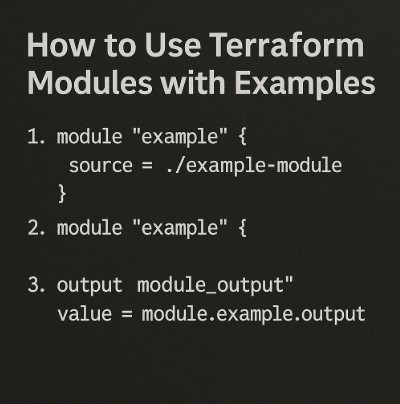
A Comprehensive Guide to Using Terraform Infra for Seamless Infrastructure Management

Introduction: Understanding Terraform Infra and Its Applications

In today’s fast-paced technological world, managing and provisioning infrastructure efficiently is crucial for businesses to stay competitive. Terraform, an open-source tool created by HashiCorp, has emerged as a key player in this domain. By utilizing “terraform infra,” developers and system administrators can automate the process of setting up, managing, and scaling infrastructure on multiple cloud platforms.

Terraform Infra, short for “Terraform Infrastructure,” provides users with an easy way to codify and manage their infrastructure in a version-controlled environment, enhancing flexibility, efficiency, and consistency. In this article, we will explore what Terraform Infra is, its key features, how it can be implemented in real-world scenarios, and answer some common questions regarding its usage.

What is Terraform Infra?

The Basics of Terraform

Terraform is a tool that allows users to define and provision infrastructure using declarative configuration files. Instead of manually setting up resources like virtual machines, databases, and networks, you write code that specifies the desired state of the infrastructure. Terraform then interacts with your cloud provider’s APIs to ensure the resources match the desired state.

Key Components of Terraform Infra

Terraform’s core infrastructure components include:

  • Providers: These are responsible for interacting with cloud services like AWS, Azure, GCP, and others.
  • Resources: Define what you are creating or managing (e.g., virtual machines, load balancers).
  • Modules: Reusable configurations that help you structure your infrastructure code in a more modular way.
  • State: Terraform keeps track of your infrastructure’s current state in a file, which is key to identifying what needs to be modified.

Benefits of Using Terraform for Infrastructure

  • Declarative Language: Terraform’s configuration files are written in HashiCorp Configuration Language (HCL), making them easy to read and understand.
  • Multi-Cloud Support: Terraform works with multiple cloud providers, giving you the flexibility to choose the best provider for your needs.
  • Version Control: Infrastructure code is version-controlled, making it easier to track changes and collaborate with teams.
  • Scalability: Terraform can manage large-scale infrastructure, enabling businesses to grow without worrying about manual provisioning.

Setting Up Terraform Infra

1. Installing Terraform

Before you start using Terraform, you’ll need to install it on your system. Terraform supports Windows, macOS, and Linux operating systems. You can download the latest version from the official Terraform website.

# On macOS
brew install terraform

# On Ubuntu
sudo apt-get update && sudo apt-get install -y terraform

2. Creating Your First Terraform Configuration

Once installed, you can start by writing a basic configuration file to manage infrastructure. Below is an example of a simple configuration file that provisions an AWS EC2 instance:

provider "aws" {
  region = "us-west-2"
}

resource "aws_instance" "example" {
  ami           = "ami-0c55b159cbfafe1f0"
  instance_type = "t2.micro"
}

3. Initializing Terraform

After creating your configuration file, you’ll need to initialize the Terraform environment by running:

terraform init

This command downloads the necessary provider plugins and prepares the environment.

4. Plan and Apply Changes

Terraform uses a two-step approach to manage infrastructure: terraform plan and terraform apply.

  • terraform plan: This command shows you what changes Terraform will make to your infrastructure.
terraform plan
  • terraform apply: This command applies the changes to the infrastructure.
terraform apply

5. Managing Infrastructure State

Terraform uses a state file to track your infrastructure’s current state. It’s important to keep the state file secure, as it contains sensitive information.

You can also use remote state backends like AWS S3 or Terraform Cloud to store the state file securely.

terraform {
  backend "s3" {
    bucket = "my-terraform-state"
    key    = "global/s3/terraform.tfstate"
    region = "us-west-2"
  }
}

Advanced Terraform Infra Examples

Automating Multi-Tier Applications

Terraform can be used to automate complex, multi-tier applications. Consider a scenario where you need to create a web application that uses a load balancer, EC2 instances, and an RDS database.

provider "aws" {
  region = "us-west-2"
}

resource "aws_lb" "example" {
  name               = "example-lb"
  internal           = false
  load_balancer_type = "application"
  security_groups   = ["sg-123456"]
  subnets           = ["subnet-6789"]
}

resource "aws_instance" "web" {
  ami           = "ami-0c55b159cbfafe1f0"
  instance_type = "t2.micro"
  count         = 3
  user_data     = <<-EOF
                  #!/bin/bash
                  sudo apt update
                  sudo apt install -y nginx
                  EOF
}

resource "aws_db_instance" "example" {
  allocated_storage = 10
  engine            = "mysql"
  instance_class    = "db.t2.micro"
  name              = "mydb"
  username          = "admin"
  password          = "password"
  parameter_group_name = "default.mysql8.0"
}

Using Terraform Modules for Reusability

Modules are a powerful feature of Terraform that allows you to reuse and share infrastructure configurations. A typical module might contain resources for setting up a network, security group, or database cluster.

For example, the following module creates a reusable EC2 instance:

module "ec2_instance" {
  source        = "./modules/ec2_instance"
  instance_type = "t2.micro"
  ami_id        = "ami-0c55b159cbfafe1f0"
}

Common Questions About Terraform Infra

What is the purpose of Terraform’s state file?

The state file is used by Terraform to track the current configuration of your infrastructure. It maps the configuration files to the actual resources in the cloud, ensuring that Terraform knows what needs to be added, modified, or removed.

How does Terraform handle multi-cloud deployments?

Terraform supports multiple cloud providers and allows you to manage resources across different clouds. You can specify different providers in the configuration and deploy infrastructure in a hybrid or multi-cloud environment.

Can Terraform manage non-cloud infrastructure?

Yes, Terraform can also manage on-premise resources, such as virtual machines, physical servers, and networking equipment, using compatible providers.

What is a Terraform provider?

A provider is a plugin that allows Terraform to interact with various cloud services, APIs, or platforms. Common providers include AWS, Azure, Google Cloud, and VMware.

Conclusion: Key Takeaways

Terraform Infra is an invaluable tool for modern infrastructure management. By codifying infrastructure and using Terraform’s rich set of features, businesses can automate, scale, and manage their cloud resources efficiently. Whether you are managing a small project or a complex multi-cloud setup, Terraform provides the flexibility and power you need.

From its ability to provision infrastructure automatically to its support for multi-cloud environments, Terraform is transforming how infrastructure is managed today. Whether you’re a beginner or an experienced professional, leveraging Terraform’s capabilities will help you streamline your operations, ensure consistency, and improve the scalability of your infrastructure.

External Links

By using Terraform Infra effectively, businesses can achieve greater agility and maintain a more reliable and predictable infrastructure environment. Thank you for reading the DevopsRoles page!