Tag Archives: DevOps

Azure Container Apps: A Quick Start Guide

Deploying and managing containerized applications can be complex. Juggling infrastructure, scaling, and security often leads to operational overhead. This comprehensive guide will help you quickly get started with Azure Container Apps, a fully managed container orchestration service that simplifies the process, allowing you to focus on building and deploying your applications rather than managing the underlying infrastructure. We’ll walk you through the fundamentals, providing practical examples and best practices to get your Azure Container Apps up and running in no time.

Understanding Azure Container Apps

Azure Container Apps is a serverless container service that allows you to deploy and manage containerized applications without the complexities of managing Kubernetes clusters. It abstracts away the underlying infrastructure, providing a simple, scalable, and secure environment for your applications. This makes it an ideal solution for developers and DevOps teams who want to focus on application development and deployment rather than infrastructure management.

Key Benefits of Azure Container Apps

  • Simplified Deployment: Deploy your containers directly from a container registry like Azure Container Registry (ACR) or Docker Hub with minimal configuration.
  • Serverless Scaling: Automatically scale your applications based on demand, ensuring optimal resource utilization and cost efficiency.
  • Built-in Security: Leverage Azure’s robust security features, including role-based access control (RBAC) and network policies, to protect your applications.
  • Integrated Monitoring and Logging: Monitor the health and performance of your applications using Azure Monitor, gaining valuable insights into their operation.
  • Support for Multiple Programming Languages: Deploy applications built with various languages and frameworks, offering flexibility and choice.

Creating Your First Azure Container App

Let’s dive into creating a simple Azure Container Apps instance. We’ll assume you have an Azure subscription and basic familiarity with container technology.

Prerequisites

  • An active Azure subscription.
  • An Azure Container Registry (ACR) with your container image (or access to a public registry like Docker Hub).
  • The Azure CLI installed and configured.

Step-by-Step Deployment

  1. Create a Container App Environment: This is the hosting environment for your containers. Use the Azure CLI:

    az containerapp env create --name --resource-group --location
  2. Create a Container App: Use the following Azure CLI command, replacing placeholders with your values:

    az containerapp create --resource-group --name --environment --image : --cpu 1 --memory 1G
  3. Monitor Deployment: Use the Azure portal or CLI to monitor the deployment status. Once deployed, you should be able to access your application.

Example: Deploying a Simple Node.js Application

Consider a simple Node.js application with a Dockerfile like this:


FROM node:16
WORKDIR /app
COPY package*.json ./
RUN npm install
COPY . .
EXPOSE 3000
CMD [ "npm", "start" ]

Build this image and push it to your ACR. Then, use the Azure CLI command from the previous section, replacing : with the full path to your image in ACR.

Advanced Azure Container Apps Features

Azure Container Apps offers advanced features to enhance your application’s performance, scalability, and security.

Scaling and Resource Management

You can configure autoscaling rules to automatically adjust the number of instances based on CPU utilization, memory usage, or custom metrics. This ensures optimal resource utilization and cost efficiency.

Ingress and Networking

Azure Container Apps provides built-in ingress capabilities, allowing you to easily expose your applications to the internet using custom domains and HTTPS certificates. You can also configure network policies to control traffic flow between your containers and other Azure resources.

Secrets Management

Securely manage sensitive information like database credentials and API keys using Azure Key Vault integration. This prevents hardcoding secrets into your container images, enhancing application security.

Custom Domains and HTTPS

Easily configure custom domains and enable HTTPS using Azure’s built-in features for enhanced security and brand consistency. This ensures that your application is accessible over secure connections.

Azure Container Apps vs. Other Azure Container Services

Choosing the right container service depends on your specific needs. Here’s a quick comparison:

ServiceBest For
Azure Container Instances (ACI)Short-lived tasks, quick deployments
Azure Kubernetes Service (AKS)Complex, highly scalable applications requiring fine-grained control
Azure Container AppsSimplified deployment and management of containerized applications without Kubernetes expertise

Frequently Asked Questions

Q1: What are the pricing models for Azure Container Apps?

Azure Container Apps uses a pay-as-you-go model, charging based on resource consumption (CPU, memory, and storage) and the number of container instances running. There are no upfront costs or minimum commitments.

Q2: Can I use Azure Container Apps with my existing CI/CD pipeline?

Yes, Azure Container Apps integrates seamlessly with popular CI/CD tools like Azure DevOps, GitHub Actions, and Jenkins. You can automate the build, test, and deployment process of your applications.

Q3: How do I monitor the health and performance of my Azure Container Apps?

Azure Monitor provides comprehensive monitoring and logging capabilities for Azure Container Apps. You can track metrics like CPU utilization, memory usage, request latency, and errors to gain insights into your application’s performance and identify potential issues.

Q4: Does Azure Container Apps support different container registries?

Yes, Azure Container Apps supports various container registries, including Azure Container Registry (ACR), Docker Hub, and other private registries. You have the flexibility to use your preferred registry.

Conclusion

Azure Container Apps provides a compelling solution for developers and DevOps teams seeking a simplified, scalable, and secure way to deploy and manage containerized applications. By abstracting away the complexities of infrastructure management, Azure Container Apps empowers you to focus on building and deploying your applications, resulting in increased efficiency and reduced operational overhead. Start experimenting with Azure Container Apps today and experience the benefits of this powerful and easy-to-use service. Remember to leverage the comprehensive documentation available on the Microsoft Learn website for further assistance and deeper understanding of advanced configurations.

For more advanced topics, refer to the official Azure Container Apps documentation and explore the Cloud Skills Boost platform for additional learning resources. Thank you for reading the DevopsRoles page!

Accelerate Your EKS Deployments with EKS Blueprints Clusters

Managing and deploying Kubernetes clusters can be a complex and time-consuming task. Ensuring security, scalability, and operational efficiency requires significant expertise and careful planning. This is where Amazon EKS Blueprints comes in, providing a streamlined approach to bootstrapping robust and secure EKS Blueprints clusters. This comprehensive guide will walk you through the process of creating and managing EKS Blueprints clusters, empowering you to focus on your applications instead of infrastructure complexities.

Understanding EKS Blueprints and Their Benefits

Amazon EKS Blueprints offers pre-built configurations for deploying Kubernetes clusters on Amazon EKS. These blueprints provide a foundation for building secure and highly available clusters, incorporating best practices for networking, security, and logging. By leveraging EKS Blueprints clusters, you can significantly reduce the time and effort required to set up a production-ready Kubernetes environment.

Key Advantages of Using EKS Blueprints Clusters:

  • Reduced Deployment Time: Quickly deploy clusters with pre-configured settings.
  • Enhanced Security: Benefit from built-in security best practices and configurations.
  • Improved Reliability: Establish highly available and resilient clusters.
  • Simplified Management: Streamline cluster management with standardized configurations.
  • Cost Optimization: Optimize resource utilization and minimize operational costs.

Creating Your First EKS Blueprints Cluster

The process of creating an EKS Blueprints cluster involves several key steps. This section will guide you through a basic deployment, highlighting important considerations along the way. Remember to consult the official AWS documentation for the most up-to-date instructions and best practices.

Prerequisites:

  • An AWS account with appropriate permissions.
  • The AWS CLI installed and configured.
  • Familiarity with basic Kubernetes concepts.

Step-by-Step Deployment:

  1. Choose a Blueprint: Select a blueprint that aligns with your requirements. EKS Blueprints offers various options, each tailored to specific needs (e.g., production, development).
  2. Customize the Blueprint (Optional): Modify parameters like node group configurations, instance types, and Kubernetes version to meet your specific needs. This allows for granular control over your cluster’s resources.
  3. Deploy the Blueprint: Use the AWS CLI or other deployment tools to initiate the deployment process. This involves specifying the blueprint name and any necessary customizations.
  4. Monitor Deployment Progress: Track the progress of your cluster deployment using the AWS Management Console or the AWS CLI. This ensures you are aware of any potential issues.
  5. Verify Cluster Functionality: Once the deployment completes, verify that your cluster is running correctly. This typically includes checking the status of nodes, pods, and services.

Example using the AWS CLI:

The exact command will vary depending on the chosen blueprint and customizations. A simplified example (replace placeholders with your values) might look like this:

aws eks create-cluster \
  --name my-eks-blueprint-cluster \
  --role-arn arn:aws:iam::123456789012:role/eks-cluster-role \
  --resources-vpc-config subnetIds=subnet-1,subnet-2,subnet-3

Remember to consult the official AWS documentation for the most accurate and up-to-date command structures.

Advanced EKS Blueprints Clusters Configurations

Beyond basic deployment, EKS Blueprints offer advanced configuration options to tailor your clusters to demanding environments. This section explores some of these advanced capabilities.

Customizing Networking:

Fine-tune networking aspects, such as VPC configurations, security groups, and pod networking, to optimize performance and security. Consider using Calico or other advanced CNI plugins for enhanced network policies.

Integrating with other AWS Services:

Seamlessly integrate your EKS Blueprints clusters with other AWS services like IAM, CloudWatch, and KMS. This enhances security, monitoring, and management.

Implementing Robust Security Measures:

Implement comprehensive security measures, including Network Policies, Pod Security Policies (or their equivalents in newer Kubernetes versions), and IAM roles for enhanced protection.

Scaling and High Availability:

Design your EKS Blueprints clusters for scalability and high availability. Utilize autoscaling groups and multiple availability zones to ensure resilience and fault tolerance.

EKS Blueprints Clusters: Best Practices

Implementing best practices is crucial for successfully deploying and managing EKS Blueprints clusters. This section outlines key recommendations to enhance your deployments.

Utilizing Version Control:

Employ Git or another version control system to manage your blueprint configurations, enabling easy tracking of changes and collaboration.

Implementing Infrastructure as Code (IaC):

Use tools like Terraform or CloudFormation to automate the deployment and management of your EKS Blueprints clusters. This promotes consistency, repeatability, and reduces manual intervention.

Continuous Integration/Continuous Delivery (CI/CD):

Integrate EKS Blueprints deployments into your CI/CD pipeline for streamlined and automated deployments. This enables faster iterations and easier updates.

Regular Monitoring and Logging:

Monitor your EKS Blueprints clusters actively using CloudWatch or other monitoring solutions to proactively identify and address any potential issues.

Frequently Asked Questions

This section addresses some frequently asked questions about EKS Blueprints clusters.

Q1: What is the cost of using EKS Blueprints?

The cost of using EKS Blueprints depends on the resources consumed by your cluster, including compute instances, storage, and network traffic. You pay for the underlying AWS services used by your cluster, not for the blueprints themselves.

Q2: Can I use EKS Blueprints with existing infrastructure?

While EKS Blueprints create new clusters, you can adapt parameters and settings to integrate with some aspects of your existing infrastructure, like VPCs and subnets. Complete integration requires careful planning and potentially customization of the chosen blueprint.

Q3: How do I update an existing EKS Blueprints cluster?

Updating an existing EKS Blueprints cluster often involves creating a new cluster with the desired updates and then migrating your workloads. Direct in-place upgrades might be possible depending on the changes, but careful testing is essential before any upgrade.

Q4: What level of Kubernetes expertise is required to use EKS Blueprints?

While EKS Blueprints simplify cluster management, a basic understanding of Kubernetes concepts is beneficial. You’ll need to know how to manage deployments, services, and pods, and troubleshoot common Kubernetes issues. Advanced features might require a deeper understanding.

Conclusion

Utilizing EKS Blueprints clusters simplifies the process of bootstrapping secure and efficient EKS environments. By leveraging pre-configured blueprints and best practices, you can significantly accelerate your Kubernetes deployments and reduce operational overhead. Remember to start with a well-defined strategy, leverage IaC for automation, and diligently monitor your EKS Blueprints clusters to ensure optimal performance and security.

Mastering EKS Blueprints clusters allows you to focus on building and deploying applications instead of wrestling with complex infrastructure management. Remember that staying updated with the latest AWS documentation is critical for utilizing the full potential of EKS Blueprints clusters and best practices.

For more detailed information, refer to the official AWS EKS Blueprints documentation and the Kubernetes documentation. A useful community resource can also be found at Kubernetes.io. Thank you for reading the DevopsRoles page!
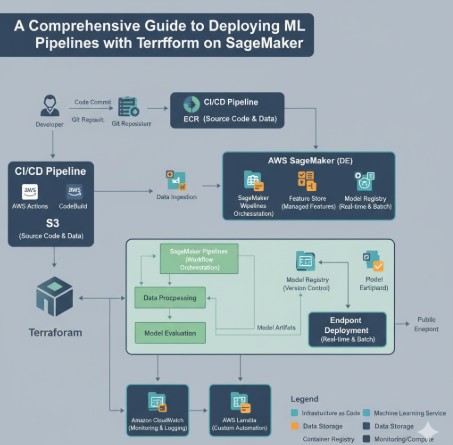
Mastering Vultr Cloud with Terraform: A Comprehensive Guide

In today’s dynamic cloud computing landscape, efficient infrastructure management is paramount. Manually provisioning and managing cloud resources is time-consuming, error-prone, and ultimately inefficient. This is where Infrastructure as Code (IaC) solutions like Terraform shine. This comprehensive guide delves into the powerful combination of Vultr Cloud Terraform, demonstrating how to automate your Vultr deployments and significantly streamline your workflow. We’ll cover everything from basic setups to advanced configurations, enabling you to leverage the full potential of this robust pairing.

Understanding the Power of Vultr Cloud Terraform

Vultr Cloud Terraform allows you to define and manage your Vultr cloud infrastructure using declarative configuration files written in HashiCorp Configuration Language (HCL). Instead of manually clicking through web interfaces, you write code that describes your desired infrastructure state. Terraform then compares this desired state with the actual state of your Vultr environment and makes the necessary changes to bring them into alignment. This approach offers several key advantages:

  • Automation: Automate the entire provisioning process, from creating instances to configuring networks and databases.
  • Consistency: Ensure consistent infrastructure deployments across different environments (development, staging, production).
  • Version Control: Track changes to your infrastructure as code using Git or other version control systems.
  • Collaboration: Facilitate collaboration among team members through a shared codebase.
  • Repeatability: Easily recreate your infrastructure from scratch whenever needed.

Setting up Your Vultr Cloud Terraform Environment

Before diving into code, we need to prepare our environment. This involves:

1. Installing Terraform

Download the appropriate Terraform binary for your operating system from the official HashiCorp website: https://www.terraform.io/downloads.html. Follow the installation instructions provided for your system.

2. Obtaining a Vultr API Key

You’ll need a Vultr API key to authenticate Terraform with your Vultr account. Generate a new API key within your Vultr account settings. Keep this key secure; it grants full access to your Vultr account.

3. Creating a Provider Configuration File

Terraform uses provider configurations to connect to different cloud platforms. Create a file named providers.tf (or include it within your main Terraform configuration file) and add the following, replacing YOUR_API_KEY with your actual Vultr API key:

terraform {
  required_providers {
    vultr = {
      source  = "vultr/vultr"
      version = "~> 2.0"
    }
  }
}

provider "vultr" {
  api_key = "YOUR_API_KEY"
}

Creating Your First Vultr Cloud Terraform Resource: Deploying a Simple Instance

Let’s create a simple Terraform configuration to deploy a single Vultr instance. Create a file named main.tf:

resource "vultr_instance" "my_instance" {
  region       = "ewr"
  type         = "1c2g"
  os_id        = "289" # Ubuntu 20.04
  name         = "terraform-instance"
  ssh_key_id = "YOUR_SSH_KEY_ID" #Replace with your Vultr SSH Key ID
}

This configuration defines a single Vultr instance in the New Jersey (ewr) region with a basic 1 CPU and 2 GB RAM plan (1c2g). Replace YOUR_SSH_KEY_ID with the ID of your Vultr SSH key. The os_id specifies the operating system; you can find a list of available OS IDs in the Vultr API documentation: https://www.vultr.com/api/#operation/list-os

To deploy this instance, run the following commands:

terraform init
terraform plan
terraform apply

terraform init initializes the Terraform working directory. terraform plan shows you what Terraform will do. terraform apply executes the plan, creating your Vultr instance.

Advanced Vultr Cloud Terraform Configurations

Beyond basic instance creation, Terraform’s power shines in managing complex infrastructure deployments. Here are some advanced scenarios:

Deploying Multiple Instances

You can easily deploy multiple instances using count or for_each meta-arguments:

resource "vultr_instance" "my_instances" {
  count = 3

  region       = "ewr"
  type         = "1c2g"
  os_id        = "289" # Ubuntu 20.04
  name         = "terraform-instance-${count.index}"
  ssh_key_id   = "YOUR_SSH_KEY_ID" # Replace with your Vultr SSH Key ID
}

Managing Networks and Subnets

Terraform can also create and manage Vultr networks and subnets, providing complete control over your network topology:

resource "vultr_private_network" "my_network" {
  name   = "my-private-network"
  region = "ewr"
}

resource "vultr_instance" "my_instance" {
  // ... other instance configurations ...
  private_network_id = vultr_private_network.my_network.id
}

Using Variables and Modules for Reusability

Utilize Terraform’s variables and modules to enhance reusability and maintainability. Variables allow you to parameterize your configurations, while modules encapsulate reusable components.

# variables.tf
variable "instance_type" {
  type    = string
  default = "1c2g"
}

# main.tf
resource "vultr_instance" "my_instance" {
  type = var.instance_type
  // ... other configurations
}

Implementing Security Best Practices with Vultr Cloud Terraform

Security is paramount when managing cloud resources. Implement the following best practices:

  • Use Dedicated SSH Keys: Never hardcode SSH keys directly in your Terraform configuration. Use Vultr’s SSH Key management and reference the ID.
  • Enable Security Groups: Configure appropriate security groups to restrict inbound and outbound traffic to your instances.
  • Regularly Update Your Code: Maintain your Terraform configurations and update your Vultr instances to benefit from security patches.
  • Store API Keys Securely: Never commit your Vultr API key directly to your Git repository. Explore secrets management solutions like HashiCorp Vault or AWS Secrets Manager.

Frequently Asked Questions

Q1: Can I use Terraform to manage existing Vultr resources?

Yes, Terraform’s import command allows you to import existing resources into your Terraform state. This allows you to bring existing Vultr resources under Terraform’s management.

Q2: How do I handle errors during Terraform deployments?

Terraform provides detailed error messages to identify the root cause of deployment failures. Carefully examine these messages to troubleshoot and resolve issues. You can also enable detailed logging to aid debugging.

Q3: What are the best practices for managing state in Vultr Cloud Terraform deployments?

Store your Terraform state remotely using a backend like Terraform Cloud, AWS S3, or Azure Blob Storage. This ensures state consistency and protects against data loss.

Q4: Are there any limitations to using Vultr Cloud Terraform?

While Vultr Cloud Terraform offers extensive capabilities, some advanced features or specific Vultr services might have limited Terraform provider support. Always refer to the official provider documentation for the most up-to-date information.

Conclusion

Automating your Vultr cloud infrastructure with Vultr Cloud Terraform is a game-changer for DevOps engineers, developers, and system administrators. By implementing IaC, you achieve significant improvements in efficiency, consistency, and security. This guide has covered the fundamentals and advanced techniques for deploying and managing Vultr resources using Terraform. Remember to prioritize security best practices and explore the full potential of Terraform’s features for optimal results. Mastering Vultr Cloud Terraform will empower you to manage your cloud infrastructure with unparalleled speed and accuracy. Thank you for reading the DevopsRoles page!

Streamlining AWS FSx for NetApp ONTAP Deployments with Terraform

Managing and scaling cloud infrastructure efficiently is paramount for modern businesses. A crucial component of many cloud architectures is robust, scalable storage, and AWS FSx for NetApp ONTAP provides a compelling solution. However, manually managing the deployment and lifecycle of FSx for NetApp ONTAP can be time-consuming and error-prone. This is where Infrastructure as Code (IaC) tools like Terraform come in. This comprehensive guide will walk you through deploying FSx for NetApp ONTAP using Terraform, demonstrating best practices and addressing common challenges along the way. We will cover everything from basic deployments to more advanced configurations, enabling you to efficiently manage your FSx for NetApp ONTAP file systems.

Understanding the Benefits of Terraform for FSx for NetApp ONTAP

Terraform, a powerful IaC tool from HashiCorp, allows you to define and provision your infrastructure in a declarative manner. This means you describe the desired state of your FSx for NetApp ONTAP file system, and Terraform manages the process of creating, updating, and deleting it. This approach offers several key advantages:

  • Automation: Automate the entire deployment process, eliminating manual steps and reducing the risk of human error.
  • Consistency: Ensure consistent deployments across different environments (development, testing, production).
  • Version Control: Track changes to your infrastructure as code using Git or other version control systems.
  • Collaboration: Facilitate collaboration among team members by having a single source of truth for your infrastructure.
  • Infrastructure as Code (IaC): Treat your infrastructure as code, making it manageable, repeatable and testable.

Setting up Your Environment for Terraform and FSx for NetApp ONTAP

Before you begin, ensure you have the following prerequisites:

  • AWS Account: An active AWS account with appropriate permissions to create and manage resources.
  • Terraform Installed: Download and install Terraform from the official HashiCorp website. https://www.terraform.io/downloads.html
  • AWS CLI Installed and Configured: Configure the AWS CLI with your credentials to interact with AWS services.
  • An IAM Role with Sufficient Permissions: The role used by Terraform needs permissions to create and manage FSx for NetApp ONTAP resources.

Creating a Basic Terraform Configuration

Let’s start with a simple Terraform configuration to create a basic FSx for NetApp ONTAP file system. This example uses a small volume size for demonstration; adjust accordingly for production environments.

terraform {
  required_providers {
    aws = {
      source  = "hashicorp/aws"
      version = "~> 4.0"
    }
  }
}

provider "aws" {
  region = "us-west-2" # Replace with your desired region
}

resource "aws_fsx_ontap_file_system" "example" {
  storage_capacity    = 1024 # In GB
  subnet_ids          = ["subnet-xxxxxxxxxxxxxxxxx", "subnet-yyyyyyyyyyyyyyyyy"] # Replace with your subnet IDs
  kms_key_id          = "alias/aws/fsx" # Optional KMS key ID
  throughput_capacity = 100 # Example throughput
  file_system_type    = "ONTAP"
}

This configuration defines a provider for AWS, specifies the region, and creates an FSx for NetApp ONTAP file system with a storage capacity of 1TB and two subnet IDs. Remember to replace placeholders like subnet IDs with your actual values.

Advanced Configurations with Terraform and FSx for NetApp ONTAP

Building upon the basic configuration, let’s explore more advanced features and options offered by Terraform and FSx for NetApp ONTAP.

Using Security Groups

For enhanced security, associate a security group with your FSx for NetApp ONTAP file system. This controls inbound and outbound network traffic.

resource "aws_security_group" "fsx_sg" {
  name        = "fsx-security-group"
  description = "Security group for FSx for NetApp ONTAP"

  ingress {
    from_port   = 0
    to_port     = 0
    protocol    = "-1"
    cidr_blocks = ["0.0.0.0/0"] # Restrict this in production!
  }

  egress {
    from_port   = 0
    to_port     = 0
    protocol    = "-1"
    cidr_blocks = ["0.0.0.0/0"] # Restrict this in production!
  }
}

resource "aws_fsx_ontap_file_system" "example" {
  # ... other configurations ...
  security_group_ids = [aws_security_group.fsx_sg.id]
}

Managing Snapshots

Regularly creating snapshots of your FSx for NetApp ONTAP file system is crucial for data protection and disaster recovery. Terraform can automate this process.

resource "aws_fsx_ontap_snapshot" "example" {
  file_system_id = aws_fsx_ontap_file_system.example.id
  name           = "my-snapshot"
}

Working with Volume Backups

For improved resilience, configure volume backups for your FSx for NetApp ONTAP file system. This allows restoring individual volumes.

This requires more detailed configuration within the FSx for NetApp ONTAP system itself after deployment and is beyond the scope of a simple Terraform configuration snippet, but it’s a crucial aspect of managing the system’s data resilience.

Implementing lifecycle management

Terraform allows you to control the entire lifecycle of your FSx for NetApp ONTAP infrastructure. You can destroy the file system using `terraform destroy`.

Deploying and Managing Your FSx for NetApp ONTAP Infrastructure

  1. Initialize Terraform: Run terraform init to download the necessary providers.
  2. Plan the Deployment: Run terraform plan to see what changes Terraform will make.
  3. Apply the Changes: Run terraform apply to create the FSx for NetApp ONTAP file system.
  4. Monitor the Deployment: After applying the configuration, monitor the AWS Management Console to ensure the FSx for NetApp ONTAP file system is created successfully.
  5. Manage and Update: Use terraform apply to update your configuration as needed.
  6. Destroy the Infrastructure: Use terraform destroy to delete the FSx for NetApp ONTAP file system when it’s no longer needed.

Frequently Asked Questions

Q1: What are the pricing considerations for using FSx for NetApp ONTAP?

AWS FSx for NetApp ONTAP pricing is based on several factors, including storage capacity, throughput, and operational costs. The AWS pricing calculator is your best resource to estimate costs based on your specific needs. It’s important to consider factors like data transfer costs as well as the ongoing costs of storage. Refer to the official AWS documentation for the most up-to-date pricing information.

Q2: How can I manage access control to my FSx for NetApp ONTAP file system?

Access control is managed through the NetApp ONTAP management interface, which integrates with your existing Active Directory or other identity providers. You can manage user permissions and quotas through this interface, ensuring only authorized users have access to your data.

Q3: Can I use Terraform to manage multiple FSx for NetApp ONTAP file systems?

Yes, you can use Terraform to manage multiple FSx for NetApp ONTAP file systems within the same configuration, using resource blocks to define different systems with unique names, configurations, and settings.

Q4: What are the limitations of using Terraform with FSx for NetApp ONTAP?

While Terraform simplifies deployment and management, it doesn’t manage all aspects of FSx for NetApp ONTAP. Fine-grained configuration options within the ONTAP system itself still need to be managed through the ONTAP management interface. Additionally, complex networking setups might require additional configurations outside the scope of this basic Terraform configuration.

Conclusion

In conclusion, deploying AWS FSx for NetApp ONTAP with Terraform offers a robust and efficient approach to managing your file storage infrastructure. By leveraging Infrastructure as Code (IaC) principles, you gain unparalleled benefits in terms of automation, consistency, version control, and collaborative development.

This comprehensive guide has walked you through the essential steps, from initial setup and basic configurations to advanced features like security groups and snapshot management. You now possess the knowledge to confidently initialize, plan, apply, and manage your FSx for NetApp ONTAP deployments, ensuring your storage resources are provisioned and maintained with precision and scalability. Embracing Terraform for this critical task not only streamlines your DevOps workflows but also empowers your teams to build and manage highly reliable and resilient cloud environments. Thank you for reading the DevopsRoles page!
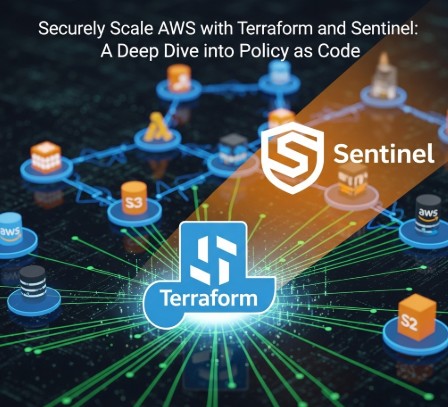
Unlocking the Power of Amazon EKS Observability

Managing the complexity of a Kubernetes cluster, especially one running on Amazon Elastic Kubernetes Service (EKS), can feel like navigating a labyrinth. Ensuring the health, performance, and security of your applications deployed on EKS requires robust monitoring and observability. This is where Amazon EKS Observability comes into play. This comprehensive guide will demystify the intricacies of EKS observability, providing you with the tools and knowledge to effectively monitor and troubleshoot your EKS deployments, ultimately improving application performance and reducing downtime.

Understanding the Importance of Amazon EKS Observability

Effective Amazon EKS Observability is paramount for any organization running applications on EKS. Without it, identifying performance bottlenecks, debugging application errors, and ensuring security becomes significantly challenging. A lack of observability can lead to increased downtime, frustrated users, and ultimately, financial losses. By implementing a comprehensive observability strategy, you gain valuable insights into the health and performance of your EKS cluster and its deployed applications. This proactive approach allows for faster identification and resolution of issues, preventing major incidents before they impact your users.

Key Components of Amazon EKS Observability

Building a robust Amazon EKS Observability strategy involves integrating several key components. These components work in synergy to provide a holistic view of your EKS environment.

1. Metrics Monitoring

Metrics provide quantitative data about your EKS cluster and application performance. Key metrics to monitor include:

  • CPU utilization
  • Memory usage
  • Network traffic
  • Pod restarts
  • Deployment status

Tools like Amazon CloudWatch, Prometheus, and Grafana are commonly used for collecting and visualizing these metrics. CloudWatch integrates seamlessly with EKS, providing readily available metrics out of the box.

2. Logging

Logs offer crucial contextual information about events occurring within your EKS cluster and applications. Effective log management enables faster debugging and incident response.

  • Application logs: Track application-specific events and errors.
  • System logs: Monitor the health and status of Kubernetes components.
  • Audit logs: Record security-relevant events for compliance and security analysis.

Popular logging solutions for EKS include the Amazon CloudWatch Logs, Fluentd, and Elasticsearch.

3. Tracing

Distributed tracing provides a detailed view of requests as they flow through your microservices architecture. This is crucial for understanding the performance of complex applications deployed across multiple pods and namespaces.

Tools like Jaeger, Zipkin, and AWS X-Ray offer powerful distributed tracing capabilities. Integrating tracing into your applications helps identify performance bottlenecks and pinpoint the root cause of slow requests.

4. Amazon EKS Observability with CloudWatch

Amazon CloudWatch is a fully managed monitoring and observability service deeply integrated with EKS. It offers a comprehensive solution for collecting, analyzing, and visualizing metrics, logs, and events from your EKS cluster. CloudWatch provides a unified dashboard for monitoring the health and performance of your EKS deployments, offering invaluable insights for operational efficiency. Setting up CloudWatch integration with your EKS cluster is typically straightforward, leveraging built-in integrations and requiring minimal configuration.

Advanced Amazon EKS Observability Techniques

Beyond the foundational components, implementing advanced techniques further enhances your observability strategy.

1. Implementing Custom Metrics

While built-in metrics provide a solid foundation, custom metrics allow you to gather specific data relevant to your applications and workflows. This provides a highly tailored view of your environment’s performance.

2. Alerting and Notifications

Configure alerts based on predefined thresholds for critical metrics. This enables proactive identification of potential problems before they impact your users. Integrate alerts with communication channels like Slack, PagerDuty, or email for timely notifications.

3. Using a Centralized Logging and Monitoring Platform

Centralizing your logs and metrics simplifies analysis and reduces the complexity of managing multiple tools. This consolidated view improves your ability to diagnose issues and resolve problems quickly. Tools like Grafana and Kibana provide dashboards that can aggregate data from various sources, providing a single pane of glass view.

Amazon EKS Observability Best Practices

Implementing effective Amazon EKS Observability requires adherence to best practices:

  • Establish clear monitoring objectives: Define specific metrics and events to monitor based on your application’s needs.
  • Automate monitoring and alerting: Leverage infrastructure-as-code (IaC) to automate the setup and management of your monitoring tools.
  • Use a layered approach: Combine multiple monitoring tools to capture a holistic view of your EKS environment.
  • Regularly review and refine your monitoring strategy: Your observability strategy should evolve as your applications and infrastructure change.

Frequently Asked Questions

1. What is the cost of implementing Amazon EKS Observability?

The cost depends on the specific tools and services you use. Amazon CloudWatch, for example, offers a free tier, but costs increase with usage. Other tools may have their own pricing models. Careful planning and consideration of your needs will help manage costs effectively.

2. How do I integrate Prometheus with my EKS cluster?

You can deploy a Prometheus server within your EKS cluster and configure it to scrape metrics from your pods using service discovery. There are various community-maintained Helm charts available to simplify this process. Properly configuring service discovery is key to successful Prometheus integration.

3. What are some common challenges in setting up Amazon EKS Observability?

Common challenges include configuring appropriate security rules for access to monitoring tools, dealing with the complexity of multi-tenant environments, and managing the volume of data generated by a large EKS cluster. Careful planning and the use of appropriate tools can mitigate these challenges.

4. How do I ensure security within my Amazon EKS Observability setup?

Security is paramount. Employ strong authentication and authorization mechanisms for all monitoring tools. Restrict access to sensitive data, use encryption for data in transit and at rest, and regularly review security configurations to identify and address vulnerabilities. Following AWS best practices for security is highly recommended.

Conclusion

Achieving comprehensive Amazon EKS Observability is crucial for the successful operation of your applications on EKS. By integrating metrics monitoring, logging, tracing, and leveraging powerful tools like Amazon CloudWatch, you gain the insights necessary to proactively identify and address issues. Remember to adopt best practices, choose tools that align with your needs, and continuously refine your observability strategy to ensure the long-term health and performance of your EKS deployments. Investing in a robust Amazon EKS Observability strategy ultimately translates to improved application performance, reduced downtime, and a more efficient operational workflow. Don’t underestimate the value of proactive monitoring – it’s an investment in the stability and success of your cloud-native applications. Thank you for reading the DevopsRoles page!

Further Reading:

Amazon EKS Documentation
Amazon CloudWatch Documentation
Kubernetes Documentation

how to use Terraform modules examples

Are you struggling to manage the growing complexity of your infrastructure code? Do you find yourself repeating the same configurations across multiple projects? The solution lies in leveraging the power of Terraform modules. This comprehensive guide provides practical Terraform modules examples to help you streamline your workflow, improve code reusability, and enhance the overall maintainability of your infrastructure. We’ll cover everything from basic module creation to advanced techniques, empowering you to write cleaner, more efficient Terraform code. Learning to effectively utilize Terraform modules examples is a crucial step towards becoming a proficient Terraform user.

Understanding Terraform Modules

Terraform modules are reusable packages of Terraform configurations. They encapsulate infrastructure components, allowing you to define and manage them as self-contained units. This promotes modularity, reduces redundancy, and significantly improves the organization of your codebase. Think of modules as functions in programming – they take input variables, perform specific tasks, and produce output values. By using modules, you can abstract away implementation details, making your code more readable and easier to maintain.

Benefits of Using Terraform Modules

  • Improved Reusability: Avoid writing the same code repeatedly. Create a module once and use it across multiple projects.
  • Enhanced Maintainability: Easier to update and maintain a single module than multiple instances of similar code.
  • Increased Readability: Modules encapsulate complexity, making your main Terraform code cleaner and easier to understand.
  • Better Organization: Modules help structure your infrastructure code into logical units, promoting better organization and collaboration.
  • Version Control: Easier to version control and manage changes in a modularized codebase.

Creating Your First Terraform Module

Let’s start with a simple example: creating a module to deploy a virtual machine in AWS. This will serve as a foundation for understanding the structure and functionality of Terraform modules examples.

Module Structure

A Terraform module typically consists of the following files:

  • main.tf: The main Terraform configuration file for the module.
  • variables.tf: Defines the input variables for the module.
  • outputs.tf: Defines the output values that the module produces.

Code Example: AWS EC2 Instance Module

variables.tf

variable "instance_type" {
  type    = string
  default = "t2.micro"
}

variable "ami_id" {
  type = string
}

main.tf

resource "aws_instance" "example" {
  ami           = var.ami_id
  instance_type = var.instance_type
}

outputs.tf

output "instance_id" {
  value = aws_instance.example.id
}

This simple module allows you to deploy an AWS EC2 instance. You can specify the instance type and AMI ID as input variables. The module then outputs the ID of the created instance.

Advanced Terraform Modules Examples

Now let’s explore some more advanced Terraform modules examples. This section will cover more complex scenarios to solidify your understanding.

Module for a Complete Web Application Deployment

This example demonstrates how to create a more complex module, encompassing multiple resources required for a web application.

  • VPC Module: Create a virtual private cloud (VPC) with subnets, internet gateway, and route tables.
  • EC2 Instance Module: Deploy an EC2 instance within the VPC.
  • Security Group Module: Define security groups to control network access to the EC2 instance.
  • Load Balancer Module (Optional): Implement a load balancer for high availability.

Each of these components could be its own module, showcasing the power of modularization. This approach promotes reusability and simplifies the management of complex infrastructures.

Using Modules with Remote State Backend

For larger projects or collaborative environments, it’s best practice to use a remote state backend. This allows multiple users to work on the same infrastructure code without conflicts. Modules seamlessly integrate with remote state backends like S3 or Azure Storage.

Practical Application of Terraform Modules: Real-World Scenarios

Let’s explore how Terraform modules examples translate into solving real-world infrastructure challenges.

Scenario 1: Multi-environment Deployments

You need to deploy your application to multiple environments (development, staging, production). Modules help significantly in this scenario. You can define a single module for your application and then reuse it in all environments, simply changing the input variables for each environment (e.g., different AMI IDs, instance types, and VPC configurations).

Scenario 2: Shared Services

Let’s say you have a set of shared services, such as a database or a message queue, that are used by multiple applications. You can encapsulate these shared services into modules and reuse them across different projects.

Scenario 3: Infrastructure as Code (IaC) for Microservices

If you’re building a microservice architecture, you can use modules to deploy individual microservices. Each microservice can have its own module, making it easier to manage and scale your application independently.

Frequently Asked Questions

Q1: How do I share Terraform modules?

You can share Terraform modules using a variety of methods, including:

  • Private Git repositories: Ideal for internal use within your organization.
  • Public Git repositories (e.g., GitHub): Suitable for sharing modules publicly.
  • Terraform Registry: A central repository for sharing and discovering Terraform modules.

Q2: How do I manage dependencies between Terraform modules?

Terraform modules can depend on other modules. This is done by specifying the source of the dependency module in the module block. Terraform will automatically download and install the required modules.

Q3: What are the best practices for writing Terraform modules?

Here are some best practices:

  • Use clear and descriptive names: This improves readability and maintainability.
  • Validate input variables: Prevent unexpected behavior by validating the inputs to your modules.
  • Document your modules thoroughly: Include clear documentation to explain how to use your modules.
  • Follow the principle of least privilege: Grant only necessary permissions to your modules.

Q4: Can I use Terraform modules with different cloud providers?

Yes, you can create Terraform modules that work with multiple cloud providers. You would likely need to use conditional logic (e.g., `count`, `for_each`) or separate modules to handle provider-specific configurations.

Conclusion

This guide has demonstrated the practical benefits of using Terraform modules, providing numerous Terraform modules examples across different complexity levels. By mastering the art of creating and using Terraform modules, you can significantly improve the efficiency, reusability, and maintainability of your infrastructure code.

Remember to leverage the power of modularization to build robust, scalable, and easily managed infrastructures. Start experimenting with the Terraform modules examples provided here, and gradually build up your knowledge to create more complex and sophisticated modules for your infrastructure projects. Remember that well-structured Terraform modules examples are a key ingredient to efficient and maintainable infrastructure as code. Thank you for reading the DevopsRoles page!

For further reading, consult the official Terraform documentation: https://www.terraform.io/docs/modules/index.html and explore community-contributed modules on the Terraform Registry: https://registry.terraform.io/

Docker Swarm vs Kubernetes: Choosing the Right Container Orchestration Platform

Choosing the right container orchestration platform is crucial for any organization looking to deploy and manage containerized applications at scale. Two prominent players in this space are Docker Swarm and Kubernetes. Understanding the nuances of Docker Swarm Kubernetes and their respective strengths and weaknesses is vital for making an informed decision. This article provides a comprehensive comparison of these platforms, helping you determine which best suits your needs and infrastructure. We’ll delve into their architecture, features, scalability, and ease of use, ultimately guiding you towards the optimal solution for your container orchestration requirements.

Understanding Container Orchestration

Before diving into the specifics of Docker Swarm Kubernetes, let’s establish a foundational understanding of container orchestration. In essence, container orchestration automates the deployment, scaling, and management of containerized applications across a cluster of machines. This automation simplifies complex tasks, ensuring high availability, efficient resource utilization, and streamlined workflows. Without orchestration, managing even a small number of containers can become incredibly challenging, especially in dynamic environments.

Docker Swarm: Simplicity and Ease of Use

Docker Swarm is a native clustering solution for Docker. Its primary advantage lies in its simplicity and ease of use, making it a great choice for developers already familiar with the Docker ecosystem. Swarm integrates seamlessly with Docker Engine, requiring minimal learning curve to get started.

Architecture and Functionality

Docker Swarm employs a simple, master-worker architecture. A single manager node coordinates the cluster, while worker nodes execute containers. This architecture simplifies deployment and management, particularly for smaller-scale deployments. Swarm uses a built-in service discovery mechanism, making it straightforward to manage and scale applications.

Pros and Cons of Docker Swarm

  • Pros: Simple to learn and use, easy integration with Docker, good for smaller deployments, minimal operational overhead.
  • Cons: Less feature-rich compared to Kubernetes, limited scalability for large-scale deployments, less mature ecosystem and community support.

Kubernetes: Robustness and Scalability

Kubernetes, often referred to as K8s, is a far more powerful and complex container orchestration platform. While it has a steeper learning curve than Docker Swarm, it offers significantly enhanced features, scalability, and community support, making it the preferred choice for large-scale deployments and complex application architectures.

Architecture and Functionality

Kubernetes employs a more sophisticated master-worker architecture with a richer set of components, including a control plane (master nodes) and a data plane (worker nodes). The control plane manages the cluster state, schedules deployments, and ensures the health of the pods. The data plane hosts the actual containers.

Key Kubernetes Concepts

  • Pods: The smallest deployable unit in Kubernetes, typically containing one or more containers.
  • Deployments: Manage the desired state of a set of pods, ensuring the correct number of replicas are running.
  • Services: Abstract away the underlying pods, providing a stable IP address and DNS name for accessing applications.
  • Namespaces: Isolate resources and applications within the cluster, enhancing organization and security.

Pros and Cons of Kubernetes

  • Pros: Highly scalable and robust, extensive feature set, large and active community support, rich ecosystem of tools and integrations, supports advanced features like autoscaling and self-healing.
  • Cons: Steeper learning curve, more complex to manage, greater operational overhead, requires more advanced infrastructure knowledge.

Docker Swarm vs. Kubernetes: A Detailed Comparison

This section presents a direct comparison of Docker Swarm Kubernetes across various key aspects. This detailed analysis will assist in your decision-making process, allowing you to choose the most appropriate platform based on your needs.

FeatureDocker SwarmKubernetes
ScalabilityLimited, suitable for smaller deploymentsHighly scalable, designed for large-scale deployments
ComplexitySimple and easy to useComplex and requires advanced knowledge
Learning CurveShallowSteep
Feature RichnessBasic featuresExtensive features, including advanced networking, storage, and security
Community SupportSmaller communityLarge and active community
EcosystemLimited ecosystemRich ecosystem of tools and integrations
CostGenerally lower operational costsPotentially higher operational costs due to complexity

Choosing Between Docker Swarm and Kubernetes

The choice between Docker Swarm Kubernetes depends heavily on your specific needs and circumstances. Consider the following factors:

  • Scale of Deployment: For small-scale deployments with simple applications, Docker Swarm is sufficient. For large-scale deployments requiring high availability, scalability, and advanced features, Kubernetes is the better choice.
  • Team Expertise: If your team has extensive experience with Docker and a relatively small application, Docker Swarm is a good starting point. If your team has the skills and experience for the complexities of Kubernetes, it opens a world of advanced features and scaling options.
  • Application Complexity: Simple applications can be effectively managed with Docker Swarm. Complex applications requiring advanced networking, storage, and security features benefit from Kubernetes’ extensive capabilities.
  • Long-term Vision: If you anticipate significant growth in the future, Kubernetes is a more future-proof investment.

Frequently Asked Questions

Q1: Can I migrate from Docker Swarm to Kubernetes?

A1: Yes, migrating from Docker Swarm to Kubernetes is possible, although it requires planning and effort. Tools and strategies exist to help with the migration process, but it’s not a trivial undertaking. The complexity of the migration depends on the size and complexity of your application and infrastructure.

Q2: What are some common Kubernetes best practices?

A2: Some key Kubernetes best practices include using namespaces to organize resources, defining clear deployment strategies, utilizing persistent volumes for data storage, implementing proper resource requests and limits for containers, and employing robust monitoring and logging solutions.

Q3: Is Kubernetes suitable for small teams?

A3: While Kubernetes is commonly associated with large-scale deployments, it can be used by smaller teams. Managed Kubernetes services simplify many operational aspects, making it more accessible. However, smaller teams should carefully assess their resources and expertise before adopting Kubernetes.

Q4: What is the difference in cost between Docker Swarm and Kubernetes?

A4: The direct cost of Docker Swarm and Kubernetes is minimal (mostly just the compute resources required to run the cluster). The difference lies in operational cost. Docker Swarm generally has a lower operational cost due to its simplicity, while Kubernetes can be more expensive due to the increased complexity and potentially higher resource needs.

Conclusion

Choosing between Docker Swarm Kubernetes requires careful consideration of your specific needs and resources. Docker Swarm offers a simpler, more accessible solution for smaller-scale deployments, while Kubernetes provides the robustness and scalability needed for complex, large-scale applications. Understanding the strengths and weaknesses of each platform empowers you to make the right choice for your container orchestration strategy. Ultimately, the best choice depends on your current needs, projected growth, and team expertise. Weigh the pros and cons carefully to select the platform that best aligns with your long-term goals for your containerized infrastructure.

For further information, consult the official documentation for Docker Swarm and Kubernetes.

Additionally, explore articles and tutorials on Kubernetes from reputable sources to deepen your understanding. Thank you for reading the DevopsRoles page!

Unmasking Ansible Limitations: Challenges in Network Automation

Ansible, a powerful automation tool, has revolutionized IT operations, including network management. Its agentless architecture and simple YAML syntax make it appealing for automating various tasks. However, despite its popularity, Ansible possesses certain limitations, especially when tackling complex network automation scenarios. Understanding these Ansible limitations is crucial for network engineers to avoid potential pitfalls and choose the right tool for the job. This article delves into the key challenges and shortcomings associated with using Ansible for network automation, providing insights to help you make informed decisions for your infrastructure.

Complexity and Scalability Challenges

While Ansible excels at automating simple tasks, handling complex, large-scale network deployments presents several challenges. Its reliance on SSH for communication can become a bottleneck when managing numerous devices simultaneously. The time required for task execution can significantly increase, leading to slower deployments and impacting overall efficiency. This limitation becomes more pronounced as the network grows in size and complexity.

Handling Multi-Vendor Environments

Network environments often consist of devices from various vendors, each with its own unique configuration language and CLI. Ansible’s ability to handle this heterogeneity depends on the availability and quality of network modules. While Ansible boasts a vast collection of modules, gaps in support for specific vendor devices or features can limit automation capabilities. You may need to resort to custom scripting or workarounds, adding complexity and maintenance overhead.

State Management and Idempotency Issues

Maintaining a consistent and desired state across a large network is paramount. Ansible’s idempotency feature ensures tasks are executed only once, preventing unintended configuration changes. However, in complex scenarios involving dependencies or race conditions, ensuring idempotency across all tasks can be difficult. Carefully planned task sequences and thorough testing are crucial to mitigate this risk.

Ansible Limitations in Real-Time Network Operations

Ansible’s asynchronous nature can be a drawback when dealing with real-time network events. The reliance on polling and indirect communication methods makes it less suitable for situations requiring immediate responses, such as handling network outages or dynamically adjusting routing protocols. Tools specifically designed for real-time network monitoring and control may be necessary to complement Ansible’s capabilities.

Lack of Native Support for Real-time Protocols

Ansible doesn’t have built-in support for real-time network protocols like NetFlow or sFlow. This lack of native integration limits its ability to collect real-time network performance data and react to network changes dynamically. Integrating other monitoring tools and customizing Ansible playbooks to process their output is often required, adding complexity to the automation process.

Security Concerns

Security is a primary concern in network automation. Ansible’s reliance on SSH for communication means that the security of SSH keys and access control mechanisms directly affect the security of your network automation tasks. A compromised SSH key could give unauthorized access to your entire network. Robust key management practices and appropriate access controls are therefore essential when using Ansible for network automation.

Managing SSH Keys and Access Control

Ansible uses SSH keys to securely connect to network devices. Improper management of SSH keys can lead to security vulnerabilities. Best practices include utilizing separate keys for different environments, rotating keys regularly, and employing strong passwords or passphrase protection.

Debugging and Troubleshooting

Debugging Ansible playbooks in network automation can be challenging. Error messages may not always be clear, and identifying the root cause of failures can require in-depth knowledge of Ansible, network protocols, and the specific vendor devices involved. Effective logging practices and the use of debugging tools are essential to streamline troubleshooting.

Limited Network Device Visibility

Ansible primarily interacts with network devices through their CLI. This can limit visibility into the internal state of the devices, making debugging more difficult. Using network monitoring tools in conjunction with Ansible can enhance visibility and simplify troubleshooting.

Ansible Limitations: Addressing the Gaps

While Ansible presents several advantages for network automation, its limitations necessitate a strategic approach. Recognizing these shortcomings enables you to plan effectively and mitigate potential issues. Understanding the complexities of multi-vendor environments and the need for robust error handling and logging is critical for successful Ansible deployment in network automation.

  • Consider alternative solutions: For tasks requiring real-time interaction or deep integration with specific network protocols, explore other tools alongside Ansible, leveraging each tool’s strengths.
  • Invest in proper training and expertise: Proficient Ansible skills, coupled with deep network expertise, are essential for navigating the challenges inherent in network automation.
  • Employ robust error handling and logging: Comprehensive logging and well-designed error handling mechanisms facilitate faster debugging and troubleshooting.

Frequently Asked Questions

Q1: Is Ansible suitable for all network automation tasks?

A1: Ansible is a powerful tool, but not a one-size-fits-all solution. Its strengths lie in automating configuration changes and tasks that don’t require real-time interactions. For real-time monitoring and control, other tools are typically more appropriate.

Q2: How can I overcome Ansible’s limitations in complex network environments?

A2: Employing modular design principles, using role-based access control, and leveraging advanced Ansible features like dynamic inventories and connection plugins are helpful strategies. Careful planning and extensive testing are also crucial.

Q3: What are the best practices for secure Ansible deployments in network automation?

A3: Employ strong SSH key management practices, restrict access using appropriate roles and permissions, and regularly audit your Ansible configuration and execution logs to detect and address potential security vulnerabilities.

Q4: How can I improve debugging and troubleshooting when using Ansible for network automation?

A4: Implement comprehensive logging, use Ansible’s debugging features, and leverage network monitoring tools to gain visibility into the network’s state. Start with simple playbooks and gradually increase complexity to facilitate easier debugging.

Conclusion

Ansible’s versatility makes it a valuable tool for network automation; however, its limitations, particularly regarding scalability, real-time operations, and debugging, should be carefully considered. Understanding these Ansible limitations allows you to develop more effective strategies, utilize complementary tools, and build robust and secure network automation solutions. By proactively addressing potential challenges, you can maximize Ansible’s benefits and minimize its drawbacks, ultimately leading to more efficient and reliable network operations. Remember that choosing the right tool for the specific task is key to successful network automation. Thank you for reading the DevopsRoles page!
For further information, refer to the official Ansible documentation: https://docs.ansible.com/ and explore network automation best practices on sites like Network Automation: https://www.networkautomation.io/

docker brings the cloud to local container development

The chasm between local development environments and cloud infrastructure has long been a source of frustration for developers. Inconsistencies in dependencies, configurations, and runtime environments often lead to deployment headaches and the infamous “works on my machine” syndrome. Docker, a revolutionary containerization platform, dramatically shrinks this gap, effectively bringing the cloud’s consistency and scalability to your local development machine. This allows developers to create, test, and deploy applications with unprecedented ease and reliability. This article delves into how Docker achieves this, transforming the way we build and deploy software.

Understanding Docker and Containerization

What is Docker?

Docker is a platform that uses operating-system-level virtualization to deliver software in packages called containers. These containers bundle the application and all its dependencies—libraries, system tools, runtime—into a single unit. This ensures that the application runs consistently across different environments, regardless of the underlying operating system. This consistency is the key to mirroring cloud environments locally.

Why Containers are Crucial

Containers offer several advantages over traditional virtual machines (VMs):

  • Lightweight: Containers share the host operating system’s kernel, making them significantly lighter and faster than VMs, which require their own full OS.
  • Portability: “Build once, run anywhere” is a core Docker principle. Containers can be easily moved between different environments (development, testing, production, and cloud) without modification.
  • Scalability: Docker containers can be easily scaled up or down based on demand, making them ideal for microservices architectures.
  • Isolation: Each container is isolated from other containers and the host OS, enhancing security and preventing conflicts.

Docker’s Role in Local Development

By running Docker on your local machine, you create a consistent environment that closely mirrors your cloud infrastructure. This eliminates the discrepancies that often arise due to differences in OS versions, libraries, and configurations. You essentially build and test in a production-like environment on your laptop, drastically reducing the chances of surprises during deployment.

Bringing Cloud Environments Locally with Docker

Replicating Cloud Configurations

One of Docker’s strengths lies in its ability to replicate cloud configurations on a local machine. You can define the exact environment (operating system, dependencies, etc.) required by your application in a Dockerfile. This file acts as a blueprint, instructing Docker on how to build the container image. Once the image is built, you can run the container locally, replicating the cloud’s environment perfectly.

Using Docker Compose for Complex Applications

For applications composed of multiple services (e.g., a web server, database, message queue), Docker Compose simplifies the management process. Docker Compose uses a YAML file (docker-compose.yml) to define and run multi-container applications. This is incredibly valuable for mirroring complex cloud deployments locally.

Example: A three-tier application (web server, application server, database) can be defined in docker-compose.yml, specifying the images, ports, and volumes for each service. This allows developers to run the entire application stack locally, replicating the cloud infrastructure’s architecture precisely.

Working with Docker Images and Registries

Docker images are read-only templates used to create containers. Public registries like Docker Hub host a vast repository of pre-built images, allowing you to quickly integrate existing components into your projects. This reduces the need to build every component from scratch and accelerates development. You can also create and push your custom images to private registries for better security and control, mirroring your organization’s cloud infrastructure’s registry approach.

Examples: Docker in Action

Scenario 1: Basic Node.js Application

Let’s imagine a simple Node.js application. Instead of installing Node.js directly on your system, you can create a Dockerfile that specifies the Node.js version and your application’s code. This ensures your application runs consistently, regardless of the host system’s Node.js installation.

Dockerfile:


FROM node:16
WORKDIR /app
COPY package*.json ./
RUN npm install
COPY . .
CMD [ "node", "index.js" ]

Scenario 2: Multi-Container Application with Docker Compose

Consider a more complex scenario: a web application with a separate database. Using Docker Compose, you can define both containers (web server and database) in a single YAML file. This mirrors a microservices architecture often used in cloud deployments.

docker-compose.yml:


version: '3.7'
services:
  web:
    build: ./web
    ports:
      - "3000:3000"
  db:
    image: postgres:13
    ports:
      - "5432:5432"

Scenario 3: Integrating with CI/CD Pipelines

Docker seamlessly integrates with CI/CD pipelines. You can build Docker images as part of your automated build process, and then push these images to a registry (e.g., Docker Hub or a private registry). This ensures that the same consistent images used in development are deployed to your cloud environment. This significantly reduces the risk of deployment issues.

Frequently Asked Questions (FAQ)

Q: Is Docker difficult to learn?

No, Docker has a relatively gentle learning curve, especially for developers familiar with the command line. The Docker documentation is comprehensive and there are many online resources to assist beginners.

Q: How does Docker improve security?

Docker’s container isolation helps improve security by containing processes and their dependencies. This limits the potential impact of vulnerabilities in one container on other containers or the host OS.

Q: Does Docker replace virtual machines?

Docker and VMs serve different purposes. VMs offer complete system virtualization, while Docker provides operating-system-level virtualization. In many cases, they can complement each other. For example, you might run multiple Docker containers on a single VM.

Q: What are some popular Docker alternatives?

While Docker is the dominant containerization platform, other options exist, including containerd, rkt (Rocket), and Podman.

Q: How does Docker help with collaboration?

By providing a consistent development environment, Docker simplifies collaboration. Developers can easily share their Docker images, ensuring everyone is working with the same environment, regardless of their local setups.

Conclusion

Docker has revolutionized software development and deployment by bridging the gap between local development and cloud environments. By enabling developers to run consistent, production-like environments on their local machines, Docker significantly reduces the risk of deployment issues, improves team collaboration, and accelerates the overall software development lifecycle. Mastering Docker is no longer a luxury-it’s a necessity for any serious developer aiming for efficient, scalable, and reliable application development and deployment.

By utilizing Docker’s powerful capabilities, organizations can streamline their workflows, enhance security, and achieve greater agility in their cloud-based applications. From basic single-container applications to complex microservices architectures, Docker proves to be an indispensable tool for modern software development, truly bringing the cloud to your local machine. Thank you for reading the DevopsRoles page!

Ansible Terraform Security: A Comprehensive Comparison

Infrastructure as Code (IaC) tools are essential for modern DevOps practices, enabling automation and repeatability in infrastructure management. Two popular choices are Ansible and Terraform, each offering distinct strengths and weaknesses. However, when it comes to security, understanding the differences is crucial for building robust and resilient systems. This in-depth guide will provide a detailed comparison of Ansible Terraform Security, helping you make informed decisions based on your specific needs and security priorities.

Ansible Security Model

Ansible, a configuration management tool, focuses on managing the state of existing infrastructure. Its security model centers around managing access to its control plane and securing the communication between the Ansible controller and managed nodes.

Authentication and Authorization

  • Ansible utilizes SSH keys for authentication, promoting secure connections by eliminating the need for passwords. This is a best practice and should be implemented in any Ansible deployment.
  • Role-based access control (RBAC) can be implemented using various methods, including Ansible’s own features or integrating with external identity providers like LDAP or Active Directory. Proper RBAC ensures that only authorized users can access and modify critical infrastructure.
  • Inventory management is crucial. A well-structured inventory file clearly defines which hosts Ansible is allowed to manage, preventing unintended access to systems.

Secure Communication

  • SSH is the default communication method, offering encryption and authentication. However, ensure that SSH is configured securely, using strong key exchange algorithms and disabling password authentication.
  • Consider using Ansible Vault to encrypt sensitive information within playbooks, such as passwords or API keys, preventing these credentials from being exposed in plain text.
  • Network segmentation can isolate Ansible controllers and managed nodes, limiting the impact of potential breaches.

Playbook Security

  • Write idempotent playbooks to ensure that configurations remain consistent. Idempotency prevents unintended changes or security vulnerabilities introduced by repetitive playbook runs.
  • Use Ansible’s built-in modules securely and responsibly. Always review the documentation and understand the implications of each module’s actions.
  • Regularly update Ansible and its modules to benefit from the latest security patches and bug fixes.

Terraform Security Model

Terraform, a provisioning tool, focuses on managing the creation and management of infrastructure. Its security model revolves around securing the Terraform state file, managing access to your cloud provider, and validating infrastructure configurations.

State File Security

  • The Terraform state file contains sensitive information about your infrastructure. Protecting it is paramount. Use a remote backend like AWS S3, Azure Blob Storage, or Terraform Cloud to store the state file securely, enabling access control and versioning.
  • Encrypt your Terraform state file at rest and in transit using encryption mechanisms provided by your chosen backend.
  • Implement a robust access control system to the remote backend. Limit access to authorized users only.

Cloud Provider Security

  • Terraform interacts with cloud providers (AWS, Azure, GCP, etc.) via their APIs. Therefore, securing your cloud accounts is vital. Utilize IAM roles, service accounts, or other provider-specific access management features to grant least privilege access to Terraform.
  • Regularly audit your cloud provider’s security logs and alerts for any suspicious activity related to your Terraform deployments.
  • Use security best practices provided by your cloud provider to ensure the security of your infrastructure even after it’s been provisioned.

Terraform Code Security

  • Employ Infrastructure as Code (IaC) scanning tools to analyze your Terraform configurations for potential security vulnerabilities and compliance issues before deployment.
  • Use a version control system (like Git) to manage your Terraform code, enabling code review, collaboration, and rollback capabilities.
  • Follow the principle of least privilege. Grant only the necessary permissions to your Terraform configurations.

Ansible Terraform Security: A Comparative Analysis

Both Ansible and Terraform have strengths and weaknesses concerning security. The choice depends on your specific needs and priorities. Understanding these differences is critical for implementing robust Ansible Terraform Security strategies.

Ansible Security Advantages

  • Mature ecosystem with a large community providing extensive resources and support.
  • Built-in modules facilitate secure and efficient configuration management.
  • Strong emphasis on idempotency, promoting consistency and reliability.

Ansible Security Disadvantages

  • Security relies heavily on the proper configuration of SSH and other underlying infrastructure.
  • Can be complex to manage securely in large-scale deployments.
  • No built-in state management; state must be managed separately.

Terraform Security Advantages

  • Explicit infrastructure definition leading to better planning and security considerations.
  • Remote state management using various backends enhances security and collaboration.
  • Well-defined infrastructure-as-code practices support automation and security scanning.

Terraform Security Disadvantages

  • Steeper learning curve compared to Ansible.
  • Reliance on cloud provider APIs for access management.
  • Requires careful state file management to prevent data breaches.

Frequently Asked Questions

Q1: Can Ansible be used to manage Terraform state?

While Ansible itself doesn’t directly manage Terraform state, you can use Ansible playbooks to interact with your remote backend (e.g., AWS S3) to manage the state file indirectly. However, it’s generally recommended to manage Terraform state using Terraform’s built-in features for better consistency.

Q2: What are the best practices for securing Ansible playbooks?

Best practices include using Ansible Vault to encrypt sensitive data, utilizing role-based access control, regularly updating Ansible, and employing idempotent playbooks. Conduct thorough code reviews and vulnerability scanning of your playbooks before deployment.

Q3: How can I secure my Terraform configurations against unauthorized access?

Secure your Terraform configurations by using a remote backend for state management, employing strong access control mechanisms on that backend, and using the principle of least privilege when defining your cloud provider credentials and permissions. Regularly scan your code for vulnerabilities and maintain up-to-date infrastructure.

Q4: Are there tools to help with Ansible and Terraform security?

Yes, many tools can assist with security for both. For Ansible, consider tools for SSH key management and security audits. For Terraform, use tools for IaC scanning, such as Checkov or tfsec, to identify potential vulnerabilities in your configurations.

Conclusion

Choosing between Ansible and Terraform for your infrastructure management depends on your specific needs and security requirements. Both tools have unique strengths and weaknesses related to Ansible Terraform Security. Implementing comprehensive security strategies for either tool requires a thorough understanding of its security model, best practices, and the use of appropriate security tools. By carefully considering these aspects and implementing robust security measures, you can effectively mitigate potential risks and build secure and reliable infrastructure.

Remember, regardless of your choice, proactive security practices and regular auditing are crucial for maintaining the security of your infrastructure. A well-defined security strategy that addresses both the configuration management (Ansible) and provisioning (Terraform) aspects is paramount for a secure and reliable DevOps pipeline. Thank you for reading the DevopsRoles page!
Ansible Documentation
Terraform Documentation
Google Cloud DevOps Best Practices