Category Archives: Kubernetes

Learn Kubernetes with DevOpsRoles.com. Access comprehensive guides and tutorials to orchestrate containerized applications and streamline your DevOps processes with Kubernetes.

How to Fix Kubernetes Cluster Initialization Failed Error

Introduction

Kubernetes has become a cornerstone for container orchestration, enabling seamless deployment, scaling, and management of containerized applications. However, setting up a Kubernetes cluster isn’t always smooth sailing. One common hurdle is the “Kubernetes cluster initialization failed” error, which can halt your cluster setup process. This guide will walk you through the steps to diagnose and resolve this error, ensuring your Kubernetes cluster is up and running with minimal downtime.

What is the “Kubernetes Cluster Initialization Failed” Error?

When initializing a Kubernetes cluster, various processes are set in motion to ensure that all components are correctly configured and operational. The “Kubernetes cluster initialization failed” error typically indicates that something went wrong during this critical phase, preventing the cluster from reaching a fully functional state. This error can stem from various issues, ranging from network misconfigurations to problems with the etcd service or control plane components.

Common Causes of Kubernetes Cluster Initialization Failure

Understanding the root causes of the initialization failure is crucial for effective troubleshooting. Some common reasons include:

1. Network Misconfigurations

  • Kubernetes heavily relies on network connectivity for communication between nodes. Incorrectly configured network settings can cause failures during cluster initialization.
  • Solution: Ensure that all nodes can communicate with each other and that no firewall or security group settings are blocking necessary ports.

2. etcd Service Issues

  • The etcd service is the key-value store used by Kubernetes to manage cluster state. Any issues with etcd can lead to initialization failures.
  • Solution: Verify the health of the etcd service, check logs for errors, and ensure that etcd is correctly configured and running on all master nodes.

3. Control Plane Component Failures

  • The Kubernetes control plane consists of multiple components (e.g., kube-apiserver, kube-controller-manager, kube-scheduler). Failures in any of these components can prevent the cluster from initializing properly.
  • Solution: Check the logs for each control plane component to identify and resolve any errors.

4. Insufficient Resources

  • Kubernetes requires a certain amount of CPU, memory, and disk space to operate. If the system does not meet these requirements, the cluster initialization may fail.
  • Solution: Ensure that your nodes meet the minimum resource requirements for Kubernetes. If necessary, allocate more resources or adjust your cluster configuration.

5. Incorrect Kubernetes Configuration

  • Misconfigurations in the Kubernetes YAML files or kubeadm settings can lead to initialization errors.
  • Solution: Review your configuration files for any syntax errors or incorrect settings. Validate your configuration using kubeadm config commands.

Step-by-Step Guide to Fix the Error

Step 1: Check Network Connectivity

  • Ensure all nodes have proper network connectivity.
  • Use tools like ping or curl to test connectivity between nodes.
  • Confirm that DNS resolution is functioning correctly within the cluster.

Step 2: Validate etcd Health

  • Run etcdctl commands to check the status of the etcd cluster.
  • Look for any signs of connectivity issues or data inconsistencies.
  • Restart the etcd service if necessary, and monitor logs for further clues.

Step 3: Inspect Control Plane Logs

  • Use journalctl -u kube-apiserver, journalctl -u kube-controller-manager, and journalctl -u kube-scheduler to review logs.
  • Identify any specific errors or warnings and address them as per the error messages.

Step 4: Verify Resource Availability

  • Check the resource usage on your nodes using top, htop, or Kubernetes dashboard.
  • Ensure there are no resource bottlenecks and that nodes have adequate CPU, memory, and disk space.

Step 5: Correct Configuration Files

  • Review your Kubernetes configuration files for any potential errors.
  • Use kubeadm config print to validate configurations before applying them.
  • If necessary, reapply the correct configuration using kubeadm init with the appropriate flags.

Step 6: Reinitialize the Cluster

  • After addressing all potential issues, reattempt the cluster initialization.
  • Run kubeadm reset followed by kubeadm init to reinitialize the cluster.

Frequently Asked Questions (FAQs)

Q1: How can I prevent the “Kubernetes cluster initialization failed” error in the future?

  • Regularly monitor your cluster’s health and ensure all nodes meet resource requirements. Properly configure network settings and always validate configuration files before applying changes.

Q2: What tools can I use to diagnose Kubernetes cluster issues?

  • Tools like kubectl, kubeadm, journalctl, and etcdctl are invaluable for diagnosing and resolving cluster issues.

Q3: Can I resolve the initialization error without resetting the cluster?

  • In some cases, yes. If the issue is related to configuration or a specific component, you may resolve it without a full reset. However, if the root cause is systemic, a reset might be necessary.

Conclusion

The “Kubernetes cluster initialization failed” error can be daunting, but with a systematic approach to troubleshooting, it can be resolved efficiently. By understanding the common causes and following the steps outlined in this guide, you can quickly get your Kubernetes cluster up and running. Remember to always validate configurations, monitor resource usage, and ensure network connectivity to minimize the chances of encountering this error in the future.

Taking the time to properly set up and configure your Kubernetes cluster not only prevents initialization errors but also sets a strong foundation for reliable and scalable application deployment. Thank you for reading the DevopsRoles page!

Troubleshoot Service Not Reachable Issue in Kubernetes: A Deep Guide

Introduction

In the world of microservices and container orchestration, Kubernetes stands as a robust and flexible platform. However, like any complex system, it’s not without its challenges. One of the most vexing issues Kubernetes users face is the Service not reachable error. This issue can cripple your application’s accessibility, leading to downtime and frustrated users.

In this deep guide, we’ll explore the intricacies of Kubernetes services and walk you through a detailed troubleshooting process to resolve the Service not reachable issue. Whether you are a seasoned Kubernetes administrator or a newcomer, this guide aims to equip you with the knowledge and tools necessary to keep your services online and performing optimally.

Understanding Kubernetes Services

What is a Kubernetes Service?

A Kubernetes Service is an abstraction that defines a logical set of pods and a policy by which to access them. Services enable stable networking endpoints for a dynamic set of pods, making it easier to access applications within a Kubernetes cluster.

Types of Services in Kubernetes

Kubernetes offers several types of services, each suited for different use cases:

  1. ClusterIP: The default type, only accessible within the cluster.
  2. NodePort: Exposes the service on each node’s IP at a static port.
  3. LoadBalancer: Exposes the service externally using a cloud provider’s load balancer.
  4. ExternalName: Maps the service to a DNS name.

Understanding the type of service you are dealing with is crucial when troubleshooting connectivity issues.

Common Components Involved in Service Accessibility

To fully grasp why a service might be unreachable, it’s essential to understand the components involved:

  1. Pods: The smallest deployable units in Kubernetes, running your application containers.
  2. Endpoints: Tracks the IP addresses of the pods matched by the service’s selector.
  3. DNS: Resolves the service name to its ClusterIP.
  4. Ingress Controller: Manages external access to services, usually HTTP.

Identifying the Root Cause: A Systematic Approach

Step 1: Verify Service and Endpoint Configuration

Begin by verifying the service configuration and ensuring that the service has the correct endpoints.

kubectl get svc <service-name> -o yaml
kubectl get endpoints <service-name> -o yaml

Check for the following:

  • Selector Matching: Ensure that the service selector correctly matches the labels of the pods.
  • Endpoints: Verify that the endpoints list is populated with pod IPs.

Step 2: Inspect Pod Health and Readiness

The service might be unreachable if the pods it routes to are unhealthy or not ready. Check the status of the pods:

kubectl get pods -l app=<label> -o wide

Examine the readiness and liveness probes:

kubectl describe pod <pod-name>

If the readiness probe fails, the pod won’t be added to the service’s endpoint list, making the service appear unreachable.

Step 3: Check DNS Resolution Within the Cluster

Kubernetes relies on DNS for service discovery. A DNS issue could prevent services from being reachable.

kubectl exec -it <pod-name> -- nslookup <service-name>

If DNS resolution fails, check the CoreDNS logs for errors:

kubectl logs -n kube-system -l k8s-app=kube-dns

Step 4: Validate Network Policies

Network policies in Kubernetes allow you to control the flow of traffic between pods. An overly restrictive policy could block access to your service.

kubectl get networkpolicy -n <namespace>

Examine the policies to ensure they allow traffic to and from the pods and services in question.

Step 5: Review Service Type and External Access Configuration

If your service is supposed to be accessible from outside the cluster, ensure that the service type is correctly configured (NodePort, LoadBalancer, or Ingress).

kubectl get svc <service-name> -o wide

Check the external IPs and port mappings. If using a LoadBalancer service, confirm that the cloud provider has assigned an external IP and that the firewall rules allow traffic.

Step 6: Investigate Ingress Controller Configuration

For services exposed via an ingress, a misconfiguration in the ingress resource or controller can lead to reachability issues. Start by inspecting the ingress resource:

kubectl get ingress <ingress-name> -o yaml

Ensure that the rules and backend services are correctly defined. Next, check the ingress controller’s logs for any errors:

kubectl logs -n <ingress-namespace> -l app=nginx-ingress

Step 7: Analyze Load Balancer Behavior

When using a LoadBalancer service type, the cloud provider’s load balancer can introduce additional complexity. Verify that the load balancer is functioning correctly:

  • External IP Assignment: Ensure the load balancer has been assigned an external IP.
  • Health Checks: Check that the load balancer’s health checks are passing.
  • Firewall Rules: Ensure that the firewall rules allow traffic to the load balancer’s external IP on the required ports.

Step 8: Diagnose Issues with Service Mesh (If Applicable)

If your cluster uses a service mesh like Istio or Linkerd, it adds an additional layer of complexity. Service meshes introduce proxies that handle service-to-service communication, and misconfigurations can lead to reachability issues.

  • Check Sidecar Proxies: Ensure that the sidecar proxies (e.g., Envoy in Istio) are running correctly.
  • Inspect Service Mesh Configurations: Review the service mesh policies, virtual services, and destination rules.

Real-Life Troubleshooting Scenarios

Scenario 1: Service Unreachable Due to Missing Endpoints

In this scenario, you might find that a service has no endpoints listed, which means the service selector doesn’t match any pods.

kubectl get endpoints <service-name>

To resolve:

  • Correct the Selector: Update the service selector to match the labels of the pods.
  • Check Pod Labels: Ensure the pods have the correct labels that the service selector is looking for.

Scenario 2: DNS Resolution Failing Within the Cluster

If DNS is not resolving service names, it can lead to services being unreachable. This could be due to issues with the CoreDNS service.

kubectl exec -it <pod-name> -- nslookup <service-name>

To resolve:

  • Check CoreDNS Deployment: Ensure that CoreDNS pods are running and healthy.
  • Inspect ConfigMap: Check the CoreDNS ConfigMap for any misconfigurations that might affect DNS resolution.

Scenario 3: Service Unreachable from External Sources

For services exposed externally via LoadBalancer or NodePort, if the service is unreachable, it could be due to network misconfigurations or cloud provider issues.

kubectl get svc <service-name> -o wide

To resolve:

  • Check Firewall Rules: Ensure that the necessary firewall rules are in place to allow traffic to the service’s external IP and port.
  • Validate Cloud Provider Settings: If using a cloud provider, verify that the load balancer settings are correct and that it is properly associated with the service.

Scenario 4: Ingress Not Routing Traffic Correctly

If you are using an ingress and traffic is not reaching your service, it could be due to misconfigurations in the ingress resource or controller.

kubectl get ingress <ingress-name> -o yaml

To resolve:

  • Review Ingress Rules: Ensure that the ingress rules are correctly defined and point to the right backend services.
  • Check Ingress Controller Logs: Look for any errors in the ingress controller logs that might indicate what is wrong.

FAQs

What is the first step in troubleshooting a service not reachable issue in Kubernetes?

The first step is to verify the service configuration and ensure that it correctly points to the healthy and running pods.

How can I check if a service is reachable within the Kubernetes cluster?

You can use kubectl exec it to run commands like curl or ping from one pod to another or to the service’s ClusterIP.

Why might a service be unreachable even if the pods are running?

This could be due to several reasons, including misconfigured service selectors, DNS issues, network policies blocking traffic, or ingress misconfigurations.

What should I do if my service is unreachable from outside the Kubernetes cluster?

Ensure that the service type (NodePort, LoadBalancer, or Ingress) is correct, and verify that external IPs and firewall rules are correctly configured.

Can network policies affect the reachability of a service in Kubernetes?

Yes, network policies can restrict traffic between pods and services, potentially causing service to be unreachable.

Conclusion

Troubleshooting the Service not reachable issue in Kubernetes requires a systematic approach, as multiple components could contribute to the problem. By understanding the architecture and components involved, and following the steps outlined in this guide, you can efficiently diagnose and resolve the issue.

Whether it’s a simple misconfiguration or a more complex issue involving DNS or ingress controllers, this deep guide provides you with the tools and knowledge necessary to keep your Kubernetes services accessible and running smoothly. Remember, consistent monitoring and proactive management are key to preventing such issues from arising in the first place. Thank you for reading the DevopsRoles page!
How to Handle Node Pressure Issues in Kubernetes

Introduction

Kubernetes is a powerful orchestration platform that automates the deployment, scaling, and operation of application containers. However, as with any complex system, it can face various issues that impact its performance and stability. One such challenge is “Node Pressure Issues,” which can manifest as DiskPressure, MemoryPressure, or PIDPressure. These conditions occur when a node’s resources are under stress, leading to potential disruptions in your Kubernetes workloads.

In this article, we will delve into what Node Pressure is, why it occurs, and how to effectively handle these issues to ensure your Kubernetes clusters remain healthy and performant.

Understanding Node Pressure in Kubernetes

What is Node Pressure?

Node Pressure in Kubernetes refers to a situation where a node’s resources—such as disk space, memory, or process IDs (PIDs)—are being exhausted or heavily utilized. Kubernetes monitors these resources and, when thresholds are crossed, it reports pressure conditions like DiskPressure, MemoryPressure, or PIDPressure.

Types of Node Pressure

  1. DiskPressure: This indicates that the disk space on the node is running low.
  2. MemoryPressure: Signals that the node’s memory usage is too high.
  3. PIDPressure: Occurs when the number of processes on the node exceeds safe limits.

Causes of Node Pressure

Several factors can contribute to Node Pressure in Kubernetes:

  • High Workload Demand: A high number of pods or containers on a node can exhaust its resources.
  • Inefficient Resource Management: Misconfigured resource requests and limits can lead to resource contention.
  • Logs and Temporary Files: Accumulation of logs or temporary files can consume significant disk space.
  • Memory Leaks: Applications with memory leaks can cause MemoryPressure over time.
  • Excessive Processes: Running too many processes can lead to PIDPressure.

How to Handle DiskPressure in Kubernetes

Monitoring Disk Usage

To handle DiskPressure effectively, it’s essential to monitor disk usage on your nodes. You can use tools like Prometheus with Grafana, or Kubernetes’ built-in metrics to track disk space consumption.

kubectl describe node <node-name>

This command provides details about the node, including whether it’s experiencing DiskPressure.

Cleaning Up Disk Space

If DiskPressure is detected, consider the following steps:

  1. Remove Unnecessary Data: Delete unused images, logs, or temporary files.
  2. Use Persistent Volumes: Offload data storage to Persistent Volumes (PVs) rather than using local storage.
  3. Optimize Log Management: Implement log rotation policies to prevent logs from consuming too much disk space.

Example: Using a CronJob for Log Cleanup

You can create a CronJob in Kubernetes to clean up old logs regularly:

apiVersion: batch/v1
kind: CronJob
metadata:
  name: log-cleanup
spec:
  schedule: "0 0 * * *"
  jobTemplate:
    spec:
      template:
        spec:
          containers:
          - name: log-cleaner
            image: busybox
            command: ["sh", "-c", "find /var/log -type f -mtime +7 -delete"]
          restartPolicy: OnFailure

Scaling and Load Balancing

Consider scaling your workloads across more nodes to distribute disk usage. Load balancers can help in evenly distributing the load, preventing any single node from becoming a bottleneck.

Handling MemoryPressure in Kubernetes

Monitoring Memory Usage

MemoryPressure occurs when a node’s memory is nearly exhausted. Monitoring memory usage is critical to avoid performance degradation or node crashes.

kubectl top node <node-name>

This command provides a summary of resource usage, including memory.

Adjusting Resource Requests and Limits

To prevent MemoryPressure, ensure that your pods have appropriate resource requests and limits configured.

Example: Setting Resource Requests and Limits

apiVersion: v1
kind: Pod
metadata:
  name: example-pod
spec:
  containers:
  - name: example-container
    image: nginx
    resources:
      requests:
        memory: "512Mi"
      limits:
        memory: "1Gi"

Using Vertical Pod Autoscaler (VPA)

Kubernetes’ Vertical Pod Autoscaler (VPA) can automatically adjust the resource requests and limits of pods based on their actual usage, helping to mitigate MemoryPressure.

kubectl apply -f https://raw.githubusercontent.com/kubernetes/autoscaler/master/vertical-pod-autoscaler/deploy/recommender.yaml

Managing PIDPressure in Kubernetes

Understanding PID Limits

PIDPressure occurs when the number of processes on a node exceeds safe limits. Kubernetes allows you to set PID limits for pods to prevent them from spawning too many processes.

Example: Setting PID Limits

apiVersion: v1
kind: Pod
metadata:
  name: pid-limit-pod
spec:
  containers:
  - name: busybox
    image: busybox
    command: ["sh", "-c", "while true; do echo hello; sleep 10; done"]
    securityContext:
      runAsUser: 1000
    resources:
      limits:
        pids: "100"

Reducing Process Count

To manage PIDPressure, you can:

  1. Optimize Application Code: Ensure that your applications are not spawning unnecessary processes.
  2. Use Lightweight Containers: Prefer lightweight base images that minimize the number of running processes.

Best Practices for Preventing Node Pressure

Node Resource Allocation

  • Right-Sizing Nodes: Choose node sizes that match your workload requirements.
  • Resource Quotas: Implement resource quotas at the namespace level to prevent over-provisioning.
  • Cluster Autoscaler: Use the Cluster Autoscaler to add or remove nodes based on resource demand.

Regular Maintenance and Monitoring

  • Automated Cleanups: Set up automated tasks for cleaning up unused resources, such as old Docker images and logs.
  • Proactive Monitoring: Continuously monitor node health using tools like Prometheus and Grafana, and set up alerts for early detection of Node Pressure.

Efficient Workload Distribution

  • Pod Affinity/Anti-Affinity: Use pod affinity and anti-affinity rules to distribute workloads efficiently across nodes.
  • Taints and Tolerations: Apply taints and tolerations to ensure that certain workloads are scheduled only on nodes that can handle them.

FAQs

What is DiskPressure in Kubernetes?

DiskPressure is a condition where a node’s disk space is nearly exhausted. Kubernetes detects this condition and may evict pods to free up space.

How can I prevent MemoryPressure in my Kubernetes cluster?

To prevent MemoryPressure, monitor memory usage closely, set appropriate resource requests and limits for your pods, and consider using the Vertical Pod Autoscaler to adjust resources automatically.

What tools can I use to monitor Node Pressure in Kubernetes?

Tools like Prometheus, Grafana, and Kubernetes’ built-in metrics can be used to monitor Node Pressure. Setting up alerts can help in the early detection of issues.

Can PIDPressure be controlled in Kubernetes?

Yes, PIDPressure can be managed by setting PID limits on pods, optimizing application code to reduce the number of processes, and using lightweight container images.

Conclusion

Handling Node Pressure in Kubernetes is crucial for maintaining a healthy and performant cluster. By understanding the causes of DiskPressure, MemoryPressure, and PIDPressure, and implementing the best practices outlined in this article, you can prevent these issues from disrupting your workloads. Regular monitoring, efficient resource management, and proactive maintenance are key to ensuring your Kubernetes nodes remain pressure-free.

Remember, keeping your cluster healthy is not just about reacting to issues but also about preventing them. Implement these strategies to keep Node Pressure at bay and ensure your Kubernetes environment runs smoothly. Thank you for reading the DevopsRoles page!

Fix Unauthorized Error While Accessing Kubernetes API Server: A Deep Guide

Introduction

Accessing the Kubernetes API server is a critical operation for managing clusters, deploying applications, and configuring resources. However, encountering an “Unauthorized Error While Accessing Kubernetes” can be a significant roadblock, disrupting your workflow and potentially compromising the security of your environment. This error, typically indicated by a 401 HTTP status code, signals that your authentication request has failed.

In this deep guide, we will explore the root causes of this error, from simple misconfigurations to more complex issues involving authentication tokens, Role-Based Access Control (RBAC), and SSL/TLS certificates. Whether you’re a Kubernetes beginner or an experienced admin, this guide will equip you with the knowledge and tools to resolve unauthorized errors effectively.

Understanding the Unauthorized Error

What Is the Unauthorized Error in Kubernetes?

The “Unauthorized error” occurs when the Kubernetes API server cannot authenticate a request. This typically results in a 401 Unauthorized HTTP status code, indicating that the client attempting to access the API server has provided invalid credentials. The error message usually appears as:

Unauthorized error while accessing the API server

Common Scenarios Where Unauthorized Errors Occur

  • Accessing the API Server via kubectl: Users often encounter this error when trying to execute kubectl commands that require authentication.
  • API Requests from Applications: Applications interacting with the Kubernetes API may also face this error if their service account credentials are incorrect or expired.
  • Service Mesh Interactions: In complex Kubernetes environments with service meshes (like Istio), unauthorized errors can occur if mutual TLS is not correctly configured.

Why Is the Unauthorized Error Critical?

Unauthorized errors can indicate potential security risks, such as expired or misconfigured credentials, or improper RBAC settings, which might lead to unauthorized access or denial of service for legitimate users. Resolving these errors promptly is crucial for maintaining a secure and functional Kubernetes environment.

Diagnosing the Unauthorized Error

Step 1: Analyzing the Error Message

The first step in diagnosing the unauthorized error is to carefully read the error message. The Kubernetes API server logs can provide detailed information about the cause of the error. To view these logs, use the following command:

kubectl logs <api-server-pod-name> -n kube-system

Look for any messages indicating issues with authentication, such as token expiration or RBAC denial.

Step 2: Verify the kubeconfig File

The kubeconfig file contains the credentials and cluster information used by kubectl to access the Kubernetes API server. Ensure that this file is correctly configured:

Checking Cluster Context

kubectl config get-contexts

Ensure that the correct context is set for the cluster you’re trying to access:

kubectl config use-context <your-cluster-context>

Validating User Credentials

Inspect the user credentials in the kubeconfig file to ensure that the correct token or certificate is being used:

kubectl config view --minify

Look for the user section and verify the token or client certificate information.

Step 3: Investigate Authentication Mechanisms

Kubernetes supports multiple authentication mechanisms, including:

  • Service Account Tokens: Commonly used by applications and pods to authenticate with the API server.
  • Client Certificates: Used by administrators to authenticate via kubectl.
  • OIDC (OpenID Connect): Used for integrating with external identity providers like Google or Azure.

Verifying Service Account Tokens

For applications using service account tokens, ensure that the token is valid and has not expired:

kubectl get secret $(kubectl get serviceaccount <service-account-name> -o jsonpath='{.secrets[0].name}') -o jsonpath='{.data.token}' | base64 --decode

If the token is invalid, consider regenerating it:

kubectl create token <service-account-name>

Verifying Client Certificates

For users authenticating via client certificates, check the validity of the certificate:

openssl x509 -in <path-to-cert-file> -noout -text

Look for the Not After field to ensure the certificate has not expired.

Fixing Unauthorized Errors in Kubernetes

Step 1: Regenerate Expired Tokens and Certificates

Rotating Service Account Tokens

If a service account token has expired, you can regenerate it by deleting the associated secret and letting Kubernetes recreate it:

kubectl delete secret <secret-name>

Kubernetes will automatically generate a new token for the service account.

Renewing Client Certificates

For client certificates, you may need to issue a new certificate or extend its validity:

openssl req -new -key <private-key-file> -out <csr-file>
openssl x509 -req -days 365 -in <csr-file> -signkey <private-key-file> -out <new-cert-file>

Update your kubeconfig file with the new certificate.

Step 2: Correct RBAC Misconfigurations

RBAC is a powerful tool for controlling access in Kubernetes, but misconfigurations can lead to unauthorized errors.

Checking User Permissions

Use kubectl auth can-i to verify that the user or service account has the necessary permissions:

kubectl auth can-i get pods --as=<username>

If the user lacks permissions, you’ll need to create or modify role bindings:

apiVersion: rbac.authorization.k8s.io/v1
kind: ClusterRoleBinding
metadata:
  name: <binding-name>
subjects:
  - kind: User
    name: <username>
    apiGroup: rbac.authorization.k8s.io
roleRef:
  kind: ClusterRole
  name: <role-name>
  apiGroup: rbac.authorization.k8s.io

Apply the configuration:

kubectl apply -f <role-binding-file>.yaml

Fine-Tuning RBAC Policies

Ensure that your RBAC policies are not too restrictive. Overly strict policies can prevent legitimate access, leading to unauthorized errors. Review your roles and role bindings to strike a balance between security and accessibility.

Step 3: Address API Server Configuration Issues

Correcting API Server URL

Ensure that the API server URL is correct in your kubeconfig file. A common mistake is using an incorrect or outdated URL, leading to authentication failures.

kubectl config view --raw -o jsonpath='{.clusters[0].cluster.server}'

Update the URL if necessary:

kubectl config set-cluster <cluster-name> --server=https://<new-api-server-url>

Handling SSL/TLS Certificate Expirations

Expired SSL/TLS certificates can also lead to unauthorized errors. Renew these certificates using your cluster management tools or manually:

kubeadm alpha certs renew all

If you manage certificates manually, ensure they are distributed to all relevant components and update your kubeconfig file accordingly.

Step 4: Advanced Techniques for Persistent Issues

Debugging with kubectl proxy

If unauthorized errors persist, consider using kubectl proxy as a workaround. This creates a local proxy to the API server, allowing you to bypass certain authentication issues temporarily:

kubectl proxy --port=8080

Access the API server via http://localhost:8080/api.

Implementing External Authentication Providers

For complex environments, consider integrating external authentication providers like OIDC. This approach centralizes authentication management and reduces the likelihood of unauthorized errors due to misconfigurations:

apiVersion: v1
kind: ConfigMap
metadata:
  name: oidc-config
  namespace: kube-system
data:
  oidc-issuer-url: "https://accounts.google.com"
  oidc-client-id: "<client-id>"
  oidc-username-claim: "email"
  oidc-groups-claim: "groups"

Step 5: Preventing Unauthorized Errors

Best Practices for Authentication Management

  • Token and Certificate Rotation: Regularly rotate tokens and certificates to minimize the risk of unauthorized errors due to expired credentials.
  • RBAC Audits: Periodically audit your RBAC settings to ensure they align with your security policies and do not inadvertently block legitimate access.
  • Monitoring and Alerts: Set up monitoring and alerts for authentication failures. Tools like Prometheus and Grafana can help track and alert you to unauthorized errors.

FAQs

What is the best way to manage service account tokens?

Use Kubernetes’ built-in token rotation and management features. Regularly rotate tokens and configure automation tools to handle token management for long-running services.

Can I disable RBAC to avoid unauthorized errors?

Disabling RBAC is not recommended as it opens up your cluster to security risks. Instead, fine-tune your RBAC policies to ensure that legitimate access is not blocked while unauthorized access is prevented.

How can I automate certificate renewal in Kubernetes?

Use tools like Cert-Manager, which automates the issuance and renewal of SSL/TLS certificates in Kubernetes. It integrates with Let’s Encrypt and other CA providers to handle certificates seamlessly.

Conclusion

Fixing the “Unauthorized error” while accessing the Kubernetes API server requires a deep understanding of Kubernetes’ authentication mechanisms, RBAC, and API server configurations. By following the steps outlined in this guide, you can effectively diagnose and resolve unauthorized errors, ensuring smooth and secure access to your Kubernetes clusters.

Implementing best practices for authentication and regularly auditing your configurations will help prevent these errors from recurring, allowing you to maintain a secure and efficient Kubernetes environment. Whether you’re dealing with basic misconfigurations or complex security setups, this guide equips you with the tools and knowledge to tackle unauthorized errors with confidence. Thank you for reading the DevopsRoles page!
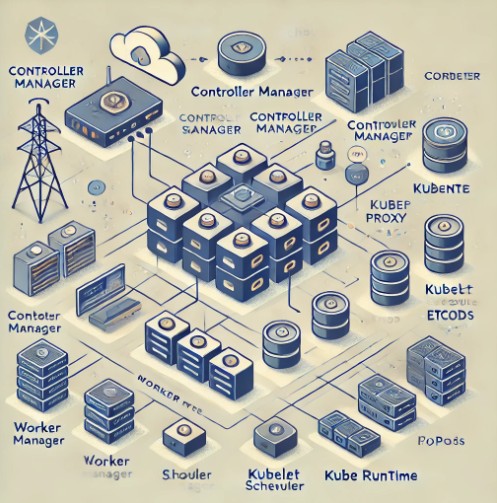
Resolve Certificate Expiration Issues in Kubernetes A Deep Guide

Introduction

In the world of Kubernetes, certificates are the linchpin that holds the secure communication between various cluster components together. However, these certificates are not perpetual; they come with an expiration date. When these certificates expire, it can lead to a cascade of failures across your cluster, affecting everything from component communication to service availability.

This deep guide is designed to equip you with the knowledge and tools needed to manage and resolve certificate expiration issues in Kubernetes effectively. We’ll start with the basics of certificate management and gradually move to advanced techniques, including automated renewal processes, monitoring, and best practices for maintaining your cluster’s security and integrity.

Understanding Certificate Expiration in Kubernetes

The Role of Certificates in Kubernetes

In Kubernetes, certificates are used to authenticate and encrypt communications between various components, such as the API server, kubelets, and etcd. Each of these components relies on certificates to verify that the entity they are communicating with is trustworthy.

Kubernetes primarily uses X.509 certificates, which are a standard format for public key infrastructure (PKI) certificates. These certificates include the public key, a validity period, and the identity of the certificate holder, all of which are crucial for establishing a secure connection.

The Lifespan of Kubernetes Certificates

Kubernetes certificates have a default validity period, usually set to one year for internal components when generated by tools like kubeadm. However, this period can vary depending on how the certificates are issued and managed. Once a certificate reaches its expiration date, it becomes invalid, causing the associated Kubernetes component to fail in establishing secure connections.

Consequences of Expired Certificates

An expired certificate in Kubernetes can lead to several issues:

  • API Server Inaccessibility: The API server might reject requests from kubelets, controllers, and other components if their certificates have expired.
  • Node Failures: Nodes may fail to join the cluster or communicate with the control plane, leading to outages.
  • Service Downtime: Applications running within the cluster may face disruptions as components fail to authenticate or establish secure connections.

Identifying Certificate Expiration Issues

Checking Expiration Dates with kubeadm

Kubernetes provides tools to check the status of your certificates. If you’re using kubeadm, you can quickly check the expiration dates of all certificates with the following command:

sudo kubeadm certs check-expiration

This command lists all the certificates along with their expiration dates, allowing you to see which ones are nearing expiration and need renewal.

Manually Inspecting Certificates

For more control, you can manually inspect certificates stored in the /etc/kubernetes/pki directory using openssl:

openssl x509 -in /etc/kubernetes/pki/apiserver.crt -noout -enddate

This command will output the expiration date of the specified certificate, giving you a clear picture of when it will expire.

Monitoring Certificate Expiration with Tools

To avoid surprises, it’s crucial to set up monitoring for your certificates. Tools like Prometheus and Grafana can be configured to alert you when a certificate is nearing its expiration date. Using the kube-state-metrics exporter, you can expose the certificate expiration information to Prometheus, which can then trigger alerts based on predefined thresholds.

Renewing Expired Certificates

Automatic Renewal with kubeadm

Kubernetes simplifies certificate management by offering automatic renewal features through kubeadm. By default, kubeadm automatically renews certificates 30 days before they expire. However, if you need to renew them manually or if the automatic process fails, you can use the following command:

sudo kubeadm certs renew all

This command renews all certificates managed by kubeadm, ensuring that your cluster components remain functional.

Restarting Components After Renewal

After renewing the certificates, it’s essential to restart the relevant Kubernetes components to apply the changes. For example, you can restart the kubelet service with:

sudo systemctl restart kubelet

Similarly, ensure that all other components, such as the API server, controller-manager, and scheduler, are restarted if their certificates are renewed.

Manual Renewal for Custom Certificates

If your cluster uses custom certificates not managed by kubeadm, you’ll need to manually renew them. This process involves generating new certificates using your Certificate Authority (CA) and replacing the expired certificates in the appropriate locations.

Steps to Manually Renew a Certificate:

  1. Generate a New Certificate:
    Use your CA to generate a new certificate and private key. Ensure that the certificate includes the correct subject names and validity period.
  2. Replace the Old Certificate:
    Replace the expired certificate and key in the relevant directory, usually /etc/kubernetes/pki.
  3. Update Configuration Files:
    Update the Kubernetes configuration files, such as kube-apiserver.yaml, to point to the new certificate and key.
  4. Restart Components:
    Restart the affected Kubernetes components to load the new certificate.

Handling etcd Certificates

The etcd database is critical to Kubernetes operations, and its certificates are just as vital. If etcd certificates expire, you may lose access to the cluster’s data store. Here’s how to renew etcd certificates:

  1. Generate New etcd Certificates:
    Use openssl or a similar tool to generate new certificates for etcd.
  2. Update the etcd Pods:
    Replace the expired certificates in the /etc/kubernetes/pki/etcd directory on each etcd node.
  3. Restart the etcd Pods:
    Restart the etcd pods to ensure they use the new certificates.
  4. Verify the Renewal:
    Check the logs of the etcd pods to confirm that they started successfully with the new certificates.

Automating Certificate Management with Cert-Manager

Introduction to Cert-Manager

Cert-Manager is a powerful Kubernetes add-on that automates the management and renewal of TLS certificates within a Kubernetes cluster. It supports multiple certificate authorities, including Let’s Encrypt, and can be used to manage both internal and external certificates.

Installing Cert-Manager

To get started with Cert-Manager, you’ll first need to install it on your cluster. Use the following commands to deploy Cert-Manager:

kubectl apply -f https://github.com/jetstack/cert-manager/releases/download/v1.7.1/cert-manager.yaml

Configuring Cert-Manager for Automatic Renewal

Once Cert-Manager is installed, you can configure it to automatically renew your Kubernetes certificates by creating a Certificate resource. Here’s an example of a Certificate resource configuration:

apiVersion: cert-manager.io/v1
kind: Certificate
metadata:
  name: example-cert
  namespace: default
spec:
  secretName: example-cert-tls
  issuerRef:
    name: letsencrypt-prod
    kind: ClusterIssuer
  commonName: example.com
  dnsNames:
  - example.com
  - www.example.com
  renewBefore: 30d

This configuration instructs Cert-Manager to renew the certificate 30 days before it expires, ensuring continuous secure communication within your cluster.

Advanced Cert-Manager Configuration

For more advanced setups, Cert-Manager can be configured to manage certificates across multiple namespaces or even across multiple clusters. This is particularly useful for large-scale deployments where different teams or services may require separate certificate management.

Using Issuers and ClusterIssuers

Cert-Manager distinguishes between Issuer and ClusterIssuer resources. An Issuer is namespace-scoped, meaning it can only issue certificates within a specific namespace. In contrast, a ClusterIssuer is cluster-scoped and can issue certificates for any namespace within the cluster.

To create a ClusterIssuer, use the following YAML configuration:

apiVersion: cert-manager.io/v1
kind: ClusterIssuer
metadata:
  name: letsencrypt-prod
spec:
  acme:
    server: https://acme-v02.api.letsencrypt.org/directory
    email: user@example.com
    privateKeySecretRef:
      name: letsencrypt-prod-private-key
    solvers:
    - http01:
        ingress:
          class: nginx

This ClusterIssuer is configured to use Let’s Encrypt’s ACME protocol for automatic certificate management and renewal.

Best Practices for Managing Kubernetes Certificates

Regularly Monitor Expiration Dates

Even with automation tools like Cert-Manager, it’s crucial to regularly monitor the expiration dates of your certificates. Set up alerts in your monitoring system to notify you when certificates are nearing expiration.

Automate Where Possible

Leverage tools like kubeadm and Cert-Manager to automate the renewal process. Automation reduces the risk of human error and ensures that your cluster remains secure without requiring constant manual intervention.

Maintain Backups of Certificates

Always keep backups of your certificates and keys, especially before making any changes or renewals. This ensures that you can quickly recover if something goes wrong during the renewal process.

Use Shorter Expiration Periods

Consider using shorter expiration periods for certificates to enforce regular renewal cycles. This practice can enhance security by ensuring that certificates are regularly updated with the latest cryptographic standards.

FAQs

What are the risks of expired certificates in Kubernetes?

Expired certificates can lead to communication failures between Kubernetes components, causing nodes to become inaccessible, services to go down, and potentially leaving your cluster vulnerable to security threats.

Can I use Cert-Manager to manage all certificates in my Kubernetes cluster?

Yes, Cert-Manager can manage both internal and external certificates within a Kubernetes cluster. It supports a wide range of certificate authorities and can automate the renewal process.

How often should I check my Kubernetes certificates?

It’s recommended to check your Kubernetes certificates at least once a week or set up automated monitoring and alerts to notify you as certificates approach their expiration dates.

What should I do if kubeadm fails to renew certificates?

If kubeadm fails to renew certificates automatically, you can manually renew them using the kubeadm certs renew all command. Ensure that all relevant components are restarted after renewal.

Is there a way to prevent certificate expiration issues in Kubernetes altogether?

While you can’t entirely prevent certificates from expiring, you can mitigate the risks by automating the renewal process, regularly monitoring expiration dates, and using tools like Cert-Manager for advanced certificate management.

Conclusion

Certificate management is a critical aspect of maintaining a secure and reliable Kubernetes cluster. By understanding the nuances of certificate expiration, leveraging tools like kubeadm Cert-Manager, and following best practices, you can ensure that your cluster remains operational and secure. This deep guide has provided you with a comprehensive overview of how to resolve certificate expiration issues in Kubernetes, from basic renewal steps to advanced automation techniques. With this knowledge, you can confidently manage your Kubernetes certificates and avoid the pitfalls of expired certificates. Thank you for reading the DevopsRoles page!

How to Install CRD on Kubernetes: A Comprehensive Guide

Introduction

Custom Resource Definitions (CRDs) are a powerful feature in Kubernetes that allow you to extend the Kubernetes API to create your own custom resources. This guide will walk you through the process How to Install CRD on Kubernetes cluster, from basic concepts to advanced usage.

What is a CRD in Kubernetes?

A Custom Resource Definition (CRD) allows you to define custom resources in Kubernetes. These resources are extensions of the Kubernetes API that can be managed through kubectl and used alongside built-in resources like Pods and Services.

Why Use CRDs?

CRDs are essential for extending Kubernetes capabilities without modifying the core code. They enable you to create custom workflows and automate complex processes, enhancing the functionality of your Kubernetes environment.

Pre-requisites

Before installing CRDs, ensure you have the following:

  • A running Kubernetes cluster
  • kubectl configured to interact with your cluster
  • Basic understanding of Kubernetes concepts

Step-by-Step Guide: How to Install CRD on Kubernetes

Method 1: Using kubectl

This method involves creating and applying a CRD manifest using kubectl.

Create a CRD Manifest:

apiVersion: apiextensions.k8s.io/v1
kind: CustomResourceDefinition
metadata:
  name: myresources.mycompany.com
spec:
  group: mycompany.com
  versions:
    - name: v1
      served: true
      storage: true
      schema:
        openAPIV3Schema:
          type: object
          properties:
            spec:
              type: object
              properties:
                field1:
                  type: string
                field2:
                  type: integer
  scope: Namespaced
  names:
    plural: myresources
    singular: myresource
    kind: MyResource
    shortNames:
      - mr

Apply the CRD Manifest:

kubectl apply -f crd.yaml

Verify the CRD Installation:

kubectl get crds

Method 2: Using a Helm Chart

Helm charts can simplify the installation and management of CRDs.

  1. Create a Helm Chart Directory Structure:
    • helm create my-crd-chart
  2. Add CRD Manifest to the Helm Chart: Place your CRD manifest in the crds directory of your Helm chart.
  3. Install the Helm Chart:
    • helm install my-crd-release ./my-crd-chart
  4. Verify the Installation:
    • kubectl get crds

Advanced CRD Configurations

Versioning CRDs

Versioning allows you to manage multiple versions of your custom resources.

Add Version Information to the CRD:

versions:
  - name: v1
    served: true
    storage: true
  - name: v2
    served: true
    storage: false

Upgrade the CRD:

kubectl apply -f crd-v2.yaml

Validation with OpenAPIv3 Schemas

Schema validation ensures that custom resources conform to a specified structure.

Define an OpenAPIv3 Schema in the CRD:

schema:
  openAPIV3Schema:
    type: object
    properties:
      spec:
        type: object
        properties:
          field1:
            type: string
          field2:
            type: integer

Apply the Updated CRD:

kubectl apply -f crd-with-schema.yaml

Custom Controllers

Custom controllers automate the management of custom resources.

  1. Write a Custom Controller: Use a framework like Kubebuilder or Operator SDK to create a controller.
  2. Deploy the Controller:
    • kubectl apply -f controller-deployment.yaml
  3. Monitor the Controller:
    • kubectl logs -f deployment/my-controller

Troubleshooting CRDs

If your CRDs are not working as expected, follow these steps:

  1. Check CRD Status:
    • kubectl get crds
  2. Inspect Resource Instances:
    • kubectl get myresources.mycompany.com
  3. Review Controller Logs:
    • kubectl logs -f deployment/my-controller

Frequently Asked Questions

How do I update an existing CRD?

To update a CRD, modify the manifest, and apply it using kubectl apply -f crd.yaml

Can I delete a CRD?

Yes, you can delete a CRD using kubectl delete crd myresources.mycompany.com

How do I handle CRD versioning?

You can manage CRD versions by adding multiple versions in the CRD manifest and specifying which versions are served and stored.

Conclusion

Installing and managing CRDs on Kubernetes is a powerful way to extend the platform’s functionality. By following this comprehensive guide, you can create, configure, and troubleshoot CRDs effectively. Whether you are using Kubectl or Helm, this guide provides you with the necessary steps to enhance your Kubernetes environment with custom resources.

Enhance your Kubernetes capabilities today by installing CRDs and automating complex workflows with custom controllers. Thank you for reading the DevopsRoles page!

How to Install CoreDNS on Kubernetes: A Comprehensive Guide

Introduction

CoreDNS is a flexible and extensible DNS server that can serve as the DNS server for Kubernetes clusters. As Kubernetes relies heavily on DNS for service discovery, having a robust DNS solution like CoreDNS is essential. This guide will walk you through the process of how to install CoreDNS on Kubernetes cluster, from basic setup to advanced configurations.

What is CoreDNS?

CoreDNS is a DNS server that is flexible, extensible, and written in Go. It is used for service discovery in Kubernetes clusters and can serve as the cluster DNS, allowing pods to resolve services by name.

Why Use CoreDNS in Kubernetes?

CoreDNS provides a more flexible and scalable DNS solution compared to traditional DNS servers. It is designed to work seamlessly with Kubernetes, offering features such as:

  • Service Discovery: Automatically resolves services within the cluster.
  • Scalability: Handles large-scale DNS queries efficiently.
  • Customization: Easily configurable through its Corefile.

Pre-requisites

Before installing CoreDNS, ensure you have the following:

  • A running Kubernetes cluster
  • kubectl configured to interact with your cluster
  • Basic understanding of Kubernetes and DNS

Step-by-Step Guide to Install CoreDNS on Kubernetes

Method 1: Using kubeadm

Kubeadm is a tool that simplifies the process of setting up a Kubernetes cluster. It can automatically deploy CoreDNS during the cluster setup.

  1. Initialize the Cluster:
    • kubeadm init --pod-network-cidr=10.244.0.0/16
  2. Install a Pod Network Add-on:
    • kubectl apply -f https://raw.githubusercontent.com/coreos/flannel/master/Documentation/kube-flannel.yml
  3. Verify CoreDNS Deployment:
    • kubectl get pods -n kube-system -l k8s-app=kube-dns

Method 2: Installing Manually

If you are not using kubeadm, you can manually deploy CoreDNS using Kubernetes manifests.

  1. Download CoreDNS Deployment Manifests:
    • wget https://raw.githubusercontent.com/coredns/deployment/master/kubernetes/coredns.yaml.sed
  2. Apply the Manifests:
    • kubectl apply -f coredns.yaml.sed
  3. Verify Deployment:
    • kubectl get pods -n kube-system -l k8s-app=kube-dns

Advanced CoreDNS Configuration

Customizing the Corefile

The Corefile is the configuration file for CoreDNS, and it defines how DNS queries are handled.

Edit the Corefile ConfigMap:

kubectl -n kube-system edit configmap coredns

Add Custom Entries:

.:53 {
    errors
    health
    kubernetes cluster.local in-addr.arpa ip6.arpa {
        pods insecure
        fallthrough in-addr.arpa ip6.arpa
    }
    prometheus :9153
    forward . /etc/resolv.conf
    cache 30
    loop
    reload
    loadbalance
}

Integrating with External DNS

To forward queries to external DNS servers, modify the forward directive in the Corefile.

  1. Update the Corefile:
    • forward . 8.8.8.8 8.8.4.4
  2. Apply the Changes:
    • kubectl -n kube-system rollout restart deployment coredns

Enabling Logging

Enable logging for debugging purposes.

Add the Log Plugin to the Corefile:

.:53 {
    errors
    log
    ...
}

Apply the Changes: kubectl -n kube-system rollout restart deployment coredns

Troubleshooting CoreDNS

If CoreDNS is not functioning as expected, follow these troubleshooting steps:

  1. Check Pod Status:
    • kubectl get pods -n kube-system -l k8s-app=kube-dns
  2. Inspect Logs:
    • kubectl logs -n kube-system -l k8s-app=kube-dns
  3. Verify ConfigMap:
    • kubectl -n kube-system get configmap coredns -o yaml

Frequently Asked Questions

How do I check if CoreDNS is working?

You can use the kubectl exec command to run a DNS query from within a pod:

kubectl exec -it <pod-name> -- nslookup kubernetes.default

Can I customize the DNS settings for specific namespaces?

Yes, you can use the kubernetes plugin in the Corefile to specify different DNS settings for different namespaces.

What are the recommended DNS servers to forward queries to?

Google DNS servers (8.8.8.8, 8.8.4.4) are commonly used, but you can use any reliable external DNS servers.

Conclusion

Installing CoreDNS on Kubernetes is a crucial step in ensuring efficient and reliable DNS resolution within your cluster. By following this comprehensive guide, you can set up CoreDNS, customize its configuration, and troubleshoot common issues. CoreDNS’s flexibility and scalability make it an excellent choice for managing DNS in Kubernetes environments.

Enhance your Kubernetes cluster’s DNS capabilities today by installing and configuring CoreDNS, and enjoy seamless service discovery and network performance. Thank you for reading the DevopsRoles page!

How to Install tcpdump in Kubernetes Pod: A Comprehensive Guide

Introduction

Kubernetes has become the go-to solution for deploying, scaling, and managing containerized applications. However, troubleshooting network issues within Kubernetes can be challenging. That’s where tools like tcpdump come in handy. How to Install tcpdump in Kubernetes Pod, providing you with the necessary steps and tips to enhance your network troubleshooting capabilities.

What is tcpdump?

Tcpdump is a powerful command-line packet analyzer tool that allows users to capture and analyze network traffic. It is widely used for network troubleshooting and security auditing.

Why Use tcpdump in Kubernetes?

Kubernetes abstracts away much of the underlying network complexity, making it harder to diagnose network issues. Using tcpdump in a Kubernetes pod helps in capturing network traffic, analyzing communication between pods, and identifying potential issues.

Pre-requisites

Before you begin, ensure you have the following:

  • A running Kubernetes cluster
  • kubectl configured to interact with your cluster
  • Basic understanding of Kubernetes and Docker

Step-by-Step Guide How to install tcpdump in kubernetes pod

Method 1: Using kubectl exec

This method involves installing tcpdump directly in a running pod using kubectl exec.

  1. Identify the Pod: kubectl get pods
  2. Install tcpdump:
    • kubectl exec -it <pod-name> -- apt-get update
    • kubectl exec -it <pod-name> -- apt-get install -y tcpdump
  3. Verify Installation:
    • kubectl exec -it <pod-name> -- tcpdump --version

Method 2: Building a Custom Docker Image

This method involves creating a custom Docker image with tcpdump pre-installed.

Create a Dockerfile:

FROM ubuntu:latest
RUN apt-get update && apt-get install -y tcpdump

Build the Docker Image:

docker build -t my-tcpdump-image .

Deploy the Pod Using the Custom Image:

apiVersion: v1
kind: Pod
metadata:
  name: tcpdump-pod
spec:
  containers:
    - name: tcpdump-container
      image: my-tcpdump-image
      command: ["/bin/sh"]
      args: ["-c", "while true; do sleep 30; done;"]

kubectl apply -f tcpdump-pod.yaml

Method 3: Using Init Containers

This method uses init containers to install tcpdump before the main container starts.

Define the Pod with Init Container:

apiVersion: v1
kind: Pod
metadata:
  name: tcpdump-pod
spec:
  initContainers:
  - name: install-tcpdump
    image: ubuntu:latest
    command:
    - sh
    - -c
    - apt-get update && apt-get install -y tcpdump
    volumeMounts:
    - name: tcpdump-bin
      mountPath: /tcpdump
  containers:
  - name: main-container
    image: your-application-image
    volumeMounts:
    - name: tcpdump-bin
      mountPath: /usr/local/bin
      subPath: tcpdump
  volumes:
  - name: tcpdump-bin
    emptyDir: {}

Deploy the Pod: kubectl apply -f tcpdump-pod.yaml

Advanced Usage of tcpdump in Kubernetes

Filtering Packets

To capture specific packets, use filters:

 kubectl exec -it <pod-name> -- tcpdump -i eth0 port 80

Saving and Reading Captured Data

Save captured packets to a file:

 kubectl exec -it <pod-name> -- tcpdump -i eth0 -w /tmp/capture.pcap

Read the saved capture file:

kubectl cp <pod-name>:/tmp/capture.pcap ./capture.pcap 
tcpdump -r capture.pcap

Analyzing Captured Data

Use tools like Wireshark for detailed analysis of the captured data:

 wireshark capture.pcap

Frequently Asked Questions

Can I install tcpdump on all pods in a namespace?

Yes, you can use a DaemonSet to deploy tcpdump across all nodes, ensuring all pods can have tcpdump available.

Is it safe to run tcpdump in a production environment?

Running tcpdump can consume resources and potentially expose sensitive data. It’s advisable to use it in a controlled and monitored manner.

How do I capture traffic between two specific pods?

You can use tcpdump to filter traffic between specific IP addresses or ports:

 kubectl exec -it <pod-name> -- tcpdump -i eth0 src <source-ip> and dst <destination-ip>

Conclusion

Installing tcpdump in a Kubernetes pod is a powerful way to troubleshoot and analyze network traffic within your cluster. Whether you choose to use kubectl exec, build a custom Docker image, or utilize init containers, each method has its own advantages. By following the steps outlined in this guide, you can ensure that you have the necessary tools to diagnose and resolve network issues efficiently.

Enhance your Kubernetes troubleshooting toolkit today by installing tcpdump and gain deeper insights into your network traffic. Thank you for reading the DevopsRoles page!

How to Install Prometheus on Kubernetes

Introduction

Monitoring Kubernetes clusters efficiently is crucial for maintaining the health and performance of your applications. Prometheus, a powerful open-source monitoring and alerting toolkit, is the go-to solution for many Kubernetes administrators. In this guide, we will walk you through how to install Prometheus on Kubernetes. We will start with the basics and then move on to more advanced configurations.

Prerequisites

Before we begin, ensure you have the following:

  • A Kubernetes cluster up and running
  • kubectl command-line tool configured to communicate with your cluster
  • Basic understanding of Kubernetes concepts

Step 1: Setting Up Prometheus using Helm

What is Helm?

Helm is a package manager for Kubernetes that helps in managing Kubernetes applications. It uses a packaging format called charts, which are a collection of files that describe a related set of Kubernetes resources.

Installing Helm

First, you need to install Helm. Follow the instructions for your operating system from the official Helm documentation.

Adding the Prometheus Community Helm Repository

helm repo add prometheus-community https://prometheus-community.github.io/helm-charts
helm repo update

Installing Prometheus

helm install prometheus prometheus-community/prometheus

This command will deploy Prometheus in your Kubernetes cluster with the default configuration. You can check the status of the deployment using:

kubectl get pods -l "release=prometheus"

Step 2: Configuring Prometheus

Customizing the Prometheus Configuration

Helm allows you to customize the installation using values files. Create a values.yaml file to specify your custom configurations.

# values.yaml
alertmanager:
enabled: true
server:
persistentVolume:
enabled: true
size: 10Gi

Applying the Custom Configuration

helm upgrade --install prometheus prometheus-community/prometheus -f values.yaml

Step 3: Exposing Prometheus

Using a NodePort Service

To access Prometheus from outside the cluster, you can use a NodePort service.

# prometheus-service.yaml
apiVersion: v1
kind: Service
metadata:
name: prometheus-service
spec:
type: NodePort
ports:
- port: 9090
targetPort: 9090
nodePort: 30000
selector:
app: prometheus

Apply the service:

kubectl apply -f prometheus-service.yaml

Using Ingress

Alternatively, you can expose Prometheus using an Ingress resource.

# prometheus-ingress.yaml
apiVersion: networking.k8s.io/v1
kind: Ingress
metadata:
name: prometheus-ingress
spec:
rules:
- host: prometheus.example.com
http:
paths:
- path: /
pathType: Prefix
backend:
service:
name: prometheus-service
port:
number: 9090

Apply the ingress:

kubectl apply -f prometheus-ingress.yaml

Ensure you have an Ingress controller running in your cluster and update your DNS settings to point to the Ingress controller’s external IP.

Step 4: Monitoring Kubernetes with Prometheus

Deploying the Kubernetes Metrics Server

Prometheus uses metrics exposed by the Kubernetes Metrics Server for monitoring.

kubectl apply -f https://github.com/kubernetes-sigs/metrics-server/releases/latest/download/components.yaml

Configuring Prometheus to Scrape Metrics

Edit the Prometheus configuration to scrape the Kubernetes metrics:

# values.yaml
serverFiles:
prometheus.yml:
scrape_configs:
- job_name: 'kubernetes-nodes'
kubernetes_sd_configs:
- role: node

Apply the configuration:

helm upgrade --install prometheus prometheus-community/prometheus -f values.yaml

Step 5: Setting Up Alerts

Configuring Alertmanager

Alertmanager handles alerts sent by Prometheus. Configure Alertmanager in the values.yaml file:

alertmanager:
config:
global:
resolve_timeout: 5m
route:
receiver: 'email'
receivers:
- name: 'email'
email_configs:
- to: 'your-email@example.com'
from: 'prometheus@example.com'

Apply the configuration:

helm upgrade --install prometheus prometheus-community/prometheus -f values.yaml

Step 6: Advanced Prometheus Configurations

Using Persistent Storage

Prometheus requires persistent storage to retain data across restarts. Configure a persistent volume in values.yaml:

server:
persistentVolume:
enabled: true
size: 50Gi
storageClass: standard

Apply the configuration:

helm upgrade --install prometheus prometheus-community/prometheus -f values.yaml

Securing Prometheus

Enable authentication and HTTPS for Prometheus using an Ingress controller with TLS:

# prometheus-ingress.yaml
apiVersion: networking.k8s.io/v1
kind: Ingress
metadata:
name: prometheus-ingress
spec:
tls:
- hosts:
- prometheus.example.com
secretName: prometheus-tls
rules:
- host: prometheus.example.com
http:
paths:
- path: /
pathType: Prefix
backend:
service:
name: prometheus-service
port:
number: 9090

Apply the configuration:

kubectl apply -f prometheus-ingress.yaml

Frequently Asked Questions

What is Prometheus?

Prometheus is an open-source systems monitoring and alerting toolkit originally built at SoundCloud. It is designed for reliability and scalability.

Why use Prometheus with Kubernetes?

Prometheus integrates seamlessly with Kubernetes, offering a powerful solution for monitoring and alerting on the performance and health of Kubernetes clusters.

How do I upgrade Prometheus in Kubernetes?

You can upgrade Prometheus using Helm with the following command:

helm upgrade prometheus prometheus-community/prometheus

How do I view Prometheus metrics?

Access the Prometheus UI via the service or Ingress URL configured earlier (e.g., http://prometheus.example.com)

Can I use Prometheus with Grafana?

Yes, Grafana is commonly used with Prometheus for visualizing metrics. You can add Prometheus as a data source in Grafana.

Conclusion

Installing Prometheus on Kubernetes is a straightforward process with Helm. By following this guide, you should have Prometheus up and running, monitoring your Kubernetes cluster effectively. With advanced configurations, you can tailor Prometheus to meet your specific needs, ensuring your cluster’s health and performance are always in check. Thank you for reading the DevopsRoles page!

How to Install ArgoCD on Kubernetes

Introduction

ArgoCD is a powerful continuous delivery tool for Kubernetes, enabling developers to automate the deployment of their applications. This guide will walk you through the steps to install ArgoCD on Kubernetes, covering basic installation to advanced configurations. By the end of this tutorial, you’ll have a fully functional ArgoCD instance running on your Kubernetes cluster.

What is ArgoCD?

ArgoCD is a declarative, GitOps continuous delivery tool for Kubernetes. It automates the deployment of the desired application state as defined in a Git repository. ArgoCD continuously monitors running applications and compares the current, live state against the desired target state. When the live state deviates from the target state, ArgoCD can automatically or manually synchronize it.

Prerequisites

Before we begin, ensure you have the following prerequisites:

  • A running Kubernetes cluster (v1.18+)
  • kubectl installed and configured to interact with your cluster
  • Helm installed on your local machine

Step 1: Install ArgoCD

1.1 Create a Namespace for ArgoCD

First, create a namespace for ArgoCD to keep its resources isolated:

kubectl create namespace argocd

1.2 Install ArgoCD Using Kubectl

You can install ArgoCD by applying the official ArgoCD manifests:

kubectl apply -n argocd -f https://raw.githubusercontent.com/argoproj/argo-cd/stable/manifests/install.yaml

1.3 Verify the Installation

Check if all ArgoCD pods are running:

kubectl get pods -n argocd

You should see something like this:

NAME                                      READY   STATUS    RESTARTS   AGE
argocd-application-controller-0 1/1 Running 0 2m
argocd-dex-server-847f8bc98c-dkj5d 1/1 Running 0 2m
argocd-redis-64c69757cf-jdksl 1/1 Running 0 2m
argocd-repo-server-6b6d9d8d85-rfkl9 1/1 Running 0 2m
argocd-server-5b6d9d8d85-vn9ms 1/1 Running 0 2m

Step 2: Access the ArgoCD UI

2.1 Expose the ArgoCD API Server

To access the ArgoCD UI, you’ll need to expose the ArgoCD API server using a service type that suits your needs. For simplicity, we’ll use a LoadBalancer service:

kubectl patch svc argocd-server -n argocd -p '{"spec": {"type": "LoadBalancer"}}'

2.2 Get the Initial Admin Password

Retrieve the initial admin password, which is auto-generated and stored in a Kubernetes secret:

kubectl get secret argocd-initial-admin-secret -n argocd -o jsonpath="{.data.password}" | base64 --decode

2.3 Open the ArgoCD UI

Find the external IP address of the ArgoCD API server:

kubectl get svc -n argocd

Look for the argocd-server service and note the EXTERNAL-IP. Open your browser and navigate to https://<EXTERNAL-IP>. Log in with the username admin and the password you retrieved in the previous step.

Step 3: Configure ArgoCD

3.1 Connect ArgoCD to a Git Repository

ArgoCD uses Git repositories as the source of truth for application definitions. To connect ArgoCD to your Git repository, follow these steps:

  1. Navigate to the ArgoCD UI.
  2. Click on Settings > Repositories > Connect Repo.
  3. Enter the repository URL and, if necessary, provide authentication details.

3.2 Create an Application in ArgoCD

To create an application:

  1. Click on New App.
  2. Fill in the application details:
    • Application Name: Name of your application.
    • Project: Default.
    • Sync Policy: Automatic or Manual.
    • Repository URL: URL of your Git repository.
    • Revision: Branch to track (e.g., main).
    • Path: Path within the repository where the Kubernetes manifests are located.
    • Cluster: The Kubernetes cluster where the application will be deployed.
    • Namespace: Namespace in the cluster where the application will be deployed.
  3. Click Create.

Advanced Configurations

4.1 Set Up RBAC

ArgoCD supports Role-Based Access Control (RBAC) to restrict access to certain features and resources. To configure RBAC:

  1. Create a ConfigMap named argocd-rbac-cm in the argocd namespace.
  2. Define roles and policies in the ConfigMap:
apiVersion: v1
kind: ConfigMap
metadata:
name: argocd-rbac-cm
namespace: argocd
data:
policy.csv: |
g, admin, role:admin
g, developer, role:developer
policy.default: role:readonly
scopes: '[groups]'

4.2 Customize the UI

You can customize the ArgoCD UI by modifying the argocd-cm ConfigMap:

apiVersion: v1
kind: ConfigMap
metadata:
name: argocd-cm
namespace: argocd
data:
ui.banner: "Welcome to ArgoCD!"
ui.theme: "dark"

Apply the changes:

kubectl apply -f argocd-cm.yaml

4.3 Enable SSO

ArgoCD supports Single Sign-On (SSO) with various identity providers like OAuth2, OIDC, SAML, and LDAP. To enable SSO:

  1. Create a secret with your identity provider’s credentials.
  2. Update the argocd-cm ConfigMap with the SSO configuration.

For example, to configure OIDC:

apiVersion: v1
kind: ConfigMap
metadata:
name: argocd-cm
namespace: argocd
data:
oidc.config: |
name: Okta
issuer: https://<your-okta-domain>/oauth2/default
clientID: <your-client-id>
clientSecret: $oidc.clientSecret

Create the secret with the client’s secret:

kubectl create secret generic argocd-secret -n argocd --from-literal=oidc.clientSecret=<your-client-secret>

Troubleshooting

5.1 Common Issues and Solutions

  • Issue: Unable to access the ArgoCD UI.
    • Solution: Ensure the argocd-server service is of type LoadBalancer and has an external IP address.
  • Issue: Application sync failures.
    • Solution: Check the application logs and ensure that the repository path and branch are correct.
  • Issue: Authentication failures.
    • Solution: Verify the credentials and configuration for the Git repository and identity provider.

FAQs

What is ArgoCD?

ArgoCD is a declarative, GitOps continuous delivery tool for Kubernetes that automates the deployment of applications.

How do I install ArgoCD on Kubernetes?

You can install ArgoCD by applying the official manifests provided by ArgoCD, creating a namespace for it, and verifying the installation with kubectl.

How do I access the ArgoCD UI?

You can access the ArgoCD UI by exposing the argocd-server service as a LoadBalancer and navigating to the external IP address in your browser.

How do I connect ArgoCD to my Git repository?

You can connect ArgoCD to your Git repository by navigating to the ArgoCD UI, adding the repository under settings, and providing the necessary authentication details.

Conclusion

Installing ArgoCD on Kubernetes is a straightforward process that involves creating a namespace, applying the installation manifests, and configuring access to the UI. With ArgoCD, you can automate the deployment of your applications, ensuring a consistent and reliable delivery process. By following this guide, you should now have a functional ArgoCD setup and be ready to leverage its powerful features to manage your Kubernetes applications effectively. Thank you for reading the DevopsRoles page!