Tag Archives: Machine Learning

Introduction to Python AI: Your Gateway to Revolutionary Insights

Python AI. In the rapidly evolving landscape of technology, Python’s role in artificial intelligence (AI) development has become more crucial than ever. Known for its simplicity and flexibility, Python has emerged as the go-to language for AI enthusiasts and professionals aiming to push the boundaries of what’s possible. This guide presents seven revolutionary insights into Python AI, designed to equip you with the knowledge to unleash its full potential.

Why Python for AI?

Python’s readability and straightforward syntax have made it particularly appealing for AI development. Its extensive support from a vibrant community and compatibility with numerous AI and machine learning (ML) libraries allow for seamless integration and scalable solutions.

Key Python Libraries for AI

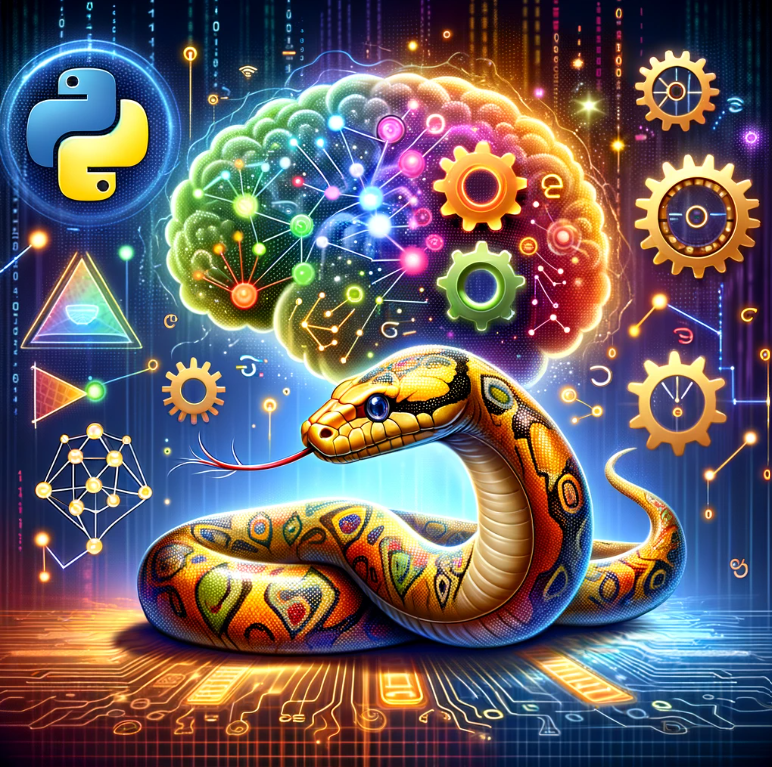
The power of Python in AI comes from its extensive libraries:

  • NumPy & Pandas: Essential for data manipulation and analysis.
  • Scikit-learn: A fundamental toolkit for data mining and analysis.
  • TensorFlow & PyTorch: Advanced libraries for building and training neural networks in deep learning projects.

Embarking on Python AI Projects

Starting with Python AI projects can seem daunting, yet, by focusing on basic projects such as spam detection or simple recommendation systems, beginners can gradually build confidence and skills, paving the way to tackle more complex challenges.

Leveraging Python AI in Data Analysis

Python excels in data analysis, providing a robust foundation for AI models that rely on data insights for prediction and decision-making. Its data handling capabilities ensure AI projects are built on accurate and insightful analyses.

Mastering Machine Learning with Python

With libraries like Scikit-learn, Python offers an accessible path to developing machine learning models. From regression to clustering, Python simplifies the journey from data processing to model training and evaluation.

Exploring Deep Learning with Python

For deep learning enthusiasts, Python’s TensorFlow and PyTorch libraries offer cutting-edge tools. Whether you’re designing neural networks or implementing NLP models, Python is the bridge to advanced AI solutions.

Overcoming Challenges in Python AI

Despite its advantages, Python AI development is not without challenges. From data quality issues to the computational demands of training models, developers must navigate these hurdles with continuous learning and innovative thinking.

Conclusion: Unleashing the Potential of Python AI

Python AI represents a fusion of accessibility and power, offering a platform for innovation in the AI space. As you delve into these seven insights, remember that the journey into Python AI is one of exploration and continuous learning. Whether you’re a novice taking your first steps or a seasoned professional seeking to expand your toolkit, Python AI opens up a world of possibilities. Embark on this journey today and be part of the revolution that’s shaping the future of technology. Thank you for reading the DevopsRoles page!

Top 10 free ai tools and Powerful AIs for Text, Art, and More!

Top 10 free AI tools Gems that are Both Powerful and Free for Bro’s Delight. Explore a curated list of the top 10 free AI tools that cater to various applications. From text processing to creative arts, these powerful tools empower users with cutting-edge artificial intelligence capabilities. Enhance your projects, streamline tasks, and unlock new possibilities with these versatile and accessible AI solutions.

Top 10 free AI tools

1. Bard (Google AI tools)

Bard, a Large Language Model (LLM), is trained on an extensive dataset of text and code. It excels in generating text, and language translation, creating various creative content, and providing comprehensive and informative answers.

2. ChatGPT

Developed by OpenAI, ChatGPT, based on the GPT-3 model, is versatile for tasks such as answering questions, generating text, language translation, crafting creative content, and engaging in user conversations.

3. Leonardor AI

A drawing AI tool from UC Berkeley, Leonardor AI produces realistic and creative artworks using a machine learning model trained on a vast dataset of images and videos, offering various artistic styles.

4. Pika AI

Another creation from UC Berkeley, Pika AI, leverages a machine learning model trained on text and code datasets. It excels in tasks like answering questions, generating text, language translation, and crafting creative content.

5. Rytr

Rytr is a text content creation app designed for crafting articles, emails, letters, and various other forms of textual content. With its user-friendly interface and advanced language generation capabilities, Rytr makes the process of writing effortless and efficient. Whether you’re a professional writer or someone looking to streamline your communication, Rytr provides a versatile platform for generating high-quality written content.

6. Grammarly

A grammar and spelling checker app, Grammarly enhances the quality of your text. Grammarly, an app dedicated to checking grammar and spelling, significantly elevates the quality of your written content. By seamlessly integrating into your writing process, Grammarly ensures not only grammatical accuracy but also enhances overall clarity and coherence. This powerful tool offers real-time suggestions, helping you refine your text and communicate more effectively. Whether you’re writing an email, crafting an article, or working on any other textual project, Grammarly is a reliable companion for writers of all levels. Improve your writing skills, polish your prose, and convey your message with precision using Grammarly.

7. Leaipix

Developed by researchers at the National University of Singapore, Leaipix utilizes a machine-learning model trained on a vast dataset of images and videos. It’s versatile for art drawing, illustration, graphic design, and creating content for social media.

8. Elevenlabs

An AI startup based in Singapore, Elevenlabs develops AI tools and services for businesses.

  • Elevenbot: An AI chatbot for customer service, sales support, and marketing.
  • Elevensense: An AI tool for data analysis and trend prediction.
  • Elevenview: An AI tool for creating creative images and videos.

9. Bing AI

Powered by the GPT-4 model, Bing AI, developed by Microsoft, excels at tasks such as answering questions, generating text, language translation, and creating diverse forms of creative written content.

10. Stable Diffusion

Developed by Stability AI, Stable Diffusion uses a machine learning model trained on a vast dataset of images and videos. It excels in artistic drawing, illustration, graphic design, and creating content for social media.

Conclusion

To use these AIs, access them online via a web browser or mobile app. Here are some tips for effective AI usage:

• Clearly define your needs.
• Provide comprehensive information to enable effective AI operation.
• Be patient; AI may take time to process information and produce results.
• Be creative; AI can help generate new and unique ideas.

I trust that these suggestions will improve your effective utilization of AI. Visit DevopsRoles.com for additional information, including a list of the top 10 free AI tools.