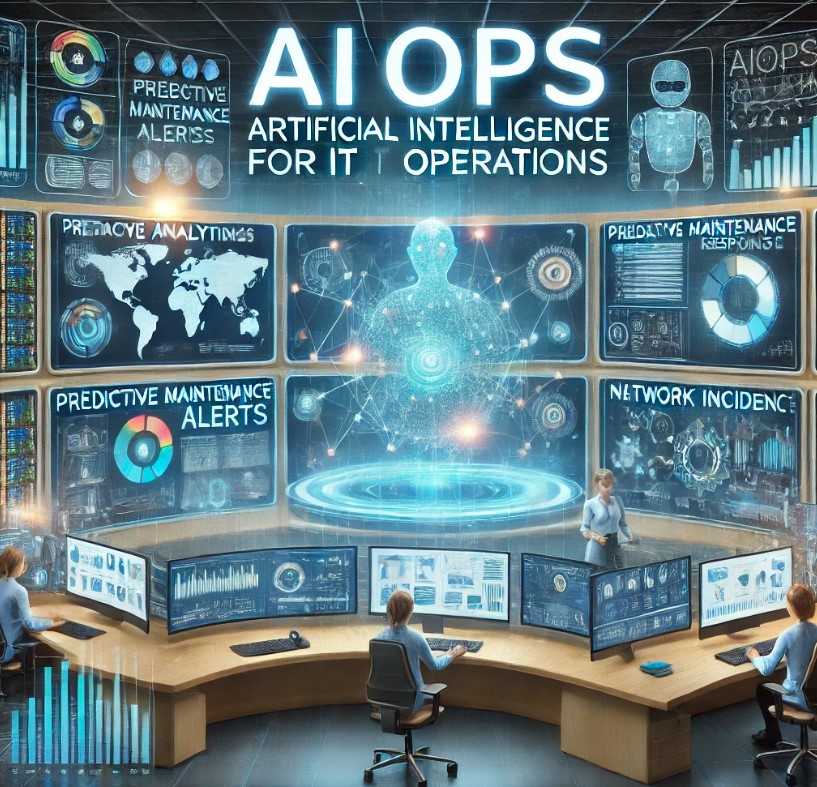
Tag Archives: AIOps

Deepseek AI: Unlocking the Power of AI-Driven Search

Introduction

In today’s digital landscape, artificial intelligence is revolutionizing how we access and analyze information. One of the most promising AI-driven search tools is Deepseek AI, a powerful technology designed to optimize search functionalities with machine learning and natural language processing (NLP). Whether you’re an individual researcher or a business leveraging AI for efficiency, it offers intelligent, context-aware search solutions.

This guide explores the features, practical applications, benefits, and frequently asked questions to help you leverage its full potential.

What is Deepseek AI?

It is an AI-powered search engine that enhances traditional search methodologies using deep learning and NLP algorithms. Unlike conventional search engines that rely solely on keyword matching, it understands context, intent, and semantics, providing more accurate and relevant results.

Key Features

  • Contextual Understanding – Goes beyond keyword matching to understand the intent behind queries.
  • AI-Powered Insights – Uses machine learning to improve search accuracy over time.
  • Multi-Language Support – Enables searches in multiple languages with high accuracy.
  • Customizable Search Experience – Users can fine-tune results based on specific needs.
  • Scalability – Works for individuals and businesses, adapting to different data sets.

How Deepseek AI Works

1. Data Collection and Processing

Deepseek AI aggregates data from various sources, including structured and unstructured datasets, before processing them using advanced NLP models.

2. Query Understanding

Instead of relying purely on keyword-based queries, Deepseek AI applies semantic search techniques to interpret user intent.

3. AI-Driven Ranking Algorithm

Once a query is processed, Deepseek AI ranks results based on relevance, context, and credibility rather than keyword frequency.

4. Machine Learning Adaptation

Over time, Deepseek AI learns from user interactions, improving its search result precision and relevance dynamically.

Applications of Deepseek AI

1. Academic Research

Deepseek AI helps researchers find relevant studies, papers, and journals by understanding complex academic queries.

2. E-Commerce & Product Search

Retail businesses use Deepseek AI to enhance product discovery, offering personalized recommendations based on customer behavior.

3. Enterprise Search Solutions

Companies integrate Deepseek AI for internal knowledge management, enabling employees to find crucial documents efficiently.

4. Healthcare & Medical Research

Medical professionals use Deepseek AI to analyze patient data, research medical cases, and stay updated with the latest studies.

5. Legal Industry

5. Legal Industry

Examples: How to Use Deepseek AI

Basic Search Example

A user looking for information on climate change can type:

“Impact of climate change on global agriculture.” Deepseek AI retrieves scientifically backed articles rather than generic blog posts.

Advanced Query Example

A data analyst searching for trends in cryptocurrency might use:

“Bitcoin price trend analysis from 2020-2024 with historical comparisons.” Deepseek AI generates relevant financial reports and predictive models instead of random web pages.

Business Use Case Example

A company looking for market trends can search:

“Top consumer behavior trends in e-commerce 2024.” Deepseek AI pulls insightful reports from trusted industry sources.

Benefits of Deepseek AI

  • Improved Search Accuracy – Delivers contextually relevant results.
  • Faster Information Retrieval – Reduces time spent filtering through irrelevant content.
  • Personalized Experience – Customizes results based on user intent and behavior.
  • Scalability – Works efficiently for individuals and enterprises alike.
  • Multi-Industry Use Cases – Applies across diverse fields like healthcare, law, research, and retail.

Frequently Asked Questions (FAQs)

1. Is Deepseek AI free to use?

Deepseek AI may offer both free and premium plans, depending on user needs and feature access.

2. How does Deepseek AI differ from Google Search?

Unlike Google, which prioritizes SEO-based ranking, Deepseek AI focuses on contextual understanding and semantic relevance.

3. Can businesses integrate Deepseek AI into their platforms?

Yes, Deepseek AI offers API solutions for seamless integration with business applications.

4. Does Deepseek AI support voice-based search?

Yes, it supports voice-based search, enabling users to find information using natural speech queries.

5. Is Deepseek AI secure for enterprise use?

Yes, it follows strict data protection and privacy standards, making it safe for business applications.

External Resources

For further exploration, check out these authoritative sources:

Conclusion

It is transforming how we interact with search engines by prioritizing context, accuracy, and user intent. Whether for academic research, business insights, or enterprise knowledge management, its AI-driven approach provides smarter and more relevant search results. As AI continues to evolve, it remains at the forefront of redefining search experiences.

By leveraging this technology, users can enhance productivity, gain deeper insights, and access high-quality information with minimal effort. If you’re looking for a next-generation search experience, it is a game-changer worth exploring. Thank you for reading the DevopsRoles page!

DeepSeek-R1 Models Now Available on AWS: A Comprehensive Guide

Introduction

The advent of DeepSeek-R1 models on AWS has opened new frontiers in artificial intelligence (AI), making it easier for businesses and developers to harness the power of deep learning with high performance and scalability. Whether you’re a data scientist, AI researcher, or enterprise seeking AI-driven solutions, AWS provides a robust and scalable infrastructure to deploy DeepSeek-R1 models efficiently.

This article explores DeepSeek-R1 models now available on AWS, their applications, setup processes, and practical use cases. We will also address frequently asked questions (FAQs) to ensure a smooth deployment experience.

What Are DeepSeek-R1 Models?

It is a state-of-the-art AI model designed for deep learning applications, excelling in tasks such as:

  • Natural Language Processing (NLP) – Chatbots, language translation, and text summarization.
  • Computer Vision – Image recognition, object detection, and automated image captioning.
  • Generative AI – AI-powered content generation and creative applications.
  • Predictive Analytics – AI-driven forecasting in finance, healthcare, and more.

With AWS, users can deploy these models seamlessly, benefiting from optimized compute power, managed AI services, and cost-efficient infrastructure.

Benefits of Deploying DeepSeek-R1 on AWS

1. Scalability & Performance

AWS offers scalable EC2 instances, Amazon SageMaker, and AWS Inferentia-powered instances, enabling users to run AI workloads efficiently.

2. Managed AI Services

AWS integrates with services like Amazon S3, AWS Lambda, and AWS Fargate to streamline data storage, model inference, and automation.

3. Cost-Optimization

Pay-as-you-go pricing with options like AWS Spot Instances and AWS Graviton processors reduces operational costs.

4. Security & Compliance

AWS provides end-to-end encryption, IAM (Identity and Access Management), and compliance with industry standards like HIPAA and GDPR.

Setting Up DeepSeek-R1 Models on AWS

1. Choosing the Right AWS Service

To deploy DeepSeek-R1, select an AWS service based on your requirements:

  • Amazon SageMaker – For fully managed model training and deployment.
  • EC2 Instances (GPU-powered) – For custom deployments.
  • AWS Lambda + API Gateway – For serverless AI inference.

2. Setting Up an AWS Environment

Follow these steps to configure your AWS environment:

  1. Create an AWS Account
  2. Set Up IAM Roles
    • Grant necessary permissions for EC2/SageMaker.
  3. Provision an EC2 Instance
    • Select an appropriate GPU instance (e.g., g4dn.xlarge).
  4. Install Dependencies
    • Set up TensorFlow/PyTorch with the following command:
      • pip install torch torchvision transformers boto3
  5. Download the DeepSeek-R1 Model
    • Fetch pre-trained models from an AI repository:
from transformers import AutoModel
model = AutoModel.from_pretrained("deepseek-r1")

6. Deploy on SageMaker – Use the SageMaker SDK to deploy models.

import sagemaker
from sagemaker.pytorch import PyTorchModel

model = PyTorchModel(model_data="s3://your-model-bucket/model.tar.gz", 
                     role="your-iam-role", framework_version="1.8.1")
predictor = model.deploy(instance_type="ml.g4dn.xlarge")

Use Cases and Examples

1. Text Summarization with DeepSeek-R1 on AWS Lambda

Deploying DeepSeek-R1 for text summarization using AWS Lambda:

import json
import boto3

def lambda_handler(event, context):
    input_text = event["text"]
    summary = deepseek_r1_summarize(input_text)  # Custom function
    return {
        "statusCode": 200,
        "body": json.dumps({"summary": summary})
    }

2. Image Classification with Amazon SageMaker

Using DeepSeek-R1 for image classification with SageMaker:

from sagemaker import get_execution_role
from sagemaker.tensorflow import TensorFlow

role = get_execution_role()
model = TensorFlow(entry_point="train.py", 
                   role=role, 
                   train_instance_type="ml.p2.xlarge")
model.fit({"train": "s3://your-bucket/train-data"})

FAQ Section

1. What are the hardware requirements for DeepSeek-R1 on AWS?

DeepSeek-R1 requires high-performance GPUs like NVIDIA A100/T4 or AWS Inferentia-based instances.

2. Can I deploy DeepSeek-R1 using AWS Lambda?

Yes, AWS Lambda supports lightweight AI inference tasks. However, for deep learning workloads, EC2 or SageMaker is recommended.

3. How do I optimize costs when deploying DeepSeek-R1?

  • Use Spot Instances for cost savings.
  • Leverage AWS Savings Plans for predictable workloads.
  • Choose AWS Inferentia-based instances for efficient AI inference.

4. Is there a free tier option for DeepSeek-R1 on AWS?

AWS Free Tier provides limited compute credits for SageMaker, but GPU-based workloads typically require a paid plan.

5. How do I scale DeepSeek-R1 workloads on AWS?

AWS provides Auto Scaling, Elastic Load Balancing, and Batch Processing via AWS Batch to handle high-demand AI applications.

External Resources

Conclusion

Deploying DeepSeek-R1 models on AWS provides unparalleled advantages in AI development, offering scalability, efficiency, and cost-effectiveness. With AWS’s extensive AI infrastructure, businesses can integrate AI capabilities seamlessly into their workflows. By leveraging Amazon SageMaker, EC2 GPU instances, and AWS Lambda, users can optimize model training and inference for various applications.

By following the guidelines in this article, you can successfully deploy and manage DeepSeek-R1 models on AWS, unlocking new AI possibilities for your organization. Thank you for reading the DevopsRoles page!

Using AI for DevOps: Transforming Software Development and Operations

Introduction

The convergence of Artificial Intelligence (AI) with DevOps is transforming how organizations approach software development and IT operations. AI-driven tools streamline workflows, automate repetitive tasks, and enhance system reliability, making DevOps more efficient and agile. This article explores how AI can revolutionize DevOps, from foundational concepts to advanced applications, guiding readers on leveraging AI for continuous delivery, system monitoring, predictive analytics, and more.

What is AI for DevOps?

AI for DevOps refers to the integration of artificial intelligence technologies within DevOps practices. This integration leverages machine learning (ML) algorithms, natural language processing (NLP), and data analytics to automate, optimize, and enhance software development, testing, deployment, and monitoring processes. By adopting AI, DevOps teams can predict issues, improve code quality, and respond to incidents more proactively.

How AI Enhances DevOps Processes

1. Automation of Repetitive Tasks

AI-powered automation reduces the workload on DevOps teams by handling repetitive tasks such as:

  • Code testing and bug detection
  • Continuous integration and deployment (CI/CD)
  • Infrastructure configuration and scaling

By automating these activities, teams can focus on strategic, value-driven initiatives instead of routine work.

2. Improved Incident Management

AI algorithms can detect anomalies in real-time, helping DevOps teams respond to incidents before they escalate. Using historical data, AI can predict when incidents are likely to occur and suggest preventive measures.

3. Enhanced Monitoring and Analytics

AI-driven monitoring tools provide continuous insights into system performance, user experience, and security metrics. These tools analyze vast amounts of data to detect patterns and alert teams to potential issues, minimizing downtime and optimizing resource allocation.

4. Predictive Analytics for Better Decision-Making

AI’s predictive capabilities empower DevOps teams to make data-driven decisions, using historical data to forecast:

  • System failures and performance degradation
  • Infrastructure demands and resource requirements
  • Security vulnerabilities and potential breaches

Popular AI Tools for DevOps

Several AI-powered tools have emerged to streamline DevOps processes. Here are some popular choices:

  1. Dynatrace – Offers real-time monitoring with AI-driven insights to predict and resolve issues quickly.
  2. Splunk – Analyzes machine data and provides insights into operational efficiency, security, and business metrics.
  3. AIOps from Moogsoft – Uses machine learning for event correlation, noise reduction, and incident prediction.
  4. DataRobot – Enables automated machine learning model building for predicting future system performance and identifying risks.
  5. New Relic – Monitors application performance and integrates AI for anomaly detection and trend analysis.

Examples of AI in DevOps: Basic to Advanced

To better understand the impact of AI in DevOps, here are some real-world examples:

Basic Example: Automated Testing and Error Detection

In a traditional DevOps setup, QA teams manually test code, which can be time-consuming. AI tools like Applitools automate testing by comparing visual elements, identifying errors, and alerting developers to issues in real-time.

Intermediate Example: Predictive Scaling in Cloud Environments

AI algorithms can analyze historical data and usage patterns to forecast infrastructure demand. For instance, AWS Auto Scaling can automatically adjust resource allocation based on AI-driven predictions, ensuring consistent performance without overprovisioning.

Advanced Example: Incident Response with Natural Language Processing (NLP)

By using NLP, AI can analyze past incident reports and recommend solutions for current issues. Tools like IBM Watson AIOps apply NLP to process historical logs, identify patterns, and provide solutions, reducing response time for recurring incidents.

Challenges in Implementing AI for DevOps

Despite its potential, incorporating AI into DevOps presents challenges:

  1. Data Privacy and Security: Leveraging AI requires substantial data, which may expose sensitive information if not handled properly.
  2. Complexity in Integration: Integrating AI tools into existing DevOps pipelines can be complex and requires technical expertise.
  3. High Initial Costs: AI tools often involve substantial setup and maintenance costs, which may not be feasible for small organizations.
  4. Skill Gaps: Teams may need additional training in AI and data science to maximize the technology’s benefits.

Overcoming these challenges requires a thoughtful approach, including proper planning, selecting the right tools, and investing in training.

Best Practices for AI-Enhanced DevOps

  1. Start Small and Scale Gradually
    Begin by integrating AI in one or two areas, such as automated testing or incident detection, then expand as the team gains confidence and experience.
  2. Prioritize Security and Data Governance
    Ensure all data used in AI applications complies with regulatory standards and is protected against unauthorized access.
  3. Invest in Continuous Learning
    Encourage team members to participate in AI and data science training programs to keep up with advancements and best practices.
  4. Regularly Monitor AI Models for Accuracy
    AI models should be reviewed periodically to ensure accuracy and relevance, particularly as software systems and user demands evolve.

Frequently Asked Questions

What is AI DevOps?

AI DevOps combines artificial intelligence technologies with DevOps practices to enhance efficiency, automation, and predictive capabilities in software development and IT operations.

Which are the best AI tools for DevOps?

Some of the best AI tools for DevOps include Dynatrace, Splunk, Moogsoft AIOps, DataRobot, and New Relic. These tools assist in areas like monitoring, predictive analytics, and incident management.

How does AI improve DevOps automation?

AI automates repetitive DevOps tasks such as testing, CI/CD, and incident monitoring, allowing teams to focus on innovation and reducing the potential for human error.

Are there any risks in implementing AI for DevOps?

Yes, challenges include data privacy concerns, integration complexity, high costs, and the need for specialized skills. Proper planning and governance can mitigate these risks.

Can AI predict system failures in DevOps?

Yes, predictive analytics in AI can forecast potential failures based on historical data, enabling proactive maintenance and reducing downtime.

Conclusion

The integration of AI into DevOps is paving the way for more efficient, reliable, and scalable software development processes. By automating routine tasks, improving monitoring, and enabling predictive capabilities, AI-driven DevOps empowers teams to deliver software faster and with greater precision. Although challenges like data privacy, costs, and skill gaps remain, the potential benefits make AI an invaluable asset in modern DevOps pipelines. As organizations embrace AI, they unlock new levels of agility, responsiveness, and resilience, positioning themselves for success in an increasingly digital world.

For more insights on how to implement AI for DevOps, explore additional resources from Dynatrace, AWS, and IBM Watson. Thank you for reading the DevopsRoles page!

GenAI Python: A Deep Dive into Building Generative AI with Python

Introduction

Generative AI (GenAI Python) is a revolutionary branch of artificial intelligence that has been making waves in various industries. From creating highly realistic images to generating human-like text, GenAI has numerous applications. Python, known for its simplicity and rich ecosystem of libraries, is one of the most powerful tools for building and implementing these AI models.

In this guide, we will explore GenAI in detail, from understanding the fundamentals to advanced techniques. Whether you’re new to the field or looking to deepen your expertise, this deep guide will provide you with everything you need to build generative models using Python.

What is Generative AI?

Generative AI refers to AI systems designed to create new content, whether it’s text, images, audio, or other types of data. Unlike traditional AI models that focus on classifying or predicting based on existing data, GenAI learns the underlying patterns in data and creates new, original content from those patterns.

Some key areas of Generative AI include:

  • Natural Language Generation (NLG): Automatically generating coherent text.
  • Generative Adversarial Networks (GANs): Creating realistic images, videos, or sounds.
  • Variational Autoencoders (VAEs): Learning the distribution of data and generating new samples.

Why Python for GenAI?

Python has emerged as the leading programming language for AI and machine learning for several reasons:

  1. Ease of Use: Python’s syntax is easy to read, making it accessible for beginners and advanced developers alike.
  2. Vast Library Ecosystem: Python boasts a rich collection of libraries for AI development, such as TensorFlow, PyTorch, Keras, and Hugging Face.
  3. Active Community: Python’s active community contributes regular updates, tutorials, and forums, ensuring developers have ample resources to solve problems.

Whether you’re working with neural networks, GANs, or language models, Python provides the right tools to develop and scale generative AI applications.

Getting Started with Generative AI in Python

Before diving into complex models, let’s start with the basics.

1. Setting Up the Environment

To start, you need Python installed on your system, along with some essential libraries. Here’s how you can set up a basic environment for Generative AI projects:

Installing Dependencies

pip install tensorflow keras numpy pandas matplotlib

These libraries will allow you to work with data, build models, and visualize results.

2. Simple Text Generation Example

To begin, let’s create a basic text generation model using Recurrent Neural Networks (RNNs), particularly LSTMs (Long Short-Term Memory networks). These networks are excellent at handling sequence data like text.

a. Preparing the Data

We’ll use a dataset of Shakespeare’s writings for this example. The goal is to train an AI model that can generate Shakespeare-like text.

import numpy as np
from tensorflow.keras.models import Sequential
from tensorflow.keras.layers import LSTM, Dense
from tensorflow.keras.utils import to_categorical

# Load your text data
text = open('shakespeare.txt').read().lower()
chars = sorted(list(set(text)))
char_to_idx = {c: i for i, c in enumerate(chars)}
idx_to_char = {i: c for i, c in enumerate(chars)}

# Prepare the dataset for training
seq_length = 100
X = []
Y = []
for i in range(0, len(text) - seq_length):
    seq_in = text[i:i + seq_length]
    seq_out = text[i + seq_length]
    X.append([char_to_idx[char] for char in seq_in])
    Y.append(char_to_idx[seq_out])

X = np.reshape(X, (len(X), seq_length, 1)) / float(len(chars))  # Normalize input
Y = to_categorical(Y)

b. Building the Model

We’ll build an RNN model with LSTM layers to learn the text sequences and generate new text.

model = Sequential()
model.add(LSTM(256, input_shape=(X.shape[1], X.shape[2])))
model.add(Dense(len(chars), activation='softmax'))

model.compile(loss='categorical_crossentropy', optimizer='adam')
model.fit(X, Y, epochs=30, batch_size=128)

c. Generating Text

After training the model, you can generate new text based on a seed input.

def generate_text(model, seed_text, num_chars):
    pattern = [char_to_idx[char] for char in seed_text]
    for i in range(num_chars):
        x = np.reshape(pattern, (1, len(pattern), 1))
        x = x / float(len(chars))
        prediction = model.predict(x, verbose=0)
        index = np.argmax(prediction)
        result = idx_to_char[index]
        seed_text += result
        pattern.append(index)
        pattern = pattern[1:]
    return seed_text

seed = "to be, or not to be, that is the question"
generated_text = generate_text(model, seed, 500)
print(generated_text)

This code generates 500 characters of new Shakespeare-style text based on the given seed.

Advanced Generative AI Techniques

Now that we’ve covered the basics, let’s move to more advanced topics in Generative AI.

1. Generative Adversarial Networks (GANs)

GANs have become one of the most exciting innovations in the field of AI. GANs consist of two neural networks:

  • Generator: Generates new data (e.g., images) based on random input.
  • Discriminator: Evaluates the authenticity of the data, distinguishing between real and fake.

Together, they work in a competitive framework where the generator gets better at fooling the discriminator, and the discriminator gets better at identifying real from fake.

a. Building a GAN

Here’s a simple implementation of a GAN for generating images:

import tensorflow as tf
from tensorflow.keras.models import Sequential
from tensorflow.keras.layers import Dense, LeakyReLU, Reshape, Flatten

# Build the generator
def build_generator():
    model = Sequential()
    model.add(Dense(256, input_dim=100))
    model.add(LeakyReLU(0.2))
    model.add(Dense(512))
    model.add(LeakyReLU(0.2))
    model.add(Dense(1024))
    model.add(LeakyReLU(0.2))
    model.add(Dense(784, activation='tanh'))
    model.add(Reshape((28, 28, 1)))
    return model

# Build the discriminator
def build_discriminator():
    model = Sequential()
    model.add(Flatten(input_shape=(28, 28, 1)))
    model.add(Dense(512))
    model.add(LeakyReLU(0.2))
    model.add(Dense(256))
    model.add(LeakyReLU(0.2))
    model.add(Dense(1, activation='sigmoid'))
    return model

b. Training the GAN

The training process involves feeding the discriminator both real and generated images, and the generator learns by trying to fool the discriminator.

import numpy as np
from tensorflow.keras.optimizers import Adam
from tensorflow.keras.datasets import mnist

# Load and preprocess the data
(X_train, _), (_, _) = mnist.load_data()
X_train = (X_train.astype(np.float32) - 127.5) / 127.5
X_train = np.expand_dims(X_train, axis=-1)

# Build and compile the discriminator
discriminator = build_discriminator()
discriminator.compile(loss='binary_crossentropy', optimizer=Adam(), metrics=['accuracy'])

# Build and compile the generator
generator = build_generator()
gan = Sequential([generator, discriminator])
gan.compile(loss='binary_crossentropy', optimizer=Adam())

# Training the GAN
epochs = 10000
batch_size = 64
for epoch in range(epochs):
    # Generate fake images
    noise = np.random.normal(0, 1, (batch_size, 100))
    generated_images = generator.predict(noise)
    
    # Select a random batch of real images
    idx = np.random.randint(0, X_train.shape[0], batch_size)
    real_images = X_train[idx]

    # Train the discriminator
    d_loss_real = discriminator.train_on_batch(real_images, np.ones((batch_size, 1)))
    d_loss_fake = discriminator.train_on_batch(generated_images, np.zeros((batch_size, 1)))

    # Train the generator
    noise = np.random.normal(0, 1, (batch_size, 100))
    g_loss = gan.train_on_batch(noise, np.ones((batch_size, 1)))

    if epoch % 1000 == 0:
        print(f"Epoch {epoch}, D Loss: {d_loss_real + d_loss_fake}, G Loss: {g_loss}")

GANs can be used for a variety of tasks like image generation, video synthesis, and even art creation.

Real-World Applications of Generative AI

1. Text Generation

Generative AI is widely used in natural language generation (NLG) applications such as:

  • Chatbots: AI models that generate human-like responses.
  • Content Creation: Automatic generation of articles or blog posts.
  • Code Generation: AI models that assist in writing code based on user input.

2. Image and Video Synthesis

Generative models can create hyper-realistic images and videos:

  • DALL-E: An AI model that generates images from text descriptions.
  • DeepFakes: Using GANs to create realistic video footage by swapping faces.

3. Music and Audio Generation

Generative AI has made strides in music and audio production:

  • OpenAI’s Jukedeck: AI that composes original music tracks.
  • Amper Music: Helps create AI-generated soundtracks based on user preferences.

Frequently Asked Questions (FAQs)

1. What is the difference between GANs and VAEs?

GANs are trained in an adversarial framework, where a generator tries to create realistic data, and a discriminator evaluates it. VAEs (Variational Autoencoders), on the other hand, learn a probability distribution over data and can generate samples from that distribution.

2. Can GenAI be used for creative applications?

Yes! GenAI is increasingly used in creative industries, including art, music, and literature, where it helps creators generate new ideas or content.

3. What are the ethical concerns surrounding GenAI?

Some ethical concerns include deepfakes, AI-generated misinformation, and the potential misuse of generative models to create harmful or offensive content.

Conclusion

Generative AI is a powerful tool with applications across industries. Python, with its rich ecosystem of AI and machine learning libraries, is the perfect language to build generative models, from simple text generation to advanced GANs. This guide has taken you through both basic and advanced concepts, providing hands-on examples and practical knowledge.

Whether you’re a beginner or an experienced developer, the potential for Generative AI in Python is limitless. Keep experimenting, learning, and pushing the boundaries of AI innovation. Thank you for reading the DevopsRoles page!
How to Improve DevOps Security with AI: A Deep Dive into Securing the DevOps Pipeline

Introduction

As organizations rapidly embrace DevOps to streamline software development and deployment, security becomes a critical concern. With fast releases, continuous integration, and a demand for rapid iterations, security vulnerabilities can easily slip through the cracks. Artificial Intelligence (AI) is emerging as a key enabler to bolster security in DevOps processes – transforming how organizations identify, mitigate, and respond to threats.

In this in-depth guide, we’ll explore how to improve DevOps security with AI, starting from the fundamental principles to more advanced, practical applications. You’ll gain insights into how AI can automate threat detection, enhance continuous monitoring, and predict vulnerabilities before they’re exploited, ensuring that security is embedded into every phase of the DevOps lifecycle.

What is DevOps Security?

DevOps security, or DevSecOps, integrates security practices into the core of the DevOps workflow, ensuring security is built into every phase of the software development lifecycle (SDLC). Rather than treating security as a final step before deployment, DevSecOps incorporates security early in the development process and continuously throughout deployment and operations.

However, traditional security methods often can’t keep pace with DevOps’ speed, which is where AI comes in. AI-powered tools can seamlessly automate security checks and monitoring, making DevOps both fast and secure.

Why is AI Crucial for DevOps Security?

AI offers several critical benefits for improving security in the DevOps lifecycle:

  • Scalability: As software complexity increases, AI can process vast amounts of data across development and production environments.
  • Real-time detection: AI continuously scans for anomalies, providing real-time insights and alerting teams before threats escalate.
  • Predictive analytics: Machine learning models can predict potential threats based on past attack patterns, enabling proactive defense.
  • Automation: AI automates manual, repetitive tasks such as code reviews and vulnerability scanning, allowing teams to focus on more complex security challenges.

How to Improve DevOps Security with AI

1. Automated Vulnerability Detection and Analysis

One of the biggest advantages of AI in DevOps security is automated vulnerability detection. With fast-paced software releases, manually identifying vulnerabilities can be both time-consuming and error-prone. AI-powered tools can automate this process, scanning code and infrastructure for potential vulnerabilities in real-time.

h3: AI-powered Static Code Analysis

Static code analysis is a vital part of any DevSecOps practice. AI tools like SonarQube and DeepCode analyze code during development to identify vulnerabilities, security flaws, and coding errors. These AI tools offer faster detection compared to manual reviews and adapt to new vulnerabilities as they emerge, providing constant improvement in detection.

  • Example: A developer commits code with a hardcoded password. AI-powered static code analysis immediately flags this vulnerability and recommends remediation steps.

2. Continuous Monitoring with AI for Real-time Threat Detection

Continuous monitoring is critical to securing the DevOps pipeline. AI algorithms can continuously monitor both the development environment and live production environments for anomalies, unusual behavior, and potential threats.

AI-driven Anomaly Detection

Traditional monitoring tools may miss sophisticated or subtle attacks, but AI uses anomaly detection to identify even small deviations in network traffic, system logs, or user behavior. By learning what normal operations look like, AI-powered systems can quickly identify and respond to potential threats.

  • Example: AI-driven monitoring tools like Splunk or Datadog analyze traffic patterns and detect anomalies such as unexpected spikes in network activity that might signal a Distributed Denial of Service (DDoS) attack.

3. AI-enhanced Incident Response and Automated Remediation

Incident response is a key part of DevOps security, but manual response can be slow and resource-intensive. AI can help accelerate incident response through automated remediation and provide valuable insights on how to prevent similar attacks in the future.

AI in Security Orchestration, Automation, and Response (SOAR)

AI-enhanced SOAR platforms like Palo Alto Networks Cortex XSOAR or IBM QRadar streamline incident response workflows, triage alerts, and even autonomously respond to certain types of threats. AI can also suggest the best course of action for more complex incidents, minimizing response time and reducing human error.

  • Example: When AI detects a vulnerability, it can automatically apply security patches, isolate affected systems, or temporarily block risky actions while alerting the DevOps team for further action.

4. Predictive Threat Intelligence with AI

AI can go beyond reactive security measures by applying predictive threat intelligence. Through machine learning and big data analytics, AI can analyze vast amounts of data from previous attacks, identifying trends and predicting where future vulnerabilities may emerge.

Machine Learning for Predictive Analytics

AI-powered systems like Darktrace can learn from past cyberattacks to forecast the probability of certain types of threats. By using large datasets of malware signatures, network anomalies, and attack patterns, AI helps security teams stay ahead of evolving threats, minimizing the risk of zero-day attacks.

  • Example: A DevOps pipeline integrating AI for predictive analytics can foresee vulnerabilities in an upcoming software release based on historical data patterns, enabling teams to apply patches before deployment.

5. Enhancing Compliance through AI Automation

Compliance is a key aspect of DevOps security, particularly in industries with stringent regulatory requirements. AI can help streamline compliance by automating audits, security checks, and reporting.

AI for Compliance Monitoring

AI-driven tools like CloudGuard or Prisma Cloud ensure continuous compliance with industry standards (e.g., GDPR, HIPAA, PCI DSS) by automating security controls, generating real-time compliance reports, and identifying non-compliant configurations.

  • Example: AI can scan cloud environments for misconfigurations or policy violations and automatically fix them to maintain compliance without manual intervention.

6. Securing Containers with AI

With the rise of containerization (e.g., Docker, Kubernetes) in DevOps, securing containers is essential. Containers present a unique set of challenges due to their ephemeral nature and high deployment frequency. AI enhances container security by continuously monitoring container activity, scanning images for vulnerabilities, and enforcing policies across containers.

AI-driven Container Security Tools

AI-based tools like Aqua Security or Twistlock integrate with container orchestration platforms to provide real-time scanning, anomaly detection, and automated security policies to ensure containers remain secure throughout their lifecycle.

  • Example: AI tools automatically scan container images for vulnerabilities before deployment and enforce runtime security policies based on historical behavioral data, preventing malicious actors from exploiting weak containers.

7. Zero Trust Architecture with AI

Zero Trust security frameworks are becoming increasingly popular in DevOps. The principle behind Zero Trust is “never trust, always verify.” AI enhances Zero Trust models by automating identity verification, monitoring user behavior, and dynamically adjusting permissions based on real-time data.

AI for Identity and Access Management (IAM)

AI-powered IAM solutions can continuously analyze user behavior, applying conditional access policies dynamically based on factors such as device health, location, and the time of access. By implementing multi-factor authentication (MFA) and adaptive access control through AI, organizations can prevent unauthorized access to sensitive systems.

  • Example: AI-driven IAM platforms like Okta use machine learning to assess the risk level of each login attempt in real-time, flagging suspicious logins and enforcing stricter security measures such as MFA.

Best Practices for Implementing AI in DevOps Security

  • Start small: Implement AI-powered tools in non-critical areas of the DevOps pipeline first to familiarize the team with AI-enhanced workflows.
  • Regularly train AI models: Continuous retraining of machine learning models ensures they stay updated on the latest threats and vulnerabilities.
  • Integrate with existing tools: Ensure AI solutions integrate seamlessly with current DevOps tools to avoid disrupting workflows.
  • Focus on explainability: Ensure that the AI models provide transparent and explainable insights, making it easier for DevOps teams to understand and act on AI-driven recommendations.

FAQs

1. Can AI completely automate DevOps security?

AI can automate many aspects of DevOps security, but human oversight is still necessary for handling complex issues and making strategic decisions.

2. How does AI help prevent zero-day attacks?

AI can analyze patterns and predict potential vulnerabilities, enabling security teams to patch weaknesses before zero-day attacks occur.

3. How does AI detect threats in real-time?

AI detects threats in real-time by continuously analyzing system logs, network traffic, and user behavior, identifying anomalies that could indicate malicious activity.

4. Are AI-driven security tools affordable for small businesses?

Yes, there are affordable AI-driven security tools, including cloud-based and open-source solutions, that cater to small and medium-sized businesses.

5. What is the role of machine learning in DevOps security?

Machine learning helps AI detect vulnerabilities, predict threats, and automate responses by analyzing vast amounts of data and recognizing patterns of malicious activity.

Conclusion

Incorporating AI into DevOps security is essential for organizations looking to stay ahead of ever-evolving cyber threats. From automating vulnerability detection to enhancing continuous monitoring and predictive threat intelligence, AI offers unmatched capabilities in securing the DevOps pipeline.

By leveraging AI-driven tools and best practices, organizations can not only improve the speed and efficiency of their DevOps workflows but also significantly reduce security risks. As AI technology continues to advance, its role in DevOps security will only grow, providing new ways to safeguard software development processes and ensure the safety of production environments. Thank you for reading the DevopsRoles page!

Learn to Build Generative AI Applications with Cohere on AWS: A Step-by-Step Guide

Introduction

Generative AI is transforming the way businesses operate, offering new possibilities in areas such as natural language processing, image generation, and personalized content creation. With AWS providing scalable infrastructure and Cohere delivering state-of-the-art AI models, you can build powerful AI applications that generate unique outputs based on your specific needs.

In this guide, we’ll walk you through the process of building Generative AI applications with Cohere on AWS. We’ll start with basic concepts and progressively move towards more advanced implementations. Whether you’re new to AI or an experienced developer, this guide will equip you with the knowledge and tools to create innovative AI-driven solutions.

What is Generative AI?

Generative AI refers to a class of AI models that generate new content rather than just analyzing or categorizing existing data. These models can create text, images, music, and even video content. The underlying technology includes deep learning models like Generative Adversarial Networks (GANs), Variational Autoencoders (VAEs), and large language models such as those offered by Cohere.

Key Applications of Generative AI

  • Text Generation: Create unique articles, product descriptions, or chatbot responses.
  • Image Synthesis: Generate realistic images for creative projects.
  • Personalization: Tailor content to individual users based on their preferences.
  • Data Augmentation: Enhance training datasets by generating synthetic data.

Why Use Cohere on AWS?

Cohere’s Strengths

Cohere specializes in building large language models that are optimized for various natural language processing (NLP) tasks. Their models are designed to be easily integrated into applications, enabling developers to harness the power of AI without needing extensive knowledge of machine learning.

AWS Infrastructure

AWS offers a robust cloud infrastructure that supports scalable and secure AI development. With services like Amazon SageMaker, AWS Lambda, and AWS S3, you can build, deploy, and manage AI applications seamlessly.

By combining Cohere’s advanced AI models with AWS’s infrastructure, you can create powerful, scalable Generative AI applications that meet enterprise-grade requirements.

Getting Started with Cohere on AWS

Step 1: Setting Up Your AWS Environment

Before you can start building Generative AI applications, you’ll need to set up your AWS environment. This includes creating an AWS account, setting up IAM roles, and configuring security groups.

  1. Create an AWS Account: If you don’t already have an AWS account, sign up at aws.amazon.com.
  2. Set Up IAM Roles: Ensure that you have the necessary permissions to access AWS services like SageMaker and Lambda.
  3. Configure Security Groups: Establish security groups to control access to your AWS resources.

Step 2: Integrating Cohere with AWS

To integrate Cohere with AWS, you’ll need to install the Cohere Python SDK and configure it to work with your AWS environment.

  1. Install the Cohere SDK: pip install cohere
  2. Configure API Access: Set up API keys and endpoints to connect Cohere with your AWS services.
  3. Test the Integration: Run a simple script to ensure that Cohere’s API is accessible from your AWS environment.

Step 3: Building a Simple Text Generation Application

Let’s start with a basic example: building a text generation application using Cohere’s language models.

Create a New SageMaker Notebook: Launch a SageMaker notebook instance to develop your AI model.

Load the Cohere Model: Use the Cohere SDK to load a pre-trained language model.

Generate Text: Write a script that generates text based on a given prompt.

import cohere

# Initialize the Cohere client with your API key
co = cohere.Client('your-api-key')

# Generate a response using the Cohere model
response = co.generate(
    model='large', 
    prompt='Once upon a time,', 
    max_tokens=50
)

# Print the generated text
print(response.generations[0].text)

Step 4: Advanced Implementation – Fine-Tuning Models

Once you’re comfortable with basic text generation, you can explore more advanced techniques like fine-tuning Cohere’s models to better suit your specific application.

  1. Prepare a Custom Dataset: Collect and preprocess data relevant to your application.
  2. Fine-tune the Model: Use Amazon SageMaker to fine-tune Cohere’s models on your custom dataset.
  3. Deploy the Model: Deploy the fine-tuned model as an endpoint for real-time inference.

Step 5: Scaling Your Application with AWS

To handle increased traffic and ensure reliability, you’ll need to scale your application. AWS offers several services to help with this.

  • Auto Scaling: Use AWS Auto Scaling to adjust the number of instances running your application based on demand.
  • Load Balancing: Implement Elastic Load Balancing (ELB) to distribute traffic across multiple instances.
  • Monitoring: Use Amazon CloudWatch to monitor the performance and health of your application.

Best Practices for Building Generative AI Applications

Use Pre-Trained Models

Leveraging pre-trained models like those offered by Cohere can save time and resources. These models are trained on vast datasets and are capable of handling a wide range of tasks.

Monitor Model Performance

Continuous monitoring is crucial for maintaining the performance of your AI models. Use tools like Amazon CloudWatch to track metrics such as latency, error rates, and resource utilization.

Secure Your Application

Security is paramount when deploying AI applications in the cloud. Use AWS Identity and Access Management (IAM) to control access to your resources, and implement encryption for data at rest and in transit.

Frequently Asked Questions

What is Cohere?

Cohere is a company specializing in large language models designed for natural language processing tasks. Their models can be integrated into applications for tasks like text generation, summarization, and more.

Why should I use AWS for building AI applications?

AWS provides a scalable, secure, and reliable infrastructure that is well-suited for AI development. Services like SageMaker and Lambda make it easier to develop, deploy, and manage AI models.

Can I fine-tune Cohere’s models?

Yes, you can fine-tune Cohere’s models on custom datasets using Amazon SageMaker. This allows you to tailor the models to your specific application needs.

How do I scale my Generative AI application on AWS?

You can scale your application using AWS services like Auto Scaling, Elastic Load Balancing, and CloudWatch to manage increased traffic and ensure reliability.

Conclusion

Building Generative AI applications with Cohere on AWS is a powerful way to leverage the latest advancements in AI technology. Whether you’re generating text, images, or other content, the combination of Cohere’s models and AWS’s infrastructure provides a scalable and flexible solution. By following the steps outlined in this guide, you can create innovative AI-driven applications that meet the demands of modern businesses. Thank you for reading the DevopsRoles page!

DevOps Transformation with AI: Revolutionizing Software Development

Introduction

In the ever-evolving world of technology, the integration of Artificial Intelligence (AI) with DevOps is emerging as a game-changer. AI has the potential to automate complex tasks, improve decision-making, and accelerate the overall DevOps Transformation with AI. This article delves into how AI is reshaping DevOps, guiding you from the basics to advanced concepts that will enable your organization to harness the full potential of this synergy.

What is DevOps?

Understanding DevOps

DevOps is a set of practices that combines software development (Dev) and IT operations (Ops). It aims to shorten the systems development life cycle while continuously delivering high-quality software. The core principles of DevOps include continuous integration (CI), continuous delivery (CD), automation, and collaboration.

The Need for DevOps Transformation

As organizations scale and customer demands increase, traditional DevOps practices may fall short in handling the growing complexity. This is where AI steps in to enhance and transform these practices, making processes more efficient and reliable.

How AI Enhances DevOps

AI in Continuous Integration (CI)

Continuous Integration is a fundamental aspect of DevOps, where developers regularly merge their code changes into a central repository. AI can optimize CI by automating code reviews, identifying bugs, and predicting integration failures. This reduces human error and accelerates the integration process.

AI in Continuous Delivery (CD)

In the Continuous Delivery phase, AI can automate the deployment pipeline, predict potential deployment failures, and optimize resource allocation. Machine learning algorithms can analyze previous deployments and suggest improvements, making the delivery process more robust.

AI in Monitoring and Incident Management

AI-driven monitoring tools can analyze vast amounts of data in real time, detect anomalies, and predict potential issues before they escalate. This proactive approach to incident management reduces downtime and enhances system reliability.

Key Benefits of AI in Monitoring:

  • Predictive Analytics: AI can predict system failures by analyzing historical data and identifying patterns.
  • Automated Alerts: AI-powered tools can trigger automated alerts and initiate self-healing processes.
  • Root Cause Analysis: AI can quickly identify the root cause of incidents, reducing the time required for resolution.

AI in Security (DevSecOps)

Security is a critical aspect of DevOps, and AI can significantly enhance DevSecOps practices. AI algorithms can detect security vulnerabilities, automate threat detection, and even suggest remediation steps. By integrating AI into DevSecOps, organizations can ensure that security is not compromised at any stage of the software development lifecycle.

How AI Improves DevSecOps:

  • Threat Detection: AI can analyze network traffic and identify potential security threats in real-time.
  • Vulnerability Management: AI tools can scan code for vulnerabilities and provide automated fixes.
  • Compliance Automation: AI can help ensure compliance with industry regulations by automating security checks and audits.

Implementing AI in DevOps: Step-by-Step Guide

Step 1: Assess Your Current DevOps Maturity

Before integrating AI, it’s essential to evaluate your current DevOps practices. Identify areas that can benefit from automation, such as CI/CD pipelines, monitoring, and security.

Step 2: Choose the Right AI Tools

Selecting the right AI tools is crucial for a successful transformation. Look for tools that align with your DevOps goals and can seamlessly integrate into your existing infrastructure. Popular AI-driven DevOps tools include:

  • Jenkins X: An AI-powered CI/CD tool that automates the entire software delivery pipeline.
  • New Relic AI: A monitoring tool that uses AI to predict and resolve issues before they impact users.
  • Snyk: An AI-driven security tool that automatically identifies and fixes vulnerabilities in your code.

Step 3: Automate and Optimize Processes

Begin by automating repetitive tasks such as code reviews, testing, and monitoring. Use AI to optimize these processes by analyzing data and providing actionable insights. Continuously monitor the performance of your AI-driven DevOps processes and make adjustments as needed.

Step 4: Train Your Team

Successful DevOps transformation with AI requires a skilled team. Provide training and resources to help your team understand AI technologies and how they can be applied to DevOps. Encourage a culture of continuous learning and experimentation.

Step 5: Monitor and Iterate

AI in DevOps is not a one-time implementation. Continuously monitor the performance of your AI tools, gather feedback from your team, and iterate on your processes. Stay updated with the latest AI advancements and incorporate new technologies as they emerge.

Challenges in AI-Driven DevOps Transformation

Data Quality and Availability

AI relies heavily on data, and the quality of this data can significantly impact the effectiveness of AI tools. Ensuring that your data is clean, accurate, and readily available is crucial for a successful AI-driven DevOps transformation.

Integration with Existing Systems

Integrating AI tools with existing DevOps systems can be challenging. It’s essential to ensure compatibility and seamless communication between different tools and platforms. This may require custom development and a deep understanding of both AI and DevOps technologies.

Skill Gaps

AI is a complex field, and not all DevOps teams have the necessary skills to implement and manage AI-driven processes. Addressing these skill gaps through training and hiring is critical to achieving a successful transformation.

Resistance to Change

As with any significant transformation, there may be resistance to change from within the organization. It’s important to communicate the benefits of AI in DevOps clearly and involve all stakeholders in the transformation process to ensure buy-in and support.

FAQs

What is DevOps transformation with AI?

DevOps transformation with AI refers to the integration of AI technologies into DevOps practices to enhance automation, efficiency, and decision-making. This transformation aims to optimize the software development lifecycle by leveraging AI-driven tools and techniques.

How does AI improve Continuous Integration (CI)?

AI improves Continuous Integration by automating code reviews, identifying bugs, predicting integration failures, and optimizing the merging process. This reduces human error and speeds up the CI pipeline.

Can AI enhance DevSecOps practices?

Yes, AI can significantly enhance DevSecOps by automating threat detection, vulnerability management, and compliance checks. AI-driven tools can identify security risks in real time and suggest remediation steps to ensure secure software delivery.

What are the challenges of implementing AI in DevOps?

The challenges of implementing AI in DevOps include data quality and availability, integration with existing systems, skill gaps within the team, and resistance to change. Addressing these challenges is essential for a successful AI-driven DevOps transformation.

Conclusion

The integration of AI into DevOps is not just a trend but a necessity for organizations looking to stay competitive in the fast-paced world of software development. AI has the potential to revolutionize DevOps by automating complex tasks, improving decision-making, and enhancing overall efficiency. By following the steps outlined in this article, organizations can successfully navigate their DevOps transformation with AI, unlocking new levels of innovation and productivity.

DevOps transformation with AI is an ongoing journey that requires continuous learning, adaptation, and iteration. As AI technologies continue to evolve, the possibilities for DevOps will expand, offering even greater opportunities for organizations to thrive in the digital age. Thank you for reading the DevopsRoles page!

How AIOps Can Improve Your Customer Experience

Introduction

In today’s digital age, delivering an exceptional customer experience (CX) is paramount for business success. As customer expectations continue to rise, companies must leverage advanced technologies to meet these demands. AIOps (Artificial Intelligence for IT Operations) is emerging as a powerful tool to improve customer experience by optimizing IT operations, reducing downtime, and providing proactive support.

This article explores “How AIOps Can Improve Your Customer Experience” and highlights its benefits and practical applications.

Understanding AIOps

What is AIOps?

AIOps stands for Artificial Intelligence for IT Operations. It integrates AI and machine learning to automate and enhance IT operations tasks such as monitoring, event correlation, anomaly detection, and root cause analysis.

Why is AIOps Important for Customer Experience?

AIOps is crucial for enhancing customer experience because it:

  • Automates Routine Tasks: Reduces manual workload and minimizes human error.
  • Improves System Reliability: Ensures high availability and performance of IT systems.
  • Enhances Responsiveness: Provides proactive issue detection and resolution.
  • Supports Scalability: Easily scales with growing IT infrastructure and customer demands.

How AIOps Can Improve Your Customer Experience

1. Ensuring High System Availability

Real-Time Monitoring

AIOps platforms continuously monitor IT systems in real-time, identifying and addressing potential issues before they impact customers. This ensures high system availability and minimizes disruptions.

Proactive Issue Resolution

By leveraging machine learning algorithms, AIOps can predict and resolve issues proactively. This proactive approach prevents system outages and ensures a seamless customer experience.

2. Enhancing Performance and Speed

Optimized Resource Allocation

AIOps uses predictive analytics to optimize resource allocation, ensuring that IT systems perform efficiently even during peak times. This results in faster load times and a smoother user experience.

Dynamic Scaling

With AIOps, organizations can implement dynamic scaling, automatically adjusting resources based on real-time demand. This ensures consistent performance and reliability, enhancing customer satisfaction.

3. Improving Incident Management

Faster Incident Detection

AIOps platforms detect incidents in real-time, significantly reducing the time it takes to identify issues. This quick detection helps in minimizing the impact on customers and ensures faster resolution.

Automated Root Cause Analysis

AIOps performs automated root cause analysis, pinpointing the underlying cause of incidents quickly and accurately. This speeds up the troubleshooting process and reduces downtime, improving the overall customer experience.

4. Enhancing Security and Compliance

Continuous Threat Monitoring

AIOps continuously monitors for security threats, using AI to detect anomalies and suspicious activities in real-time. This enhances the security of IT systems and protects customer data.

Automated Compliance Management

AIOps automates compliance checks and provides detailed audit trails, ensuring that organizations adhere to regulatory requirements. This builds customer trust and confidence in the company’s security measures.

5. Personalizing Customer Interactions

Data-Driven Insights

AIOps platforms analyze customer data to provide valuable insights into customer behavior and preferences. These insights enable organizations to personalize interactions and tailor services to meet individual needs.

Enhanced Customer Support

By automating routine support tasks and providing real-time insights, AIOps enhances customer support operations. This results in faster response times and more effective resolutions, improving customer satisfaction.

6. Streamlining Operations

Unified Data Platform

AIOps provides a unified data platform that aggregates data from various sources, offering a single view of the IT environment. This unified view facilitates collaboration among IT teams and improves operational efficiency.

Streamlined Workflows

By automating routine tasks and providing actionable insights, AIOps streamlines workflows, allowing IT teams to focus on more strategic initiatives. This improves overall productivity and operational efficiency.

Implementing AIOps to Enhance Customer Experience

Assess Your Current IT Landscape

Begin by assessing your existing IT infrastructure to identify areas that can benefit from AIOps. Understand your organization’s specific needs and goals to tailor the implementation effectively.

Choose the Right AIOps Platform

Select an AIOps platform that aligns with your organization’s requirements. Look for features such as real-time monitoring, anomaly detection, predictive analytics, and integration capabilities.

Prepare Your Data

Ensure that your data is accurate, clean, and properly labeled. Centralize data from various sources to create a unified view of your IT environment.

Implement in Phases

Start with a pilot project to test the effectiveness of AIOps in your environment. Gradually expand the implementation to other areas of your IT infrastructure based on the pilot’s success.

Foster Collaboration

Encourage collaboration between IT operations, data scientists, and other stakeholders. Regular communication and shared goals are essential for a successful AIOps implementation.

FAQs on How AIOps Can Improve Your Customer Experience

What is AIOps and why is it important for customer experience?

AIOps stands for Artificial Intelligence for IT Operations. It is important for customer experience because it automates routine tasks, improves system reliability, enhances responsiveness, and supports scalability.

How can AIOps ensure high system availability?

AIOps ensures high system availability through real-time monitoring and proactive issue resolution, preventing system outages and minimizing disruptions.

What are the benefits of using AIOps for incident management?

AIOps benefits incident management by providing faster incident detection, automated root cause analysis, and quick resolution, reducing downtime and improving customer experience.

How does AIOps enhance security and compliance?

AIOps enhances security by continuously monitoring for threats and automating compliance checks, ensuring adherence to regulatory requirements, and protecting customer data.

Can AIOps personalize customer interactions?

Yes, AIOps can personalize customer interactions by analyzing customer data to provide valuable insights into behavior and preferences, enabling tailored services and interactions.

What steps should organizations take to implement AIOps?

Organizations should assess their current IT landscape, choose the right AIOps platform, prepare their data, implement in phases, and foster collaboration among IT teams and stakeholders.

Conclusion

AIOps is a powerful tool for enhancing customer experience by ensuring high system availability, improving performance, optimizing incident management, enhancing security, personalizing customer interactions, and streamlining operations. By leveraging the capabilities of AIOps, organizations can deliver exceptional customer experiences, build trust, and achieve operational excellence.

This comprehensive guide on “How AIOps Can Improve Your Customer Experience” provides valuable insights and practical steps to harness the power of AIOps in your organization. Embrace AIOps to drive customer satisfaction and business success.Thank you for reading the DevopsRoles page!
Top 7 Myths About AIOps Debunked

Introduction

As organizations increasingly rely on digital technologies, managing complex IT infrastructures has become more challenging. AIOps (Artificial Intelligence for IT Operations) has emerged as a powerful solution to enhance efficiency, predict issues, and automate routine tasks. However, several myths and misconceptions surround AIOps, leading to hesitation in adoption.

This article aims to clarify these misunderstandings by presenting “Top 7 Myths About AIOps Debunked,” shedding light on the true potential of this transformative technology.

Myth 1: AIOps is Just Another Monitoring Tool

The Misconception

Many people believe that AIOps is simply a fancy term for traditional IT monitoring tools, offering little more than basic alerting and performance tracking.

The Reality

AIOps goes far beyond traditional monitoring. It integrates AI and machine learning to analyze vast amounts of data from multiple sources, providing deep insights into IT operations. AIOps can predict potential issues, automate incident responses, and offer root cause analysis, making it a comprehensive solution for managing complex IT environments.

Myth 2: AIOps Replace IT Professionals

The Misconception

A common fear is that implementing AIOps will lead to job losses among IT staff, as the technology automates many operational tasks.

The Reality

AIOps is designed to augment, not replace, IT professionals. It automates routine and repetitive tasks, allowing IT staff to focus on more strategic and complex issues. By providing actionable insights and predictive analytics, AIOps empowers IT teams to make better decisions and improve overall efficiency.

Myth 3: AIOps is Only for Large Enterprises

The Misconception

Some believe that AIOps is suitable only for large enterprises with extensive IT infrastructures and substantial budgets.

The Reality

While AIOps offers significant benefits to large enterprises, it is equally valuable for small and medium-sized businesses (SMBs). SMBs can leverage AIOps to streamline operations, reduce downtime, and optimize resource allocation. Many AIOps platforms offer scalable solutions that can be tailored to the needs and budgets of smaller organizations.

Myth 4: AIOps is Too Complex to Implement

The Misconception

The integration of AI and machine learning in IT operations seems daunting, leading to the belief that AIOps implementation is overly complex and time-consuming.

The Reality

Implementing AIOps does require careful planning and preparation, but it is not an insurmountable challenge. Many AIOps platforms offer user-friendly interfaces and guided implementation processes. Additionally, organizations can start with pilot projects to gradually integrate AIOps into their IT operations, ensuring a smooth transition.

Myth 5: AIOps Generates Too Many False Positives

The Misconception

There is a concern that AIOps, like traditional monitoring tools, will generate numerous false positives, overwhelming IT teams with unnecessary alerts.

The Reality

AIOps uses advanced machine learning algorithms to continuously learn and improve its accuracy. By analyzing historical data and identifying patterns, AIOps can differentiate between legitimate issues and benign anomalies, significantly reducing the number of false positives. This allows IT teams to focus on genuine problems and enhances overall efficiency.

Myth 6: AIOps is a One-Size-Fits-All Solution

The Misconception

Some believe that AIOps platforms are rigid, offering a one-size-fits-all solution that cannot be customized to meet specific organizational needs.

The Reality

AIOps platforms are highly customizable and can be tailored to suit the unique requirements of different organizations. They offer a range of features and integration options, allowing businesses to configure the platform according to their specific IT environment and operational goals. This flexibility ensures that AIOps delivers maximum value, regardless of the organization’s size or industry.

Myth 7: AIOps Provides Instant Results

The Misconception

There is an expectation that AIOps will deliver immediate improvements in IT operations as soon as it is implemented.

The Reality

While AIOps can offer significant benefits, it requires time to learn and adapt to the IT environment. The effectiveness of AIOps improves over time as it collects more data and refines its algorithms. Organizations should view AIOps as a long-term investment that will deliver increasingly better results as it matures.

FAQs on Top 7 Myths About AIOps Debunked

What is the difference between AIOps and traditional monitoring tools?

AIOps integrates AI and machine learning to analyze data, predict issues, automate responses, and provide root cause analysis, going beyond basic monitoring and alerting.

Will AIOps replace IT professionals?

No, AIOps is designed to augment IT professionals by automating routine tasks and providing actionable insights, allowing them to focus on strategic and complex issues.

Is AIOps only suitable for large enterprises?

No, AIOps is beneficial for organizations of all sizes, including small and medium-sized businesses, by streamlining operations, reducing downtime, and optimizing resource allocation.

How difficult is it to implement AIOps?

Implementing AIOps requires planning and preparation but is manageable with user-friendly platforms and guided processes. Starting with pilot projects can ensure a smooth transition.

Does AIOps generate a lot of false positives?

AIOps uses advanced algorithms to reduce false positives by learning from historical data and identifying patterns, allowing IT teams to focus on genuine issues.

Can AIOps be customized to meet specific organizational needs?

Yes, AIOps platforms are highly customizable, offering a range of features and integration options to suit the unique requirements of different organizations.

Does AIOps provide instant results?

AIOps requires time to learn and adapt to the IT environment, improving its effectiveness over time as it collects more data and refines its algorithms.

Conclusion

Dispelling the myths surrounding AIOps is essential to understanding its true potential and benefits. This comprehensive guide, “Top 7 Myths About AIOps Debunked,” has clarified common misconceptions, highlighting how AIOps can revolutionize IT operations. By integrating AIOps, organizations can automate routine tasks, enhance decision-making, improve performance, and support scalability. Embrace AIOps to unlock new possibilities and drive your organization towards greater efficiency and success. Thank you for reading the DevopsRoles page!

How to Optimize Your IT Operations with AIOps

Introduction

In the digital age, IT operations are the backbone of any organization. Managing these operations efficiently is crucial to ensure seamless service delivery, maintain system performance, and achieve business objectives. AIOps (Artificial Intelligence for IT Operations) has emerged as a game-changer, offering advanced tools and techniques to optimize IT operations.

This article delves into “How to Optimize Your IT Operations with AIOps,” providing actionable insights and strategies to leverage this technology for maximum benefit.

Understanding AIOps

What is AIOps?

AIOps stands for Artificial Intelligence for IT Operations. It combines big data, machine learning, and artificial intelligence to automate and enhance various IT operations tasks, such as monitoring, event correlation, anomaly detection, and root cause analysis.

Why is AIOps Important?

AIOps is vital for modern IT environments because it:

  • Automates Routine Tasks: Reduces manual workload and minimizes human error.
  • Improves Decision-Making: Provides data-driven insights for better strategic decisions.
  • Enhances Performance: Optimizes system performance and reduces downtime.
  • Supports Scalability: Easily scales with growing IT infrastructure complexity.

How to Optimize Your IT Operations with AIOps

1. Implement Real-Time Monitoring

Continuous Data Collection

AIOps platforms continuously collect data from various sources, including servers, applications, and network devices. This real-time data collection is crucial for monitoring system health and performance.

AI-Driven Insights

Leveraging AI, AIOps platforms analyze the collected data to provide real-time insights into system performance. These insights enable IT teams to detect issues early and take proactive measures to prevent disruptions.

2. Automate Incident Management

Automated Detection and Response

AIOps can automate the detection and response to incidents. By using machine learning algorithms, AIOps platforms identify anomalies and trigger automated responses to resolve issues quickly.

Root Cause Analysis

AIOps performs automated root cause analysis, identifying the underlying cause of incidents with high accuracy. This reduces the time required to diagnose and fix problems, minimizing downtime.

3. Enhance Resource Management

Predictive Analytics for Resource Allocation

AIOps uses predictive analytics to forecast future resource demands based on historical data and usage patterns. This helps in optimizing resource allocation, ensuring that IT resources are used efficiently.

Dynamic Scaling

With AIOps, organizations can implement dynamic scaling, automatically adjusting resource allocation based on real-time demand. This ensures optimal performance during peak periods and reduces costs during low usage times.

4. Improve Security Posture

Continuous Threat Monitoring

AIOps platforms continuously monitor for security threats, using AI to detect anomalies and suspicious activities in real-time. This continuous monitoring enhances the organization’s security posture.

Automated Threat Response

In addition to detection, AIOps can automate threat response actions, such as isolating affected systems, blocking malicious IP addresses, and alerting security teams. This reduces the time to mitigate security threats.

5. Foster Collaboration and Efficiency

Unified Data Platform

AIOps provides a unified data platform that aggregates data from various sources, offering a single view of the IT environment. This unified view facilitates collaboration among IT teams and improves operational efficiency.

Streamlined Workflows

By automating routine tasks and providing actionable insights, AIOps streamlines workflows, allowing IT teams to focus on more strategic initiatives. This improves overall productivity and operational efficiency.

Steps to Implement AIOps in Your Organization

Assess Your Current IT Landscape

Begin by assessing your existing IT infrastructure to identify areas that can benefit from AIOps. Understand your organization’s specific needs and goals to tailor the implementation effectively.

Choose the Right AIOps Platform

Select an AIOps platform that aligns with your organization’s requirements. Look for features such as real-time monitoring, anomaly detection, predictive analytics, and integration capabilities.

Prepare Your Data

Ensure that your data is accurate, clean, and properly labeled. Centralize data from various sources to create a unified view of your IT environment.

Implement in Phases

Start with a pilot project to test the effectiveness of AIOps in your environment. Gradually expand the implementation to other areas of your IT infrastructure based on the pilot’s success.

Foster Collaboration

Encourage collaboration between IT operations, data scientists, and other stakeholders. Regular communication and shared goals are essential for a successful AIOps implementation.

FAQs on How to Optimize Your IT Operations with AIOps

What is AIOps and why is it important for IT operations?

AIOps stands for Artificial Intelligence for IT Operations. It is important for IT operations because it automates routine tasks, improves decision-making, enhances performance, and supports scalability.

How can AIOps improve incident management?

AIOps can improve incident management by automating the detection and response to incidents and performing automated root cause analysis, reducing the time required to diagnose and fix problems.

What are the benefits of using predictive analytics for resource management?

Predictive analytics helps in optimizing resource allocation by forecasting future resource demands based on historical data and usage patterns. This ensures efficient use of IT resources and dynamic scaling based on real-time demand.

How does AIOps enhance security posture?

AIOps enhances security posture by continuously monitoring for security threats, using AI to detect anomalies and suspicious activities, and automating threat response actions to mitigate security threats promptly.

What steps should organizations take to implement AIOps?

Organizations should assess their current IT landscape, choose the right AIOps platform, prepare their data, implement in phases, and foster collaboration among IT teams and stakeholders.

Conclusion

Optimizing IT operations is crucial for maintaining efficiency, performance, and security in today’s digital age. AIOps offers a powerful solution by automating routine tasks, providing real-time insights, enhancing resource management, and improving security posture.

This comprehensive guide on “How to Optimize Your IT Operations with AIOps” highlights the benefits and steps to successfully implement AIOps in your organization. By embracing AIOps, organizations can achieve operational excellence, reduce downtime, and drive strategic initiatives for future growth. Thank you for reading the DevopsRoles page!