

#Introduction
In this tutorial, we learn about Integers, Lists, Dictionaries, and Tuples. Python data type cheatsheet begins.
python data type cheatsheet
Integers
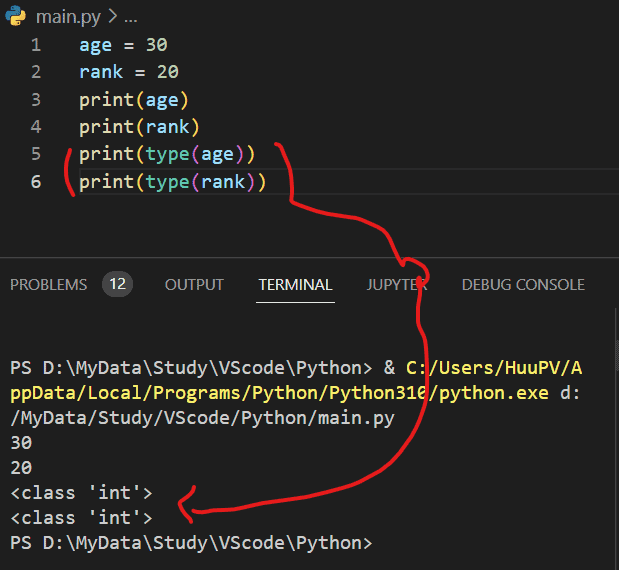
Integers represent whole numbers. Example
age = 30
rank = 20
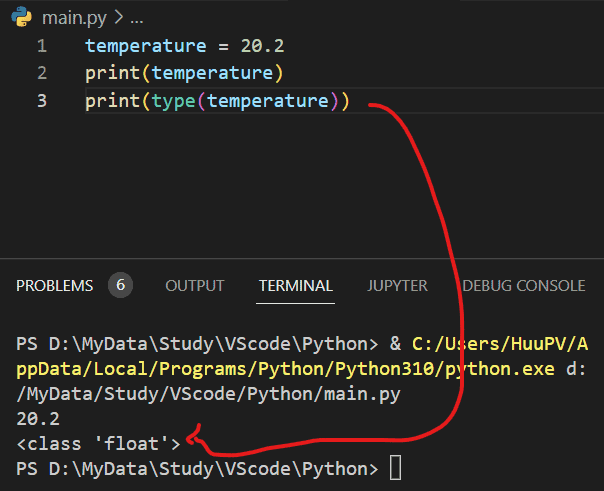
Floats represent decimal numbers. For example,
temperature = 20.2
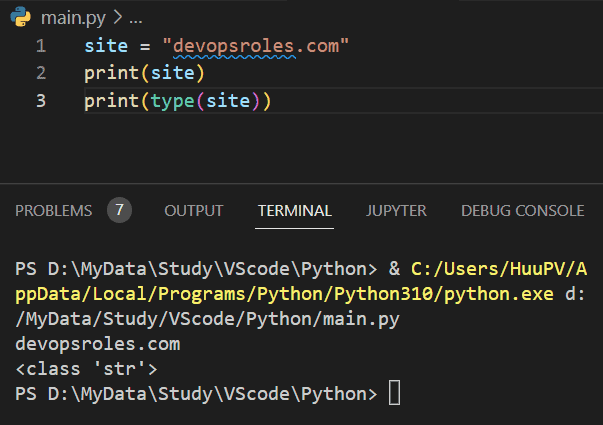
Strings represent text. For example
site = "devopsroles.com"
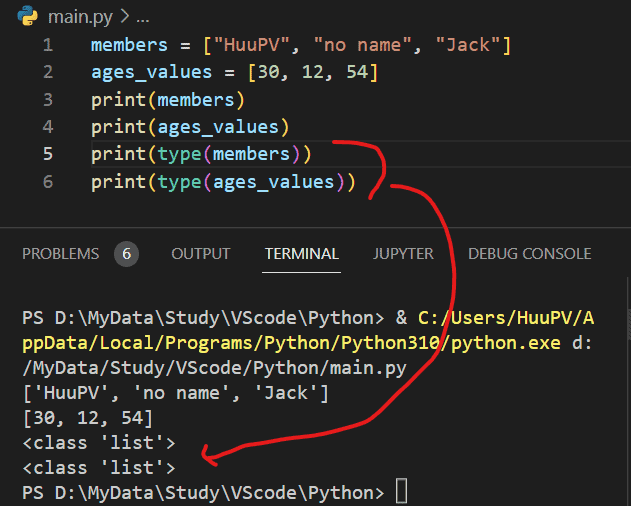
Lists represent arrays of values that may change during the program
members = ["HuuPV", "no name", "Jack"]
ages_values = [30, 12, 54]
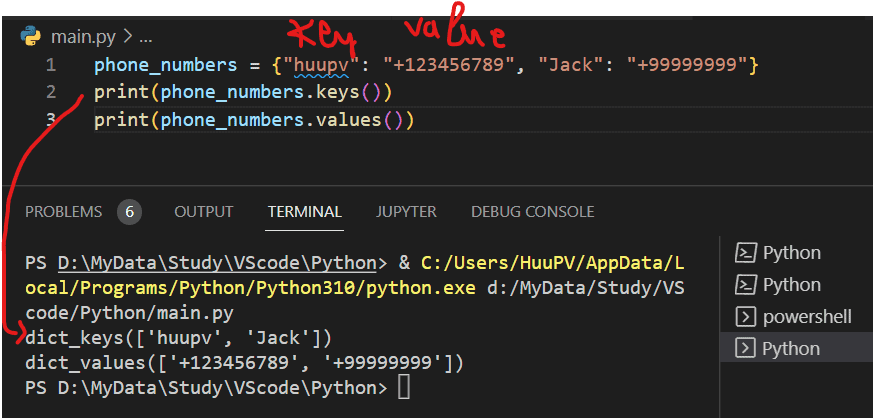
Dictionaries represent pairs of keys and values:
phone_numbers = {"huupv": "+123456789", "Jack": "+99999999"}The Keys and values of a dictionary can be extracted

Tuples
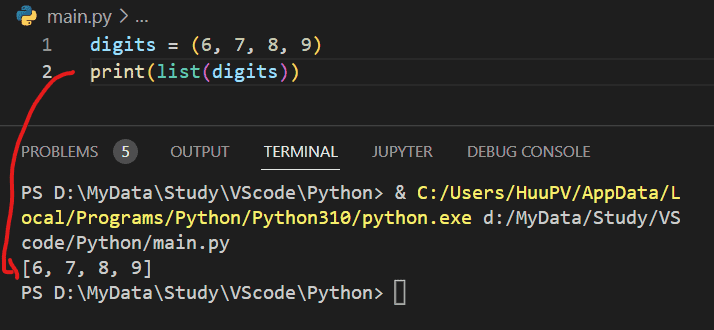
Tuples represent arrays of values that are not to be changed during the program
convert Tuples to list

convert the list to a tuple
get a list of attributes of a data type

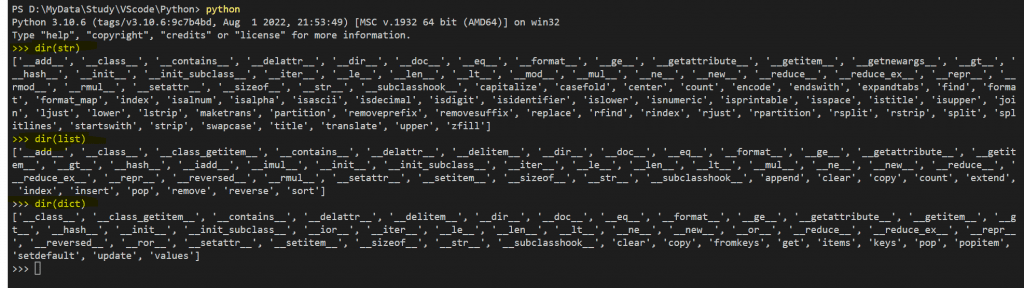
get a list of Python built-in functions


get the documentation of a Python data type
help(str)
help(str.replace)
help(dict.values)
Conclusion
You learn python data type cheatsheet. I hope this will be helpful. Thank you for reading the DevopsRoles page!