Category Archives: AIOps

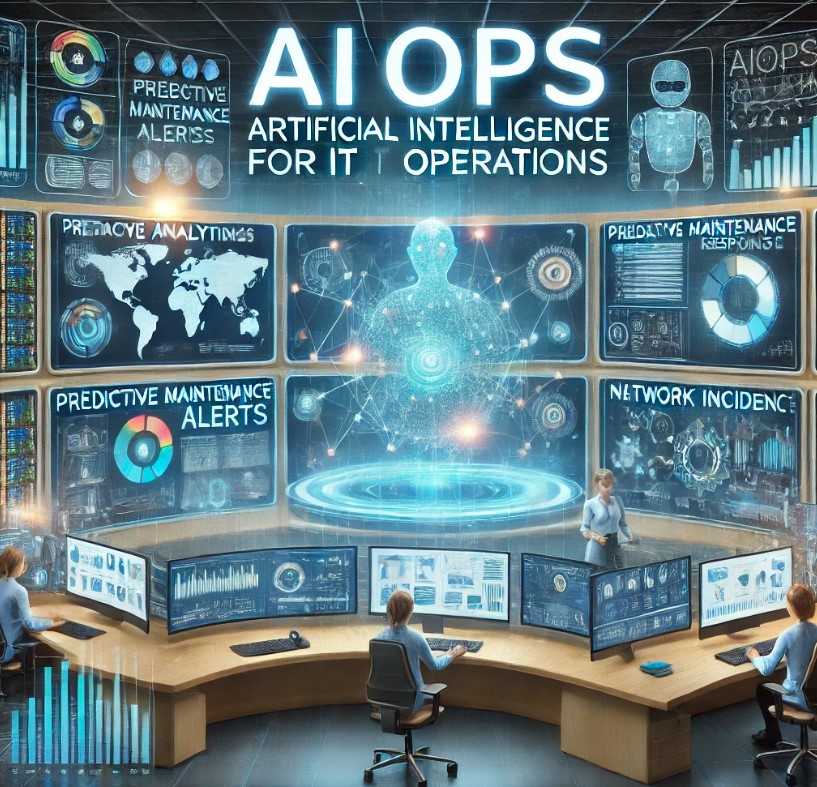
AIOps, or Artificial Intelligence for IT Operations, is a transformative approach that leverages machine learning, big data, and advanced analytics to enhance and automate IT operations. By analyzing vast amounts of data in real time, AIOps enables proactive problem-solving, anomaly detection, and performance optimization, helping organizations maintain high availability and reliability of their IT infrastructure. AIOps is essential for modern DevOps practices, ensuring systems run smoothly and efficiently in increasingly complex and dynamic environments.

How to Improve DevOps Security with AI: A Deep Dive into Securing the DevOps Pipeline

Introduction

As organizations rapidly embrace DevOps to streamline software development and deployment, security becomes a critical concern. With fast releases, continuous integration, and a demand for rapid iterations, security vulnerabilities can easily slip through the cracks. Artificial Intelligence (AI) is emerging as a key enabler to bolster security in DevOps processes – transforming how organizations identify, mitigate, and respond to threats.

In this in-depth guide, we’ll explore how to improve DevOps security with AI, starting from the fundamental principles to more advanced, practical applications. You’ll gain insights into how AI can automate threat detection, enhance continuous monitoring, and predict vulnerabilities before they’re exploited, ensuring that security is embedded into every phase of the DevOps lifecycle.

What is DevOps Security?

DevOps security, or DevSecOps, integrates security practices into the core of the DevOps workflow, ensuring security is built into every phase of the software development lifecycle (SDLC). Rather than treating security as a final step before deployment, DevSecOps incorporates security early in the development process and continuously throughout deployment and operations.

However, traditional security methods often can’t keep pace with DevOps’ speed, which is where AI comes in. AI-powered tools can seamlessly automate security checks and monitoring, making DevOps both fast and secure.

Why is AI Crucial for DevOps Security?

AI offers several critical benefits for improving security in the DevOps lifecycle:

  • Scalability: As software complexity increases, AI can process vast amounts of data across development and production environments.
  • Real-time detection: AI continuously scans for anomalies, providing real-time insights and alerting teams before threats escalate.
  • Predictive analytics: Machine learning models can predict potential threats based on past attack patterns, enabling proactive defense.
  • Automation: AI automates manual, repetitive tasks such as code reviews and vulnerability scanning, allowing teams to focus on more complex security challenges.

How to Improve DevOps Security with AI

1. Automated Vulnerability Detection and Analysis

One of the biggest advantages of AI in DevOps security is automated vulnerability detection. With fast-paced software releases, manually identifying vulnerabilities can be both time-consuming and error-prone. AI-powered tools can automate this process, scanning code and infrastructure for potential vulnerabilities in real-time.

h3: AI-powered Static Code Analysis

Static code analysis is a vital part of any DevSecOps practice. AI tools like SonarQube and DeepCode analyze code during development to identify vulnerabilities, security flaws, and coding errors. These AI tools offer faster detection compared to manual reviews and adapt to new vulnerabilities as they emerge, providing constant improvement in detection.

  • Example: A developer commits code with a hardcoded password. AI-powered static code analysis immediately flags this vulnerability and recommends remediation steps.

2. Continuous Monitoring with AI for Real-time Threat Detection

Continuous monitoring is critical to securing the DevOps pipeline. AI algorithms can continuously monitor both the development environment and live production environments for anomalies, unusual behavior, and potential threats.

AI-driven Anomaly Detection

Traditional monitoring tools may miss sophisticated or subtle attacks, but AI uses anomaly detection to identify even small deviations in network traffic, system logs, or user behavior. By learning what normal operations look like, AI-powered systems can quickly identify and respond to potential threats.

  • Example: AI-driven monitoring tools like Splunk or Datadog analyze traffic patterns and detect anomalies such as unexpected spikes in network activity that might signal a Distributed Denial of Service (DDoS) attack.

3. AI-enhanced Incident Response and Automated Remediation

Incident response is a key part of DevOps security, but manual response can be slow and resource-intensive. AI can help accelerate incident response through automated remediation and provide valuable insights on how to prevent similar attacks in the future.

AI in Security Orchestration, Automation, and Response (SOAR)

AI-enhanced SOAR platforms like Palo Alto Networks Cortex XSOAR or IBM QRadar streamline incident response workflows, triage alerts, and even autonomously respond to certain types of threats. AI can also suggest the best course of action for more complex incidents, minimizing response time and reducing human error.

  • Example: When AI detects a vulnerability, it can automatically apply security patches, isolate affected systems, or temporarily block risky actions while alerting the DevOps team for further action.

4. Predictive Threat Intelligence with AI

AI can go beyond reactive security measures by applying predictive threat intelligence. Through machine learning and big data analytics, AI can analyze vast amounts of data from previous attacks, identifying trends and predicting where future vulnerabilities may emerge.

Machine Learning for Predictive Analytics

AI-powered systems like Darktrace can learn from past cyberattacks to forecast the probability of certain types of threats. By using large datasets of malware signatures, network anomalies, and attack patterns, AI helps security teams stay ahead of evolving threats, minimizing the risk of zero-day attacks.

  • Example: A DevOps pipeline integrating AI for predictive analytics can foresee vulnerabilities in an upcoming software release based on historical data patterns, enabling teams to apply patches before deployment.

5. Enhancing Compliance through AI Automation

Compliance is a key aspect of DevOps security, particularly in industries with stringent regulatory requirements. AI can help streamline compliance by automating audits, security checks, and reporting.

AI for Compliance Monitoring

AI-driven tools like CloudGuard or Prisma Cloud ensure continuous compliance with industry standards (e.g., GDPR, HIPAA, PCI DSS) by automating security controls, generating real-time compliance reports, and identifying non-compliant configurations.

  • Example: AI can scan cloud environments for misconfigurations or policy violations and automatically fix them to maintain compliance without manual intervention.

6. Securing Containers with AI

With the rise of containerization (e.g., Docker, Kubernetes) in DevOps, securing containers is essential. Containers present a unique set of challenges due to their ephemeral nature and high deployment frequency. AI enhances container security by continuously monitoring container activity, scanning images for vulnerabilities, and enforcing policies across containers.

AI-driven Container Security Tools

AI-based tools like Aqua Security or Twistlock integrate with container orchestration platforms to provide real-time scanning, anomaly detection, and automated security policies to ensure containers remain secure throughout their lifecycle.

  • Example: AI tools automatically scan container images for vulnerabilities before deployment and enforce runtime security policies based on historical behavioral data, preventing malicious actors from exploiting weak containers.

7. Zero Trust Architecture with AI

Zero Trust security frameworks are becoming increasingly popular in DevOps. The principle behind Zero Trust is “never trust, always verify.” AI enhances Zero Trust models by automating identity verification, monitoring user behavior, and dynamically adjusting permissions based on real-time data.

AI for Identity and Access Management (IAM)

AI-powered IAM solutions can continuously analyze user behavior, applying conditional access policies dynamically based on factors such as device health, location, and the time of access. By implementing multi-factor authentication (MFA) and adaptive access control through AI, organizations can prevent unauthorized access to sensitive systems.

  • Example: AI-driven IAM platforms like Okta use machine learning to assess the risk level of each login attempt in real-time, flagging suspicious logins and enforcing stricter security measures such as MFA.

Best Practices for Implementing AI in DevOps Security

  • Start small: Implement AI-powered tools in non-critical areas of the DevOps pipeline first to familiarize the team with AI-enhanced workflows.
  • Regularly train AI models: Continuous retraining of machine learning models ensures they stay updated on the latest threats and vulnerabilities.
  • Integrate with existing tools: Ensure AI solutions integrate seamlessly with current DevOps tools to avoid disrupting workflows.
  • Focus on explainability: Ensure that the AI models provide transparent and explainable insights, making it easier for DevOps teams to understand and act on AI-driven recommendations.

FAQs

1. Can AI completely automate DevOps security?

AI can automate many aspects of DevOps security, but human oversight is still necessary for handling complex issues and making strategic decisions.

2. How does AI help prevent zero-day attacks?

AI can analyze patterns and predict potential vulnerabilities, enabling security teams to patch weaknesses before zero-day attacks occur.

3. How does AI detect threats in real-time?

AI detects threats in real-time by continuously analyzing system logs, network traffic, and user behavior, identifying anomalies that could indicate malicious activity.

4. Are AI-driven security tools affordable for small businesses?

Yes, there are affordable AI-driven security tools, including cloud-based and open-source solutions, that cater to small and medium-sized businesses.

5. What is the role of machine learning in DevOps security?

Machine learning helps AI detect vulnerabilities, predict threats, and automate responses by analyzing vast amounts of data and recognizing patterns of malicious activity.

Conclusion

Incorporating AI into DevOps security is essential for organizations looking to stay ahead of ever-evolving cyber threats. From automating vulnerability detection to enhancing continuous monitoring and predictive threat intelligence, AI offers unmatched capabilities in securing the DevOps pipeline.

By leveraging AI-driven tools and best practices, organizations can not only improve the speed and efficiency of their DevOps workflows but also significantly reduce security risks. As AI technology continues to advance, its role in DevOps security will only grow, providing new ways to safeguard software development processes and ensure the safety of production environments. Thank you for reading the DevopsRoles page!

DevOps Transformation with AI: Revolutionizing Software Development

Introduction

In the ever-evolving world of technology, the integration of Artificial Intelligence (AI) with DevOps is emerging as a game-changer. AI has the potential to automate complex tasks, improve decision-making, and accelerate the overall DevOps Transformation with AI. This article delves into how AI is reshaping DevOps, guiding you from the basics to advanced concepts that will enable your organization to harness the full potential of this synergy.

What is DevOps?

Understanding DevOps

DevOps is a set of practices that combines software development (Dev) and IT operations (Ops). It aims to shorten the systems development life cycle while continuously delivering high-quality software. The core principles of DevOps include continuous integration (CI), continuous delivery (CD), automation, and collaboration.

The Need for DevOps Transformation

As organizations scale and customer demands increase, traditional DevOps practices may fall short in handling the growing complexity. This is where AI steps in to enhance and transform these practices, making processes more efficient and reliable.

How AI Enhances DevOps

AI in Continuous Integration (CI)

Continuous Integration is a fundamental aspect of DevOps, where developers regularly merge their code changes into a central repository. AI can optimize CI by automating code reviews, identifying bugs, and predicting integration failures. This reduces human error and accelerates the integration process.

AI in Continuous Delivery (CD)

In the Continuous Delivery phase, AI can automate the deployment pipeline, predict potential deployment failures, and optimize resource allocation. Machine learning algorithms can analyze previous deployments and suggest improvements, making the delivery process more robust.

AI in Monitoring and Incident Management

AI-driven monitoring tools can analyze vast amounts of data in real time, detect anomalies, and predict potential issues before they escalate. This proactive approach to incident management reduces downtime and enhances system reliability.

Key Benefits of AI in Monitoring:

  • Predictive Analytics: AI can predict system failures by analyzing historical data and identifying patterns.
  • Automated Alerts: AI-powered tools can trigger automated alerts and initiate self-healing processes.
  • Root Cause Analysis: AI can quickly identify the root cause of incidents, reducing the time required for resolution.

AI in Security (DevSecOps)

Security is a critical aspect of DevOps, and AI can significantly enhance DevSecOps practices. AI algorithms can detect security vulnerabilities, automate threat detection, and even suggest remediation steps. By integrating AI into DevSecOps, organizations can ensure that security is not compromised at any stage of the software development lifecycle.

How AI Improves DevSecOps:

  • Threat Detection: AI can analyze network traffic and identify potential security threats in real-time.
  • Vulnerability Management: AI tools can scan code for vulnerabilities and provide automated fixes.
  • Compliance Automation: AI can help ensure compliance with industry regulations by automating security checks and audits.

Implementing AI in DevOps: Step-by-Step Guide

Step 1: Assess Your Current DevOps Maturity

Before integrating AI, it’s essential to evaluate your current DevOps practices. Identify areas that can benefit from automation, such as CI/CD pipelines, monitoring, and security.

Step 2: Choose the Right AI Tools

Selecting the right AI tools is crucial for a successful transformation. Look for tools that align with your DevOps goals and can seamlessly integrate into your existing infrastructure. Popular AI-driven DevOps tools include:

  • Jenkins X: An AI-powered CI/CD tool that automates the entire software delivery pipeline.
  • New Relic AI: A monitoring tool that uses AI to predict and resolve issues before they impact users.
  • Snyk: An AI-driven security tool that automatically identifies and fixes vulnerabilities in your code.

Step 3: Automate and Optimize Processes

Begin by automating repetitive tasks such as code reviews, testing, and monitoring. Use AI to optimize these processes by analyzing data and providing actionable insights. Continuously monitor the performance of your AI-driven DevOps processes and make adjustments as needed.

Step 4: Train Your Team

Successful DevOps transformation with AI requires a skilled team. Provide training and resources to help your team understand AI technologies and how they can be applied to DevOps. Encourage a culture of continuous learning and experimentation.

Step 5: Monitor and Iterate

AI in DevOps is not a one-time implementation. Continuously monitor the performance of your AI tools, gather feedback from your team, and iterate on your processes. Stay updated with the latest AI advancements and incorporate new technologies as they emerge.

Challenges in AI-Driven DevOps Transformation

Data Quality and Availability

AI relies heavily on data, and the quality of this data can significantly impact the effectiveness of AI tools. Ensuring that your data is clean, accurate, and readily available is crucial for a successful AI-driven DevOps transformation.

Integration with Existing Systems

Integrating AI tools with existing DevOps systems can be challenging. It’s essential to ensure compatibility and seamless communication between different tools and platforms. This may require custom development and a deep understanding of both AI and DevOps technologies.

Skill Gaps

AI is a complex field, and not all DevOps teams have the necessary skills to implement and manage AI-driven processes. Addressing these skill gaps through training and hiring is critical to achieving a successful transformation.

Resistance to Change

As with any significant transformation, there may be resistance to change from within the organization. It’s important to communicate the benefits of AI in DevOps clearly and involve all stakeholders in the transformation process to ensure buy-in and support.

FAQs

What is DevOps transformation with AI?

DevOps transformation with AI refers to the integration of AI technologies into DevOps practices to enhance automation, efficiency, and decision-making. This transformation aims to optimize the software development lifecycle by leveraging AI-driven tools and techniques.

How does AI improve Continuous Integration (CI)?

AI improves Continuous Integration by automating code reviews, identifying bugs, predicting integration failures, and optimizing the merging process. This reduces human error and speeds up the CI pipeline.

Can AI enhance DevSecOps practices?

Yes, AI can significantly enhance DevSecOps by automating threat detection, vulnerability management, and compliance checks. AI-driven tools can identify security risks in real time and suggest remediation steps to ensure secure software delivery.

What are the challenges of implementing AI in DevOps?

The challenges of implementing AI in DevOps include data quality and availability, integration with existing systems, skill gaps within the team, and resistance to change. Addressing these challenges is essential for a successful AI-driven DevOps transformation.

Conclusion

The integration of AI into DevOps is not just a trend but a necessity for organizations looking to stay competitive in the fast-paced world of software development. AI has the potential to revolutionize DevOps by automating complex tasks, improving decision-making, and enhancing overall efficiency. By following the steps outlined in this article, organizations can successfully navigate their DevOps transformation with AI, unlocking new levels of innovation and productivity.

DevOps transformation with AI is an ongoing journey that requires continuous learning, adaptation, and iteration. As AI technologies continue to evolve, the possibilities for DevOps will expand, offering even greater opportunities for organizations to thrive in the digital age. Thank you for reading the DevopsRoles page!

How AIOps Can Improve Your Customer Experience

Introduction

In today’s digital age, delivering an exceptional customer experience (CX) is paramount for business success. As customer expectations continue to rise, companies must leverage advanced technologies to meet these demands. AIOps (Artificial Intelligence for IT Operations) is emerging as a powerful tool to improve customer experience by optimizing IT operations, reducing downtime, and providing proactive support.

This article explores “How AIOps Can Improve Your Customer Experience” and highlights its benefits and practical applications.

Understanding AIOps

What is AIOps?

AIOps stands for Artificial Intelligence for IT Operations. It integrates AI and machine learning to automate and enhance IT operations tasks such as monitoring, event correlation, anomaly detection, and root cause analysis.

Why is AIOps Important for Customer Experience?

AIOps is crucial for enhancing customer experience because it:

  • Automates Routine Tasks: Reduces manual workload and minimizes human error.
  • Improves System Reliability: Ensures high availability and performance of IT systems.
  • Enhances Responsiveness: Provides proactive issue detection and resolution.
  • Supports Scalability: Easily scales with growing IT infrastructure and customer demands.

How AIOps Can Improve Your Customer Experience

1. Ensuring High System Availability

Real-Time Monitoring

AIOps platforms continuously monitor IT systems in real-time, identifying and addressing potential issues before they impact customers. This ensures high system availability and minimizes disruptions.

Proactive Issue Resolution

By leveraging machine learning algorithms, AIOps can predict and resolve issues proactively. This proactive approach prevents system outages and ensures a seamless customer experience.

2. Enhancing Performance and Speed

Optimized Resource Allocation

AIOps uses predictive analytics to optimize resource allocation, ensuring that IT systems perform efficiently even during peak times. This results in faster load times and a smoother user experience.

Dynamic Scaling

With AIOps, organizations can implement dynamic scaling, automatically adjusting resources based on real-time demand. This ensures consistent performance and reliability, enhancing customer satisfaction.

3. Improving Incident Management

Faster Incident Detection

AIOps platforms detect incidents in real-time, significantly reducing the time it takes to identify issues. This quick detection helps in minimizing the impact on customers and ensures faster resolution.

Automated Root Cause Analysis

AIOps performs automated root cause analysis, pinpointing the underlying cause of incidents quickly and accurately. This speeds up the troubleshooting process and reduces downtime, improving the overall customer experience.

4. Enhancing Security and Compliance

Continuous Threat Monitoring

AIOps continuously monitors for security threats, using AI to detect anomalies and suspicious activities in real-time. This enhances the security of IT systems and protects customer data.

Automated Compliance Management

AIOps automates compliance checks and provides detailed audit trails, ensuring that organizations adhere to regulatory requirements. This builds customer trust and confidence in the company’s security measures.

5. Personalizing Customer Interactions

Data-Driven Insights

AIOps platforms analyze customer data to provide valuable insights into customer behavior and preferences. These insights enable organizations to personalize interactions and tailor services to meet individual needs.

Enhanced Customer Support

By automating routine support tasks and providing real-time insights, AIOps enhances customer support operations. This results in faster response times and more effective resolutions, improving customer satisfaction.

6. Streamlining Operations

Unified Data Platform

AIOps provides a unified data platform that aggregates data from various sources, offering a single view of the IT environment. This unified view facilitates collaboration among IT teams and improves operational efficiency.

Streamlined Workflows

By automating routine tasks and providing actionable insights, AIOps streamlines workflows, allowing IT teams to focus on more strategic initiatives. This improves overall productivity and operational efficiency.

Implementing AIOps to Enhance Customer Experience

Assess Your Current IT Landscape

Begin by assessing your existing IT infrastructure to identify areas that can benefit from AIOps. Understand your organization’s specific needs and goals to tailor the implementation effectively.

Choose the Right AIOps Platform

Select an AIOps platform that aligns with your organization’s requirements. Look for features such as real-time monitoring, anomaly detection, predictive analytics, and integration capabilities.

Prepare Your Data

Ensure that your data is accurate, clean, and properly labeled. Centralize data from various sources to create a unified view of your IT environment.

Implement in Phases

Start with a pilot project to test the effectiveness of AIOps in your environment. Gradually expand the implementation to other areas of your IT infrastructure based on the pilot’s success.

Foster Collaboration

Encourage collaboration between IT operations, data scientists, and other stakeholders. Regular communication and shared goals are essential for a successful AIOps implementation.

FAQs on How AIOps Can Improve Your Customer Experience

What is AIOps and why is it important for customer experience?

AIOps stands for Artificial Intelligence for IT Operations. It is important for customer experience because it automates routine tasks, improves system reliability, enhances responsiveness, and supports scalability.

How can AIOps ensure high system availability?

AIOps ensures high system availability through real-time monitoring and proactive issue resolution, preventing system outages and minimizing disruptions.

What are the benefits of using AIOps for incident management?

AIOps benefits incident management by providing faster incident detection, automated root cause analysis, and quick resolution, reducing downtime and improving customer experience.

How does AIOps enhance security and compliance?

AIOps enhances security by continuously monitoring for threats and automating compliance checks, ensuring adherence to regulatory requirements, and protecting customer data.

Can AIOps personalize customer interactions?

Yes, AIOps can personalize customer interactions by analyzing customer data to provide valuable insights into behavior and preferences, enabling tailored services and interactions.

What steps should organizations take to implement AIOps?

Organizations should assess their current IT landscape, choose the right AIOps platform, prepare their data, implement in phases, and foster collaboration among IT teams and stakeholders.

Conclusion

AIOps is a powerful tool for enhancing customer experience by ensuring high system availability, improving performance, optimizing incident management, enhancing security, personalizing customer interactions, and streamlining operations. By leveraging the capabilities of AIOps, organizations can deliver exceptional customer experiences, build trust, and achieve operational excellence.

This comprehensive guide on “How AIOps Can Improve Your Customer Experience” provides valuable insights and practical steps to harness the power of AIOps in your organization. Embrace AIOps to drive customer satisfaction and business success.Thank you for reading the DevopsRoles page!

Top 7 Myths About AIOps Debunked

Introduction

As organizations increasingly rely on digital technologies, managing complex IT infrastructures has become more challenging. AIOps (Artificial Intelligence for IT Operations) has emerged as a powerful solution to enhance efficiency, predict issues, and automate routine tasks. However, several myths and misconceptions surround AIOps, leading to hesitation in adoption.

This article aims to clarify these misunderstandings by presenting “Top 7 Myths About AIOps Debunked,” shedding light on the true potential of this transformative technology.

Myth 1: AIOps is Just Another Monitoring Tool

The Misconception

Many people believe that AIOps is simply a fancy term for traditional IT monitoring tools, offering little more than basic alerting and performance tracking.

The Reality

AIOps goes far beyond traditional monitoring. It integrates AI and machine learning to analyze vast amounts of data from multiple sources, providing deep insights into IT operations. AIOps can predict potential issues, automate incident responses, and offer root cause analysis, making it a comprehensive solution for managing complex IT environments.

Myth 2: AIOps Replace IT Professionals

The Misconception

A common fear is that implementing AIOps will lead to job losses among IT staff, as the technology automates many operational tasks.

The Reality

AIOps is designed to augment, not replace, IT professionals. It automates routine and repetitive tasks, allowing IT staff to focus on more strategic and complex issues. By providing actionable insights and predictive analytics, AIOps empowers IT teams to make better decisions and improve overall efficiency.

Myth 3: AIOps is Only for Large Enterprises

The Misconception

Some believe that AIOps is suitable only for large enterprises with extensive IT infrastructures and substantial budgets.

The Reality

While AIOps offers significant benefits to large enterprises, it is equally valuable for small and medium-sized businesses (SMBs). SMBs can leverage AIOps to streamline operations, reduce downtime, and optimize resource allocation. Many AIOps platforms offer scalable solutions that can be tailored to the needs and budgets of smaller organizations.

Myth 4: AIOps is Too Complex to Implement

The Misconception

The integration of AI and machine learning in IT operations seems daunting, leading to the belief that AIOps implementation is overly complex and time-consuming.

The Reality

Implementing AIOps does require careful planning and preparation, but it is not an insurmountable challenge. Many AIOps platforms offer user-friendly interfaces and guided implementation processes. Additionally, organizations can start with pilot projects to gradually integrate AIOps into their IT operations, ensuring a smooth transition.

Myth 5: AIOps Generates Too Many False Positives

The Misconception

There is a concern that AIOps, like traditional monitoring tools, will generate numerous false positives, overwhelming IT teams with unnecessary alerts.

The Reality

AIOps uses advanced machine learning algorithms to continuously learn and improve its accuracy. By analyzing historical data and identifying patterns, AIOps can differentiate between legitimate issues and benign anomalies, significantly reducing the number of false positives. This allows IT teams to focus on genuine problems and enhances overall efficiency.

Myth 6: AIOps is a One-Size-Fits-All Solution

The Misconception

Some believe that AIOps platforms are rigid, offering a one-size-fits-all solution that cannot be customized to meet specific organizational needs.

The Reality

AIOps platforms are highly customizable and can be tailored to suit the unique requirements of different organizations. They offer a range of features and integration options, allowing businesses to configure the platform according to their specific IT environment and operational goals. This flexibility ensures that AIOps delivers maximum value, regardless of the organization’s size or industry.

Myth 7: AIOps Provides Instant Results

The Misconception

There is an expectation that AIOps will deliver immediate improvements in IT operations as soon as it is implemented.

The Reality

While AIOps can offer significant benefits, it requires time to learn and adapt to the IT environment. The effectiveness of AIOps improves over time as it collects more data and refines its algorithms. Organizations should view AIOps as a long-term investment that will deliver increasingly better results as it matures.

FAQs on Top 7 Myths About AIOps Debunked

What is the difference between AIOps and traditional monitoring tools?

AIOps integrates AI and machine learning to analyze data, predict issues, automate responses, and provide root cause analysis, going beyond basic monitoring and alerting.

Will AIOps replace IT professionals?

No, AIOps is designed to augment IT professionals by automating routine tasks and providing actionable insights, allowing them to focus on strategic and complex issues.

Is AIOps only suitable for large enterprises?

No, AIOps is beneficial for organizations of all sizes, including small and medium-sized businesses, by streamlining operations, reducing downtime, and optimizing resource allocation.

How difficult is it to implement AIOps?

Implementing AIOps requires planning and preparation but is manageable with user-friendly platforms and guided processes. Starting with pilot projects can ensure a smooth transition.

Does AIOps generate a lot of false positives?

AIOps uses advanced algorithms to reduce false positives by learning from historical data and identifying patterns, allowing IT teams to focus on genuine issues.

Can AIOps be customized to meet specific organizational needs?

Yes, AIOps platforms are highly customizable, offering a range of features and integration options to suit the unique requirements of different organizations.

Does AIOps provide instant results?

AIOps requires time to learn and adapt to the IT environment, improving its effectiveness over time as it collects more data and refines its algorithms.

Conclusion

Dispelling the myths surrounding AIOps is essential to understanding its true potential and benefits. This comprehensive guide, “Top 7 Myths About AIOps Debunked,” has clarified common misconceptions, highlighting how AIOps can revolutionize IT operations. By integrating AIOps, organizations can automate routine tasks, enhance decision-making, improve performance, and support scalability. Embrace AIOps to unlock new possibilities and drive your organization towards greater efficiency and success. Thank you for reading the DevopsRoles page!

How to Optimize Your IT Operations with AIOps

Introduction

In the digital age, IT operations are the backbone of any organization. Managing these operations efficiently is crucial to ensure seamless service delivery, maintain system performance, and achieve business objectives. AIOps (Artificial Intelligence for IT Operations) has emerged as a game-changer, offering advanced tools and techniques to optimize IT operations.

This article delves into “How to Optimize Your IT Operations with AIOps,” providing actionable insights and strategies to leverage this technology for maximum benefit.

Understanding AIOps

What is AIOps?

AIOps stands for Artificial Intelligence for IT Operations. It combines big data, machine learning, and artificial intelligence to automate and enhance various IT operations tasks, such as monitoring, event correlation, anomaly detection, and root cause analysis.

Why is AIOps Important?

AIOps is vital for modern IT environments because it:

  • Automates Routine Tasks: Reduces manual workload and minimizes human error.
  • Improves Decision-Making: Provides data-driven insights for better strategic decisions.
  • Enhances Performance: Optimizes system performance and reduces downtime.
  • Supports Scalability: Easily scales with growing IT infrastructure complexity.

How to Optimize Your IT Operations with AIOps

1. Implement Real-Time Monitoring

Continuous Data Collection

AIOps platforms continuously collect data from various sources, including servers, applications, and network devices. This real-time data collection is crucial for monitoring system health and performance.

AI-Driven Insights

Leveraging AI, AIOps platforms analyze the collected data to provide real-time insights into system performance. These insights enable IT teams to detect issues early and take proactive measures to prevent disruptions.

2. Automate Incident Management

Automated Detection and Response

AIOps can automate the detection and response to incidents. By using machine learning algorithms, AIOps platforms identify anomalies and trigger automated responses to resolve issues quickly.

Root Cause Analysis

AIOps performs automated root cause analysis, identifying the underlying cause of incidents with high accuracy. This reduces the time required to diagnose and fix problems, minimizing downtime.

3. Enhance Resource Management

Predictive Analytics for Resource Allocation

AIOps uses predictive analytics to forecast future resource demands based on historical data and usage patterns. This helps in optimizing resource allocation, ensuring that IT resources are used efficiently.

Dynamic Scaling

With AIOps, organizations can implement dynamic scaling, automatically adjusting resource allocation based on real-time demand. This ensures optimal performance during peak periods and reduces costs during low usage times.

4. Improve Security Posture

Continuous Threat Monitoring

AIOps platforms continuously monitor for security threats, using AI to detect anomalies and suspicious activities in real-time. This continuous monitoring enhances the organization’s security posture.

Automated Threat Response

In addition to detection, AIOps can automate threat response actions, such as isolating affected systems, blocking malicious IP addresses, and alerting security teams. This reduces the time to mitigate security threats.

5. Foster Collaboration and Efficiency

Unified Data Platform

AIOps provides a unified data platform that aggregates data from various sources, offering a single view of the IT environment. This unified view facilitates collaboration among IT teams and improves operational efficiency.

Streamlined Workflows

By automating routine tasks and providing actionable insights, AIOps streamlines workflows, allowing IT teams to focus on more strategic initiatives. This improves overall productivity and operational efficiency.

Steps to Implement AIOps in Your Organization

Assess Your Current IT Landscape

Begin by assessing your existing IT infrastructure to identify areas that can benefit from AIOps. Understand your organization’s specific needs and goals to tailor the implementation effectively.

Choose the Right AIOps Platform

Select an AIOps platform that aligns with your organization’s requirements. Look for features such as real-time monitoring, anomaly detection, predictive analytics, and integration capabilities.

Prepare Your Data

Ensure that your data is accurate, clean, and properly labeled. Centralize data from various sources to create a unified view of your IT environment.

Implement in Phases

Start with a pilot project to test the effectiveness of AIOps in your environment. Gradually expand the implementation to other areas of your IT infrastructure based on the pilot’s success.

Foster Collaboration

Encourage collaboration between IT operations, data scientists, and other stakeholders. Regular communication and shared goals are essential for a successful AIOps implementation.

FAQs on How to Optimize Your IT Operations with AIOps

What is AIOps and why is it important for IT operations?

AIOps stands for Artificial Intelligence for IT Operations. It is important for IT operations because it automates routine tasks, improves decision-making, enhances performance, and supports scalability.

How can AIOps improve incident management?

AIOps can improve incident management by automating the detection and response to incidents and performing automated root cause analysis, reducing the time required to diagnose and fix problems.

What are the benefits of using predictive analytics for resource management?

Predictive analytics helps in optimizing resource allocation by forecasting future resource demands based on historical data and usage patterns. This ensures efficient use of IT resources and dynamic scaling based on real-time demand.

How does AIOps enhance security posture?

AIOps enhances security posture by continuously monitoring for security threats, using AI to detect anomalies and suspicious activities, and automating threat response actions to mitigate security threats promptly.

What steps should organizations take to implement AIOps?

Organizations should assess their current IT landscape, choose the right AIOps platform, prepare their data, implement in phases, and foster collaboration among IT teams and stakeholders.

Conclusion

Optimizing IT operations is crucial for maintaining efficiency, performance, and security in today’s digital age. AIOps offers a powerful solution by automating routine tasks, providing real-time insights, enhancing resource management, and improving security posture.

This comprehensive guide on “How to Optimize Your IT Operations with AIOps” highlights the benefits and steps to successfully implement AIOps in your organization. By embracing AIOps, organizations can achieve operational excellence, reduce downtime, and drive strategic initiatives for future growth. Thank you for reading the DevopsRoles page!
The Cost of Not Using AIOps: What You Need to Know

Introduction

In the rapidly evolving world of IT, the complexity and volume of data continue to surge. Managing this data effectively is crucial for maintaining operational efficiency, security, and overall business performance. While AIOps (Artificial Intelligence for IT Operations) offers a solution to these challenges, many organizations have yet to adopt it.

This article delves into “The Cost of Not Using AIOps: What You Need to Know,” exploring the potential pitfalls and financial implications of neglecting this transformative technology.

Understanding AIOps

What is AIOps?

AIOps stands for Artificial Intelligence for IT Operations. It integrates AI and machine learning to enhance and automate various IT operations tasks, including monitoring, event correlation, anomaly detection, and root cause analysis.

Why is AIOps Important?

AIOps is critical for modern IT environments because it:

  • Automates Routine Tasks: Reduces manual workload and minimizes human error.
  • Enhances Decision-Making: Provides data-driven insights for better strategic decisions.
  • Improves Performance: Optimizes system performance and reduces downtime.
  • Supports Scalability: Easily scales with growing IT infrastructure complexity.

The Cost of Not Using AIOps: What You Need to Know

1. Increased Downtime and Operational Disruptions

Manual Incident Management

Without AIOps, incident management remains a manual, time-consuming process. Detecting and resolving issues manually can lead to significant delays, increasing downtime and disrupting business operations.

Financial Losses

Operational disruptions due to increased downtime can result in substantial financial losses. For instance, downtime in critical systems can lead to lost revenue, reduced productivity, and damage to the company’s reputation.

2. Inefficient Resource Utilization

Over-Provisioning and Under-Provisioning

Organizations that do not use AIOps often struggle with resource allocation. Over-provisioning leads to wasted resources and increased costs while under-provisioning can result in performance bottlenecks and service outages.

Higher Operational Costs

Inefficient resource utilization translates to higher operational costs. Companies may need to invest in additional hardware and software to compensate for the lack of optimized resource management.

3. Delayed Incident Response and Recovery

Slow Detection and Resolution

Without the automation and real-time analytics provided by AIOps, incident detection and resolution are significantly slower. This delay can exacerbate the impact of incidents, leading to prolonged outages and increased recovery time.

Impact on Customer Experience

Delayed incident response and recovery can negatively affect customer experience. Customers expect seamless and reliable services, and prolonged outages or slow issue resolution can lead to dissatisfaction and loss of business.

4. Increased Security Vulnerabilities

Manual Threat Detection

Relying on manual processes for threat detection leaves organizations vulnerable to sophisticated cyber-attacks. Without AIOps, identifying and responding to security threats promptly is challenging.

Data Breaches and Compliance Issues

Increased security vulnerabilities can result in data breaches, leading to significant financial and reputational damage. Additionally, non-compliance with regulatory requirements due to inadequate security measures can result in hefty fines and legal issues.

5. Missed Opportunities for Innovation

Lack of Predictive Insights

AIOps provides predictive insights that enable organizations to anticipate and prevent potential issues. Without these insights, companies may miss opportunities to innovate and improve their IT operations proactively.

Competitive Disadvantage

Organizations that do not leverage AIOps may fall behind competitors who use AI-driven technologies to enhance their operations. This competitive disadvantage can impact market position and growth prospects.

Implementing AIOps: Steps to Get Started

Assess Your Current IT Environment

Evaluate your existing IT infrastructure to identify areas that can benefit from AIOps. Understand the specific needs and goals of your organization to tailor the implementation effectively.

Choose the Right AIOps Platform

Select an AIOps platform that aligns with your organization’s requirements. Look for features such as real-time monitoring, anomaly detection, predictive analytics, and integration capabilities.

Prepare Your Data

Ensure that your data is accurate, clean, and properly labeled. Centralize data from various sources to create a unified view of your IT environment.

Implement in Phases

Start with a pilot project to test the effectiveness of AIOps in your environment. Gradually expand the implementation to other areas of your IT infrastructure based on the pilot’s success.

Foster Collaboration

Encourage collaboration between IT operations, data scientists, and other stakeholders. Regular communication and shared goals are essential for a successful AIOps implementation.

FAQs on The Cost of Not Using AIOps: What You Need to Know

What are the financial implications of not using AIOps?

Not using AIOps can lead to increased downtime, inefficient resource utilization, higher operational costs, and financial losses due to operational disruptions and security incidents.

How does AIOps improve incident response and recovery?

AIOps automate incident detection and resolution, providing real-time analytics and predictive insights that enable faster and more accurate incident response and recovery.

What are the security risks of not using AIOps?

Without AIOps, organizations rely on manual threat detection processes, increasing vulnerability to cyber-attacks and data breaches. This can result in significant financial and reputational damage.

How can AIOps drive innovation in IT operations?

AIOps provides predictive insights that help organizations anticipate and prevent potential issues, enabling proactive improvements and innovation in IT operations.

What steps should organizations take to implement AIOps?

Organizations should assess their current IT environment, choose the right AIOps platform, prepare their data, implement in phases, and foster collaboration among stakeholders.

Conclusion

The cost of not using AIOps extends beyond financial losses and operational inefficiencies. It encompasses increased downtime, security vulnerabilities, and missed opportunities for innovation. By adopting AIOps, organizations can enhance their IT operations, improve resource utilization, accelerate incident response, and bolster security measures. This comprehensive guide on “The Cost of Not Using AIOps: What You Need to Know” highlights the critical need for AIOps in modern IT environments. Embrace AIOps to safeguard your business’s future and achieve operational excellence. Thank you for reading the DevopsRoles page!

AIOps in Action Real-World Use Cases and Success Stories

Introduction

Artificial Intelligence for IT Operations, or AIOps, is revolutionizing the way organizations manage their IT infrastructure. By leveraging machine learning and big data, AIOps enhances the efficiency and effectiveness of IT operations, leading to significant improvements in performance and reliability.

In this article, we explore “AIOps in Action: Real-World Use Cases and Success Stories,” showcasing how various organizations have successfully implemented AIOps to overcome challenges and achieve remarkable results.

Understanding AIOps

What is AIOps?

AIOps stands for Artificial Intelligence for IT Operations. It involves using AI and machine learning technologies to automate and enhance IT operations tasks, such as monitoring, event correlation, anomaly detection, and root cause analysis.

Why is AIOps Important?

AIOps is crucial for modern IT environments because it:

  • Automates Routine Tasks: Reduces the manual effort required for repetitive tasks.
  • Improves Decision-Making: Provides data-driven insights for better decision-making.
  • Enhances Performance: Optimizes system performance and reduces downtime.
  • Supports Scalability: Easily scales to manage the growing complexity of IT infrastructure.

AIOps in Action Real-World Use Cases and Success Stories

1. Enhancing Incident Management at a Major Bank

The Challenge

A major bank was facing frequent system outages and slow incident response times, affecting its customer service and overall operations. The traditional incident management process was manual and time-consuming, leading to prolonged downtime and frustrated customers.

The Solution

The bank implemented an AIOps platform to automate its incident management process. The platform used machine learning algorithms to detect anomalies in real-time and perform automated root cause analysis.

The Results

  • Faster Incident Detection: The AIOps platform detected incidents within seconds, significantly reducing the time it took to identify issues.
  • Automated Root Cause Analysis: The platform quickly pinpointed the root cause of incidents, enabling faster resolution.
  • Reduced Downtime: The bank experienced a 40% reduction in system downtime, leading to improved customer satisfaction and operational efficiency.

2. Optimizing Resource Allocation for a Global E-Commerce Company

The Challenge

A global e-commerce company struggled with optimizing its IT resource allocation, leading to over-provisioning and increased operational costs. The company needed a solution to manage its resources more efficiently while maintaining high performance during peak traffic periods.

The Solution

The e-commerce company deployed an AIOps solution to monitor and analyze its resource usage in real time. The platform provided predictive insights into future resource demands based on historical data and usage patterns.

The Results

  • Optimized Resource Allocation: The AIOps solution enabled the company to allocate resources more efficiently, reducing over-provisioning and lowering costs.
  • Improved Performance: The platform ensured that the company’s IT infrastructure could handle peak traffic periods without performance degradation.
  • Cost Savings: The company achieved a 25% reduction in operational costs due to optimized resource allocation.

3. Improving Network Security for a Telecommunications Provider

The Challenge

A telecommunications provider faced increasing cyber threats and struggled to detect and respond to security incidents promptly. The manual security monitoring process was insufficient to handle the growing volume and sophistication of attacks.

The Solution

The telecommunications provider integrated an AIOps platform into its security operations. The platform used AI-driven anomaly detection to identify potential security threats in real time and automated the initial incident response steps.

The Results

  • Enhanced Threat Detection: The AIOps platform detected security threats with higher accuracy and fewer false positives.
  • Accelerated Response Time: The automated incident response reduced the time it took to mitigate threats, minimizing potential damage.
  • Strengthened Security Posture: The provider experienced a 30% improvement in its overall security posture, protecting its network and customers more effectively.

4. Streamlining IT Operations for a Healthcare Organization

The Challenge

A healthcare organization faces challenges in managing its complex IT infrastructure, leading to frequent system outages and delayed response times. The manual monitoring process was labor-intensive and prone to errors, impacting patient care.

The Solution

The healthcare organization adopted an AIOps platform to streamline its IT operations. The platform provided real-time monitoring, automated incident management, and predictive analytics to prevent potential issues.

The Results

  • Improved System Reliability: The AIOps platform reduced system outages by 35%, ensuring continuous availability of critical healthcare services.
  • Faster Incident Resolution: Automated incident management enabled quicker resolution of IT issues, minimizing disruptions to patient care.
  • Proactive Issue Prevention: Predictive analytics helped the organization identify and address potential problems before they affected operations.

5. Enhancing Customer Experience for a Financial Services Firm

The Challenge

A financial services firm struggled with maintaining consistent customer service levels due to frequent IT system issues. The traditional approach to IT operations was reactive, resulting in delayed responses to customer complaints and dissatisfaction.

The Solution

The firm implemented an AIOps platform to enhance its IT operations. The platform provided real-time monitoring and predictive insights, allowing the firm to proactively address IT issues and improve customer service.

The Results

  • Enhanced Customer Experience: The proactive approach to IT operations led to a 20% improvement in customer satisfaction.
  • Reduced Customer Complaints: The firm experienced a significant reduction in customer complaints due to faster issue resolution.
  • Increased Operational Efficiency: The AIOps platform streamlined IT operations, enabling the firm to deliver consistent and reliable services to its customers.

FAQs on AIOps in Action: Real-World Use Cases and Success Stories

What is AIOps and how does it work?

AIOps stands for Artificial Intelligence for IT Operations. It uses AI and machine learning to automate and enhance IT operations tasks such as monitoring, event correlation, anomaly detection, and root cause analysis.

How can AIOps improve incident management?

AIOps can improve incident management by automating the detection and resolution of incidents, performing real-time monitoring, and providing automated root cause analysis.

What are the benefits of using AIOps in resource allocation?

AIOps can optimize resource allocation by providing predictive insights into future resource demands, reducing over-provisioning, lowering operational costs, and ensuring high performance during peak periods.

How does AIOps enhance network security?

AIOps enhance network security by using AI-driven anomaly detection to identify potential threats in real time, automating incident response steps, and improving the overall security posture of an organization.

How can AIOps improve customer experience?

AIOps can improve customer experience by proactively addressing IT issues, reducing system outages, enabling faster incident resolution, and enhancing the reliability of IT services.

Conclusion

The real-world use cases and success stories highlighted in this article demonstrate the transformative potential of AIOps in various industries. From enhancing incident management and optimizing resource allocation to improving network security and customer experience, AIOps is revolutionizing IT operations. By leveraging AI and machine learning, organizations can achieve significant improvements in performance, efficiency, and reliability. Embrace AIOps to unlock new possibilities and drive your organization towards a successful digital future.  Thank you for reading the DevopsRoles page!
How AIOps Can Enhance Your Cybersecurity Measures

Introduction

In an era where cyber threats are becoming increasingly sophisticated, traditional cybersecurity measures are often inadequate. Organizations need advanced tools to stay ahead of cybercriminals and protect their sensitive data. AIOps (Artificial Intelligence for IT Operations) is emerging as a powerful solution to enhance cybersecurity measures.

This article explores “How AIOps Can Enhance Your Cybersecurity Measures” by leveraging AI and machine learning to improve threat detection, response, and overall security.

Understanding AIOps

What is AIOps?

AIOps stands for Artificial Intelligence for IT Operations. It combines big data, machine learning, and AI to automate and improve IT operations, including monitoring, event correlation, anomaly detection, and root cause analysis. AIOps helps manage complex IT environments efficiently and effectively.

Why is AIOps Important for Cybersecurity?

AIOps is crucial for cybersecurity because it:

  • Automates Threat Detection: Identifies threats in real-time using AI.
  • Enhances Response Time: Accelerates incident response and resolution.
  • Provides Predictive Insights: Forecasts potential security incidents before they occur.
  • Improves Accuracy: Reduces false positives and enhances the accuracy of threat detection.

How AIOps Can Enhance Your Cybersecurity Measures

1. Real-Time Threat Detection

Continuous Monitoring

AIOps platforms continuously monitor network traffic, user behavior, and system activities to detect anomalies in real-time. This continuous monitoring ensures that any unusual or suspicious activity is promptly identified.

AI-Driven Anomaly Detection

AIOps uses advanced machine learning algorithms to detect anomalies that may indicate a cyber threat. By analyzing vast amounts of data, AIOps can identify patterns and deviations from normal behavior, flagging potential security incidents.

2. Accelerated Incident Response

Automated Incident Response

AIOps can automate the initial stages of incident response, such as isolating affected systems, blocking malicious IP addresses, and alerting security teams. This automation speeds up the response time, reducing the impact of security incidents.

Intelligent Root Cause Analysis

AIOps performs intelligent root cause analysis to quickly identify the source of a security incident. By understanding the root cause, security teams can address vulnerabilities and prevent future occurrences.

3. Predictive Security Analytics

Forecasting Security Incidents

AIOps leverages predictive analytics to forecast potential security incidents based on historical data and patterns. This proactive approach allows organizations to take preventive measures before a threat materializes.

Identifying Vulnerabilities

AIOps can identify vulnerabilities in the IT environment by analyzing data from various sources. This identification enables organizations to address weaknesses and strengthen their security posture.

4. Enhanced Threat Intelligence

Integration with Threat Intelligence Feeds

AIOps platforms can integrate with external threat intelligence feeds to enhance their threat detection capabilities. By incorporating up-to-date information on known threats and attack vectors, AIOps can better protect against emerging threats.

Sharing Insights Across Teams

AIOps facilitates the sharing of threat intelligence and insights across different teams within an organization. This collaboration ensures a unified and informed response to security incidents.

5. Reducing False Positives

Machine Learning Algorithms

AIOps uses machine learning algorithms to improve the accuracy of threat detection. By continuously learning from data, these algorithms can distinguish between legitimate activities and potential threats, reducing the number of false positives.

Contextual Analysis

AIOps performs contextual analysis to understand the significance of detected anomalies. By considering the context in which an anomaly occurs, AIOps can make more accurate assessments of potential threats.

Implementing AIOps for Cybersecurity

Assess Your Current Security Measures

Begin by assessing your current cybersecurity measures and identifying areas that can benefit from AIOps. Understand your organization’s specific needs and goals for enhancing cybersecurity.

Choose the Right AIOps Platform

Select an AIOps platform that aligns with your organization’s requirements. Look for features such as real-time monitoring, anomaly detection, predictive analytics, and integration capabilities.

Prepare Your Data

Ensure that your data is accurate, clean, and properly labeled. Centralize data from various sources to create a unified view of your IT environment.

Implement in Phases

Start with a pilot project to test the effectiveness of AIOps in your security environment. Gradually expand the implementation to other areas of your IT infrastructure based on the pilot’s success.

Foster Collaboration

Encourage collaboration between IT operations, security teams, and other stakeholders. Regular communication and shared goals are essential for a successful AIOps implementation.

FAQs on How AIOps Can Enhance Your Cybersecurity Measures

What is AIOps and why is it important for cybersecurity?

AIOps stands for Artificial Intelligence for IT Operations. It is important for cybersecurity because it automates threat detection, accelerates incident response, provides predictive insights, and improves the accuracy of threat detection.

How does AIOps enhance threat detection?

AIOps enhances threat detection by continuously monitoring network traffic, user behavior, and system activities, and using AI-driven anomaly detection to identify potential security incidents in real-time.

Can AIOps reduce false positives in threat detection?

Yes, AIOps uses machine learning algorithms and contextual analysis to improve the accuracy of threat detection, reducing the number of false positives.

How does AIOps support predictive security analytics?

AIOps leverage predictive analytics to forecast potential security incidents based on historical data and patterns, allowing organizations to take preventive measures before a threat materializes.

What are the benefits of integrating AIOps with threat intelligence feeds?

Integrating AIOps with threat intelligence feeds enhances threat detection capabilities by incorporating up-to-date information on known threats and attack vectors, helping protect against emerging threats.

Conclusion

As cyber threats continue to evolve, enhancing cybersecurity measures is more critical than ever. AIOps provides a powerful solution by automating threat detection, accelerating incident response, offering predictive security analytics, enhancing threat intelligence, and reducing false positives.

This comprehensive guide on “How AIOps Can Enhance Your Cybersecurity Measures” highlights the numerous benefits of integrating AIOps into your security strategy. By adopting AIOps, organizations can significantly improve their cybersecurity posture, protect sensitive data, and stay ahead of cybercriminals. Embrace AIOps to fortify your defenses and ensure a secure digital environment. Thank you for reading the DevopsRoles page!

Why AIOps is the Key to Successful Digital Transformation

Introduction

In today’s digital era, businesses are constantly striving to innovate and adapt to rapidly changing technological landscapes. Digital transformation is no longer an option but a necessity for organizations to stay competitive and meet evolving customer expectations. One of the critical enablers of successful digital transformation is AIOps (Artificial Intelligence for IT Operations).

This article explores “Why AIOps is the Key to Successful Digital Transformation” and how it empowers businesses to navigate the complexities of the digital age.

Understanding Digital Transformation

What is Digital Transformation?

Digital transformation refers to the integration of digital technology into all areas of a business, fundamentally changing how organizations operate and deliver value to customers. It involves adopting new technologies, processes, and cultural changes to improve efficiency, innovation, and customer experiences.

Why is Digital Transformation Important?

Digital transformation is crucial for several reasons:

  • Competitive Advantage: Helps organizations stay ahead in a rapidly changing market.
  • Improved Efficiency: Streamlines operations and reduces costs.
  • Enhanced Customer Experience: Provides better, more personalized services to customers.
  • Innovation: Encourages the development of new products and services.

The Role of AIOps in Digital Transformation

What is AIOps?

AIOps stands for Artificial Intelligence for IT Operations. It leverages AI and machine learning to enhance IT operations by automating processes, analyzing data, and providing actionable insights. AIOps helps manage the complexity and scale of modern IT environments.

Why AIOps is the Key to Successful Digital Transformation?

AIOps is essential for digital transformation because it:

  • Enhances IT Efficiency: Automates routine tasks, freeing up IT staff for strategic initiatives.
  • Improves Decision-Making: Provides data-driven insights for better decision-making.
  • Ensures Resilience: Helps identify and resolve issues quickly, ensuring continuous availability of digital services.
  • Supports Innovation: Enables rapid experimentation and deployment of new technologies.

Key Benefits of AIOps in Digital Transformation

1. Enhanced IT Operations

Automation of Routine Tasks

AIOps automates repetitive and time-consuming tasks such as monitoring, alerting, and incident management. This automation reduces the manual workload on IT teams, allowing them to focus on more strategic activities.

Intelligent Incident Management

AIOps uses AI to detect and resolve incidents faster and more accurately. By analyzing vast amounts of data in real-time, AIOps can identify anomalies, predict potential issues, and provide automated root cause analysis.

2. Data-Driven Insights

Real-Time Analytics

AIOps platforms offer real-time analytics capabilities, providing IT teams with up-to-the-minute insights into system performance and health. These insights help in making informed decisions and optimizing IT operations.

Predictive Analytics

By leveraging historical data and machine learning algorithms, AIOps can predict future incidents and performance trends. This predictive capability allows organizations to take proactive measures to prevent issues before they impact users.

3. Improved Customer Experience

Reduced Downtime

AIOps significantly reduces downtime by quickly identifying and resolving issues. This ensures that digital services remain available and reliable, enhancing the overall customer experience.

Personalized Services

AIOps enables organizations to deliver more personalized and responsive services by analyzing user behavior and preferences. This personalization improves customer satisfaction and loyalty.

4. Innovation and Agility

Rapid Experimentation

AIOps supports rapid experimentation and deployment of new technologies. By automating processes and providing real-time insights, AIOps allows organizations to innovate quickly and efficiently.

Scalability

AIOps platforms are designed to scale with the growing complexity of IT environments. This scalability ensures that organizations can continue to innovate and expand their digital capabilities without compromising performance.

5. Enhanced Security and Compliance

Threat Detection

AIOps enhances security by continuously monitoring IT systems for potential threats and vulnerabilities. It uses AI to detect anomalies and suspicious activities, enabling organizations to respond quickly to security incidents.

Compliance Management

AIOps helps organizations maintain compliance with regulatory requirements by automating compliance checks and providing detailed audit trails. This ensures that organizations adhere to industry standards and avoid costly penalties.

Implementing AIOps for Digital Transformation

Assess Your Current IT Landscape

Begin by assessing your current IT infrastructure and identifying areas that can benefit from AIOps. Understand your organization’s specific needs and goals for digital transformation.

Choose the Right AIOps Platform

Select an AIOps platform that aligns with your organization’s requirements. Look for features such as integration capabilities, real-time analytics, and machine learning algorithms.

Prepare Your Data

Ensure that your data is accurate, clean, and properly labeled. Centralize data from various sources to create a unified view of your IT environment.

Implement in Phases

Start with a pilot project to test the effectiveness of AIOps in your environment. Gradually expand the implementation to other areas of your IT infrastructure based on the pilot’s success.

Foster Collaboration

Encourage collaboration between IT operations, data scientists, and other stakeholders. Regular communication and shared goals are essential for a successful AIOps implementation.

FAQs on Why AIOps is the Key to Successful Digital Transformation

What is digital transformation and why is it important?

Digital transformation is the integration of digital technology into all areas of a business, changing how it operates and delivers value. It is important for staying competitive, improving efficiency, enhancing customer experience, and fostering innovation.

How does AIOps enhance IT operations?

AIOps enhances IT operations by automating routine tasks, providing intelligent incident management, and offering real-time and predictive analytics.

Why is AIOps essential for improving customer experience?

AIOps reduces downtime and enables personalized services by analyzing user behavior and preferences, leading to enhanced customer satisfaction and loyalty.

How does AIOps support innovation and agility?

AIOps supports rapid experimentation and deployment of new technologies, and its scalability ensures that organizations can continue to innovate and expand their digital capabilities.

How does AIOps enhance security and compliance?

AIOps enhances security by continuously monitoring for threats and vulnerabilities and automates compliance checks to ensure adherence to regulatory requirements.

Conclusion

As digital transformation becomes increasingly vital for business success, AIOps stands out as a critical enabler. By automating IT operations, providing data-driven insights, improving customer experience, supporting innovation, and enhancing security, AIOps addresses the complexities of modern IT environments.

This comprehensive guide has outlined “Why AIOps is the Key to Successful Digital Transformation,” providing a roadmap for organizations to harness the power of AIOps and achieve their digital transformation goals. Embrace AIOps to unlock new possibilities and drive your organization towards a successful digital future. Thank you for reading the DevopsRoles page!
Top 5 Benefits of Using AIOps in Your IT Infrastructure

Introduction

In the ever-evolving landscape of IT, the complexity and volume of data continue to grow, making it increasingly challenging for IT teams to manage and maintain systems effectively. AIOps (Artificial Intelligence for IT Operations) is emerging as a game-changer, offering innovative solutions to streamline operations, enhance performance, and reduce downtime.

In this article, we will explore the “Top 5 Benefits of Using AIOps in Your IT Infrastructure” and how it can revolutionize your IT environment.

Understanding AIOps

What is AIOps?

AIOps stands for Artificial Intelligence for IT Operations. It combines big data and machine learning to automate and improve IT operations, including event correlation, anomaly detection, and root cause analysis. By leveraging AI, AIOps helps IT teams manage complex environments more efficiently.

Why is AIOps Important?

AIOps is crucial for modern IT infrastructure because it:

  • Automates Routine Tasks: Reduces the manual effort required for repetitive tasks.
  • Enhances Decision-Making: Provides data-driven insights for better decision-making.
  • Improves Efficiency: Streamlines operations, leading to faster resolution of issues.
  • Supports Proactive Management: Enables proactive identification and resolution of potential problems.

Top 5 Benefits of Using AIOps in Your IT Infrastructure

1. Enhanced Incident Management

Faster Detection and Resolution

One of the primary benefits of AIOps is its ability to detect and resolve incidents faster. By analyzing vast amounts of data in real-time, AIOps can identify anomalies and potential issues before they escalate, reducing the time it takes to address them.

Automated Root Cause Analysis

AIOps uses machine learning algorithms to perform automated root cause analysis, pinpointing the underlying cause of an incident quickly and accurately. This speeds up the troubleshooting process and minimizes downtime.

2. Improved Operational Efficiency

Streamlined Processes

AIOps automates routine tasks such as monitoring, alerting, and reporting, allowing IT teams to focus on more strategic initiatives. This automation leads to streamlined processes and increased productivity.

Resource Optimization

By providing insights into resource usage and performance, AIOps helps optimize the allocation of resources, ensuring that IT infrastructure is used efficiently and effectively.

3. Proactive Problem Management

Predictive Analytics

AIOps leverages predictive analytics to forecast potential issues before they occur. By analyzing historical data and identifying patterns, AIOps can predict future incidents and allow IT teams to take preventive measures.

Anomaly Detection

AIOps continuously monitors IT systems for anomalies, detecting deviations from normal behavior. This proactive approach helps in identifying and addressing issues before they impact users.

4. Enhanced Visibility and Insights

Centralized Data

AIOps platforms aggregate data from various sources into a single, unified view. This centralized data repository provides comprehensive visibility into the entire IT environment, making it easier to monitor and manage.

Actionable Insights

By analyzing data and generating actionable insights, AIOps helps IT teams make informed decisions. These insights can guide strategic planning and drive continuous improvement.

5. Reduced Downtime and Improved User Experience

Faster Incident Resolution

With its ability to detect and resolve incidents quickly, AIOps significantly reduces downtime. This ensures that IT services remain available and reliable, enhancing the overall user experience.

Improved Service Quality

By proactively managing potential issues and optimizing resources, AIOps contributes to improved service quality. Users experience fewer disruptions and enjoy a more reliable and efficient IT environment.

Implementing AIOps in Your IT Infrastructure

Assess Your Current Environment

Before implementing AIOps, conduct a thorough assessment of your current IT environment. Identify existing tools, systems, and data sources, and understand your organization’s specific needs and goals.

Choose the Right AIOps Solution

Select an AIOps platform that aligns with your organization’s requirements. Look for features such as integration capabilities, machine learning algorithms, and user-friendly interfaces.

Prepare Your Data

Data is the backbone of AIOps. Ensure that your data is accurate, clean, and properly labeled. Centralize data from various sources to create a unified view of your IT environment.

Implement in Phases

Start with a pilot project to test the effectiveness of AIOps in your environment. Gradually expand the implementation to other areas of your IT infrastructure based on the pilot’s success.

Foster Collaboration

Encourage collaboration between IT operations, data scientists, and other stakeholders. Regular communication and shared goals are essential for a successful AIOps implementation.

FAQs on Top 5 Benefits of Using AIOps in Your IT Infrastructure

What is AIOps and why is it important?

AIOps stands for Artificial Intelligence for IT Operations. It uses AI and machine learning to automate and improve IT operations, making them more efficient and effective.

How does AIOps enhance incident management?

AIOps enhances incident management by detecting and resolving incidents faster through real-time data analysis and automated root cause analysis.

What are the benefits of improved operational efficiency with AIOps?

Improved operational efficiency with AIOps includes streamlined processes, resource optimization, and increased productivity for IT teams.

How does AIOps contribute to proactive problem management?

AIOps uses predictive analytics and anomaly detection to forecast potential issues and identify deviations from normal behavior, allowing IT teams to take preventive measures.

How does AIOps improve user experience?

AIOps improves user experience by reducing downtime and enhancing service quality through faster incident resolution and proactive management.

Conclusion

The “Top 5 Benefits of Using AIOps in Your IT Infrastructure” demonstrate how AIOps can revolutionize IT operations. From enhanced incident management to improved operational efficiency and proactive problem management, AIOps offers numerous advantages that can transform your IT environment. By implementing AIOps, organizations can achieve greater visibility, reduce downtime, and deliver a superior user experience. Embrace AIOps and unlock the full potential of your IT infrastructure. Thank you for reading the DevopsRoles page!